Pregnancy

Pregnancy: How To Stay Healthy on a Plant-Based Diet

11 Things to do to stay healthy when pregnant

Pregnancy is a time of great change for a woman’s body. As her baby grows, her body will need to adapt to accommodate the extra weight and demands of pregnancy. Eating a healthy diet is essential for both the mother and the baby. A plant-based diet can be a healthy and nutritious way to nourish your body during pregnancy. However, it is important to make sure that you are getting all the nutrients that you and your baby need. Here are some tips for staying healthy while pregnant on a plant-based diet:

  1. Eat a variety of foods from all food groups. This will help you to get all the nutrients that you need.
  2. Focus on whole, unprocessed foods. These foods are packed with nutrients and fibre.
  3. Include plenty of fruits and vegetables in your diet. Fruits and vegetables are a great source of vitamins, minerals, and fibre.
  4. Choose healthy plant-based protein sources. Good sources of plant-based protein include beans, lentils, tofu, tempeh, nuts, and seeds.
  5. Take a prenatal vitamin. A prenatal vitamin can help to ensure that you are getting all the nutrients that you and your baby need.

If you have any concerns about eating a plant-based diet during pregnancy, talk to your doctor. They can help you to create a diet plan that is safe and appropriate for your individual needs. Here are some additional tips for staying healthy while pregnant on a plant-based diet:

  1. Talk to your doctor or a registered dietitian about your specific needs.
  2. Make sure to get enough iron, vitamin B12, and calcium.
  3. Consider taking a prenatal vitamin that is specifically designed for vegans or vegetarians.
  4. Be sure to eat a variety of foods from all food groups.
  5. Listen to your body and eat when you are hungry.
  6. Don’t be afraid to ask for help from your friends, family, or doctor.

Eating a healthy plant-based diet can be a great way to nourish your body and your baby during pregnancy. By following these tips, you can ensure that you are getting all the nutrients that you need to have a healthy pregnancy and a healthy baby. Here are some specific nutrients that you need to be aware of when following a plant-based diet during pregnancy:

Iron:

Iron is important for carrying oxygen in the blood. Pregnant women need more iron than non-pregnant women. Good sources of iron include beans, lentils, spinach, and fortified cereals.

Vitamin B12:

Vitamin B12 is important for red blood cell production and nerve function. Pregnant women need more vitamin B12 than non-pregnant women. Good sources of vitamin B12 include fortified cereals, nutritional yeast, and tempeh.

Calcium:

Calcium is important for building strong bones and teeth. Pregnant women need more calcium than non-pregnant women. Good sources of calcium include dairy products, leafy green vegetables, and fortified foods.

If you are concerned about getting enough of these nutrients, talk to your doctor, registered dietitian, or health coach. They can help you create a plan to make sure that you are getting all the nutrients that you and your baby need. Here are some common challenges that pregnant women on plant-based diets may face:

Feeling tired

It is common for pregnant women to feel tired, regardless of their diet. However, pregnant women on plant-based diets may feel more tired if they are not getting enough iron or vitamin B12, so make sure you eat your greens on a day-to-day basis.

Feeling hungry

Pregnant women need to eat more calories than non-pregnant women. Pregnant women on plant-based diets may need to eat even more calories if they are not getting enough calories from their diet. This does not mean that you are eating for two people, it just means an extra few calories a day of quality whole foods.

Not getting enough protein

Protein is important for building and repairing tissues. Pregnant women need more protein than non-pregnant women. Pregnant women on plant-based diets may need to make sure that they are getting enough protein from their diet by eating beans, lentils, chickpeas, tofu, and green vegetables including peas. Rice and cranberries also contain adequate amounts of protein.

Eating a healthy plant-based diet can be a great way to nourish your body and your baby during pregnancy. By following these tips, you can ensure that you are getting all the nutrients that you need to have a healthy pregnancy and a healthy baby.

For healthy and tasty plant-based recipes, visit our sister website. yourplantbasedhealth.com

For more information on health, wealth, and happiness as plant-based or vegan visit our blog.

Dr Greger and evidence based nutrition

Evidence-Based Nutrition What We Can Learn From Dr. Greger

As a vegan health coach, I am always looking for credible sources of information on plant-based nutrition and its impact on health. Dr. Michael Greger, the founder of NutritionFacts.org, is one of the people I respect the most on the planet for his tireless efforts to promote evidence-based nutrition and its potential to save the world. Dr. Greger’s commitment to unbiased, science-based information and his dedication to sharing that information with the public has had a profound impact on the way people think about food and its impact on health. His work has inspired millions of people around the world to adopt healthier diets and lifestyles, and his efforts have helped to bring about real change in the fight against chronic diseases and climate change.

More About Dr. Greger

Dr. Michael Greger is a physician, author, and internationally recognized speaker on nutrition, food safety, and public health issues. He is the founder of NutritionFacts.org, a non-profit website dedicated to providing evidence-based nutrition information. Dr. Greger is also the author of the New York Times bestseller, “How Not to Die,” which has sold over two million copies worldwide.

NutritionFacts.org is an incredible resource for anyone looking to learn more about nutrition and its impact on health. The website provides free access to thousands of videos, articles, and research summaries that are all based on the latest scientific research. Dr. Greger and his team of researchers review and analyze the latest studies from around the world and present the findings in an easy-to-understand format.

Why nutritionfacts.org is my go-to for information

One of the most impressive aspects of NutritionFacts.org is its commitment to unbiased, evidence-based information. The website is free of ads and sponsors, which means that Dr. Greger and his team are not influenced by any outside interests. Instead, they focus solely on providing the most up-to-date and accurate information possible.

The information on NutritionFacts.org covers a wide range of topics, from the health benefits of various foods to the risks associated with certain dietary choices. You can find information on how to prevent and reverse chronic diseases such as heart disease, diabetes, and cancer, as well as tips for maintaining a healthy weight and improving overall well-being.

The videos on NutritionFacts.org are particularly engaging and informative. They are typically short and to the point, making them easy to digest (pun intended!). Each video covers a specific topic and presents the latest research in an engaging and accessible way. Dr. Greger’s presentation style is engaging, and his sense of humor makes the videos enjoyable to watch.

Another great feature of NutritionFacts.org is the Daily Dozen app. This app is a free tool that can help you track the foods you eat and ensure that you are getting all of the essential nutrients your body needs. The app provides a list of 12 foods that you should aim to eat every day, such as berries, cruciferous vegetables, and whole grains. By tracking your intake of these foods, you can ensure that you are getting the nutrients you need to maintain optimal health. You can download this app on your phone from the app store.

Dr. Greger and NutritionFacts.org are incredible resources for anyone looking to improve their health through nutrition. The website provides evidence-based information that is free of outside influence, making it a reliable source of information. With thousands of videos, articles, recipes, and research summaries, there is no shortage of information to help you on your journey to better health, there is even a plant-based living series to help get you started on your plant-based journey.

If you’re looking to improve your health and well-being with evidence-based nutrition, I’m here to help. As a vegan health coach, I offer personalised coaching to help you achieve your health goals. Whether you’re looking to lose weight, manage a chronic condition, or simply improve your overall health, I can provide you with the guidance and support you need. Book a strategy call with me today to learn more about how I can help you on your journey to better health. Let’s work together to create a healthier, happier you.

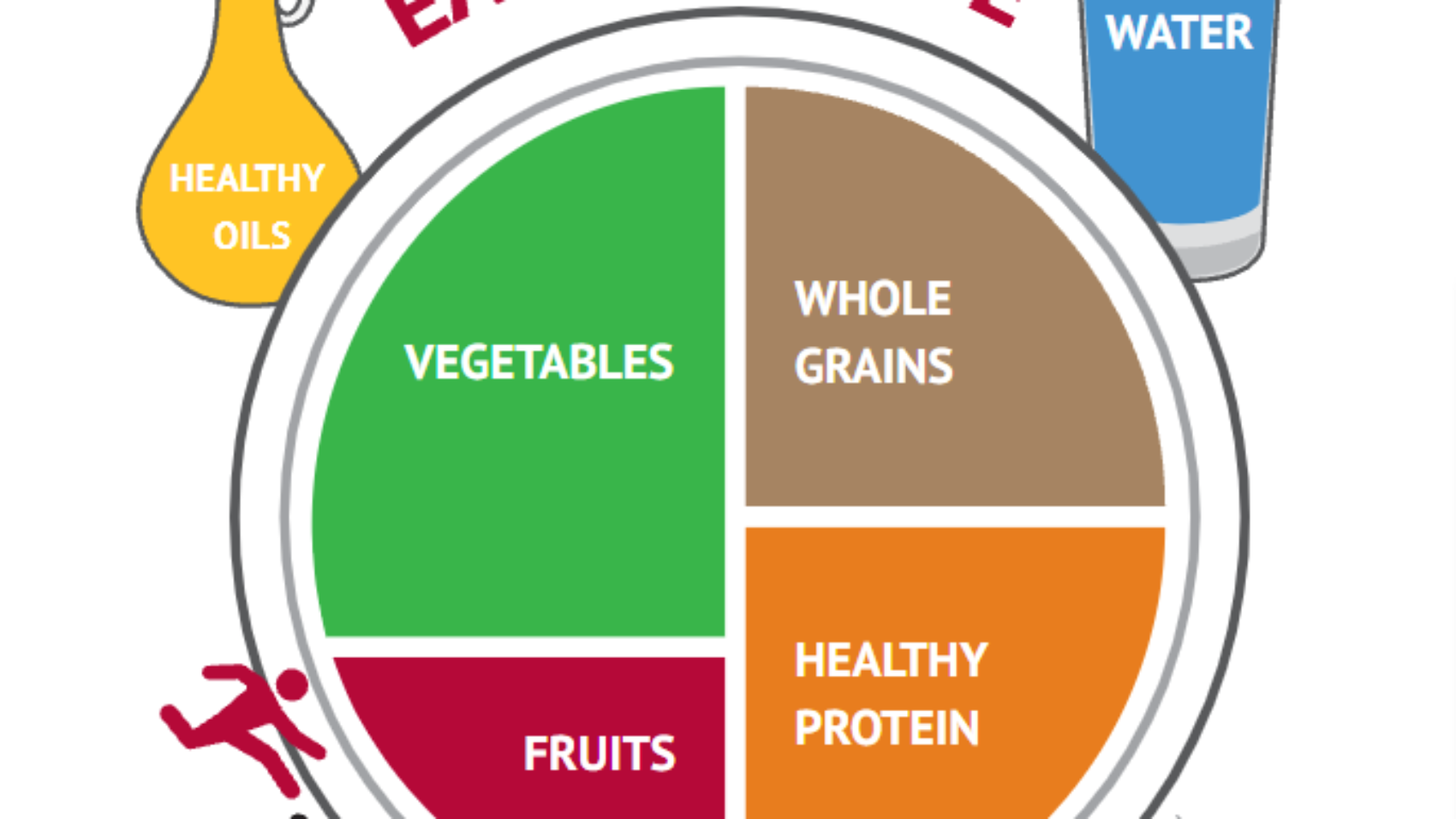
Autoimmune disease - how food can reduce the symptoms - Harvard food plate

How Does Diet Affect Autoimmune Diseases?

Autoimmune diseases are a group of disorders that affect millions of people worldwide. These diseases occur when the immune system mistakenly attacks healthy cells and tissues in the body. Some of the most common autoimmune diseases include rheumatoid arthritis, lupus, and multiple sclerosis. If you or someone you know is living with an autoimmune disease, it’s essential to understand the risk factors associated with their development.

In this blog post, we will look into the various factors that can increase your risk of developing an autoimmune disease. We’ll also discuss the role of diet in autoimmune diseases and how consuming anti-inflammatory foods and following a plant-based diet can help reduce autoimmune disease symptoms. Furthermore, we will explore the impact of gut dysbiosis on autoimmune health and how maintaining a healthy gut microbiome is essential for good autoimmune health. By the end of this blog post, you’ll have a better understanding of how to manage autoimmune diseases through diet and lifestyle changes.

Autoimmune Diseases Risk Factors: Understanding the Causes

Autoimmune diseases affect millions of people worldwide, and whilst their exact causes are still unknown, researchers have identified several risk factors associated with their development. Genetics plays a significant role in autoimmune diseases, with family history being a common factor. Women are also at higher risk, making up 78% of those affected by autoimmune diseases. Having another autoimmune disease can increase the likelihood of developing multiple autoimmune syndromes, which leads to the accumulation of three or more autoimmune conditions. Certain viruses and medications can also trigger the development of autoimmune diseases, whilst smoking, and obesity are also linked to the increased risk of such diseases.

Diet and Autoimmune Diseases: A Significant Connection

Your diet can also play a critical role in autoimmune disease development, with the immune system being directly affected by the food you eat. Two-thirds of your immune system is located in the gut, and maintaining a healthy gut microbiome is crucial for good autoimmune health. Gut dysbiosis, which is an imbalance in the gut microbiome, has been closely associated with multiple autoimmune diseases. Eating anti-inflammatory foods and following a plant-based diet can help to reduce autoimmune disease symptoms, such as fatigue. Research shows that a vegan diet rich in fruits, vegetables, and whole grains can reduce inflammation and improve autoimmune disease symptoms. On the other hand, ultra-processed foods can promote gut dysbiosis, leading to an increased risk of autoimmune diseases like Type 1 diabetes and celiac disease.

What plant-based foods can reduce the symptoms of autoimmune disorders?

A plant-based diet can be beneficial in reducing the symptoms of autoimmune disorders and improving overall autoimmune health. Here are some plant-based foods that are known for their anti-inflammatory properties and can help reduce the risk of autoimmune disorders:

  1. Fruits and vegetables: These are rich in vitamins, minerals, and antioxidants that help boost the immune system and reduce inflammation. Berries, citrus fruits, leafy greens, and cruciferous vegetables like broccoli and cauliflower are excellent choices.
  2. Whole grains: Whole grains like brown rice, quinoa, and whole wheat are high in fiber and can help promote a healthy gut microbiome, which is crucial for good autoimmune health.
  3. Legumes: Beans, lentils, and chickpeas are high in protein, fibre, and other nutrients that can help reduce inflammation and improve overall health.
  4. Nuts and seeds: These are rich in healthy fats, protein, and other nutrients that can help improve autoimmune health. Examples include almonds, walnuts, chia seeds, and flaxseeds.
  5. Spices and herbs: Turmeric, ginger, garlic, and cinnamon are just a few examples of spices and herbs that have anti-inflammatory properties and can help reduce the risk of autoimmune disorders.

Incorporating plant-based whole foods into your diet can help to reduce inflammation and promote a healthy gut microbiome, which is crucial for good autoimmune health. It’s essential to speak with a healthcare professional before making any significant changes to your diet to ensure that you’re meeting your nutritional needs.

For more quality information on Nutritional Medicine and associated research, you can go to nutritionalfacts.org  where Dr. Greger lays out all the facts clearly so you can make the right decision for you.

If you need help starting on your plant-based journey to reduce the symptoms of autoimmune disorders book your FREE strategy call today so we can start helping you get on top of your health.

Forks over knives hummus recipe

Forks Over Knives Hummus Recipe: A Creamy, Flavourful, and Nutritious Plant-Based Delight!

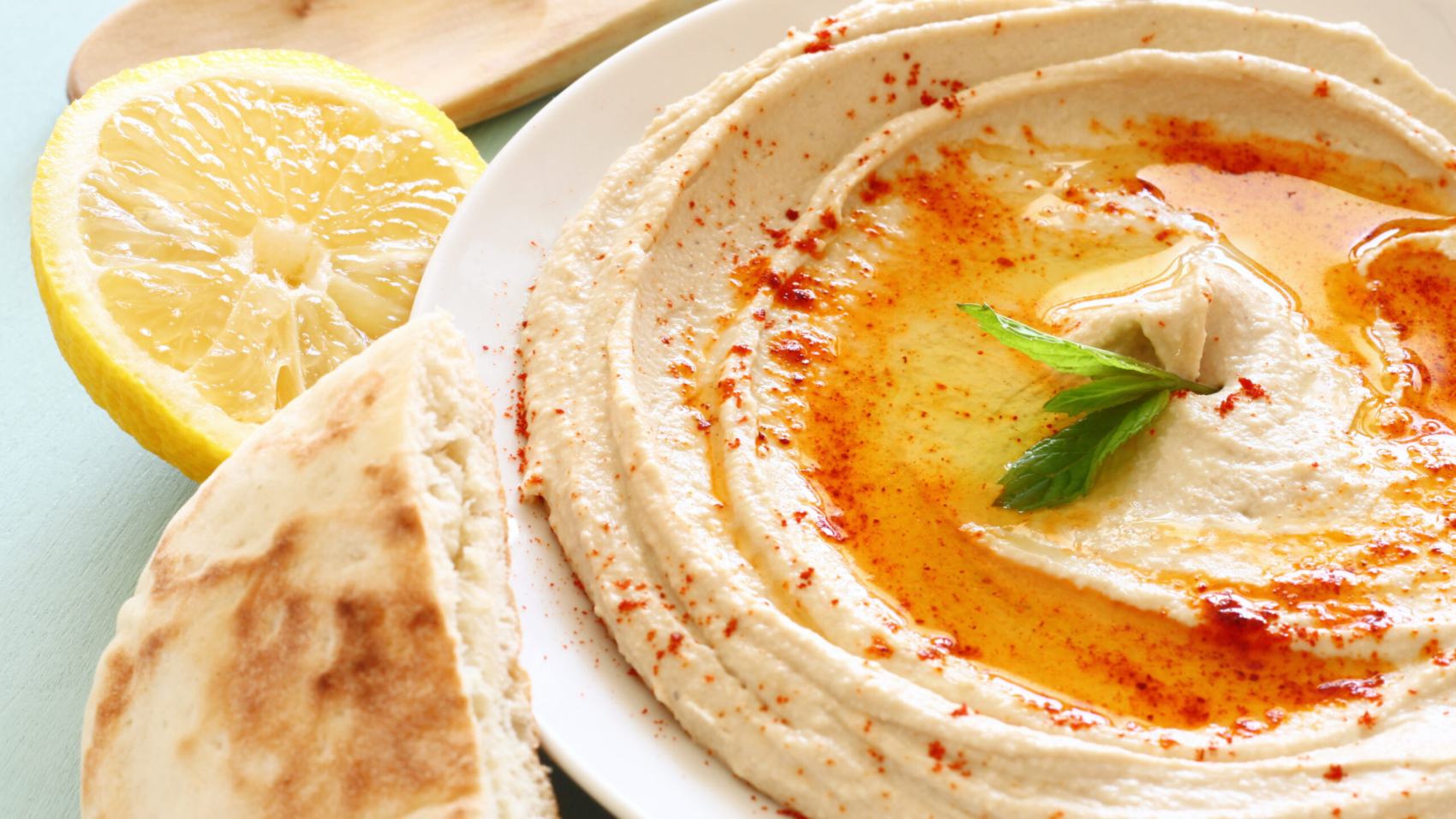
Here’s a wonderful Forks Over Knives Hummus Recipe for you to try.

When I started off on my plant-based vegan journey Forks Over Knives was one of the first places I went for good quality recipes and here is one of their hummus recipe that got my tastebuds dancing every time I made it.


First, a bit about Hummus

Hummus, a popular Middle Eastern dip, is a plant-based favorite that has gained widespread popularity worldwide. Not only is it a delicious and versatile spread or dip, but it’s also packed with essential nutrients. In this blog post, we’ll explore the Forks Over Knives hummus recipe, a delightful and creamy rendition of this classic dish, using wholesome, plant-based ingredients. Whether you’re hosting a gathering or looking for a satisfying snack, this hummus recipe is sure to become a go-to favourite!

The Forks Over Knives Recipe

Ingredients:

To make the Forks Over Knives hummus, you’ll need the following ingredients:

  • 1 can (15 oz) chickpeas, drained and rinsed
  • 1/4 cup tahini
  • 1/4 cup lemon juice (about 1-2 lemons)
  • 2 cloves garlic, minced
  • 1/2 tsp ground cumin
  • 1/2 tsp sea salt
  • 2-3 Tbsp water (to achieve desired consistency)
  • Optional toppings: paprika, chopped fresh parsley, and a drizzle of extra-virgin olive oil

Instructions:

  1. Prepare the ingredients: Drain and rinse the chickpeas, juice the lemons, and mince the garlic.
  2. Blend the hummus: In a food processor or high-speed blender, combine the chickpeas, tahini, lemon juice, garlic, cumin, and sea salt. Process until smooth, scraping down the sides of the processor as needed.
  3. Adjust the consistency: While the food processor is running, slowly add water, one tablespoon at a time, until you achieve your desired consistency. The hummus should be creamy and smooth but not too runny.
  4. Taste and adjust: Give the hummus a taste and adjust the seasoning as needed. You might want to add more lemon juice, salt, or cumin to suit your preferences.
  5. Serve and enjoy: Transfer the hummus to a serving bowl and garnish with a sprinkle of paprika, chopped fresh parsley, and a drizzle of extra-virgin olive oil (optional). Enjoy with your favorite raw vegetables, whole-grain crackers, or warm pita bread.

Health Benefits of Hummus

The Forks Over Knives hummus recipe is not only a tasty treat but also offers numerous health benefits. Chickpeas, the main ingredient in hummus, are rich in plant-based protein, fiber, and essential minerals like iron and potassium. Tahini, made from ground sesame seeds, is an excellent source of healthy fats, calcium, and vitamin E. Together, these ingredients make hummus a nutritious and satisfying plant-based snack or addition to any meal.

This Forks Over Knives hummus recipe is a versatile, delicious, and nutritious plant-based dish that’s easy to make and perfect for any occasion. This creamy and flavourful hummus can be served as a dip, spread, or even used as a base for salad dressings and sauces. Give this recipe a try and enjoy the myriad of flavours and health benefits that plant-based eating has to offer! You can get more tantalising Forks Over Knives recipes for every occasion and lots of learning over at their website.

Ready to start your Health and Lifestyle Transformation?

Don’t wait another day to begin your path to optimal health and happiness. Explore our coaching programs by scheduling your FREE strategy call to kick off a life full of energy, well-being, and satisfaction. Act today and embrace the power of plant-based living!

vegan recipe book

The Ultimate Vegan Recipe Book: 100+ Delicious Plant-Based Meals

The Ultimate Vegan Recipe Book: Savour 100+ Scrumptious Plant-Based Creations!

Are you looking for tasty and healthy vegan recipes to add to your meal rotation? Look no further than The Ultimate Vegan Recipe Book! With over 100 plant-based recipes, you’ll have plenty of options to choose from for breakfast, lunch, dinner, and snacks. Whether you’re a seasoned vegan or just starting out, this recipe book is sure to inspire you to try new and delicious plant-based meals.

Introduction to veganism and its benefits.

Veganism is a lifestyle that involves avoiding the use of animal products for food, clothing, or any other purpose. Many people choose to adopt a vegan lifestyle for ethical, environmental, or health reasons. Plant-based diets have been shown to reduce the risk of chronic diseases such as heart disease, diabetes, and certain types of cancer. Additionally, veganism can have a positive impact on the environment by reducing greenhouse gas emissions and preserving natural resources.

Breakfast recipes, including smoothies, pancakes, and tofu scrambles.

Start your day off right with these delicious and nutritious vegan breakfast recipes! From fruity smoothies to fluffy pancakes and savory tofu scrambles, there’s something for everyone in The Ultimate Vegan Recipe Book. Try the blueberry banana smoothie for a refreshing and energising start to your morning, or whip up some fluffy vegan pancakes topped with fresh fruit and maple syrup. And for a protein-packed breakfast option, try the tofu scramble with veggies and spices for a savoury and satisfying meal.

Lunch and dinner recipes, including soups, salads, pasta dishes, and stir-fries.

The Ultimate Vegan Recipe Book has got you covered for all your plant-based meal needs, including lunch and dinner recipes. From hearty soups and salads to comforting pasta dishes and flavourful stir-fries, there’s something for every taste preference. Try the lentil and vegetable soup for a warm and filling lunch, or the quinoa and black bean salad for a refreshing and protein-packed meal. And for a satisfying dinner option, try the mushroom and spinach pasta or the spicy tofu stir-fry. With over 100 recipes to choose from, you’ll never run out of delicious vegan meal ideas.

Snacks and appetisers, including dips, spreads, and vegan cheese.

The Ultimate Vegan Recipe Book isn’t just for main meals – it also includes a variety of tasty snacks and appetisers. Impress your guests with homemade dips and spreads like hummus, guacamole, and cashew cheese. Or try making your own vegan cheese using nuts and nutritional yeast. For a healthier snack option, try roasted chickpeas or kale chips. With so many delicious options, you’ll never have to resort to boring snacks again.

Desserts, including cakes, cookies, and ice cream.

The Ultimate Vegan Recipe Book doesn’t just stop at main meals and snacks – it also includes a variety of mouth-watering desserts. Indulge in sweet treats like chocolate cake, peanut butter cookies, and even vegan ice cream. Impress your friends and family with your baking skills while still sticking to your plant-based diet. With over 100 recipes to choose from, you’ll never run out of dessert ideas.

Wondering what the title of the ultimate vegan recipe book is? Look no further than The How Not to Diet Cookbook: Over 100 Recipes for Healthy, Permanent Weight Loss. This is the Ultimate Vegan Recipe Book your one-stop resource for discovering an array of delicious and nutritious plant-based meals. With over 100 recipes ranging from breakfast to dinner, and even snacks and appetisers, you’ll have endless options to explore and enjoy. Whether you’re a seasoned vegan or just embarking on your plant-based journey, this recipe book will inspire you to create delightful and wholesome meals that will not only satisfy your taste buds but also contribute to a healthier lifestyle and a more sustainable world. 

Ready to embark on a journey to better health without the stress of mastering nutrition basics? Our sister website has you covered with an array of scrumptious plant-based recipes to support your goals, be it weight loss, better digestion, or a healthier lifestyle overall.

Don’t wait another day to begin your path to optimal health and happiness. Explore our coaching programs and schedule your FREE strategy call now to kick off a life full of energy, well-being, and satisfaction. Act today and embrace the power of plant-based living!

Vegan challenge

7-Day Vegan Challenge: Kickstart Your Plant-Based Journey with Our Beginner’s Guide

7-Day Vegan Challenge: A Beginner’s Guide to Plant-Based Eating

Have you ever considered adopting a plant-based diet but weren’t sure where to start? Or maybe you’re curious about the benefits of a vegan lifestyle but feel overwhelmed by the thought of giving up animal products. If this sounds like you, then a 7-day vegan challenge might be just what you need.

A vegan challenge can be a great way to dip your toes into the world of plant-based eating and experience the benefits of a vegan lifestyle firsthand. In this blog post, we’ll explore the reasons why you should try a 7-day vegan challenge and provide you with tips on how to make the transition to a plant-based diet as smooth and enjoyable as possible. Whether you’re looking to improve your health, reduce your carbon footprint, or simply try something new, a 7-day vegan challenge can be a life-changing experience. So, are you ready to take the plunge and try a vegan challenge? Let’s get started!

Plan your meals and snacks ahead of time.

One of the keys to success in the 7-day vegan challenge is to plan your meals and snacks ahead of time. This will help you stay on track and avoid the temptation to reach for non-vegan options when you’re hungry and in a rush. Take some time at the beginning of the week to plan out your meals and make a grocery list. You can also prep some meals and snacks in advance to make things easier throughout the week.

Stock up on plant-based proteins and healthy fats.

When transitioning to a vegan diet, it’s important to make sure you’re getting enough protein and healthy fats to support your body’s needs. Some great sources of plant-based protein include beans, lentils, tofu, tempeh, quinoa, nuts, and seeds. For healthy fats, try incorporating avocado, nuts, seeds, and olive oil into your meals. Don’t be afraid to experiment with new recipes and ingredients to find what works best for you.

Experiment with new recipes and flavours.

One of the most exciting parts of trying a plant-based diet is discovering new flavors and recipes. Don’t be afraid to experiment with different spices, herbs, and sauces to add flavor to your meals. Try new vegetables and fruits that you may not have tried before, such as jackfruit, eggplant, or papaya. You may be surprised at how delicious and satisfying plant-based meals can be. And if you’re not sure where to start, there are plenty of vegan cookbooks and online resources to help inspire you.

Don’t forget about essential nutrients like iron and B12.

While a plant-based diet can provide many health benefits, it’s important to make sure you’re getting all the essential nutrients your body needs. Iron and vitamin B12 are two nutrients that can be more challenging to get enough of on a vegan diet. To ensure you’re meeting your needs, consider incorporating iron-rich foods like leafy greens, beans, and fortified cereals, and taking a B12 supplement or eating fortified foods like plant milks or nutritional yeast. Consulting with a registered dietitian can also help ensure you’re meeting all your nutrient needs on a vegan diet.

Stay hydrated and listen to your body’s hunger cues.

When embarking on a plant-based diet, it’s important to stay hydrated and listen to your body’s hunger cues. Aim to drink at least 8 glasses of water a day and consider incorporating hydrating foods like watermelon, cucumber, and celery into your meals. It’s also important to listen to your body’s hunger cues and eat when you’re hungry, rather than restricting calories or following strict meal plans. Pay attention to how your body feels after meals and adjust your food choices accordingly.

The 7-day vegan challenge offers a fantastic opportunity to explore plant-based eating and discover the exciting flavors and benefits that come with it. By planning meals ahead, incorporating plant-based proteins and healthy fats, experimenting with new recipes, and ensuring you’re getting essential nutrients, you’ll set yourself up for success. Staying hydrated and being in tune with your body’s hunger cues will also help you feel your best throughout the challenge. Embrace this week-long journey as a chance to expand your culinary horizons, learn more about veganism, and potentially pave the way for a healthier, more sustainable lifestyle. Remember, this challenge is just the beginning – let it inspire you to continue exploring plant-based eating and all it has to offer.

Ready to embark on a journey to better health without the stress of mastering nutrition basics? Our sister website has you covered with an array of scrumptious plant-based recipes to support your goals, be it weight loss, better digestion, or a healthier lifestyle overall.

Don’t wait another day to begin your path to optimal health and happiness. Explore our coaching programs and schedule your FREE strategy call now to kick off a life full of energy, well-being, and satisfaction. Act today and embrace the power of plant-based living!

Basics of nutrition

Basics of Nutrition: The Role of Macronutrients and Micronutrients in Your Diet

The Crucial Roles of Macronutrients and Micronutrients in a Balanced Diet

Nutrition is the foundation of a healthy lifestyle, but it can be overwhelming to know where to start. Understanding the basics of nutrition is key to making informed choices about what you eat. This guide will break down the importance of macronutrients and micronutrients in your daily intake, and provide tips for improving your diet.

What are macronutrients and micronutrients?

Macronutrients are the nutrients that our bodies need in large amounts to function properly. These include carbohydrates, proteins, and fats. Micronutrients, on the other hand, are the nutrients that our bodies need in smaller amounts, but are still essential for good health. These include vitamins and minerals. Both macronutrients and micronutrients play important roles in maintaining a healthy diet and lifestyle.

The role of carbohydrates in your diet.

Carbohydrates are one of the three macronutrients that our bodies need in large amounts. They are the primary source of energy for our bodies and are found in foods like bread, pasta, rice, and fruits. However, not all carbohydrates are created equal. Simple carbohydrates, like those found in candy and soda, are quickly digested and can cause spikes in blood sugar levels. Complex carbohydrates, like those found in whole grains and vegetables, are digested more slowly and provide a steady source of energy. It’s important to choose carbohydrates wisely and aim for a balanced intake.

The role of proteins in your diet.

Proteins are another important macronutrient that our bodies need. They are essential for building and repairing tissues, as well as for producing enzymes and hormones. Good sources of protein include beans, chickpeas, lentils, bulgar wheat, quinoa, seeds, tofu, tempeh, and nuts. It’s important to aim for a variety of protein sources in your diet to ensure that you are getting all of the essential amino acids that your body needs. Additionally, it’s important to pay attention to portion sizes, as consuming too much protein can put a strain on your kidneys.

The role of fats in your diet.

Fats are another important macronutrient that our bodies need, but it’s important to choose the right types of fats. Unsaturated fats, such as those found in nuts, seeds, avocados, and fatty fish, are beneficial for heart health and can help lower cholesterol levels. Saturated and trans fats, found in processed foods and animal products, should be limited in your diet as they can increase the risk of heart disease. It’s important to pay attention to portion sizes when consuming fats, as they are high in calories.

The importance of vitamins and minerals in your diet.

In addition to macronutrients, micronutrients such as vitamins and minerals are also essential for maintaining good health. Vitamins and minerals play a variety of roles in the body, from supporting immune function to aiding in the production of energy. Some common sources of vitamins and minerals include fruits, vegetables, whole grains, and plant-based proteins. It’s important to consume a variety of these foods to ensure you are getting all the necessary micronutrients your body needs.

Understanding the role of macronutrients and micronutrients in your diet is the basics of nutrition and is essential for achieving and maintaining a healthy lifestyle. By focusing on consuming a balanced mix of carbohydrates, proteins, and fats, along with a variety of micronutrient-rich foods, you can lay the foundation for optimal health and well-being. It is important to make mindful choices about the types of foods you eat, prioritise whole and unprocessed options, and pay attention to portion sizes. By incorporating these principles into your daily eating habits, you can support your body’s needs, boost your energy levels, and promote overall wellness. Remember, a well-balanced and nutritious diet is the cornerstone of a healthy lifestyle, and taking the time to educate yourself about macronutrients and micronutrients is a crucial step in making informed dietary choices.

Are you struggling to get on track with your health goals? Want to eat healthily without having to worry about the basics of nutrition? No problem! Our sister website offers a variety of delicious plant-based recipes that will help you achieve your desired health outcomes. Whether you’re looking to lose weight, improve your digestion, or simply lead a healthier lifestyle, we have something for everyone.

Start your journey towards optimal health and happiness today with one of our coaching programs. Book your FREE strategy call today and start living the life you want to live.

Plant-based wellness and health. Discover the benefits of a plant-based diet for your wellness and health. Explore expert tips, recipes, and more to help you on your journey to a healthier you.

Plant-based wellness and health tips

As someone who has been a vegetarian for over 20 years and now a vegan, I have experienced numerous health benefits from a plant-based diet. From increased energy levels to improved digestion, the benefits of a plant-based diet are truly remarkable. If you’re looking to improve your health and well-being or simply want to feel better about yourself, then you’re in the right place. In this blog post, I’ll be sharing some of the top plant-based health tips that have helped me on my journey to better health. So, sit back, relax, and keep reading to learn how you can improve your health with a plant-based diet.

Plant-based diets are great for your health.

Here are four reasons why plant-based diets are good for you:

  • Plant-based diets are great for your health.
  • Plant-based diets can help you lose weight.
  • Plant-based diets can help you lower your cholesterol levels.
  • Plant-based diets can help you lower your blood pressure and decrease other risk factors for heart disease, like inflammation in the body or high blood sugar levels.

The benefits are numerous, such as a reduced risk of diabetes, heart disease, high blood pressure, and stroke. Here are some of the added benefits of bein on a plant-based diet.

  • Plant-based diets are associated with a reduced risk of diabetes, heart disease, high blood pressure, and stroke.
  • Plant-based diets are also associated with a lower body mass index (BMI) and lower cholesterol levels.
  • Plant-based diets are associated with a lower risk of cancer

Cut out or cut down your meat and dairy intake

There are many more reasons why you should switch to a plant-based diet and if you eat meat and dairy and you are exhibiting health issues, you should cut down on it as soon as possible. Most people do not see the connection between poor diet and poor health.

If you’re not already a vegetarian or vegan, eating less meat is a good idea. Meat is high in calories and saturated fat, which can increase the risk of heart disease and certain cancers. Reducing your intake will help keep your weight down and reduce the risk of other health problems like diabetes or high blood pressure.

A plant-based diet may help lower your cholesterol levels.

  • A plant-based diet is rich in fiber, which helps lower cholesterol.
  • A plant-based diet is rich in antioxidants, which helps lower cholesterol.
  • A plant-based diet is rich in phytochemicals (plant compounds), which also help lower cholesterol levels

Plant-based diets have been shown to be effective in reducing the levels of LDL cholesterol, commonly referred to as “bad” cholesterol, in the body. Studies have found that people who consume a diet rich in fruits, vegetables, whole grains, legumes, and nuts are at a lower risk of developing heart disease, which is often caused by the buildup of LDL cholesterol in the arteries. This is because plant-based foods are generally low in saturated fat and high in fiber, which can help to lower cholesterol levels. In fact, some studies have shown that a plant-based diet can be just as effective as medications in reducing LDL cholesterol levels. Additionally, plant-based diets are also associated with numerous other health benefits, such as reducing the risk of diabetes, obesity, and certain types of cancer.

You’ll feel better about yourself if you give up meat and dairy.

It’s easy to feel good about yourself when you eat healthy.

Giving up meat and dairy can have positive effects on your overall health and well-being, which can lead to feeling better about yourself. By adopting a plant-based diet, your body may experience weight loss and increased energy levels, resulting in a sense of accomplishment and pride. Making the decision to eat a plant-based diet can also bring a feeling of purpose and ethical alignment with your values, which can contribute to a positive self-image.

Meat can increase the risk of heart disease and certain cancers.

If you’re a meat eater, red meat is your main source of iron. While this mineral can be beneficial to your body, it can also increase your risk for heart disease and certain cancers if not consumed in moderation. Red meat contains high levels of saturated fat and cholesterol both of which are known contributors to these diseases. Additionally, eating too much red meat may cause weight gain or obesity over time because it’s high in calories (about 200-300 calories per 3 ounces).

There are many types of plant-based proteins, including beans, nuts, and whole grains.

There are many types of plant-based proteins, including beans, nuts, and whole grains. Beans are a good source of protein because they contain all nine essential amino acids that your body needs to function properly. Peas and beans also have vitamin C, which helps boost your immune system; nuts provide vitamin E and minerals like magnesium; whole grains contain fiber as well as B vitamins that help decrease cholesterol levels in the bloodstream.

Grains, legumes, and vegetables are low in fat and calories compared to meats.

Grains, legumes, and vegetables are low in fat and calories compared to meats. They are also high in fiber, which can help you feel fuller longer. In addition to being low-calorie foods, grains, legumes, and vegetables contain many nutrients that your body needs for good health:

Some research shows that eating whole foods is more beneficial than processed foods for overall health and disease prevention – including cancer reduction and anti-aging benefits.

Vegetables have antioxidant properties that help fight diseases in our bodies and prevent cell damage by removing free radicals that cause oxidative stress in our cells.

Plant-based diets are good for your health and help to reduce oxidative stress. Studies have shown that eating whole foods is more beneficial than processed foods for overall health and disease prevention including aiding in the prevention of cancers and can also help in the reduction of the aging process and have anti-aging benefits. Vegetables have antioxidant properties that help fight diseases in our bodies and prevent cell damage by removing free radicals that cause oxidative stress in our cells.

Some research shows that plant-based diets can lower cholesterol levels, and blood pressure and reduce the risk of heart disease or even cancer!

At the end of the day, it’s your choice. But if you’re looking for a way to improve your health and feel better about yourself, consider giving up meat and dairy, and of course processed food, and swap them out for a tasty, and interesting whole foods plant-based diet. You don’t have to go all in at once – just start with one day each week and progress from there.

Are you struggling to get on track with your health goals? Our sister website offers a variety of delicious plant-based recipes that will help you achieve your desired health outcomes. Whether you’re looking to lose weight, improve your digestion, or simply lead a healthier lifestyle, we have something for everyone.

Start your journey towards optimal health and happiness today with one of our coaching programs. Book your FREE strategy call today and start living the life you want to live.

How to get rid of bloating naturally

How to get rid of bloating naturally

Bloating, also known as gastric distension, is the feeling of fullness and tightness in the abdomen. It can be caused by eating too much or by an underlying medical condition. If you suffer from bloating frequently or just want to avoid it completely, here’s how to make some simple dietary changes that will help:

Get rid of bloating with a plant-based diet

If you’re looking to get rid of bloating, a plant-based diet may be the answer. A study published in the Journal of Nutrition shows that people who eat more fruits and vegetables have lower levels of abdominal fat, which can cause water retention.

Another benefit? A plant-based diet tends to be high in fiber–and fiber helps prevent constipation (a major cause of bloating). Plus, it’s easy on the environment compared with factory farming operations that produce meat products like beef or chicken.

Eat more fiber and less processed food.

  • Eat more fiber and less processed food. Fiber helps with digestion, which means it can also help to prevent bloating. Processed foods are high in salt, fat and sugar and low in fiber. So if you want to get rid of bloating naturally, eat more whole grains (such as oats), fresh fruits, and vegetables instead of processed ones like chips or cookies.

Drink more water.

  • Drink more water.

Water helps to flush out toxins, regulate the body temperature and keep you hydrated. It also keeps your skin healthy and glowing, muscles strong and healthy as well as joints moving smoothly.

Improve your digestion with probiotics.

Probiotics are friendly bacteria that can help improve digestion. They’re found in fermented foods like yogurt, kefir, kombucha, and other fermented foods.

Probiotics also improve the health of your gastrointestinal tract by boosting immunity and reducing inflammation in your gut (which may be causing you to bloat).

Eat whole grains instead of refined grains.

There are two types of grains: whole and refined. Whole grains are high in fiber, which can help reduce bloating. Refined grains have been processed to remove the bran and germ the parts that contain most of the nutrients found in whole grains. Instead, they’re higher in sugar and starch than whole grains, which can cause you to feel bloated if you eat too much of them.

Prioritize plant-based protein sources.

Prioritize plant-based protein sources.

Protein is essential for building muscle and other bodily functions, so it’s important to get enough in your diet. But if you’re trying to avoid meat and dairy products (for example), where can you find the necessary amount of protein? The answer is simple: plants!

Plant-based foods like nuts, seeds, and legumes contain all nine essential amino acids the building blocks of protein without any cholesterol or saturated fat. In addition to being healthier than animal products, these foods are often more sustainable as well because they require less land space for farming than raising animals does; many local farmers even grow their own crops specifically for consumption by humans rather than livestock. Finally, many plant sources are also cheaper than meat when bought from supermarkets or grocery stores; however, this may vary depending on where exactly one lives in relation to farms producing these crops locally.

Include anti-inflammatory foods in your diet.

In order to get rid of bloating, you must first identify the foods that cause inflammation. Inflammation occurs when the body’s immune system releases chemicals that fight off infections and heal damaged tissues. However, if these chemicals are activated too often or at inappropriate times (such as in response to normal digestive processes), they can damage your internal organs and cause chronic diseases like heart disease, diabetes, and cancer.

To avoid this damage from occurring in your digestive tract and thus causing bloating it’s important to eat foods that contain anti-inflammatory properties instead of pro-inflammatory ones. Anti-inflammatory foods include:

  • Lean protein sources such as tofu; legumes such as beans or lentils; nuts like walnuts or almonds (but not peanuts); seeds like flaxseed oil.
  • Consume natural sugars that aren’t refined and don’t spike blood sugar levels. Choose vegetables, fruits, and legumes over sweeteners like brown rice syrup and agave nectar when you need a little sweetness in your sweets or desserts.

When you’re looking for a healthy snack or dessert, reach for whole foods not processed ones.

Whole foods are more filling than their refined counterparts and tend to have more nutrients. They also contain fiber, which helps you stay full longer by slowing down digestion so the body doesn’t absorb all of the calories at once. Finally, whole foods are higher in water content than their processed counterparts (such as cookies) and therefore don’t cause bloating as much as sugary sweets would because they don’t cause blood sugar levels to spike as much either!

A plant-based diet can help you get rid of bloating naturally

You can try a plant-based diet to help you get rid of bloating naturally. A plant-based diet is one that relies on whole grains and legumes, fruits, vegetables, nuts, and seeds as its main sources of food. It also focuses on avoiding processed foods such as refined sugar or white bread products.

This type of eating plan has many benefits including lowering your risk for heart disease and Type 2 diabetes by reducing inflammation in the body. In addition to these health benefits, it can also help reduce bloating!

If you’re looking for ways to reduce bloating naturally without resorting to medications or surgery there are several foods that may help out.

In particular, a plant-based diet rich in fruits, vegetables, whole grains, and legumes has been shown to be effective in reducing bloating and improving digestion. These foods are high in fiber and nutrients, which can help regulate bowel movements and promote a healthy gut microbiome. Additionally, avoiding processed and high-fat foods can also help reduce bloating. By incorporating more plant-based foods into your diet, you can naturally alleviate bloating and promote overall health and well-being.

If you’re looking for a way to get rid of bloating naturally, it’s worth trying a plant-based diet. It’s been shown that this type of eating pattern can help people lose weight and lower blood pressure and cholesterol levels which means less risk for heart disease and stroke. And since plant-based foods are also low in saturated fat and rich in fiber (which helps keep everything moving smoothly through your digestive tract), they’re an excellent choice if you want an overall healthier body!

Need to improve your diet? Here are a tonne of plant-based recipes for you to be getting on with. When you hire us to work with you we will create meal plans and recipe cards suited to your goals and lifestyle.

Need help getting on track and staying on track? Book your FREE strategy call today

how to remove gas from your stomach instantly

How to remove gas from your stomach instantly

Need to learn how to remove gas from your stomach instantly? There is no doubt that we all suffer from gas. Gas is the uncomfortable bloating and pressure in our stomachs, which makes us feel like we need to burp or fart. While there are some people who suffer more than others with this problem, it’s no fun for anyone who experiences it. There are many ways to combat this common ailment, but one of the most effective ways is by avoiding foods that can cause gas. Here’s a list of foods that may cause you to have excessive flatulence and how you can avoid them:

Avoiding gas-forming foods

The best way to avoid gas is by avoiding the foods that cause it. If you’re going to eat any of these foods, try to do so in moderation and chew your food thoroughly.

  • Avoiding carbonated drinks
  • Avoiding beans, broccoli, cabbage and cauliflower
  • Avoiding dairy products (e.g., cheese)
  • Avoiding onions, garlic, chives
  • Avoiding spicy foods

Drinking a lot of water

Drinking a lot of water helps reduce gas.

Water helps keep your body hydrated and your digestive system healthy by helping move food through the gut, which means less time for bacteria to grow and ferment in your intestines. And if you’re feeling thirsty after eating, it might be because you ate too fast or didn’t chew well enough–both common causes of bloating! Drinking some water before meals can also help you feel full faster so that you don’t overeat later on in the day (or night).

Eating more greens

There are many different kinds of greens and they can be found in many places. You don’t have to eat them straight from the earth, though that is certainly an option if you prefer it!

If you’re looking for a quick way to improve your diet and get some greens on the go, consider adding them into your smoothies or juices. It’s also easy enough to make a salad at home or take one along with you when eating out at restaurants that offer healthy options (just ask).

Consuming probiotics

Probiotics are good bacteria that help to keep your gut healthy, and they can be found in some foods and supplements. Probiotics may also reduce the symptoms of irritable bowel syndrome (IBS), including bloating, gas and diarrhea.

They can be taken daily as a supplement or food additive to improve digestive health by increasing the amount of good bacteria in your intestines. You can also find probiotic supplements at most health food stores or online retailers such as Amazon.

Having good bowel movements daily

The first step to getting rid of excess gas is to have regular bowel movements. Having good bowel movements daily is essential for keeping your digestive system healthy, which can help reduce the amount of gas that builds up in your body.

You should also try to eat a diet that includes plenty of fiber and drink plenty of water, as both these things help keep the bowels moving along smoothly.

Taking probiotics regularly is another great way to keep things moving along nicely down there! Probiotics are live bacteria or yeast cells that are good for our bodies because they help us digest food better and absorb nutrients from what we eat (1). They’re found in certain foods such as yogurt or kefir (2), but if those aren’t available then supplements are another option as well

Taking an antacids tablet

If you have a stomach ache and feel like you’re going to be sick, try taking an antacid tablet. Antacids can help reduce gas pains by neutralizing stomach acid. If you have any leftovers, keep them in a safe place where small children or pets cannot reach them.

Antacids come in tablet form and are available over the counter at pharmacies or grocery stores. They can be taken with water if needed before meals so that they work more effectively when food enters your body. To get immediate relief from bloating caused by excess air trapped inside the intestines after eating too much greasy food or drinking carbonated beverages such as soda pop (or both!) try taking 2 tablets every 15 minutes until symptoms subside–which should take less than 30 minutes total!

Avoiding gas-forming foods is the best way to avoid gas

Avoiding gas-forming foods is the best way to avoid gas.

  • Avoid carbonated drinks
  • Don’t eat too much food at once, it takes time for your body to digest it and release gas as a result of digestion. If you eat too much at once, the resulting gas can cause stomach cramps that feel like they’re coming from inside your abdomen (stomach).


We hope that you found this article helpful. If you have any questions or concerns, please don’t hesitate to reach out!

Find recipes you can eat on our recipes website, there are hundreds of plant-based recipes to choose from.