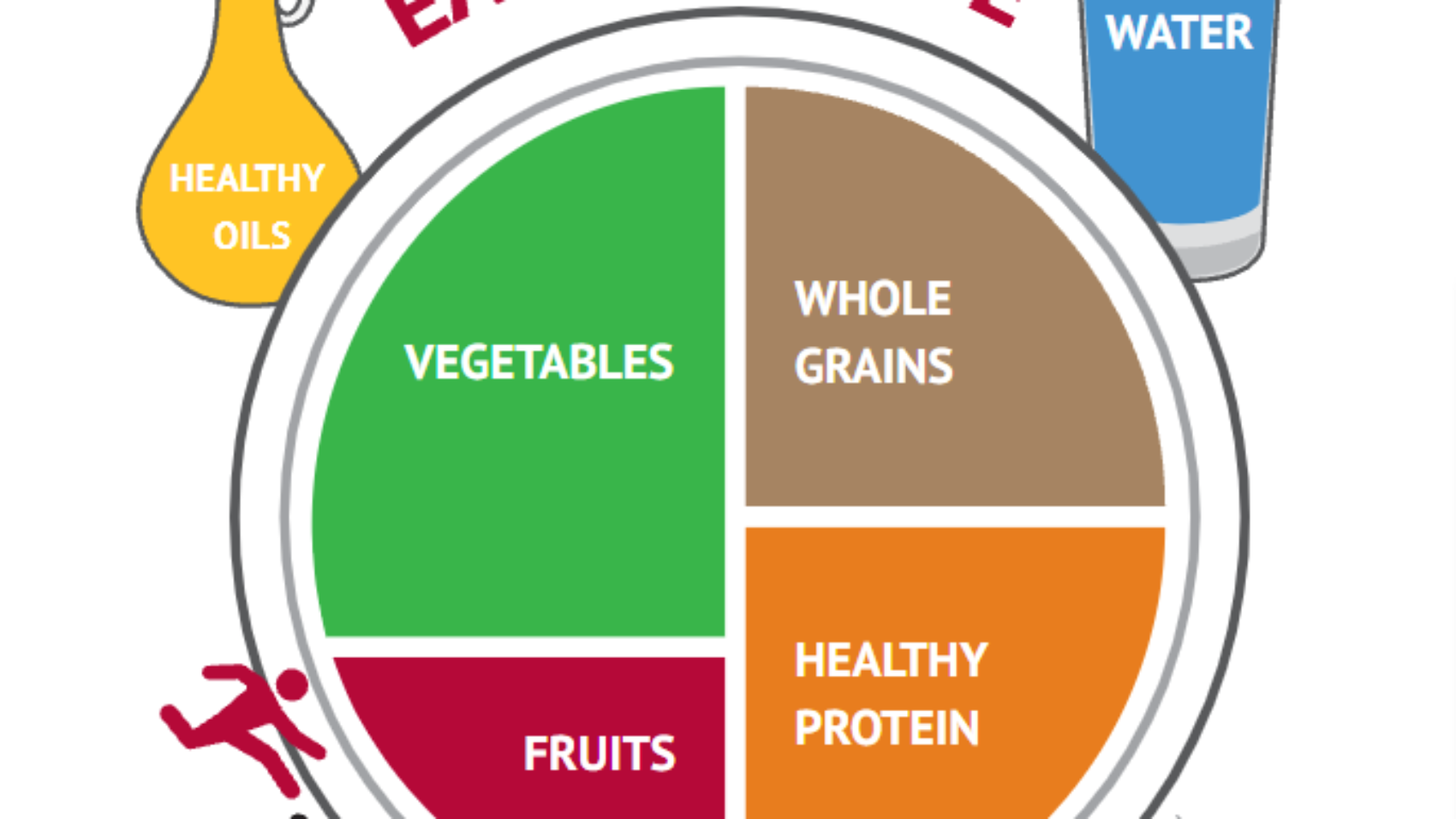
Plant-Based Health Tips

Boost Your Well-Being with These Top Plant-Based Health Tips

Boost Your Well-Being with These Top Plant-Based Health Tips


Boosting our well-being is a goal that many of us strive for, and one effective way to achieve this is by incorporating plant-based living into our daily routines. By embracing a plant-based lifestyle, we can support our health and overall well-being in a natural and sustainable way. In this article, we will explore the top plant-based health tips that can help elevate our health to new heights.

From improving our digestion to boosting our immune system, plant-based foods are packed with essential nutrients and antioxidants that can optimize our health. We will uncover the power of leafy greens, vibrant fruits, hearty legumes, and wholesome whole grains, and how they can contribute to our well-being.

Discover the benefits of replacing animal products with plant-based alternatives and learn how to create delicious and nutritious plant-based meals that will leave you feeling satisfied and energized. Whether you are a seasoned plant-based enthusiast or just starting to explore this lifestyle, these plant-based health tips will empower you to make positive changes that will enhance your overall wellness.

Join us as we embark on a journey towards vibrant health and well-being through these top plant-based health tips.

The benefits of a plant-based diet


In our quest to boost our well-being, incorporating a plant-based lifestyle into our daily routines can be a game-changer. By embracing plant-based living, we can support our health and overall well-being in a natural and sustainable way. In this article, we will explore the top plant-based health tips that can help elevate our health to new heights.

Understanding the different types of plant-based diets


A plant-based diet offers numerous benefits for our well-being. Firstly, it is rich in essential nutrients and antioxidants that can optimize our health. Plant-based foods, such as leafy greens, vibrant fruits, hearty legumes, and wholesome whole grains, are packed with vitamins, minerals, and phytochemicals that support various bodily functions. These nutrients can improve our digestion, boost our immune system, and enhance our overall vitality.

Moreover, a plant-based diet can contribute to weight management and reduce the risk of chronic diseases. By consuming a diet focused on plant-based foods, we can naturally lower our intake of saturated fats and cholesterol, leading to a healthier weight and reduced risk of conditions like heart disease, diabetes, and certain types of cancer.

The importance of nutrient balance in a plant-based diet


Plant-based diets come in various forms, and it’s essential to understand the differences. The most well-known types include vegetarian, vegan, and flexitarian diets. Vegetarians exclude meat but may include animal products such as dairy and eggs. Vegans, on the other hand, avoid all animal products, including dairy, eggs, and honey. Flexitarians primarily follow a plant-based diet but occasionally incorporate small amounts of animal products.

Choosing the right type of plant-based diet depends on personal preferences and health goals. Some individuals may find it easier to transition gradually, while others may choose to adopt a more strict plant-based lifestyle. The key is to find a balance that works best for your body and lifestyle.

Incorporating a variety of fruits and vegetables into your meals


A well-balanced plant-based diet is crucial to ensure we meet all our nutritional needs. While plant-based foods are nutrient-dense, it’s important to pay attention to specific nutrients that may be lacking in a plant-based diet. These include protein, iron, calcium, vitamin B12, and omega-3 fatty acids.

To ensure an adequate intake of protein, incorporate plant-based sources such as tofu, tempeh, legumes, and quinoa into your meals. Iron can be obtained from sources like dark leafy greens, lentils, and fortified cereals. Calcium can be found in plant-based milk alternatives, tofu, and leafy greens. Vitamin B12, which is primarily found in animal products, may require supplementation or consumption of fortified foods. Omega-3 fatty acids can be obtained from sources like flaxseeds, chia seeds, and walnuts.

Finding plant-based sources of protein


One of the key pillars of a plant-based diet is the abundance of fruits and vegetables. These colorful wonders are not only visually appealing but also provide a wide range of essential nutrients. Aim to incorporate a variety of fruits and vegetables into your meals to reap the benefits of their unique nutritional profiles.

Leafy greens, such as spinach, kale, and Swiss chard, are excellent sources of vitamins A, C, and K, as well as folate and fiber. Berries, including blueberries, strawberries, and raspberries, are packed with antioxidants that can protect against oxidative stress. Citrus fruits, such as oranges, grapefruits, and lemons, are rich in vitamin C, which supports immune function. Don’t forget about cruciferous vegetables, like broccoli, cauliflower, and Brussels sprouts, which are high in fiber and cancer-fighting compounds.

Essential vitamins and minerals for a plant-based diet


Protein is an essential macronutrient that plays a crucial role in our overall health. While animal products are commonly associated with high protein content, there are plenty of plant-based sources that can meet our protein needs. Legumes, such as lentils, chickpeas, and black beans, are excellent sources of plant-based protein. Tofu and tempeh, made from soybeans, are also great options.

Nuts and seeds, including almonds, cashews, chia seeds, and hemp seeds, are not only rich in protein but also provide healthy fats and other beneficial nutrients. Quinoa, a versatile grain, is a complete protein source, meaning it contains all essential amino acids. Including a variety of these plant-based protein sources in your diet will help ensure you meet your protein requirements.

Tips for meal planning and prepping on a plant-based diet


While a plant-based diet can provide an abundance of vitamins and minerals, there are a few nutrients that may require special attention. Vitamin B12, for instance, is primarily found in animal products, making it essential for those following a plant-based diet to ensure adequate intake through fortified foods or supplements.

Calcium is another nutrient that may need additional attention. While dairy products are commonly associated with calcium, plant-based sources such as fortified plant-based milk alternatives, tofu, and leafy greens can provide this essential mineral.

Plant-based substitutes for common animal-based ingredients


Meal planning and prepping can be incredibly helpful when following a plant-based diet. By devoting some time to plan and prepare your meals in advance, you can ensure that you have nutritious options readily available, which can help you stay on track and avoid relying on unhealthy convenience foods.

Start by creating a weekly meal plan, considering your schedule and dietary preferences. Include a variety of plant-based proteins, whole grains, fruits, and vegetables in your plan. Dedicate time each week to grocery shopping and batch cooking. Prepare large batches of grains, beans, and roasted vegetables that can be used as building blocks for multiple meals throughout the week. Portion out your meals into containers for easy grab-and-go options. Having a well-stocked pantry with plant-based staples, such as canned beans, whole grains, and spices, can also make meal preparation more convenient.

The role of exercise in a plant-based lifestyle


Transitioning to a plant-based diet doesn’t mean giving up your favorite dishes. Many animal-based ingredients can be easily substituted with plant-based alternatives without compromising on taste or texture. For example, dairy milk can be replaced with plant-based milk alternatives like almond milk, oat milk, or soy milk. Butter can be substituted with coconut oil or vegan margarine. Eggs can be replaced with mashed bananas, applesauce, or flaxseed meal mixed with water.

There are also numerous plant-based meat alternatives available in the market, such as tofu, tempeh, and seitan, which can be used as substitutes in recipes calling for meat. Experimenting with these plant-based substitutes can open up a whole new world of culinary possibilities.

In addition to a plant-based diet, regular physical activity plays a vital role in our overall well-being. Engaging in exercise can boost our energy levels, improve cardiovascular health, and enhance mental well-being. Whether it’s going for a brisk walk, taking a yoga class, or hitting the gym, finding an activity that you enjoy and can sustain long-term is key.

Consider incorporating strength training exercises to build and maintain muscle mass, which is important for overall health and metabolism. Aim for a combination of cardiovascular exercises, such as jogging or cycling, and strength training exercises, like weightlifting or bodyweight exercises. Don’t forget to warm up before each workout and cool down afterward to prevent injuries and aid in muscle recovery.


To read our latest blog click here:  How Can The Right Mindset, Nutrition And Fitness Framework Improve Your Life

Follow Us On FacebookInstagram

Brain Fog

How to Remove Brain Fog

Clearing the Haze: How to Remove Brain Fog and Boost Workplace Productivity

Do you often find yourself struggling to focus at work, feeling like your mind is wrapped in a dense fog? Brain fog can be a frustrating and productivity-draining experience, affecting professionals across various industries. But fear not! In this blog, we’ll explore the causes of brain fog and equip you with practical strategies to clear the haze, ensuring you function at your best in the workplace.

Understanding Brain Fog: Unmasking the Culprits

Brain fog is a common term used to describe cognitive issues, such as forgetfulness, lack of clarity, and difficulty concentrating. Several factors can contribute to this phenomenon, and identifying the root causes is the first step in combating it effectively. Here are some of the most common culprits:

  1. Lack of Sleep: Inadequate rest can impair cognitive function, leaving you feeling mentally fatigued and struggling to stay focused.
  2. Stress and Anxiety: High-stress levels can overwhelm your brain, affecting memory, attention, and decision-making abilities.
  3. Poor Nutrition: Unhealthy eating habits can deprive your brain of essential nutrients, impacting cognitive performance.
  4. Dehydration: Even mild dehydration can lead to brain fog, hindering cognitive function and mental clarity.
  5. Sedentary Lifestyle: Lack of physical activity can reduce blood flow to the brain, affecting its ability to function optimally.
  6. Digital Overload: Excessive screen time and information overload can overwhelm the brain, contributing to mental fatigue.

Clearing the Haze: Effective Strategies for Improved Cognitive Function

Now that we’ve unmasked the culprits, it’s time to take action and regain mental clarity. Here are practical strategies to remove brain fog and boost your productivity at work:

1. Prioritize Quality Sleep: Aim for 7-9 hours of restful sleep each night to allow your brain to recharge and function optimally.

2. Practice Stress Management: Incorporate stress-reducing techniques such as mindfulness, meditation, or deep breathing to clear mental clutter and regain focus.

3. Adopt a Brain-Boosting Diet: Include nutrient-rich foods like fruits, vegetables, whole grains, and healthy fats in your diet to support brain health.

4. Stay Hydrated: Ensure you drink enough water throughout the day to keep your brain hydrated and alert.

5. Get Moving: Regular physical activity improves blood flow to the brain, promoting mental clarity and cognitive function.

6. Limit Screen Time: Take breaks from screens, practice the 20-20-20 rule (every 20 minutes, look at something 20 feet away for 20 seconds), and create designated tech-free time to reduce digital overwhelm.

7. Organize and Prioritize: Use tools like to-do lists and calendars to organize tasks, helping you stay focused and manage workload effectively.

8. Embrace Brain-Boosting Habits: Incorporate activities like puzzles, reading, or brain games to stimulate cognitive function.

9. Stay Connected: Engage in meaningful social interactions to support emotional well-being and cognitive health.

10. Seek Professional Help: If brain fog persists, consider consulting a healthcare professional to rule out any underlying health issues.

By implementing these strategies into your daily routine, you’ll help to clear the haze of brain fog and unlock your full cognitive potential, leading to increased productivity and success in your professional life. Remember, small changes can make a significant impact on your cognitive function and overall well-being. So, let’s banish brain fog and step into a more focused and productive future at work!


Need more quick tips and health advice?

Our blogs are designed to give you the information you need quickly, without the waffle. So if you are looking for further health tips look no further than our health blog

Looking for plant-based recipes?

There are tonnes of plant-based recipes for you to try at www.yourplantbasedhealth.com 

New Medical Studies Provide Insights Into Risk Factors for Disease and Longevity

New Medical Studies Provide Insights Into Risk Factors for Disease and Longevity

New Medical Studies Provide Insights Into Risk Factors for Disease and Longevity

A major study from the Cleveland Clinic demonstrated that the gut-derived metabolite TMAO (trimethylamine N-oxide), which is produced by the gut microbiota in response to the consumption of certain dietary components, such as egg yolks and red meat, is associated with a higher risk of an abdominal aortic aneurysm (AAA).

AAA is a bulge in the wall of the aorta, the main artery that carries blood from the heart to the rest of the body. AAAs can rupture, which can be fatal. The study, which was published in the journal Nature Medicine, found that people with the highest levels of TMAO were more than twice as likely to develop an AAA as those with the lowest levels.

The researchers also found that TMAO caused AAAs in mice. The study’s findings suggest that reducing TMAO levels could help to prevent AAAs. This could be done by eating less red meat and egg yolks, or by taking supplements that contain probiotics, which are live bacteria that can help to improve gut health.

Another study, which was published in the journal Hypertension, found that using ambulatory and nighttime blood pressure is the most predictive of adverse outcomes for hypertension. Ambulatory blood pressure is measured over a 24-hour period, while nighttime blood pressure is measured during sleep. The study, which included data from over 1,000 people, found that people with higher ambulatory and nighttime blood pressure were more likely to experience heart attacks, strokes, and other cardiovascular events.

The researchers also found that people with higher ambulatory and nighttime blood pressure were more likely to die from any cause. The study’s findings suggest that doctors should focus on controlling ambulatory and nighttime blood pressure in people with hypertension. This could be done by using medications, making lifestyle changes, or both.

A detailed animal study also states that taurine may be good for longevity. Taurine is an amino acid that is found in high concentrations in the heart, brain, and muscles. It is also found in some foods, such as seafood, meat, and dairy products. The study, which was published in the journal Nature Medicine, found that taurine supplementation increased lifespan in mice. The researchers also found that taurine protected against age-related diseases, such as heart disease and stroke. The study’s findings suggest that taurine may be a potential way to improve longevity in humans. However, more research is needed to confirm these findings. In addition to the studies mentioned above, other recent medical studies have found that:

Exercise can lower diabetes risk. A study published in the journal Diabetes Care found that people who exercised for at least 150 minutes per week had a lower risk of developing type 2 diabetes than those who did not exercise.

Both the plant-based diet and the Mediterranean diet are linked to increased longevity. A study published in the journal Annals of Internal Medicine found that people who followed a Mediterranean diet had a lower risk of death from all causes than those who did not follow the diet.

The power of community—even in lower-income households—is strong. A study published in the journal PLOS One found that people who had strong social ties were more likely to live longer than those who did not have strong social ties.

Oral oestrogen may lead to higher blood pressure in women. A study published in the journal Hypertension found that women who took oral oestrogen had a higher risk of developing high blood pressure than women who did not take oral oestrogen.

These are just a few of the many recent medical studies that have been published. By staying up-to-date on the latest research, you can make informed decisions about your health.

If you’d like to embark on your health journey and need some support and guidance book your free strategy call.

To find out more about the research being carried out at the Cleveland Clinic go to their website and browse the many articles in their health library.

Exercise for a Healthy Pregnancy

The Power of Movement: Embracing Exercise for a Healthy Pregnancy

Why Pregnant Women Should Exercise and Move More


Pregnancy is a time of great change for a woman’s body. As her baby grows, her body will need to adapt to accommodate the extra weight and demands of pregnancy. Exercise can help a woman’s body to adapt to these changes and can also have many other benefits for both her and her baby.

Here are some of the benefits of exercise during pregnancy:

Improved physical fitness

Exercise can help a woman to maintain her strength and endurance during pregnancy. This can make it easier for her to cope with the physical demands of pregnancy, such as carrying extra weight and walking long distances.

Reduced risk of complications

Exercise can help to reduce the risk of pregnancy complications, such as gestational diabetes, preeclampsia, and preterm labour.

Improved mood

Exercise can help to improve a woman’s mood and reduce stress levels. This can be especially helpful during the second and third trimesters of pregnancy when women are more likely to experience fatigue and anxiety.

Improved sleep

Exercise can help to improve a woman’s sleep quality. This is important during pregnancy, as women often experience sleep disturbances due to their changing hormones and growing baby.

Weight gain management

Exercise can help a woman to manage her weight gain during pregnancy. This is important, as excessive weight gain can increase the risk of complications for both the mother and the baby.

How much exercise is enough?

The Centers for Disease Control and Prevention (CDC) recommends that pregnant women get at least 150 minutes of moderate-intensity aerobic activity or 75 minutes of vigorous-intensity aerobic activity each week. They also recommend that pregnant women do muscle-strengthening activities that work all major muscle groups (legs, hips, back, abdomen, chest, shoulders, and arms) on two or more days a week.

What types of exercise are safe during pregnancy?

Most types of exercise are safe for pregnant women. However, it is important to avoid activities that involve high-impact or jarring movements, such as running, jumping, and downhill skiing. It is also important to avoid activities that involve lying on your back after the first trimester, as this can put pressure on the vena cava, a major vein that carries blood back to the heart.

What should I do if I have any concerns about exercising during pregnancy?

If you have any concerns about exercising during pregnancy, talk to your doctor. They can help you to create an exercise plan that is safe and appropriate for your individual needs.

Here are some additional tips for exercising safely during pregnancy

1. Start slowly and gradually increase the intensity and duration of your workouts over time.
2. Listen to your body and stop if you feel pain or discomfort.
3. Stay hydrated by drinking plenty of fluids before, during, and after your workout.
4. Wear comfortable clothing and shoes that provide good support.
5. Choose activities that you enjoy and that are appropriate for your fitness level.
6. Be sure to cool down after your workout by walking or stretching for a few minutes.

By following these tips, you can safely enjoy the many benefits of exercise during pregnancy.


For healthy plant-based recipes check out our sister website yourplantbasedhealth.com

For more articles on health, fitness, nutrition, and wellness check out our other blog articles.

Dr Greger and evidence based nutrition

Evidence-Based Nutrition What We Can Learn From Dr. Greger

As a vegan health coach, I am always looking for credible sources of information on plant-based nutrition and its impact on health. Dr. Michael Greger, the founder of NutritionFacts.org, is one of the people I respect the most on the planet for his tireless efforts to promote evidence-based nutrition and its potential to save the world. Dr. Greger’s commitment to unbiased, science-based information and his dedication to sharing that information with the public has had a profound impact on the way people think about food and its impact on health. His work has inspired millions of people around the world to adopt healthier diets and lifestyles, and his efforts have helped to bring about real change in the fight against chronic diseases and climate change.

More About Dr. Greger

Dr. Michael Greger is a physician, author, and internationally recognized speaker on nutrition, food safety, and public health issues. He is the founder of NutritionFacts.org, a non-profit website dedicated to providing evidence-based nutrition information. Dr. Greger is also the author of the New York Times bestseller, “How Not to Die,” which has sold over two million copies worldwide.

NutritionFacts.org is an incredible resource for anyone looking to learn more about nutrition and its impact on health. The website provides free access to thousands of videos, articles, and research summaries that are all based on the latest scientific research. Dr. Greger and his team of researchers review and analyze the latest studies from around the world and present the findings in an easy-to-understand format.

Why nutritionfacts.org is my go-to for information

One of the most impressive aspects of NutritionFacts.org is its commitment to unbiased, evidence-based information. The website is free of ads and sponsors, which means that Dr. Greger and his team are not influenced by any outside interests. Instead, they focus solely on providing the most up-to-date and accurate information possible.

The information on NutritionFacts.org covers a wide range of topics, from the health benefits of various foods to the risks associated with certain dietary choices. You can find information on how to prevent and reverse chronic diseases such as heart disease, diabetes, and cancer, as well as tips for maintaining a healthy weight and improving overall well-being.

The videos on NutritionFacts.org are particularly engaging and informative. They are typically short and to the point, making them easy to digest (pun intended!). Each video covers a specific topic and presents the latest research in an engaging and accessible way. Dr. Greger’s presentation style is engaging, and his sense of humor makes the videos enjoyable to watch.

Another great feature of NutritionFacts.org is the Daily Dozen app. This app is a free tool that can help you track the foods you eat and ensure that you are getting all of the essential nutrients your body needs. The app provides a list of 12 foods that you should aim to eat every day, such as berries, cruciferous vegetables, and whole grains. By tracking your intake of these foods, you can ensure that you are getting the nutrients you need to maintain optimal health. You can download this app on your phone from the app store.

Dr. Greger and NutritionFacts.org are incredible resources for anyone looking to improve their health through nutrition. The website provides evidence-based information that is free of outside influence, making it a reliable source of information. With thousands of videos, articles, recipes, and research summaries, there is no shortage of information to help you on your journey to better health, there is even a plant-based living series to help get you started on your plant-based journey.

If you’re looking to improve your health and well-being with evidence-based nutrition, I’m here to help. As a vegan health coach, I offer personalised coaching to help you achieve your health goals. Whether you’re looking to lose weight, manage a chronic condition, or simply improve your overall health, I can provide you with the guidance and support you need. Book a strategy call with me today to learn more about how I can help you on your journey to better health. Let’s work together to create a healthier, happier you.

Autoimmune disease - how food can reduce the symptoms - Harvard food plate

How Does Diet Affect Autoimmune Diseases?

Autoimmune diseases are a group of disorders that affect millions of people worldwide. These diseases occur when the immune system mistakenly attacks healthy cells and tissues in the body. Some of the most common autoimmune diseases include rheumatoid arthritis, lupus, and multiple sclerosis. If you or someone you know is living with an autoimmune disease, it’s essential to understand the risk factors associated with their development.

In this blog post, we will look into the various factors that can increase your risk of developing an autoimmune disease. We’ll also discuss the role of diet in autoimmune diseases and how consuming anti-inflammatory foods and following a plant-based diet can help reduce autoimmune disease symptoms. Furthermore, we will explore the impact of gut dysbiosis on autoimmune health and how maintaining a healthy gut microbiome is essential for good autoimmune health. By the end of this blog post, you’ll have a better understanding of how to manage autoimmune diseases through diet and lifestyle changes.

Autoimmune Diseases Risk Factors: Understanding the Causes

Autoimmune diseases affect millions of people worldwide, and whilst their exact causes are still unknown, researchers have identified several risk factors associated with their development. Genetics plays a significant role in autoimmune diseases, with family history being a common factor. Women are also at higher risk, making up 78% of those affected by autoimmune diseases. Having another autoimmune disease can increase the likelihood of developing multiple autoimmune syndromes, which leads to the accumulation of three or more autoimmune conditions. Certain viruses and medications can also trigger the development of autoimmune diseases, whilst smoking, and obesity are also linked to the increased risk of such diseases.

Diet and Autoimmune Diseases: A Significant Connection

Your diet can also play a critical role in autoimmune disease development, with the immune system being directly affected by the food you eat. Two-thirds of your immune system is located in the gut, and maintaining a healthy gut microbiome is crucial for good autoimmune health. Gut dysbiosis, which is an imbalance in the gut microbiome, has been closely associated with multiple autoimmune diseases. Eating anti-inflammatory foods and following a plant-based diet can help to reduce autoimmune disease symptoms, such as fatigue. Research shows that a vegan diet rich in fruits, vegetables, and whole grains can reduce inflammation and improve autoimmune disease symptoms. On the other hand, ultra-processed foods can promote gut dysbiosis, leading to an increased risk of autoimmune diseases like Type 1 diabetes and celiac disease.

What plant-based foods can reduce the symptoms of autoimmune disorders?

A plant-based diet can be beneficial in reducing the symptoms of autoimmune disorders and improving overall autoimmune health. Here are some plant-based foods that are known for their anti-inflammatory properties and can help reduce the risk of autoimmune disorders:

  1. Fruits and vegetables: These are rich in vitamins, minerals, and antioxidants that help boost the immune system and reduce inflammation. Berries, citrus fruits, leafy greens, and cruciferous vegetables like broccoli and cauliflower are excellent choices.
  2. Whole grains: Whole grains like brown rice, quinoa, and whole wheat are high in fiber and can help promote a healthy gut microbiome, which is crucial for good autoimmune health.
  3. Legumes: Beans, lentils, and chickpeas are high in protein, fibre, and other nutrients that can help reduce inflammation and improve overall health.
  4. Nuts and seeds: These are rich in healthy fats, protein, and other nutrients that can help improve autoimmune health. Examples include almonds, walnuts, chia seeds, and flaxseeds.
  5. Spices and herbs: Turmeric, ginger, garlic, and cinnamon are just a few examples of spices and herbs that have anti-inflammatory properties and can help reduce the risk of autoimmune disorders.

Incorporating plant-based whole foods into your diet can help to reduce inflammation and promote a healthy gut microbiome, which is crucial for good autoimmune health. It’s essential to speak with a healthcare professional before making any significant changes to your diet to ensure that you’re meeting your nutritional needs.

For more quality information on Nutritional Medicine and associated research, you can go to nutritionalfacts.org  where Dr. Greger lays out all the facts clearly so you can make the right decision for you.

If you need help starting on your plant-based journey to reduce the symptoms of autoimmune disorders book your FREE strategy call today so we can start helping you get on top of your health.

vegan recipe book

The Ultimate Vegan Recipe Book: 100+ Delicious Plant-Based Meals

The Ultimate Vegan Recipe Book: Savour 100+ Scrumptious Plant-Based Creations!

Are you looking for tasty and healthy vegan recipes to add to your meal rotation? Look no further than The Ultimate Vegan Recipe Book! With over 100 plant-based recipes, you’ll have plenty of options to choose from for breakfast, lunch, dinner, and snacks. Whether you’re a seasoned vegan or just starting out, this recipe book is sure to inspire you to try new and delicious plant-based meals.

Introduction to veganism and its benefits.

Veganism is a lifestyle that involves avoiding the use of animal products for food, clothing, or any other purpose. Many people choose to adopt a vegan lifestyle for ethical, environmental, or health reasons. Plant-based diets have been shown to reduce the risk of chronic diseases such as heart disease, diabetes, and certain types of cancer. Additionally, veganism can have a positive impact on the environment by reducing greenhouse gas emissions and preserving natural resources.

Breakfast recipes, including smoothies, pancakes, and tofu scrambles.

Start your day off right with these delicious and nutritious vegan breakfast recipes! From fruity smoothies to fluffy pancakes and savory tofu scrambles, there’s something for everyone in The Ultimate Vegan Recipe Book. Try the blueberry banana smoothie for a refreshing and energising start to your morning, or whip up some fluffy vegan pancakes topped with fresh fruit and maple syrup. And for a protein-packed breakfast option, try the tofu scramble with veggies and spices for a savoury and satisfying meal.

Lunch and dinner recipes, including soups, salads, pasta dishes, and stir-fries.

The Ultimate Vegan Recipe Book has got you covered for all your plant-based meal needs, including lunch and dinner recipes. From hearty soups and salads to comforting pasta dishes and flavourful stir-fries, there’s something for every taste preference. Try the lentil and vegetable soup for a warm and filling lunch, or the quinoa and black bean salad for a refreshing and protein-packed meal. And for a satisfying dinner option, try the mushroom and spinach pasta or the spicy tofu stir-fry. With over 100 recipes to choose from, you’ll never run out of delicious vegan meal ideas.

Snacks and appetisers, including dips, spreads, and vegan cheese.

The Ultimate Vegan Recipe Book isn’t just for main meals – it also includes a variety of tasty snacks and appetisers. Impress your guests with homemade dips and spreads like hummus, guacamole, and cashew cheese. Or try making your own vegan cheese using nuts and nutritional yeast. For a healthier snack option, try roasted chickpeas or kale chips. With so many delicious options, you’ll never have to resort to boring snacks again.

Desserts, including cakes, cookies, and ice cream.

The Ultimate Vegan Recipe Book doesn’t just stop at main meals and snacks – it also includes a variety of mouth-watering desserts. Indulge in sweet treats like chocolate cake, peanut butter cookies, and even vegan ice cream. Impress your friends and family with your baking skills while still sticking to your plant-based diet. With over 100 recipes to choose from, you’ll never run out of dessert ideas.

Wondering what the title of the ultimate vegan recipe book is? Look no further than The How Not to Diet Cookbook: Over 100 Recipes for Healthy, Permanent Weight Loss. This is the Ultimate Vegan Recipe Book your one-stop resource for discovering an array of delicious and nutritious plant-based meals. With over 100 recipes ranging from breakfast to dinner, and even snacks and appetisers, you’ll have endless options to explore and enjoy. Whether you’re a seasoned vegan or just embarking on your plant-based journey, this recipe book will inspire you to create delightful and wholesome meals that will not only satisfy your taste buds but also contribute to a healthier lifestyle and a more sustainable world. 

Ready to embark on a journey to better health without the stress of mastering nutrition basics? Our sister website has you covered with an array of scrumptious plant-based recipes to support your goals, be it weight loss, better digestion, or a healthier lifestyle overall.

Don’t wait another day to begin your path to optimal health and happiness. Explore our coaching programs and schedule your FREE strategy call now to kick off a life full of energy, well-being, and satisfaction. Act today and embrace the power of plant-based living!

Vegan challenge

7-Day Vegan Challenge: Kickstart Your Plant-Based Journey with Our Beginner’s Guide

7-Day Vegan Challenge: A Beginner’s Guide to Plant-Based Eating

Have you ever considered adopting a plant-based diet but weren’t sure where to start? Or maybe you’re curious about the benefits of a vegan lifestyle but feel overwhelmed by the thought of giving up animal products. If this sounds like you, then a 7-day vegan challenge might be just what you need.

A vegan challenge can be a great way to dip your toes into the world of plant-based eating and experience the benefits of a vegan lifestyle firsthand. In this blog post, we’ll explore the reasons why you should try a 7-day vegan challenge and provide you with tips on how to make the transition to a plant-based diet as smooth and enjoyable as possible. Whether you’re looking to improve your health, reduce your carbon footprint, or simply try something new, a 7-day vegan challenge can be a life-changing experience. So, are you ready to take the plunge and try a vegan challenge? Let’s get started!

Plan your meals and snacks ahead of time.

One of the keys to success in the 7-day vegan challenge is to plan your meals and snacks ahead of time. This will help you stay on track and avoid the temptation to reach for non-vegan options when you’re hungry and in a rush. Take some time at the beginning of the week to plan out your meals and make a grocery list. You can also prep some meals and snacks in advance to make things easier throughout the week.

Stock up on plant-based proteins and healthy fats.

When transitioning to a vegan diet, it’s important to make sure you’re getting enough protein and healthy fats to support your body’s needs. Some great sources of plant-based protein include beans, lentils, tofu, tempeh, quinoa, nuts, and seeds. For healthy fats, try incorporating avocado, nuts, seeds, and olive oil into your meals. Don’t be afraid to experiment with new recipes and ingredients to find what works best for you.

Experiment with new recipes and flavours.

One of the most exciting parts of trying a plant-based diet is discovering new flavors and recipes. Don’t be afraid to experiment with different spices, herbs, and sauces to add flavor to your meals. Try new vegetables and fruits that you may not have tried before, such as jackfruit, eggplant, or papaya. You may be surprised at how delicious and satisfying plant-based meals can be. And if you’re not sure where to start, there are plenty of vegan cookbooks and online resources to help inspire you.

Don’t forget about essential nutrients like iron and B12.

While a plant-based diet can provide many health benefits, it’s important to make sure you’re getting all the essential nutrients your body needs. Iron and vitamin B12 are two nutrients that can be more challenging to get enough of on a vegan diet. To ensure you’re meeting your needs, consider incorporating iron-rich foods like leafy greens, beans, and fortified cereals, and taking a B12 supplement or eating fortified foods like plant milks or nutritional yeast. Consulting with a registered dietitian can also help ensure you’re meeting all your nutrient needs on a vegan diet.

Stay hydrated and listen to your body’s hunger cues.

When embarking on a plant-based diet, it’s important to stay hydrated and listen to your body’s hunger cues. Aim to drink at least 8 glasses of water a day and consider incorporating hydrating foods like watermelon, cucumber, and celery into your meals. It’s also important to listen to your body’s hunger cues and eat when you’re hungry, rather than restricting calories or following strict meal plans. Pay attention to how your body feels after meals and adjust your food choices accordingly.

The 7-day vegan challenge offers a fantastic opportunity to explore plant-based eating and discover the exciting flavors and benefits that come with it. By planning meals ahead, incorporating plant-based proteins and healthy fats, experimenting with new recipes, and ensuring you’re getting essential nutrients, you’ll set yourself up for success. Staying hydrated and being in tune with your body’s hunger cues will also help you feel your best throughout the challenge. Embrace this week-long journey as a chance to expand your culinary horizons, learn more about veganism, and potentially pave the way for a healthier, more sustainable lifestyle. Remember, this challenge is just the beginning – let it inspire you to continue exploring plant-based eating and all it has to offer.

Ready to embark on a journey to better health without the stress of mastering nutrition basics? Our sister website has you covered with an array of scrumptious plant-based recipes to support your goals, be it weight loss, better digestion, or a healthier lifestyle overall.

Don’t wait another day to begin your path to optimal health and happiness. Explore our coaching programs and schedule your FREE strategy call now to kick off a life full of energy, well-being, and satisfaction. Act today and embrace the power of plant-based living!

Plant-based wellness and health. Discover the benefits of a plant-based diet for your wellness and health. Explore expert tips, recipes, and more to help you on your journey to a healthier you.

Plant-based wellness and health tips

As someone who has been a vegetarian for over 20 years and now a vegan, I have experienced numerous health benefits from a plant-based diet. From increased energy levels to improved digestion, the benefits of a plant-based diet are truly remarkable. If you’re looking to improve your health and well-being or simply want to feel better about yourself, then you’re in the right place. In this blog post, I’ll be sharing some of the top plant-based health tips that have helped me on my journey to better health. So, sit back, relax, and keep reading to learn how you can improve your health with a plant-based diet.

Plant-based diets are great for your health.

Here are four reasons why plant-based diets are good for you:

  • Plant-based diets are great for your health.
  • Plant-based diets can help you lose weight.
  • Plant-based diets can help you lower your cholesterol levels.
  • Plant-based diets can help you lower your blood pressure and decrease other risk factors for heart disease, like inflammation in the body or high blood sugar levels.

The benefits are numerous, such as a reduced risk of diabetes, heart disease, high blood pressure, and stroke. Here are some of the added benefits of bein on a plant-based diet.

  • Plant-based diets are associated with a reduced risk of diabetes, heart disease, high blood pressure, and stroke.
  • Plant-based diets are also associated with a lower body mass index (BMI) and lower cholesterol levels.
  • Plant-based diets are associated with a lower risk of cancer

Cut out or cut down your meat and dairy intake

There are many more reasons why you should switch to a plant-based diet and if you eat meat and dairy and you are exhibiting health issues, you should cut down on it as soon as possible. Most people do not see the connection between poor diet and poor health.

If you’re not already a vegetarian or vegan, eating less meat is a good idea. Meat is high in calories and saturated fat, which can increase the risk of heart disease and certain cancers. Reducing your intake will help keep your weight down and reduce the risk of other health problems like diabetes or high blood pressure.

A plant-based diet may help lower your cholesterol levels.

  • A plant-based diet is rich in fiber, which helps lower cholesterol.
  • A plant-based diet is rich in antioxidants, which helps lower cholesterol.
  • A plant-based diet is rich in phytochemicals (plant compounds), which also help lower cholesterol levels

Plant-based diets have been shown to be effective in reducing the levels of LDL cholesterol, commonly referred to as “bad” cholesterol, in the body. Studies have found that people who consume a diet rich in fruits, vegetables, whole grains, legumes, and nuts are at a lower risk of developing heart disease, which is often caused by the buildup of LDL cholesterol in the arteries. This is because plant-based foods are generally low in saturated fat and high in fiber, which can help to lower cholesterol levels. In fact, some studies have shown that a plant-based diet can be just as effective as medications in reducing LDL cholesterol levels. Additionally, plant-based diets are also associated with numerous other health benefits, such as reducing the risk of diabetes, obesity, and certain types of cancer.

You’ll feel better about yourself if you give up meat and dairy.

It’s easy to feel good about yourself when you eat healthy.

Giving up meat and dairy can have positive effects on your overall health and well-being, which can lead to feeling better about yourself. By adopting a plant-based diet, your body may experience weight loss and increased energy levels, resulting in a sense of accomplishment and pride. Making the decision to eat a plant-based diet can also bring a feeling of purpose and ethical alignment with your values, which can contribute to a positive self-image.

Meat can increase the risk of heart disease and certain cancers.

If you’re a meat eater, red meat is your main source of iron. While this mineral can be beneficial to your body, it can also increase your risk for heart disease and certain cancers if not consumed in moderation. Red meat contains high levels of saturated fat and cholesterol both of which are known contributors to these diseases. Additionally, eating too much red meat may cause weight gain or obesity over time because it’s high in calories (about 200-300 calories per 3 ounces).

There are many types of plant-based proteins, including beans, nuts, and whole grains.

There are many types of plant-based proteins, including beans, nuts, and whole grains. Beans are a good source of protein because they contain all nine essential amino acids that your body needs to function properly. Peas and beans also have vitamin C, which helps boost your immune system; nuts provide vitamin E and minerals like magnesium; whole grains contain fiber as well as B vitamins that help decrease cholesterol levels in the bloodstream.

Grains, legumes, and vegetables are low in fat and calories compared to meats.

Grains, legumes, and vegetables are low in fat and calories compared to meats. They are also high in fiber, which can help you feel fuller longer. In addition to being low-calorie foods, grains, legumes, and vegetables contain many nutrients that your body needs for good health:

Some research shows that eating whole foods is more beneficial than processed foods for overall health and disease prevention – including cancer reduction and anti-aging benefits.

Vegetables have antioxidant properties that help fight diseases in our bodies and prevent cell damage by removing free radicals that cause oxidative stress in our cells.

Plant-based diets are good for your health and help to reduce oxidative stress. Studies have shown that eating whole foods is more beneficial than processed foods for overall health and disease prevention including aiding in the prevention of cancers and can also help in the reduction of the aging process and have anti-aging benefits. Vegetables have antioxidant properties that help fight diseases in our bodies and prevent cell damage by removing free radicals that cause oxidative stress in our cells.

Some research shows that plant-based diets can lower cholesterol levels, and blood pressure and reduce the risk of heart disease or even cancer!

At the end of the day, it’s your choice. But if you’re looking for a way to improve your health and feel better about yourself, consider giving up meat and dairy, and of course processed food, and swap them out for a tasty, and interesting whole foods plant-based diet. You don’t have to go all in at once – just start with one day each week and progress from there.

Are you struggling to get on track with your health goals? Our sister website offers a variety of delicious plant-based recipes that will help you achieve your desired health outcomes. Whether you’re looking to lose weight, improve your digestion, or simply lead a healthier lifestyle, we have something for everyone.

Start your journey towards optimal health and happiness today with one of our coaching programs. Book your FREE strategy call today and start living the life you want to live.

How to get rid of bloating naturally

How to get rid of bloating naturally

Bloating, also known as gastric distension, is the feeling of fullness and tightness in the abdomen. It can be caused by eating too much or by an underlying medical condition. If you suffer from bloating frequently or just want to avoid it completely, here’s how to make some simple dietary changes that will help:

Get rid of bloating with a plant-based diet

If you’re looking to get rid of bloating, a plant-based diet may be the answer. A study published in the Journal of Nutrition shows that people who eat more fruits and vegetables have lower levels of abdominal fat, which can cause water retention.

Another benefit? A plant-based diet tends to be high in fiber–and fiber helps prevent constipation (a major cause of bloating). Plus, it’s easy on the environment compared with factory farming operations that produce meat products like beef or chicken.

Eat more fiber and less processed food.

  • Eat more fiber and less processed food. Fiber helps with digestion, which means it can also help to prevent bloating. Processed foods are high in salt, fat and sugar and low in fiber. So if you want to get rid of bloating naturally, eat more whole grains (such as oats), fresh fruits, and vegetables instead of processed ones like chips or cookies.

Drink more water.

  • Drink more water.

Water helps to flush out toxins, regulate the body temperature and keep you hydrated. It also keeps your skin healthy and glowing, muscles strong and healthy as well as joints moving smoothly.

Improve your digestion with probiotics.

Probiotics are friendly bacteria that can help improve digestion. They’re found in fermented foods like yogurt, kefir, kombucha, and other fermented foods.

Probiotics also improve the health of your gastrointestinal tract by boosting immunity and reducing inflammation in your gut (which may be causing you to bloat).

Eat whole grains instead of refined grains.

There are two types of grains: whole and refined. Whole grains are high in fiber, which can help reduce bloating. Refined grains have been processed to remove the bran and germ the parts that contain most of the nutrients found in whole grains. Instead, they’re higher in sugar and starch than whole grains, which can cause you to feel bloated if you eat too much of them.

Prioritize plant-based protein sources.

Prioritize plant-based protein sources.

Protein is essential for building muscle and other bodily functions, so it’s important to get enough in your diet. But if you’re trying to avoid meat and dairy products (for example), where can you find the necessary amount of protein? The answer is simple: plants!

Plant-based foods like nuts, seeds, and legumes contain all nine essential amino acids the building blocks of protein without any cholesterol or saturated fat. In addition to being healthier than animal products, these foods are often more sustainable as well because they require less land space for farming than raising animals does; many local farmers even grow their own crops specifically for consumption by humans rather than livestock. Finally, many plant sources are also cheaper than meat when bought from supermarkets or grocery stores; however, this may vary depending on where exactly one lives in relation to farms producing these crops locally.

Include anti-inflammatory foods in your diet.

In order to get rid of bloating, you must first identify the foods that cause inflammation. Inflammation occurs when the body’s immune system releases chemicals that fight off infections and heal damaged tissues. However, if these chemicals are activated too often or at inappropriate times (such as in response to normal digestive processes), they can damage your internal organs and cause chronic diseases like heart disease, diabetes, and cancer.

To avoid this damage from occurring in your digestive tract and thus causing bloating it’s important to eat foods that contain anti-inflammatory properties instead of pro-inflammatory ones. Anti-inflammatory foods include:

  • Lean protein sources such as tofu; legumes such as beans or lentils; nuts like walnuts or almonds (but not peanuts); seeds like flaxseed oil.
  • Consume natural sugars that aren’t refined and don’t spike blood sugar levels. Choose vegetables, fruits, and legumes over sweeteners like brown rice syrup and agave nectar when you need a little sweetness in your sweets or desserts.

When you’re looking for a healthy snack or dessert, reach for whole foods not processed ones.

Whole foods are more filling than their refined counterparts and tend to have more nutrients. They also contain fiber, which helps you stay full longer by slowing down digestion so the body doesn’t absorb all of the calories at once. Finally, whole foods are higher in water content than their processed counterparts (such as cookies) and therefore don’t cause bloating as much as sugary sweets would because they don’t cause blood sugar levels to spike as much either!

A plant-based diet can help you get rid of bloating naturally

You can try a plant-based diet to help you get rid of bloating naturally. A plant-based diet is one that relies on whole grains and legumes, fruits, vegetables, nuts, and seeds as its main sources of food. It also focuses on avoiding processed foods such as refined sugar or white bread products.

This type of eating plan has many benefits including lowering your risk for heart disease and Type 2 diabetes by reducing inflammation in the body. In addition to these health benefits, it can also help reduce bloating!

If you’re looking for ways to reduce bloating naturally without resorting to medications or surgery there are several foods that may help out.

In particular, a plant-based diet rich in fruits, vegetables, whole grains, and legumes has been shown to be effective in reducing bloating and improving digestion. These foods are high in fiber and nutrients, which can help regulate bowel movements and promote a healthy gut microbiome. Additionally, avoiding processed and high-fat foods can also help reduce bloating. By incorporating more plant-based foods into your diet, you can naturally alleviate bloating and promote overall health and well-being.

If you’re looking for a way to get rid of bloating naturally, it’s worth trying a plant-based diet. It’s been shown that this type of eating pattern can help people lose weight and lower blood pressure and cholesterol levels which means less risk for heart disease and stroke. And since plant-based foods are also low in saturated fat and rich in fiber (which helps keep everything moving smoothly through your digestive tract), they’re an excellent choice if you want an overall healthier body!

Need to improve your diet? Here are a tonne of plant-based recipes for you to be getting on with. When you hire us to work with you we will create meal plans and recipe cards suited to your goals and lifestyle.

Need help getting on track and staying on track? Book your FREE strategy call today