
Autoimmune diseases are a group of disorders that affect millions of people worldwide. These diseases occur when the immune system mistakenly attacks healthy cells and tissues in the body. Some of the most common autoimmune diseases include rheumatoid arthritis, lupus, and multiple sclerosis. If you or someone you know is living with an autoimmune disease, it’s essential to understand the risk factors associated with their development.
In this blog post, we will look into the various factors that can increase your risk of developing an autoimmune disease. We’ll also discuss the role of diet in autoimmune diseases and how consuming anti-inflammatory foods and following a plant-based diet can help reduce autoimmune disease symptoms. Furthermore, we will explore the impact of gut dysbiosis on autoimmune health and how maintaining a healthy gut microbiome is essential for good autoimmune health. By the end of this blog post, you’ll have a better understanding of how to manage autoimmune diseases through diet and lifestyle changes.
Autoimmune Diseases Risk Factors: Understanding the Causes
Autoimmune diseases affect millions of people worldwide, and whilst their exact causes are still unknown, researchers have identified several risk factors associated with their development. Genetics plays a significant role in autoimmune diseases, with family history being a common factor. Women are also at higher risk, making up 78% of those affected by autoimmune diseases. Having another autoimmune disease can increase the likelihood of developing multiple autoimmune syndromes, which leads to the accumulation of three or more autoimmune conditions. Certain viruses and medications can also trigger the development of autoimmune diseases, whilst smoking, and obesity are also linked to the increased risk of such diseases.
Diet and Autoimmune Diseases: A Significant Connection
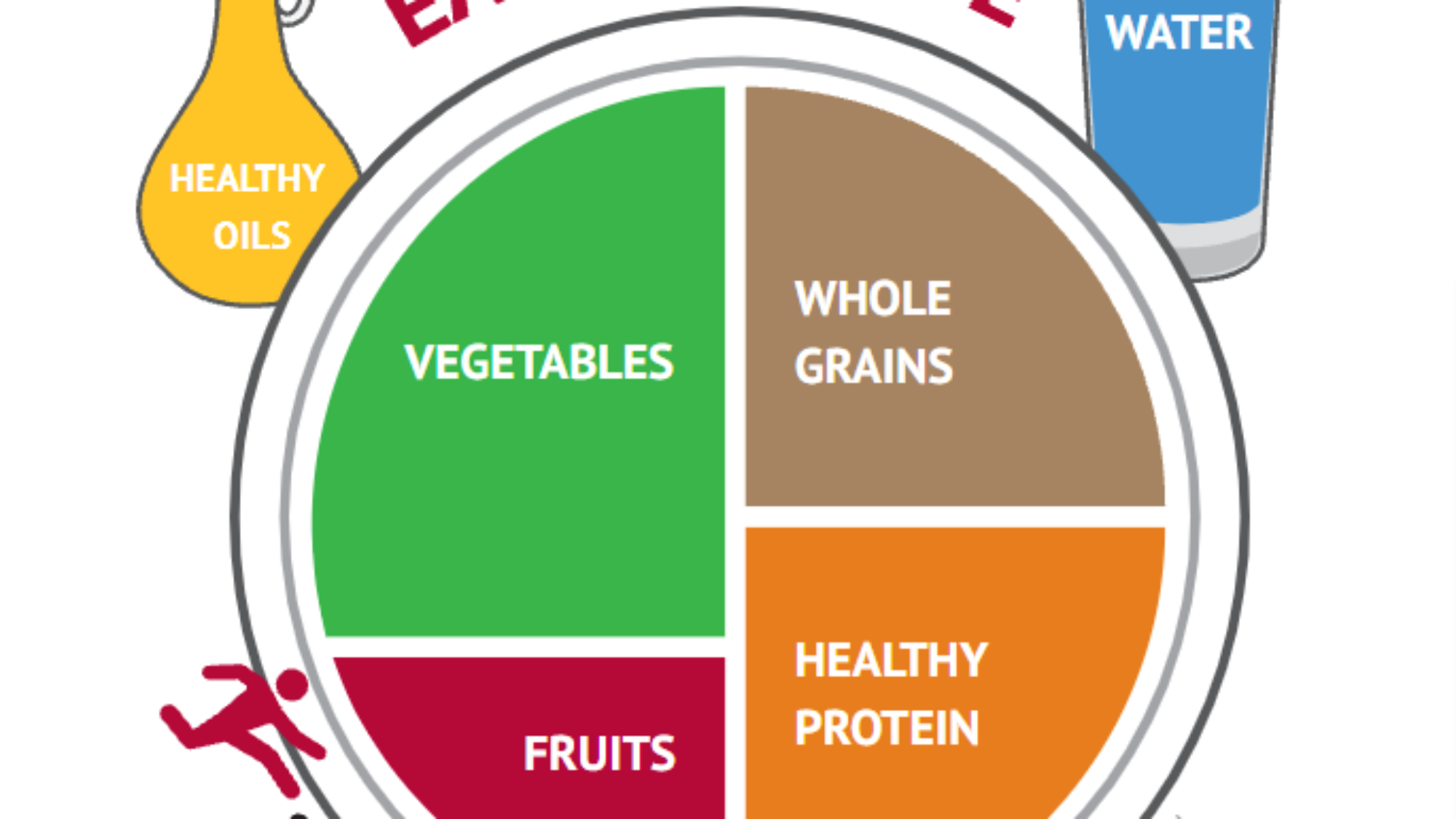
Your diet can also play a critical role in autoimmune disease development, with the immune system being directly affected by the food you eat. Two-thirds of your immune system is located in the gut, and maintaining a healthy gut microbiome is crucial for good autoimmune health. Gut dysbiosis, which is an imbalance in the gut microbiome, has been closely associated with multiple autoimmune diseases. Eating anti-inflammatory foods and following a plant-based diet can help to reduce autoimmune disease symptoms, such as fatigue. Research shows that a vegan diet rich in fruits, vegetables, and whole grains can reduce inflammation and improve autoimmune disease symptoms. On the other hand, ultra-processed foods can promote gut dysbiosis, leading to an increased risk of autoimmune diseases like Type 1 diabetes and celiac disease.
What plant-based foods can reduce the symptoms of autoimmune disorders?
A plant-based diet can be beneficial in reducing the symptoms of autoimmune disorders and improving overall autoimmune health. Here are some plant-based foods that are known for their anti-inflammatory properties and can help reduce the risk of autoimmune disorders:
- Fruits and vegetables: These are rich in vitamins, minerals, and antioxidants that help boost the immune system and reduce inflammation. Berries, citrus fruits, leafy greens, and cruciferous vegetables like broccoli and cauliflower are excellent choices.
- Whole grains: Whole grains like brown rice, quinoa, and whole wheat are high in fiber and can help promote a healthy gut microbiome, which is crucial for good autoimmune health.
- Legumes: Beans, lentils, and chickpeas are high in protein, fibre, and other nutrients that can help reduce inflammation and improve overall health.
- Nuts and seeds: These are rich in healthy fats, protein, and other nutrients that can help improve autoimmune health. Examples include almonds, walnuts, chia seeds, and flaxseeds.
- Spices and herbs: Turmeric, ginger, garlic, and cinnamon are just a few examples of spices and herbs that have anti-inflammatory properties and can help reduce the risk of autoimmune disorders.
Incorporating plant-based whole foods into your diet can help to reduce inflammation and promote a healthy gut microbiome, which is crucial for good autoimmune health. It’s essential to speak with a healthcare professional before making any significant changes to your diet to ensure that you’re meeting your nutritional needs.
For more quality information on Nutritional Medicine and associated research, you can go to nutritionalfacts.org where Dr. Greger lays out all the facts clearly so you can make the right decision for you.
If you need help starting on your plant-based journey to reduce the symptoms of autoimmune disorders book your FREE strategy call today so we can start helping you get on top of your health.
Leave Your Comment