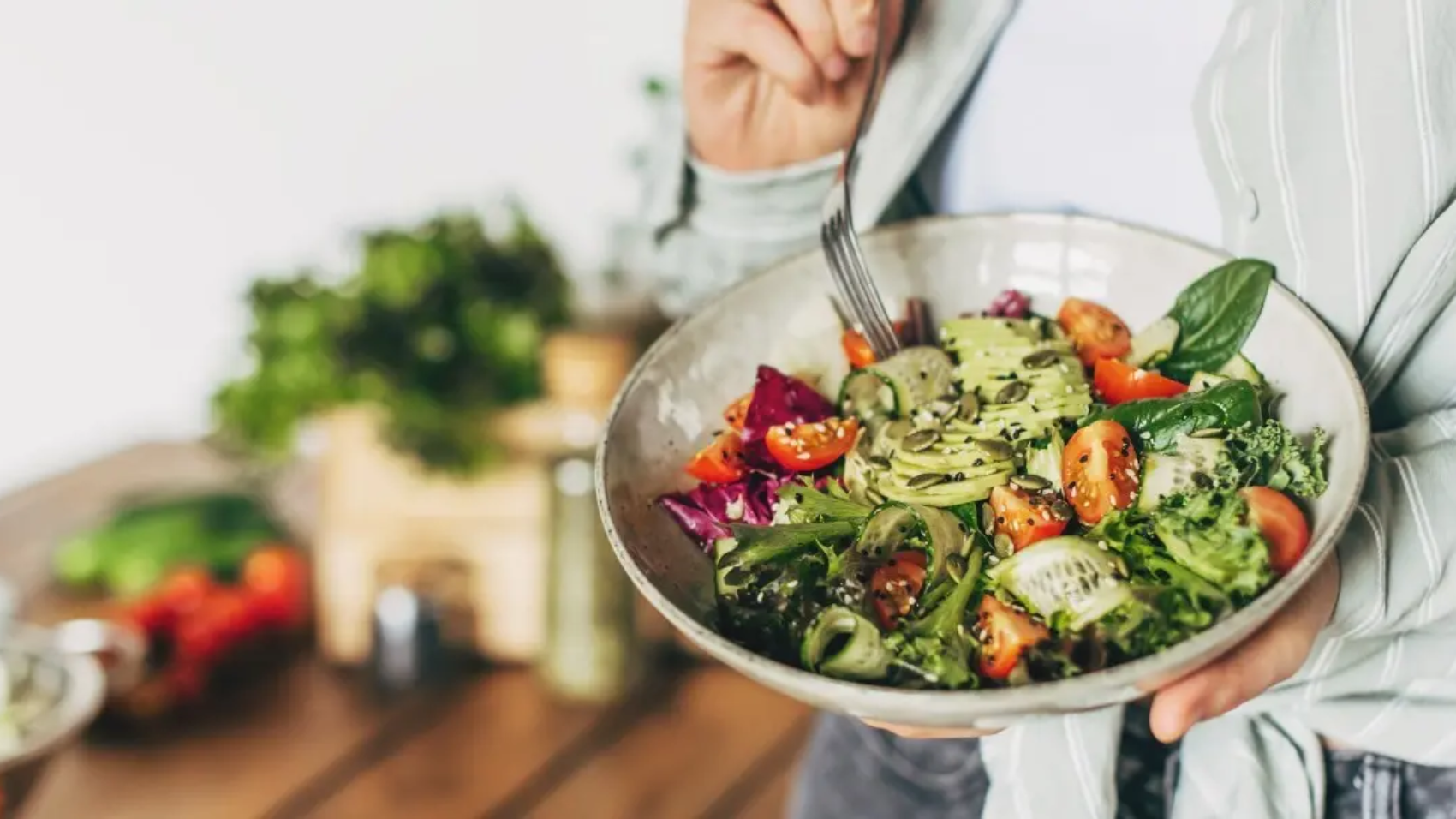
Plant-Based Health Tips

Boost Your Well-Being with These Top Plant-Based Health Tips

Boost Your Well-Being with These Top Plant-Based Health Tips


Boosting our well-being is a goal that many of us strive for, and one effective way to achieve this is by incorporating plant-based living into our daily routines. By embracing a plant-based lifestyle, we can support our health and overall well-being in a natural and sustainable way. In this article, we will explore the top plant-based health tips that can help elevate our health to new heights.

From improving our digestion to boosting our immune system, plant-based foods are packed with essential nutrients and antioxidants that can optimize our health. We will uncover the power of leafy greens, vibrant fruits, hearty legumes, and wholesome whole grains, and how they can contribute to our well-being.

Discover the benefits of replacing animal products with plant-based alternatives and learn how to create delicious and nutritious plant-based meals that will leave you feeling satisfied and energized. Whether you are a seasoned plant-based enthusiast or just starting to explore this lifestyle, these plant-based health tips will empower you to make positive changes that will enhance your overall wellness.

Join us as we embark on a journey towards vibrant health and well-being through these top plant-based health tips.

The benefits of a plant-based diet


In our quest to boost our well-being, incorporating a plant-based lifestyle into our daily routines can be a game-changer. By embracing plant-based living, we can support our health and overall well-being in a natural and sustainable way. In this article, we will explore the top plant-based health tips that can help elevate our health to new heights.

Understanding the different types of plant-based diets


A plant-based diet offers numerous benefits for our well-being. Firstly, it is rich in essential nutrients and antioxidants that can optimize our health. Plant-based foods, such as leafy greens, vibrant fruits, hearty legumes, and wholesome whole grains, are packed with vitamins, minerals, and phytochemicals that support various bodily functions. These nutrients can improve our digestion, boost our immune system, and enhance our overall vitality.

Moreover, a plant-based diet can contribute to weight management and reduce the risk of chronic diseases. By consuming a diet focused on plant-based foods, we can naturally lower our intake of saturated fats and cholesterol, leading to a healthier weight and reduced risk of conditions like heart disease, diabetes, and certain types of cancer.

The importance of nutrient balance in a plant-based diet


Plant-based diets come in various forms, and it’s essential to understand the differences. The most well-known types include vegetarian, vegan, and flexitarian diets. Vegetarians exclude meat but may include animal products such as dairy and eggs. Vegans, on the other hand, avoid all animal products, including dairy, eggs, and honey. Flexitarians primarily follow a plant-based diet but occasionally incorporate small amounts of animal products.

Choosing the right type of plant-based diet depends on personal preferences and health goals. Some individuals may find it easier to transition gradually, while others may choose to adopt a more strict plant-based lifestyle. The key is to find a balance that works best for your body and lifestyle.

Incorporating a variety of fruits and vegetables into your meals


A well-balanced plant-based diet is crucial to ensure we meet all our nutritional needs. While plant-based foods are nutrient-dense, it’s important to pay attention to specific nutrients that may be lacking in a plant-based diet. These include protein, iron, calcium, vitamin B12, and omega-3 fatty acids.

To ensure an adequate intake of protein, incorporate plant-based sources such as tofu, tempeh, legumes, and quinoa into your meals. Iron can be obtained from sources like dark leafy greens, lentils, and fortified cereals. Calcium can be found in plant-based milk alternatives, tofu, and leafy greens. Vitamin B12, which is primarily found in animal products, may require supplementation or consumption of fortified foods. Omega-3 fatty acids can be obtained from sources like flaxseeds, chia seeds, and walnuts.

Finding plant-based sources of protein


One of the key pillars of a plant-based diet is the abundance of fruits and vegetables. These colorful wonders are not only visually appealing but also provide a wide range of essential nutrients. Aim to incorporate a variety of fruits and vegetables into your meals to reap the benefits of their unique nutritional profiles.

Leafy greens, such as spinach, kale, and Swiss chard, are excellent sources of vitamins A, C, and K, as well as folate and fiber. Berries, including blueberries, strawberries, and raspberries, are packed with antioxidants that can protect against oxidative stress. Citrus fruits, such as oranges, grapefruits, and lemons, are rich in vitamin C, which supports immune function. Don’t forget about cruciferous vegetables, like broccoli, cauliflower, and Brussels sprouts, which are high in fiber and cancer-fighting compounds.

Essential vitamins and minerals for a plant-based diet


Protein is an essential macronutrient that plays a crucial role in our overall health. While animal products are commonly associated with high protein content, there are plenty of plant-based sources that can meet our protein needs. Legumes, such as lentils, chickpeas, and black beans, are excellent sources of plant-based protein. Tofu and tempeh, made from soybeans, are also great options.

Nuts and seeds, including almonds, cashews, chia seeds, and hemp seeds, are not only rich in protein but also provide healthy fats and other beneficial nutrients. Quinoa, a versatile grain, is a complete protein source, meaning it contains all essential amino acids. Including a variety of these plant-based protein sources in your diet will help ensure you meet your protein requirements.

Tips for meal planning and prepping on a plant-based diet


While a plant-based diet can provide an abundance of vitamins and minerals, there are a few nutrients that may require special attention. Vitamin B12, for instance, is primarily found in animal products, making it essential for those following a plant-based diet to ensure adequate intake through fortified foods or supplements.

Calcium is another nutrient that may need additional attention. While dairy products are commonly associated with calcium, plant-based sources such as fortified plant-based milk alternatives, tofu, and leafy greens can provide this essential mineral.

Plant-based substitutes for common animal-based ingredients


Meal planning and prepping can be incredibly helpful when following a plant-based diet. By devoting some time to plan and prepare your meals in advance, you can ensure that you have nutritious options readily available, which can help you stay on track and avoid relying on unhealthy convenience foods.

Start by creating a weekly meal plan, considering your schedule and dietary preferences. Include a variety of plant-based proteins, whole grains, fruits, and vegetables in your plan. Dedicate time each week to grocery shopping and batch cooking. Prepare large batches of grains, beans, and roasted vegetables that can be used as building blocks for multiple meals throughout the week. Portion out your meals into containers for easy grab-and-go options. Having a well-stocked pantry with plant-based staples, such as canned beans, whole grains, and spices, can also make meal preparation more convenient.

The role of exercise in a plant-based lifestyle


Transitioning to a plant-based diet doesn’t mean giving up your favorite dishes. Many animal-based ingredients can be easily substituted with plant-based alternatives without compromising on taste or texture. For example, dairy milk can be replaced with plant-based milk alternatives like almond milk, oat milk, or soy milk. Butter can be substituted with coconut oil or vegan margarine. Eggs can be replaced with mashed bananas, applesauce, or flaxseed meal mixed with water.

There are also numerous plant-based meat alternatives available in the market, such as tofu, tempeh, and seitan, which can be used as substitutes in recipes calling for meat. Experimenting with these plant-based substitutes can open up a whole new world of culinary possibilities.

In addition to a plant-based diet, regular physical activity plays a vital role in our overall well-being. Engaging in exercise can boost our energy levels, improve cardiovascular health, and enhance mental well-being. Whether it’s going for a brisk walk, taking a yoga class, or hitting the gym, finding an activity that you enjoy and can sustain long-term is key.

Consider incorporating strength training exercises to build and maintain muscle mass, which is important for overall health and metabolism. Aim for a combination of cardiovascular exercises, such as jogging or cycling, and strength training exercises, like weightlifting or bodyweight exercises. Don’t forget to warm up before each workout and cool down afterward to prevent injuries and aid in muscle recovery.


To read our latest blog click here:  How Can The Right Mindset, Nutrition And Fitness Framework Improve Your Life

Follow Us On FacebookInstagram

Young woman exercising at home, doing crunches.

Home Workout Mastery the Ultimate Guide to Fitness at Home

Welcome, dear readers, to a journey that empowers you to master the art of fitness within the comfort of your own home. In a world where busy schedules and external factors can often disrupt our fitness routines, there is solace and strength in knowing that you can achieve your health goals without stepping outside. Today, we delve into the realm of home workout mastery – a guide that will not only inspire you but also provide you with practical insights to make your home your fitness sanctuary.

The Power of Home Workouts In the hustle and bustle of life, finding time to prioritise our well-being can sometimes seem like an uphill battle. This is where the magic of home workouts comes into play. Imagine, being able to seamlessly integrate exercise into your daily routine without the hassle of commuting to a gym or adhering to fixed schedules. With the right approach, your living space can transform into a haven of strength, endurance, and vitality.

Creating Your Fitness Space Before embarking on your home fitness journey, let’s start by crafting an environment that nurtures your aspirations. Find a corner or space that resonates with you – a place where you can feel energized and focused. Whether it’s a spare room, your living area, or even a tranquil balcony, this space will become your sanctuary for physical and mental growth.

Equipping Your Arsenal You may be wondering, “What about the equipment?” The truth is, you don’t need a room full of complex machinery to achieve remarkable results. Simple and versatile tools like resistance bands, dumbbells, yoga mats, and stability balls can serve as your companions on this journey. These tools, along with your body weight, are all you need to embark on a transformative fitness experience.

Crafting Your Routine One of the keys to home workout mastery lies in creating a routine that suits your lifestyle. Whether you’re an early riser, a midday energizer, or a night owl, finding the perfect time to exercise is crucial. As you craft your routine, remember the importance of variety. Incorporate cardiovascular exercises, strength training, flexibility movements, and mindfulness practices to ensure a holistic approach to your fitness goals.

Mindfulness in Motion Beyond the physical aspect, home workouts offer an unparalleled opportunity for mindfulness. Imagine being in tune with your body, celebrating each movement, and finding solace in the rhythm of your breath. This synergy of movement and mindfulness not only nurtures your physical health but also enriches your mental and emotional well-being.

Fueling Your Body Of course, no fitness journey is complete without addressing nutrition. Nourishing your body with the right nutrients fuels your energy levels and enhances your performance. Incorporate a balanced diet rich in whole foods, plant-based proteins, vibrant vegetables, and wholesome grains. Hydration, too, plays a vital role – keep your water bottle within reach as a constant reminder of self-care.

Embracing the Transformation As you embark on this home workout mastery, remember that every step you take is a step toward a healthier, more vibrant you. Embrace the journey with love, patience, and a sense of empowerment. Your home is not just a place of comfort; it is now your launchpad to an extraordinary transformation that extends beyond the physical realm.

In the spirit of growth and well-being, let us embrace the power of home workouts. Your ultimate guide awaits, dear readers, as you step into a world where health, strength, and mastery converge within the walls of your cherished abode. Welcome to the journey of Home Workout Mastery – your path to a life enriched with wellness and vitality.


Understanding BMI: A Cornerstone of Progress As we embark on the journey of home workout mastery, let’s take a moment to explore the significance of Body Mass Index (BMI). This fundamental measurement assesses the relationship between your weight and height, offering insights into your body composition. While BMI is not a comprehensive indicator of health on its own, it provides a starting point for understanding your general health status and potential areas for improvement.


Measure your BMI: As you sculpt your body and empower your well-being through home workouts, remember that BMI is just one piece of the puzzle – a tool that, when coupled with your dedication, can help you navigate toward a healthier, more vibrant you.

Find out more about how we can help you transform your health from your own home.

For more fitness articles go to our health blog


Pregnancy

Pregnancy: How To Stay Healthy on a Plant-Based Diet

11 Things to do to stay healthy when pregnant

Pregnancy is a time of great change for a woman’s body. As her baby grows, her body will need to adapt to accommodate the extra weight and demands of pregnancy. Eating a healthy diet is essential for both the mother and the baby. A plant-based diet can be a healthy and nutritious way to nourish your body during pregnancy. However, it is important to make sure that you are getting all the nutrients that you and your baby need. Here are some tips for staying healthy while pregnant on a plant-based diet:

  1. Eat a variety of foods from all food groups. This will help you to get all the nutrients that you need.
  2. Focus on whole, unprocessed foods. These foods are packed with nutrients and fibre.
  3. Include plenty of fruits and vegetables in your diet. Fruits and vegetables are a great source of vitamins, minerals, and fibre.
  4. Choose healthy plant-based protein sources. Good sources of plant-based protein include beans, lentils, tofu, tempeh, nuts, and seeds.
  5. Take a prenatal vitamin. A prenatal vitamin can help to ensure that you are getting all the nutrients that you and your baby need.

If you have any concerns about eating a plant-based diet during pregnancy, talk to your doctor. They can help you to create a diet plan that is safe and appropriate for your individual needs. Here are some additional tips for staying healthy while pregnant on a plant-based diet:

  1. Talk to your doctor or a registered dietitian about your specific needs.
  2. Make sure to get enough iron, vitamin B12, and calcium.
  3. Consider taking a prenatal vitamin that is specifically designed for vegans or vegetarians.
  4. Be sure to eat a variety of foods from all food groups.
  5. Listen to your body and eat when you are hungry.
  6. Don’t be afraid to ask for help from your friends, family, or doctor.

Eating a healthy plant-based diet can be a great way to nourish your body and your baby during pregnancy. By following these tips, you can ensure that you are getting all the nutrients that you need to have a healthy pregnancy and a healthy baby. Here are some specific nutrients that you need to be aware of when following a plant-based diet during pregnancy:

Iron:

Iron is important for carrying oxygen in the blood. Pregnant women need more iron than non-pregnant women. Good sources of iron include beans, lentils, spinach, and fortified cereals.

Vitamin B12:

Vitamin B12 is important for red blood cell production and nerve function. Pregnant women need more vitamin B12 than non-pregnant women. Good sources of vitamin B12 include fortified cereals, nutritional yeast, and tempeh.

Calcium:

Calcium is important for building strong bones and teeth. Pregnant women need more calcium than non-pregnant women. Good sources of calcium include dairy products, leafy green vegetables, and fortified foods.

If you are concerned about getting enough of these nutrients, talk to your doctor, registered dietitian, or health coach. They can help you create a plan to make sure that you are getting all the nutrients that you and your baby need. Here are some common challenges that pregnant women on plant-based diets may face:

Feeling tired

It is common for pregnant women to feel tired, regardless of their diet. However, pregnant women on plant-based diets may feel more tired if they are not getting enough iron or vitamin B12, so make sure you eat your greens on a day-to-day basis.

Feeling hungry

Pregnant women need to eat more calories than non-pregnant women. Pregnant women on plant-based diets may need to eat even more calories if they are not getting enough calories from their diet. This does not mean that you are eating for two people, it just means an extra few calories a day of quality whole foods.

Not getting enough protein

Protein is important for building and repairing tissues. Pregnant women need more protein than non-pregnant women. Pregnant women on plant-based diets may need to make sure that they are getting enough protein from their diet by eating beans, lentils, chickpeas, tofu, and green vegetables including peas. Rice and cranberries also contain adequate amounts of protein.

Eating a healthy plant-based diet can be a great way to nourish your body and your baby during pregnancy. By following these tips, you can ensure that you are getting all the nutrients that you need to have a healthy pregnancy and a healthy baby.

For healthy and tasty plant-based recipes, visit our sister website. yourplantbasedhealth.com

For more information on health, wealth, and happiness as plant-based or vegan visit our blog.

Exercise for a Healthy Pregnancy

The Power of Movement: Embracing Exercise for a Healthy Pregnancy

Why Pregnant Women Should Exercise and Move More


Pregnancy is a time of great change for a woman’s body. As her baby grows, her body will need to adapt to accommodate the extra weight and demands of pregnancy. Exercise can help a woman’s body to adapt to these changes and can also have many other benefits for both her and her baby.

Here are some of the benefits of exercise during pregnancy:

Improved physical fitness

Exercise can help a woman to maintain her strength and endurance during pregnancy. This can make it easier for her to cope with the physical demands of pregnancy, such as carrying extra weight and walking long distances.

Reduced risk of complications

Exercise can help to reduce the risk of pregnancy complications, such as gestational diabetes, preeclampsia, and preterm labour.

Improved mood

Exercise can help to improve a woman’s mood and reduce stress levels. This can be especially helpful during the second and third trimesters of pregnancy when women are more likely to experience fatigue and anxiety.

Improved sleep

Exercise can help to improve a woman’s sleep quality. This is important during pregnancy, as women often experience sleep disturbances due to their changing hormones and growing baby.

Weight gain management

Exercise can help a woman to manage her weight gain during pregnancy. This is important, as excessive weight gain can increase the risk of complications for both the mother and the baby.

How much exercise is enough?

The Centers for Disease Control and Prevention (CDC) recommends that pregnant women get at least 150 minutes of moderate-intensity aerobic activity or 75 minutes of vigorous-intensity aerobic activity each week. They also recommend that pregnant women do muscle-strengthening activities that work all major muscle groups (legs, hips, back, abdomen, chest, shoulders, and arms) on two or more days a week.

What types of exercise are safe during pregnancy?

Most types of exercise are safe for pregnant women. However, it is important to avoid activities that involve high-impact or jarring movements, such as running, jumping, and downhill skiing. It is also important to avoid activities that involve lying on your back after the first trimester, as this can put pressure on the vena cava, a major vein that carries blood back to the heart.

What should I do if I have any concerns about exercising during pregnancy?

If you have any concerns about exercising during pregnancy, talk to your doctor. They can help you to create an exercise plan that is safe and appropriate for your individual needs.

Here are some additional tips for exercising safely during pregnancy

1. Start slowly and gradually increase the intensity and duration of your workouts over time.
2. Listen to your body and stop if you feel pain or discomfort.
3. Stay hydrated by drinking plenty of fluids before, during, and after your workout.
4. Wear comfortable clothing and shoes that provide good support.
5. Choose activities that you enjoy and that are appropriate for your fitness level.
6. Be sure to cool down after your workout by walking or stretching for a few minutes.

By following these tips, you can safely enjoy the many benefits of exercise during pregnancy.


For healthy plant-based recipes check out our sister website yourplantbasedhealth.com

For more articles on health, fitness, nutrition, and wellness check out our other blog articles.

Best Dumbbell Exercises for Bingo Wings

Best Dumbbell Exercises for Bingo Wings

Tired of the flab in your arms? You’re not alone. Almost every woman has some sort of upper-body issue, whether it’s a lack of tone or texture, flab, or something else. That said, it’s possible to build muscle and reduce fat in this area without spending hours at the gym! We’ve got a list of exercises that will help you build up your triceps and biceps with minimal equipment and minimal time commitment. So here are 8 of the Best Dumbbell Exercises for Bingo Wings Check Them Out:

Dumbbell Biceps Curls

To do the dumbbell biceps curls, sit on a bench or chair and hold a dumbbell in each hand. Keep your arms straight and raise the weights to shoulder height. Then slowly lower them back down again until your arms are at their sides once more.

Repeat this process for 10-15 repetitions per set, resting for 30 seconds between sets if needed

Dumbbell Overhead Triceps Extensions

To start, begin with a light dumbbell in each hand. Keep your elbows close to your sides as you extend them up toward the ceiling, keeping the dumbbells at shoulder height and not touching each other. Slowly lower back down to starting position and repeat for 3 sets of 15 reps (or 12 if you’re new). Rest 30 seconds between sets so that you can give this move everything it deserves!

Dumbbell Lying Triceps Extensions

Lying Triceps Extensions

This exercise is simple, but it targets the triceps well. To do the lying triceps extension, place your upper arms on a bench and hold dumbbells straight up above your head. Bend at the elbows and lower the weights to the sides of your head before extending back up again to complete one rep:

Dumbbell Hammer Curls

Hammer curls are a great way to build up the biceps and forearms. When you do hammer curls, you’ll be using both your arms at the same time.

Hammer Curls with Dumbbells: To do these correctly, grab one dumbbell in each hand and hold them at chest level with your palms facing inward toward each other. Slowly bend your elbows so that they are pointing down toward the floor; then return them back up again by straightening out your arms completely before repeating this movement for 10-15 repetitions per set (3 sets total).

This exercise can also be performed sitting on an incline bench if desired; however, make sure not to use too much weight or else it may become too difficult for you to complete all of these repetitions without dropping anything!

Dumbbell Reverse Flyes

Dumbbell Reverse Flyes

This exercise is great for the back of your arms and shoulders. It targets your rhomboids and midtrapezius muscles, which help with posture and balance. It also works your biceps and triceps muscles, too!

To do this exercise:

  • With your feet hip-width apart, hold one dumbbell in each hand at arm’s length above your shoulders with palms facing forward (A).
  • Lower both weights behind you until they’re about an inch away from touching the floor (B). Don’t let them touch–this will cause stress on your joints that could lead to injury if done incorrectly! As soon as they get close enough so that there’s no more tension on the weight stack, raise them back up again until they’re at shoulder height (or slightly higher). Repeat 15 times on each side for 3 sets total per workout session

Dumbbell Chest Flies

Dumbbell chest flies are an excellent way to target the upper back muscles. These muscles are often neglected, but they’re important for maintaining good posture and making sure that you don’t look like you have bingo wings.

To do this exercise:

  • Stand with feet hip-width apart and knees slightly bent. Hold a dumbbell in each hand at chest level with palms facing down and elbows bent 90 degrees out to the sides of your body (like you’re hugging someone). Brace your core by pressing into the floor through your heels and squeezing glutes as if bracing for impact from behind (this will help keep hips from rotating forward).

2a – If using an incline bench: Place both hands on top of an incline bench set at 45 degrees so arms hang straight down from shoulders (A). Bend elbows 90 degrees without letting them flare out away from sides; press shoulders down toward top surface of bench while keeping torso stable throughout movement (B). Pause after lowering halfway through range of motion then press upwards until arms straighten fully again before lowering back down slowly under control until they return completely extended once more; repeat 8 times total per set with 3 sets total per session performed 2 days per week

Standing Reverse Flyes (Dumbbell)

A: Stand with your feet shoulder-width apart and knees slightly bent. Hold a pair of dumbbells at arms’ length next to your sides, with palms facing in.

B: Slowly raise the weights out to the sides until they’re at shoulder height, then lower them back down to starting position without resting on your rear end (don’t lean forward or let your elbows flare out). That’s one rep; do 10 or 12 reps per set, three sets total per exercise session (if you’re doing this workout after another one). Take 30 seconds rest between sets so that you can maintain good form throughout each set.

Dumbbell Upright Rows With Straight Bar or EZ-Curl Bar – Medium Grip

To perform this exercise, you will need two dumbbells and a flat bench.

  • Place both feet on the floor, with knees slightly bent and back straight.
  • Hold one dumbbell in each hand with palms facing inward and arms hanging straight down from your shoulders (a).
  • Slowly raise the weights to just below your chin by bending at the elbows (b). Do not lock out your elbows at the top of the movement; keep them bent at about 90 degrees (c). Lower under control until there’s no slack in the cable or band – don’t let gravity pull them alllllll the way down!

These exercises will help you tone your arms and get rid of the flab.

If you’re looking to get rid of the flab and tone your arms, then these exercises are for you. You don’t have to spend hours in the gym every day. Just five minutes of exercise each day can help improve your health and fitness levels.

Exercise is one of the best ways to burn fat, build muscle and improve overall body shape. It also helps reduce stress levels which can make us feel happier as well as keep us healthy by lowering blood pressure or reducing cholesterol levels (1).

So what kind of dumbbell exercises should we do? Well let’s take a look at some common dumbbell exercises:

Conclusion

These are eight of the best dumbbell exercises for bingo wings that will hel pto improve and tone everyone’s arms. These exercises are a great starting point to tone your arms and banish those pesky bingo wings. However, there are many other exercises and workout routines that can help you achieve your fitness goals. If you need additional guidance and support, consider hiring us as your online fitness instructor and book your strategy call to help you on your journey to achieving your perfect body.

Need to improve your diet? Here are a tonne of plant-based recipes for you to be getting on with. When you hire us to work with you we will create meal plans and recipe cards suited to your goals and lifestyle.
Fitness Coaching

Say goodbye to bingo wings: 5 Effective Exercises to Tone Your Arms and Banish Bingo Wings

Say goodbye to bingo wings at last!!!

Are you tired of feeling self-conscious about your “bingo wings”? These flabby areas on the underside of your arms can be frustrating to deal with, but there are ways to tone and strengthen them. In this article, we’ll share five effective exercises that use weights to help you achieve the toned arms you’ve always wanted.

Get ready to Say goodbye to bingo wings with these 5 effective exercises to tone your arms, banish bingo wings, and feel confident and strong in no time at all!

Arm circles.

Arm circles are a simple yet effective exercise that can help tone your arms. To perform arm circles, stand with your feet shoulder-width apart and extend your arms out to the sides at shoulder height. Slowly make small circles with your arms, starting with small circles and gradually increasing the size of the circles. Repeat for 10-12 reps, then switch directions and repeat for another 10-12 reps. For an added challenge, hold light weights in your hands while performing the exercise.

Push-ups.

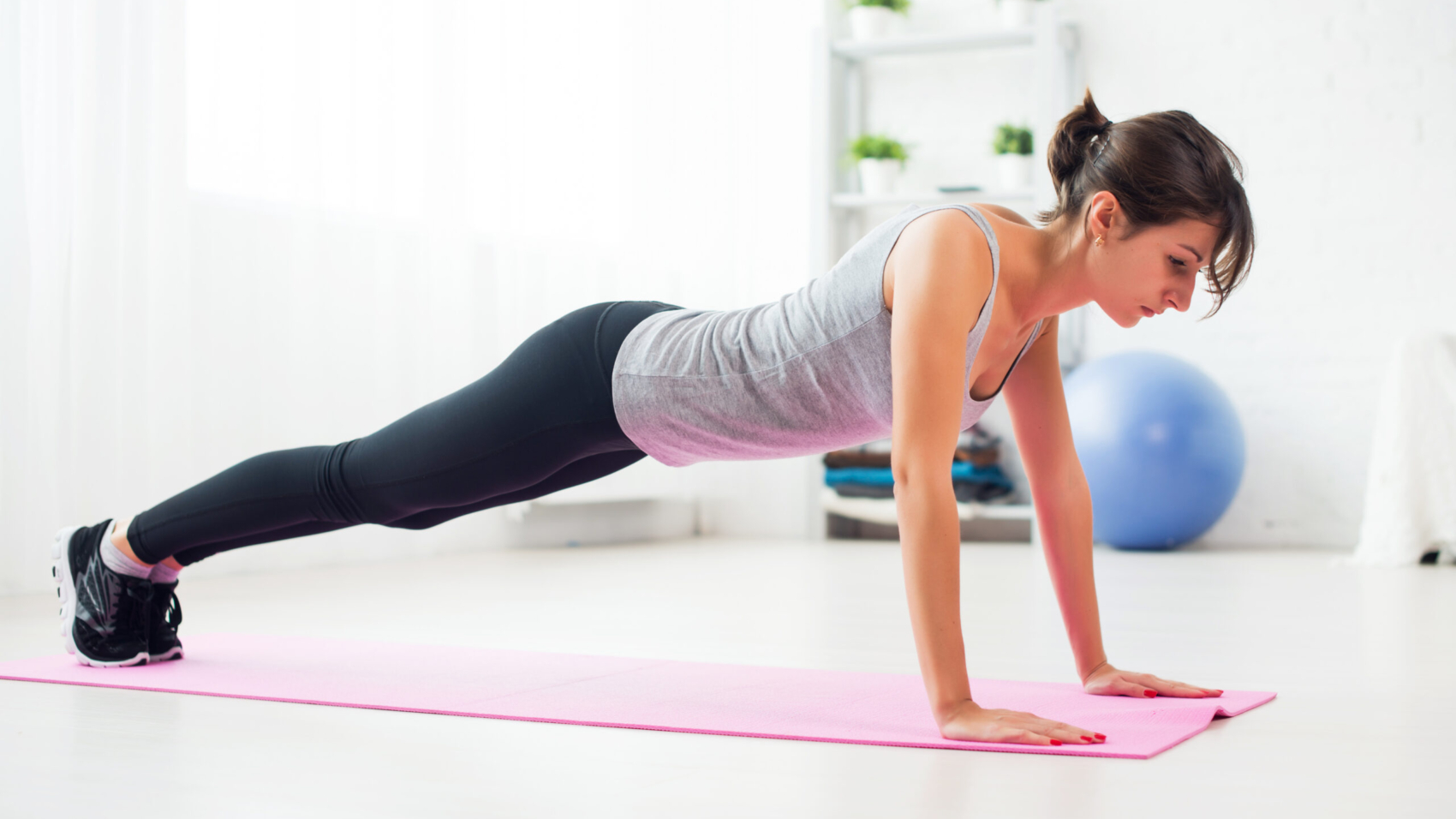
Push-ups are a classic exercise that targets your chest, shoulders, and triceps, making them a great choice for toning your arms. To perform a push-up, start in a plank position with your hands shoulder-width apart and your feet together. Lower your body down towards the ground by bending your elbows, keeping your body in a straight line. Push back up to the starting position and repeat for 10-12 reps, then rest and repeat for 2-3 sets. If you need to modify the exercise, you can perform push-ups on your knees or against a wall.

Bicep curls.

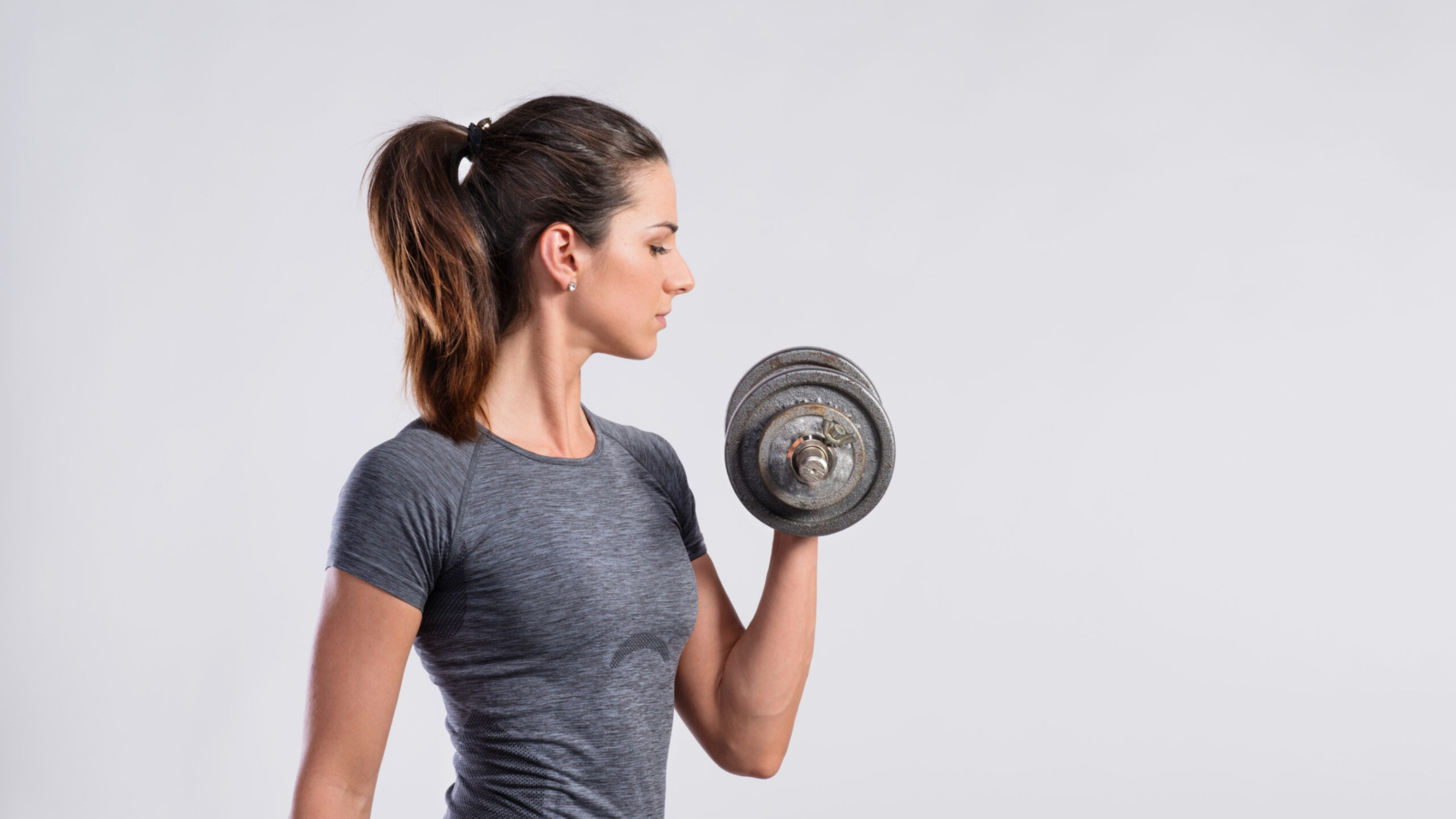
Bicep curls are a classic exercise for toning and strengthening your arms. To perform this exercise, stand with your feet shoulder-width apart and hold a dumbbell in each hand with your palms facing up. Slowly lift the weights towards your shoulders, keeping your elbows close to your body. Pause at the top of the movement, then slowly lower the weights back down to the starting position. Repeat for 10-12 reps, then rest and repeat for 2-3 sets.

Tricep dips.

Tricep dips are a great exercise for targeting the back of your arms and getting rid of those pesky bingo wings. To perform this exercise, sit on the edge of a sturdy chair or bench with your hands gripping the edge next to your hips. Walk your feet forward and lower your body down towards the ground, bending your elbows to a 90-degree angle. Push back up to the starting position, keeping your elbows close to your body. Repeat for 10-12 reps, then rest and repeat for 2-3 sets. For an added challenge, try lifting one leg off the ground while performing the exercise.

Overhead press.

The overhead press is a classic exercise for toning your arms and shoulders. To perform this exercise, stand with your feet shoulder-width apart and hold a dumbbell in each hand at shoulder height. Press the weights up overhead, keeping your elbows close to your ears. Lower the weights back down to shoulder height and repeat for 10-12 reps, then rest and repeat for 2-3 sets. For an added challenge, try alternating arms or increasing the weight of the dumbbells.

Incorporating these five effective exercises into your fitness routine can help you to say goodbye to bingo wings and achieve toned and strong arms. Don’t let “bingo wings” hold you back from feeling confident and self-assured. Remember to start with light weights and gradually increase as you build strength. Make sure to also pair these exercises with a healthy and balanced diet to see even better results.

With consistency and dedication, you can banish those flabby areas and feel great about your arms. So what are you waiting for, say goodbye to bingo wings.


Need an online trainer you can trust, and who will hold you accountable, no problem. Get started today!

Looking for plant-based recipes to help you with your fitness results, look no further than our sister site which has tonnes of delicious plant-based recipes to help you on your journey.


Plant-based health and fitness - overnight oats for breakfast

Plant-Based Health and Fitness: How a Plant-Based Diet Can Boost Your Fitness Goals

When it comes to health and fitness, your diet plays a crucial role. While many people turn to animal-based products for protein and energy, plant-based diets have been gaining popularity in recent years. Not only are plant-based diets beneficial for your health, they can also help you achieve your fitness goals.

Plant-based diets are rich in vitamins, minerals, and antioxidants that can improve your overall health and reduce the risk of chronic diseases. Additionally, plant-based diets can provide ample amounts of protein, carbohydrates, and healthy fats needed for building muscle and fueling workouts.

If you’re looking to adopt a plant-based diet for your fitness goals, consider incorporating plenty of leafy greens, whole grains, legumes, and nuts into your meals. These foods are packed with essential nutrients and can help you feel fuller for longer.

To get the most out of your plant-based diet, it’s important to also stay active and engage in regular exercise. Whether it’s yoga, weightlifting, or cardio, find a workout routine that works for you and complements your plant-based lifestyle.

By combining a plant-based diet with regular exercise, you can achieve optimal health and fitness. Give it a try and see the difference for yourself.

Here’s an example meal plan and exercise plan to help you start your plant-based health and fitness journey:

Plant-Based Meal Plan for Health and Fitness

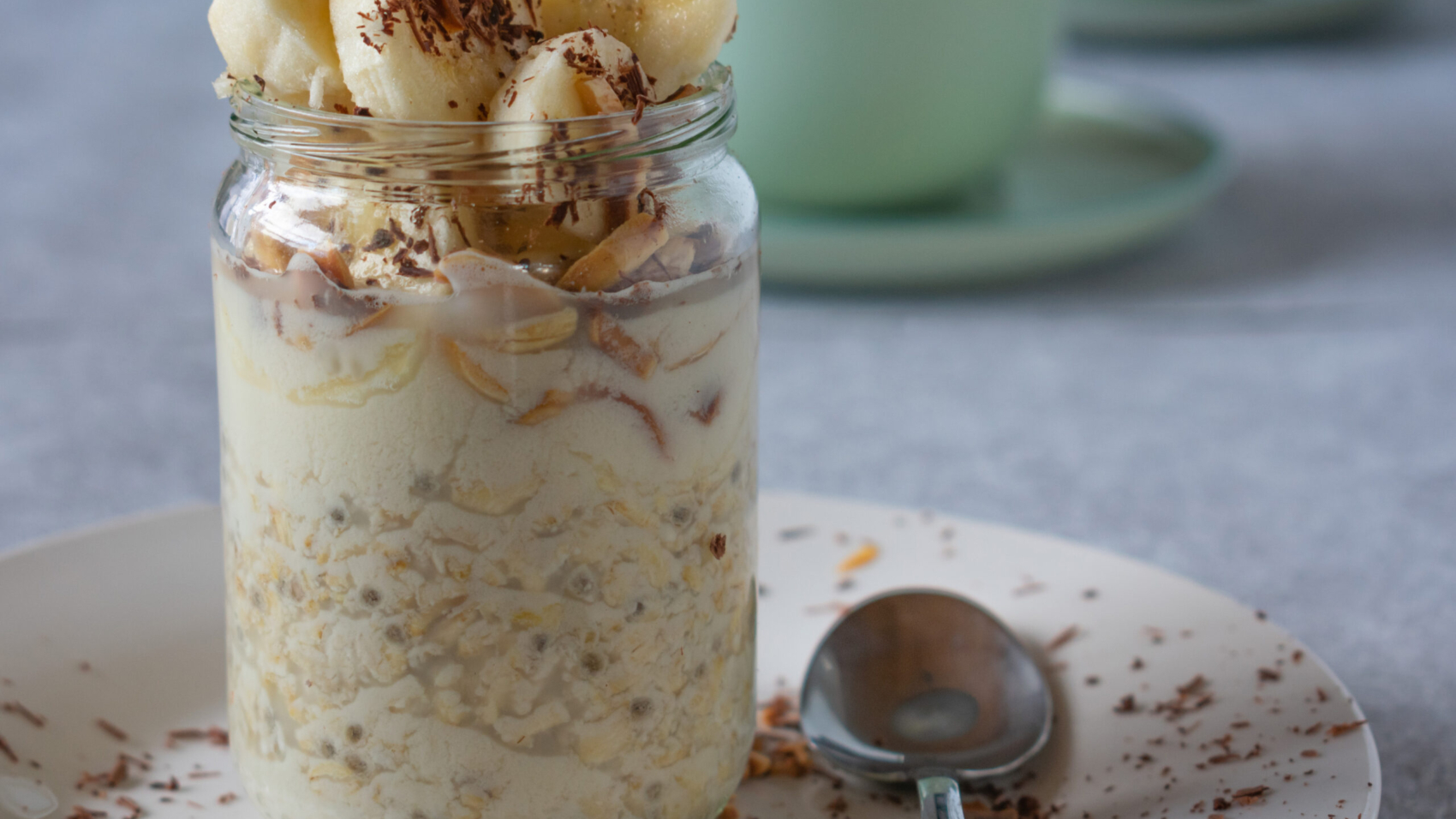
  • Breakfast: Overnight oats with chia seeds, almond milk, sliced banana, and chopped nuts.
  • Snack: Apple slices with almond butter.
  • Lunch: Tofu and vegetable stir-fry with brown rice.
  • Snack: Carrots and celery with hummus.
  • Dinner: Roasted sweet potato with black beans, avocado, and salsa.

Plant-Based Exercise Plan for Health and Fitness

  • Warm-up: 5-10 minutes of light cardio (e.g. jogging, jumping jacks, or cycling).
  • Strength training: 3 sets of 10-12 reps of bodyweight exercises (e.g. squats, lunges, push-ups, and dips).
  • Cardiovascular training: 20-30 minutes of moderate to high-intensity cardio (e.g. running, cycling, or jumping rope).
  • Cool-down: 5-10 minutes of stretching exercises for all major muscle groups.

In conclusion, a plant-based diet can provide numerous health benefits and can be combined with a fitness routine for optimal results. Try incorporating some of the meal and exercise plan ideas discussed in this article and see how they work for you. Don’t forget to track your progress and stay motivated towards achieving your health and fitness goals.

Let’s embrace the power of plant-based nutrition and fitness to lead a healthy and fulfilling life.

Want more delicious and healthy plant-based recipes

For online fitness coaching  

10 Flabby Arm Exercises to Tone and Strengthen Your Arms Without Weights

10 Flabby Arm Exercises to Get Toned Arms Without Weights

Tired of feeling self-conscious about your arms and looking for an effective way to tone and strengthen them? You don’t need to go to a gym or invest in expensive equipment to get the job done. With the right exercises, you can easily work your arm muscles right from the comfort of your home. Whether you’re looking to build muscle, improve your overall strength, or get rid of flabby arms, we’ve got you covered. In this blog post, we’ll share ten effective arm exercises that you can do without using weights. So, grab a mat, and let’s get started on the journey to stronger, more toned arms!

Bodyweight Exercises to do at Home

If you are tired of feeling stuck in your fitness routine, or simply don’t have the time or resources to go to a gym then bodyweight exercises might be just what you need. Bodyweight exercises are an excellent way to stay fit and healthy without needing any equipment or leaving your home. Not only can they help you build muscle and improve your overall fitness level, but they can also be easily modified to suit your fitness level and goals. In this blog post, we’ll share some of the best bodyweight exercises you can do at home to help you achieve your fitness goals, no matter what they are. So, whether you’re a beginner or a fitness enthusiast, get ready to break a sweat and improve your health with these effective bodyweight exercises!

here are our top 10 bodyweight exercises

  1. Push-ups: This classic exercise is great for targeting your chest, shoulders, and triceps.
  2. Tricep dips: This exercise is perfect for toning your triceps and can be done on a chair or bench.
  3. Plank shoulder taps: This exercise works your core, shoulders, and arms.
  4. Arm circles: This exercise helps to tone your shoulders and arms.
  5. Superman: This exercise targets your upper back muscles, helping to improve posture and reduce the appearance of flabby arms.
  6. Wall push-ups: This exercise is a great alternative to traditional push-ups, as it targets your chest, shoulders, and triceps while also being easier on your wrists.
  7. Diamond push-ups: This variation of the traditional push-up targets your triceps, making it an effective exercise for toning flabby arms.
  8. Side plank dips: This exercise targets your obliques, helping to tone your sides and arms.
  9. Plank to push-up: This exercise is a combination of a plank and push-up, which targets your core, shoulders, and arms.
  10. Tabletop tricep dips: This exercise targets your triceps and can be done using a table or bench.

Incorporating these exercises into your daily workout routine can help you achieve toned arms without the use of weights. Try to do these exercises two to three times a week, starting with one or two sets of 10-12 repetitions and gradually increasing the number of sets and repetitions as you get stronger. Remember to warm up before your workout and cool down after, and always listen to your body to prevent injury.

If you would like a great recommendation for youtube workouts to get toned arms and get your body toned for the summer we recommend the Chloe Ting channel. My daughter followed Chloe’s programs through a lockdown and became in the best shape ever.

Need more help with getting your fitness back on track, no problem schedule your FREE strategy call with me today, and let’s get your fitness back on track together.

10 Safe & Natural Ways to Treat Acid Reflux

10 Safe & Natural Ways to Treat Acid Reflux

Introduction

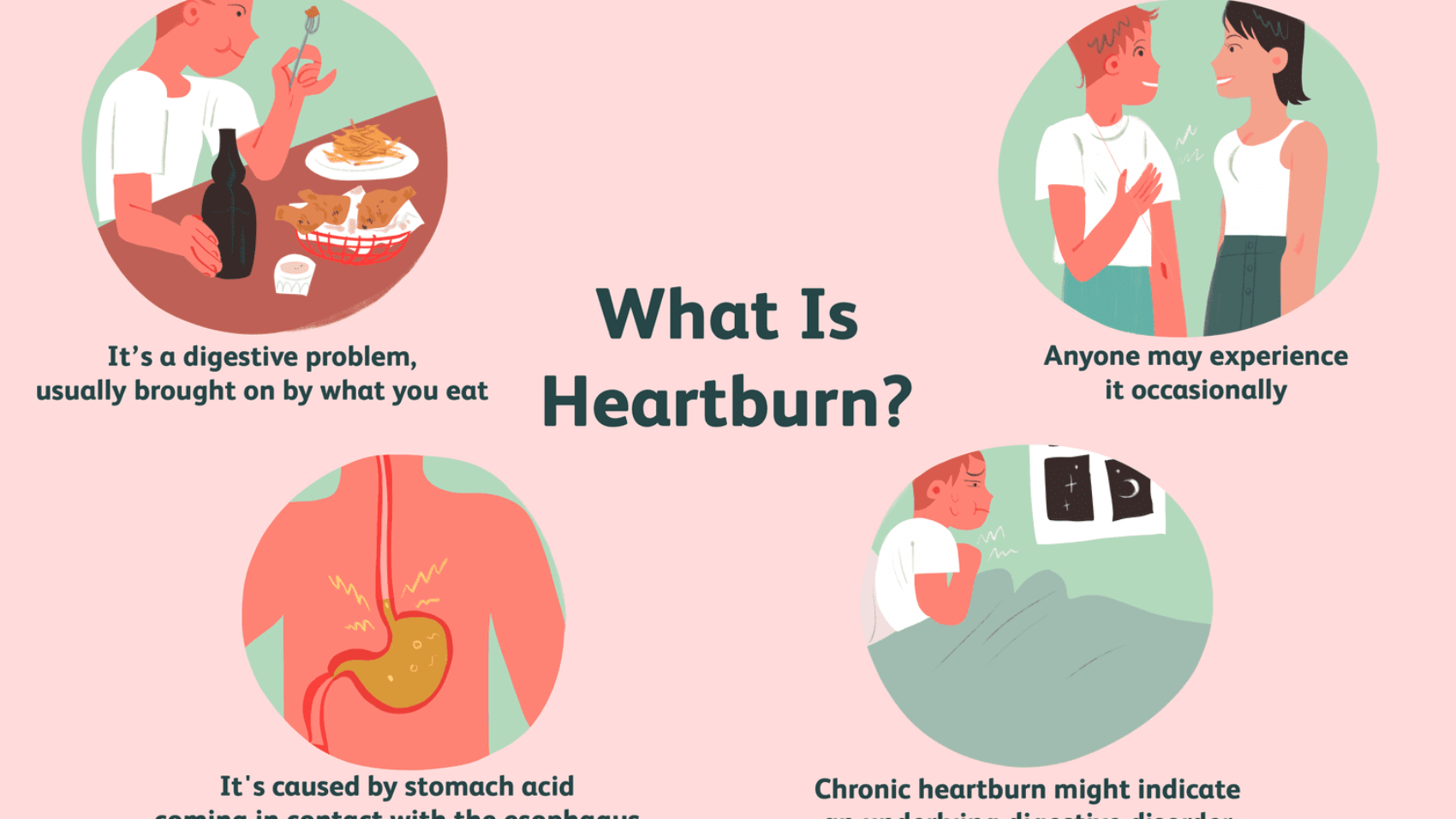
The best way to treat acid reflux is with lifestyle changes. Avoid alcohol, caffeine and spicy foods. Drink lots of water. Reduce stress. Eat smaller meals more frequently throughout the day. Eat a plant-based diet. Use a warm compress on your stomach area or try taking apple cider vinegar supplements or slippery elm tea for ulcers in the digestive system.”

Avoid alcohol, caffeine and spicy foods

Avoid alcohol, caffeine and spicy foods

Alcohol, caffeine and spicy foods can make acid reflux symptoms worse. Alcohol has been known to increase acid production in the stomach and decrease the lower esophageal sphincter’s ability to close properly. Caffeine can also irritate the digestive system by causing heartburn or GERD (gastroesophageal reflux disease). Some experts believe that spicy food irritates your stomach’s lining and makes it more susceptible to damage from other substances such as alcohol or fat-filled foods that are difficult for your body to digest properly

Drink lots of water

Drink lots of water.

Water helps your body to flush out toxins, which can cause heartburn, constipation and kidney stones. It also helps prevent headaches by keeping the blood vessels in your brain healthy and flexible.

Avoid foods that cause acid reflux.

  • Avoid eating too much fat. Fat is a common cause of acid reflux, especially if you’re overweight or obese.
  • Avoid eating too many acidic foods. Foods that are high in acid can trigger heartburn and other symptoms of GERD, so try to steer clear of them as much as possible: tomatoes and tomato-based sauces (such as spaghetti sauce), citrus fruits such as lemons and oranges (but not grapefruit!), vinegars like balsamic vinegar (which has been linked to increased risk for Barrett’s esophagus), pickles and fermented foods such as kimchi (which contains probiotic cultures that may help reduce the risk for GERD). Alcoholic beverages have also been linked with increased risk for GERD due to their high levels of alcohol; while they don’t directly cause it themselves–it’s more related to what happens when your body processes alcohol–you should still avoid drinking excessively if you have episodes regularly because doing so could make them worse over time.* Avoid spicy foods whenever possible because these tend toward being high in both fat content AND acidic ingredients like tomatoes/tomato sauce which increases risk even further.* Sugar: Although it doesn’t directly cause acid reflux like some other things do on this list do…consuming too much sugar can lead indirectly increase susceptibility by causing people who usually wouldn’t experience problems with acid reflux symptoms become more susceptible due increased blood glucose levels caused by excessive intake

Eat a plant-based diet.

A plant-based diet is the best way to treat acid reflux. A vegan diet can be beneficial for anyone, but it’s especially helpful for people who suffer from GERD because it eliminates many foods that irritate the stomach and cause inflammation (including meat, dairy products and eggs).

A vegan diet focuses on whole grains, fruits, veggies and legumes like lentils or chickpeas–all of which have a low glycemic index (GI). Low GI foods are digested slowly by your body so they don’t cause spikes in blood sugar levels that may trigger heartburn symptoms.

Reduce stress.

Stress is a major cause of acid reflux, which can lead to indigestion, heartburn and ulcers. Stress also causes nausea and bloating in many people.

To reduce stress:

  • Take time for yourself every day.
  • Exercise regularly (exercise can be as simple as taking a walk).
  • Practice mindfulness meditation or yoga regularly (these are great tools for reducing stress).

Use a warm compress on your stomach area.

If you’re looking for a natural treatment that can help reduce the symptoms of acid reflux, try a warm compress on your stomach area. This will help relax the muscles in your esophagus and allow food to pass more easily.

You can do this by placing a hot water bottle or heating pad over the area near where your lower ribs meet. You could also try taking a warm shower, wrapping yourself in warm towels after getting out of the shower, or even putting on an extra layer of clothing before going to bed (just make sure it’s not too tight). As long as it’s not so hot that it burns or irritates your skin–and doesn’t cause any discomfort–it should do its job!

Try eating smaller meals more frequently throughout the day.

If you suffer from acid reflux, it’s important to eat smaller meals more frequently throughout the day. Eating slowly can help prevent heartburn as well, so try to chew your food well and take breaks between bites.

Avoid lying down for two hours after eating a large meal or right before going to bed at night if you have trouble sleeping due to heartburn or indigestion issues. You should also avoid eating heavy foods such as fried foods, fatty meats and cheese that might make your symptoms worse in general (and definitely don’t drink milk!).

Take a supplement like apple cider vinegar, slippery elm and marshmallow root to soothe ulcers in the digestive system, or eat these foods as part of your diet.

These supplements can help soothe ulcers in the digestive system, or they can be eaten as part of your diet.

  • Apple cider vinegar: Mix 1/2 cup apple cider vinegar with 1 cup water and drink it once daily. You can also add 1 tablespoon of honey to make this drink more palatable.
  • Slippery elm: Add 1 teaspoon of powdered slippery elm bark powder to hot water and sip slowly on an empty stomach for about 10 minutes before each meal for two weeks (take a break from this remedy).
  • Marshmallow root: Add 2 teaspoons dried marshmallow roots into boiling water until it forms a thick paste; drink twice daily before meals for two weeks (take a break from this remedy).

The best way to treat acid reflux is with lifestyle changes

The best way to treat acid reflux is with lifestyle changes. There are certain things you can do to help reduce your symptoms and prevent them from coming back, including:

  • Eating a plant-based diet
  • Reducing stress
  • Drinking lots of water (about half your body weight in ounces) each day. This will help flush out toxins that cause inflammation in the digestive tract, which leads to heartburn and indigestion

Avoiding alcohol, caffeine and spicy foods can also be helpful for some people who suffer from acid reflux symptoms

Conclusion

For many people, these lifestyle changes are enough to treat their acid reflux. If you’re still experiencing symptoms after trying some of the above tips, talk with your doctor about taking over-the-counter medications or prescription drugs. It’s important to remember that all medications have side effects, so it’s best if they can be avoided if at all possible!

Good Weight Loss Incentives for Long-Term Success

Good Weight Loss Incentives for Long-Term Success

Introduction

If you’re trying to lose weight, you’ve probably heard that it’s not just about what you eat but also how much you exercise. What many people don’t realize is that it’s also important to keep track of your progress and stay motivated by rewarding yourself along the way.

Set small but achievable goals

Setting smaller, more achievable goals is a great way to stay motivated and keep your eye on the prize. If you set a high bar for yourself, it’s easy to get discouraged when things don’t go as planned–but if you’re focusing on something small (like losing 5 pounds or running one mile), then no matter how well or poorly you do that day or week, it will still feel like progress. This will also help keep your long-term goal in mind: if every single week is bringing me closer to my ultimate goal of losing 50 pounds by next summer, then my short-term victories are much more meaningful than they would be otherwise!

Keep track of your progress

You’ll also want to keep track of your progress, both for motivation and for long-term success. Keep a food diary and write down what you eat throughout the day. You can use an app or just write it down in a notebook, but it’s important that you have an accurate record of everything you eat so that when changes are made later on (and they will be), you can look back on how much improvement has been made over time.

This information will help motivate and inspire better choices in the future as well as provide insight into areas where improvement needs to occur–for example, if there are certain foods that lead up towards overeating or cravings for unhealthy snacks after dinner time–so keep track!

Connect with others who share your goals

The best way to make sure you’re on the right track is by connecting with others who share your goals. It’s okay to ask for help, encouragement and advice from people who know what it takes to succeed at weight loss. They may have had similar experiences and can offer insight into how they overcame challenges or setbacks.

If you feel like you are going through a rough patch, reach out instead of isolating yourself from others who care about your health and well-being.

Reward yourself for sticking to it

One of the biggest mistakes people make when trying to lose weight is rewarding themselves with food. It’s a trap that can be hard to avoid, especially if you’re feeling frustrated by how long it takes or how much effort you’re putting into it.

When we feel like doing something nice for ourselves, our first instinct is often that we should have something sweet or salty to eat–and that’s okay! But if this becomes a habit (like many other bad habits), then your health goals will suffer greatly because of the lack of willpower needed not only during those times but also afterwards when the reward has been eaten up and gone.

So what do we do instead? How do we reward ourselves as motivation without giving in? Well there are plenty of ways: take an hour off work and go see an old friend; get a massage; buy yourself some new clothes; go see a movie by yourself (it’s fun!). These things may not seem like much on their own but over time they’ll add up quickly which will help keep up motivation levels high enough so that success isn’t far away anymore!

There are lots of ways to keep yourself motivated and on track.

To stay motivated, it’s important to have the right goal. Make sure your goals are realistic and achievable. If you set a goal that is too hard to reach, or if you’re not willing to put in the work it will take to achieve your weight loss goal, then there’s no point trying at all!

Be patient with yourself when things get tough; everyone struggles at some point during their journey towards better health and fitness. It can help keep perspective by thinking about what progress looks like over time instead of focusing on one small setback as failure (e.g., “I only lost two pounds this week” instead of “I’ve failed”).

Setting small but achievable goals helps keep motivation high because they give us something new to focus on each week or month instead of just staring down an endless road ahead without any milestones along the way–which makes it easy for discouragement from creeping back into our mindsets when things start feeling difficult again later down the line

Conclusion

I hope these ideas have given you some inspiration for your own weight loss journey. Remember, it’s important to remember that there are many different ways to succeed at losing weight and keeping it off. Pick the method(s) that work best for you and stick with them!