Weight loss: 6 strategies for success

Weight loss: 6 strategies for success

Introduction

When it comes to weight loss, there are a lot of different strategies to choose from. Some people like to change their diet and exercise plan, while others prefer to use supplements or take drugs. Still other people opt for surgical procedures that can be quite expensive and dangerous. And yet another group of people will try anything as long as it promises results quickly—and safely—without any effort on their part. But if you’re looking for a more natural approach that doesn’t sacrifice time or money, read on!

  1. Create a meal plan
  • Create a meal plan

Meal planning is one of the most effective ways to stay on track with your weight loss goals. A meal plan ensures that you’re getting all of the nutrients and calories you need, while also making it easier to stick with your calorie goals throughout the day. A good meal plan should be realistic, include foods that you enjoy eating, include a variety of foods (so there’s something new every day), and be easy to follow–but also flexible enough so that it can accommodate changes in your schedule or other factors like travel or illness.

  1. Find a workout buddy

Finding a workout buddy is one of the best ways to stay motivated and reach your goals. It’s much easier to stick with an exercise routine when you have someone else counting on you, especially if they’re also trying to lose weight. You can help motivate each other, share tips about how to improve form or technique, encourage each other in times of weakness, and make sure neither of you strays too far from the gym (or wherever else it is that you work out).

  1. Do some research
  • Do some research
  • Find a diet and exercise plan that works for your lifestyle. If you have a busy schedule, it’s important to choose a weight loss strategy that fits into your schedule. For example, if working out at home is easier than going to the gym every day before work, then try eating healthy foods instead of buying expensive supplements or pre-made meals because they may not be as healthy as they claim to be.*
  • Find something that fits into your budget.* Even though losing weight isn’t cheap (it can cost around $25 per week), you don’t need to spend hundreds on diet pills or powders if those options aren’t affordable for your budget.* If possible try out different methods until one sticks!
  1. Use technology to your advantage

If you’re serious about losing weight and keeping it off, technology can be your best friend. There are dozens of apps available that help keep track of calories consumed, exercise performed and weight lost–and many even monitor your sleep quality.

  • Use an app to track your calorie intake. Many apps are available for this purpose (like MyFitnessPal), but if you want something simpler, try the Calorie Counter & Diet Tracker by Livestrong or Calorie Counter by Fat Secret Food Database. These allow users to enter in their meals by time or type (such as “breakfast” or “lunch”), then calculate how many calories were consumed based on information from food databases like USDA National Nutrient Database for Standard Reference released October 2016 version 2nd edition SR27-8
  1. Be mindful of your food choices

One of the most effective strategies for weight loss is to make mindful food choices. When you’re hungry, eat from your healthy list of foods. When you aren’t hungry, eat from your unhealthy list of foods.

This strategy requires that you:

  • Make a list of all the foods that are good for your body and also taste good to you (i.e., “healthy”). This could include anything from yogurt and applesauce with brown sugar sprinkled on top to macaroni & cheese made with whole wheat pasta shells instead of white ones (which are higher in fiber), low-fat milk instead of whole milk (which has more calcium), and whole wheat breadcrumbs instead of panko crumbs (which have less sodium). You can also include some treats like dark chocolate because it’s full of antioxidants!
  • Make another list containing all those other things which are not so good for us but taste amazing nonetheless–like potato chips dipped in queso dip or chocolate cake frosted with cream cheese frosting!
  1. Drink more water regularly

When it comes to weight loss, drinking water is one of the best ways to stay hydrated. But did you know that drinking water regularly can also help you lose weight?

  • Drink water before a meal: Drinking a glass of water before eating helps fill up your stomach and prevent overeating. This practice can reduce hunger pangs by about 30%, according to research from Virginia Tech University.
  • Drink water after a meal: Since most people don’t drink enough throughout the day, this tip is especially important for those who struggle with cravings later on in the day (or night). Try drinking two glasses right after dinner and see how much better you feel!
  • Drink when feeling hungry: Thirsty? Eat something instead! If you’ve been feeling hungry but haven’t eaten anything since breakfast this morning, chances are good that what’s really going on here is thirst–and that means there’s no need whatsoever for any sort of snack break at this point in time unless maybe it happens again next week sometime too…and so forth ad infinitum ad nauseam…

weight loss

Weight loss is possible.

Weight loss is not easy.

Weight loss requires dedication and hard work, but it’s worth it!

Conclusion

We hope these tips will help you on your journey to weight loss. If you’re looking for more information, we have plenty of resources here at Healthline. You can find more information about popular diets, as well as other topics related to health and wellness such as exercise routines or meditation techniques. And if all else fails? Just remember that there are no shortcuts; in order for any plan (or person) to work out well in the long run, it takes dedication and hard work from everyone involved–including yourself


25 Tips for Weight Loss That Actually Work

25 Tips for Weight Loss That Actually Work

Introduction

I’ve lost a lot of weight over the years, but more recently I’ve been able to maintain that loss by changing up my diet. I’m also trying out some new workout routines to help maintain my muscle mass while losing fat, which is important for several reasons:

  • It helps you look better (because muscle burns calories faster than fat does)
  • It helps you feel better about yourself (by making you stronger and healthier), and
  • It makes it easier to lose weight because it keeps your metabolism running high even when you’re just sitting around doing nothing!

The best foods for weight loss are plant-based.

The best foods for weight loss are plant-based. The reason is simple: plants are low in calories and high in fiber, which keeps you feeling full longer.

A plant-based diet can help you lose weight quickly, as well as keep it off long term. It also improves your health overall–you’ll have lower cholesterol levels and blood pressure, less inflammation throughout the body (which may reduce symptoms of arthritis), and even fewer cavities!

Cut out sugar to lose weight.

Cutting out sugar is the most important thing you can do to lose weight. Sugar is a major cause of obesity, type 2 diabetes, heart disease and cancer. It also plays a role in dementia and Alzheimer’s disease (1).

The reason why sugar is so bad for you is because it increases your insulin levels (2). Insulin is a hormone that stores fat by converting it into triglycerides which are then stored in the liver or muscles as glycogen (3). When we eat carbohydrates our pancreas releases insulin into our bloodstream to help us process them properly so they don’t get stored as fat instead of being used as energy by our bodies (4). But when we consume too much sugar over time this mechanism starts malfunctioning which leads to weight gain because excess carbs are converted into triglyceride molecules that stay trapped within cells rather than being released for use as energy or burned off through exercise

Cut out alcohol and caffeine.

Caffeine and alcohol both contribute to dehydration, which can lead to water weight loss.

If you’re trying to lose weight, it’s important to make sure that you are properly hydrated. Weight Loss That Actually Work  Alcohol is a diuretic, meaning that it causes your body to release more urine than usual (1). If this happens regularly, then your body will struggle with retaining fluids–and this could have an impact on how much fat is stored in muscle tissue (2).

Caffeine also has diuretic properties; however, research suggests that regular coffee drinkers do not experience any increase in urine production compared with non-coffee drinkers (3). This means that although caffeine may cause some temporary fluid loss from the body when consumed at high doses or over prolonged periods of time (4), drinking coffee does not necessarily lead directly toward dehydration as does drinking alcoholic beverages such as beer or wine

Another simple way to lose weight is to cut carbs.

Another simple way to lose weight is to cut carbs. This means you’ll be eating less refined carbs like white bread, pasta and rice; instead, you should eat more whole grains (like brown rice) and vegetables that are high in fiber (like broccoli). Fruits are also great because they contain antioxidants which help your body fight off disease.

Eat a lot of fiber, which keeps you fuller longer.

Fiber is a carbohydrate that’s not broken down in your body, so it passes through you undigested. Soluble fiber dissolves in water and forms a gel-like substance as it travels through your digestive tract. It also helps keep blood sugar levels steady, which can lower the risk of heart disease and diabetes.

Fiber-rich foods include fruits, vegetables, whole grains and beans–and they’re all good for weight loss because they keep you full longer (and therefore less likely to overeat). For example: one cup of raspberries contains 8 grams of fiber; half an ounce of almonds has 4 grams; half a cup cooked lentils has 13 grams!

Don’t let yourself get too hungry, so that you’ll be less likely to overeat.

  • Don’t let yourself get too hungry, so that you’ll be less likely to overeat.
  • Eat every 2-3 hours. If you’re constantly skipping meals and getting too hungry, then your body will signal to your brain that it needs more food as soon as possible–and this may lead to overeating at the next meal or snack time. Plus, when people are really hungry (like after working out), they tend to eat more high-calorie foods like pizza or cookies because those foods give them an immediate boost of energy without having much nutritional value.
  • Eat a healthy snack if you’re hungry between meals: Try nuts; fresh fruit; yogurt with honey, granola or peanut butter on top; hummus with veggies such as carrots or celery sticks; cheese cubes dipped in salsa…the possibilities are endless! Just make sure whatever else is being eaten alongside these snacks doesn’t contain large amounts of sugar (like chocolate bars).

Drink a glass of water before every meal or snack.

Drinking a glass of water before every meal or snack can help you feel fuller, which can prevent overeating.

Giving your body the right amount of water is also important for overall health and wellness. Water helps with digestion, prevents constipation and keeps your skin looking healthy.

Drinking enough water will also help you lose weight because it increases metabolism by keeping your body hydrated!

Don’t skimp on sleep — lack of sleep causes weight gain over time.

The link between sleep and weight gain is well-established. A review of clinical trials published in the American Journal of Clinical Nutrition found that people who got less than six hours of sleep a night had an increased risk for obesity and type 2 diabetes compared with those who slept seven to eight hours daily.

Weight Loss That Actually Work Sleep deprivation can cause weight gain because it increases ghrelin levels, a hormone that tells your body whether or not it’s hungry (and therefore whether or not you should eat). Ghrelin levels rise when we don’t get enough sleep, which increases appetite and prompts us to eat more food — especially high-calorie foods like burgers or fries at fast food joints. Studies have also shown that lack of sleep disrupts our natural circadian rhythms, leading us to make poor decisions about what we eat throughout the day; when we’re tired and groggy in the morning after only five hours’ restful slumber, grabbing a donut on the way out the door seems like a perfectly reasonable choice!

Weight Loss That Actually Work Exercise every day to help maintain muscle mass while losing fat and also to boost your metabolism so you burn more calories overall even when you’re just sitting around watching TV! I recommend doing strength training at least twice a week and cardio at least five times a week; do them on separate days so you have time in between each workout to rest and recover without feeling sore or tired too long after each session (this will help preserve your ability to progress with strength training). Make sure your workouts are varied enough so that they don’t get boring (this will help keep motivation high) — switch things up by doing different exercises for different muscles, work different body parts on different days (legs one day, chest and arms another day), switch up your reps and sets from time to time (lower reps with more sets one day, higher reps with fewer sets another day), etc.

Weight Loss That Actually Work Exercise every day to help maintain muscle mass while losing fat and also boost your metabolism so you burn more calories overall even when you’re just sitting around watching TV! I recommend doing strength training at least twice a week and cardio at least five times a week; do them on separate days so you have time in between each workout to rest and recover without feeling sore or tired too long after each session (this will help preserve your ability to progress with strength training). Make sure your workouts are varied enough so that they don’t get boring (this will help keep motivation high) — switch things up by doing different exercises for different muscles, work different body parts on different days (legs one day, chest and arms another day), switch up your reps and sets from time to time (lower reps with more sets one day, higher reps with fewer sets another day), etc.

Conclusion

I hope these tips have helped you understand how to lose weight and keep it off. The most important thing to remember is that there are no shortcuts! If you want results, then it takes work — but if you’re willing to put in the effort, Weight Loss That Actually Work then I promise they will come.

Natural alternatives to the weight loss diabetes drug

Natural Alternatives To The Weight Loss Diabetes Drug

Introduction

Diabetes is a condition that has to be taken care of. It’s not something you can just ignore, but the Diabetes drug is not good for your body. The vegan way is better for your health. You can lose weight by eating a plant-based diet. Plant based foods are high in fiber and full of nutrients needed for good health. Eating a plant-based diet will make you feel full longer, instead of eating more food to get more energy! When you eat a healthy diet, you’ll be more likely to exercise because it’s part of your routine now!

Diabetes is a serious condition that has to be taken care of.

Diabetes is a serious condition that has to be taken care of. It can lead to other health problems if left untreated, so it’s important that you find the right treatment for your body.

If you’re looking for a natural alternative to diabetes drugs and want to lose weight without taking medication, there are many options available. Some people prefer dieting while others choose exercise as their method of weight loss. If these methods don’t work for you, then consider using an herbal supplement like Garcinia Cambogia Extract (HCA).

The Diabetes drug is not good for your body.

  • Diabetes drugs can cause side effects such as weight gain, heart disease and even death.
  • Weight gain is one of the most common side effects of diabetes medication. According to a study conducted by researchers at the University of Michigan, people who take insulin are more likely to gain weight than those who don’t take it at all or just use oral medications like metformin (Glucophage). The reason for this is because insulin promotes fat storage in your body instead of using it as energy fuel–so when you’re taking insulin and eating normally, there’s no need for extra calories since they’ll just be stored away anyway!
  • Drugs used to treat type 2 diabetes have also been linked with an increased risk for heart disease due to their ability to damage blood vessels throughout the body (atherosclerosis).

The Vegan way is better for your health.

A vegan diet is healthier than a regular diet, because it’s based on plant-based foods. Plant-based foods are high in fiber and full of nutrients needed for good health. Eating a plant-based diet will make you feel full longer, instead of eating more food to get more energy!

You can lose weight by eating a plant-based diet.

A plant-based diet is an excellent way to lose weight. Not only does it help you shed pounds, but it also improves your overall health and can even reverse diabetes–without the side effects of drugs like Avandia!

In addition to being healthier than many conventional treatments for weight loss and diabetes, a plant-based diet also has benefits for the environment: It uses less energy than animal products do (because plants require less energy to produce). And when you eat less meat, there’s less methane gas emitted into our atmosphere–which helps fight climate change by lowering greenhouse gas levels in our atmosphere. So if you want to lose weight while doing good things for yourself and our planet? Try eating more plants!

Plant based foods are high in fibre and full of nutrients needed for good health.

Plant based foods are high in fibre and full of nutrients needed for good health.

The natural alternative to the weight loss diabetes drug, hoodia gordonii, is a plant that grows in South Africa. It is believed to be an appetite suppressant that can help you lose weight without side effects like nausea or dizziness.

Eating a plant-based diet will make you feel full longer, instead of eating more food to get more energy!

If you’re looking to lose weight and feel healthier, it’s important to eat a plant-based diet. A plant-based diet is one that is rich in whole grains, fruits and vegetables while being low in fat. There are many benefits to following this type of eating plan:

  • It can help you lose weight faster than other diets because it keeps you full longer (so less snacking!).
  • You’ll get more nutrients from whole foods than processed ones or animal products like meat or dairy products which contain saturated fat.
  • Plant based foods have little to no cholesterol — that’s good news for those with high cholesterol problems!

When you eat a healthy diet, you’ll be more likely to exercise because it’s part of your routine now!

  • You’ll be more likely to exercise because it’s part of your routine now!
  • Exercise is an important part of any weight loss program, and if you’ve been struggling to get yourself moving, this might be a good way to get started.
  • If you’re looking for an alternative to the weight loss diabetes drug that doesn’t require taking medication or going under the knife, try eating a healthy diet instead!

A vegan diet is the best way to lose weight without a diabetes drug

While many people are quick to turn to a diabetes drug as a weight loss solution, this is not the best way to lose weight. A vegan diet is the healthiest way to lose weight and also promotes good health, body image and mental well-being.

A vegan diet consists of foods that are derived from plants instead of animals (e.g., fruits, vegetables, grains). It excludes all animal products such as meat (including chicken), fish and dairy products such as milk or cheese. Vegans don’t eat any animal-derived food products at all so they can never be considered “vegetarians” since they don’t consume any meat either!

Instead of focusing on losing excess pounds through exercise alone (which can be hard for some people), going plant-based allows us to achieve our goal by eating less overall calories while still feeling satisfied from nutrient-dense foods like beans/legumes which contain complex carbohydrates which provide long lasting energy compared with simple sugars found in cakes/pastries etcetera.”

Conclusion

We hope you have enjoyed learning about the diabetes drug and its alternatives. Diabetes is a serious condition that needs to be treated, but it doesn’t have to be done with drugs. Eating a vegan diet will help you lose weight naturally, feel better and live longer!

15 tips to help you lose weight faster

15 tips to help you lose weight faster

Introduction

Weight loss is a process, not a one-time event. It’s something that will require ongoing dedication and effort from you if you want to achieve the results you desire. Fortunately, there are plenty of ways to make the journey easier by following these tips!

  1. Eat real food
  • Eat real food

You’ll want to avoid processed foods, artificial sweeteners and refined carbohydrates in order to lose weight. Your body can’t process these things as well as it does whole foods like fruits and vegetables, which means that more of the calories from these products end up being stored as fat instead of burned off for energy.

  1. Eat protein

Protein is an essential part of any healthy diet. It helps to build muscle, keep you full longer and can even help you lose weight. Protein can be found in many different foods such as meat, fish, eggs and beans.

If you’re looking for more protein-rich options that are also low in fat and calories then try choosing lean cuts of meat such as chicken breast or turkey breast instead of beef steak; fish like tuna steaks rather than salmon fillets; hard boiled eggs instead of fried egg sandwiches; beans on toast instead of a grilled cheese sandwich with bacon!

  1. Eat more fibre

Fibre is the part of fruits, vegetables, grains and legumes that our bodies can’t digest. It helps keep you full and satisfied, lowers cholesterol levels and prevents constipation. Fibre also helps lower your risk for heart disease by reducing blood pressure. The fibre found in whole grains may help reduce the risk of diabetes too!

Fibre also benefits your digestive system by adding bulk to stools so they’re easier to pass through the colon when you go to the bathroom–this helps prevent constipation. If you have diarrhoea caused by irritable bowel syndrome (IBS), eating more high-fibre foods may help slow down how fast food moves through your system so it doesn’t cause uncomfortable cramping or bloating.*

  • https://www.mayoclinic.org/healthy-lifestyle/nutrition-and-healthy-eating/in-depth/dietary-fiber/art-20047591
  1. Eat less sugar
  • Sugar is not good for you.
  • Sugar is in a lot of processed foods.
  • Sugar can cause weight gain, diabetes and heart disease.
  • Sugar can also lead to cancer.
  1. Manage your calories carefully

In order to lose weight, you need to consume fewer calories than your body burns. This is called creating a calorie deficit.

If you eat more calories than what your body needs to function, then you will create a surplus of energy–and this can lead to weight gain over time.

  1. Move more throughout the day
  • Move more throughout the day.
  • Walk more, especially if you can do it at a brisk pace. If you don’t want to be seen as some kind of health nut or fitness zealot, just park further away from your destination and take the stairs instead of the elevator when possible. These little things add up quickly!
  • Take a walk at lunchtime (or even better, take a walk before work). You’ll probably find that this helps ease any stress from your job and gives you time alone with your thoughts–which will help keep those negative thoughts about eating junk food at bay!
  • Walk after dinner–or better yet–take your dog for a walk after dinner! This will give both parties something fun and exciting to look forward too while also helping them bond in ways only dogs know how…
  1. Drink water regularly and eat fruits and vegetables throughout the day

Drink water regularly

Drinking enough water is one of the best ways to lose weight and stay healthy. Water helps your body process nutrients, lubricate joints and tissues, regulate temperature and flush out toxins. It also aids in digestion by stimulating the production of saliva that breaks down food as it moves through your digestive tract.

Water helps you feel full so you don’t overeat–particularly helpful when dining out or at parties where there is no control over portion sizes (or when you’re hungry). Drinking plenty of clean, pure water each day can also help prevent constipation by keeping things moving along smoothly inside your body!

In hot weather: drink more! When temperatures rise above 80 degrees Fahrenheit (26 degrees Celsius), our bodies need more fluids than usual because we are losing more through perspiration than normal evaporation rates would allow us to replace without replenishing our supply with something like ice cream cones or other sweet treats…

  1. Keep a food diary to track your progress and identify areas where you can improve behaviour

As you lose weight, it’s important to keep track of your progress. A food diary is a great way to do this. A phone app like MyFitnessPal can help you track calories and make sure that you’re eating enough food every day.

You should also write down what time of day each meal was eaten, how much exercise (if any) was done during the day and any other relevant information such as whether or not you exercised before eating or if there were any special circumstances surrounding a particular meal (such as being out at dinner).

Once you’ve been keeping this diary for awhile, look back over it with an eye toward identifying areas where your behaviour might need improvement. For example: Do I eat too much junk food? Am I getting enough sleep? Do I snack too often between meals?

  1. Get enough sleep each night

Getting enough sleep is important for your overall health, but it’s also crucial for weight loss. When you’re tired and stressed out, it can be hard to make good choices about what to eat or when you exercise. You may even find yourself having trouble focusing on tasks at work or school.

The National Sleep Foundation recommends that adults get seven to nine hours of sleep each night–and if you’re trying to lose weight, those numbers are even more important: Your body needs that much time in bed so that it has time to recover from all the physical exertion during the day (like working out). Getting less than six hours per night has been linked with an increased risk for obesity and diabetes as well as heart disease and high blood pressure–all things that could interfere with your ability to reach your goals!

  1. Be mindful of your emotions and how they impact eating habits as well as overall health

Emotions can affect your eating habits, which in turn can affect your health. If you’re feeling stressed or angry, for example, it’s important to be mindful of how these emotions could impact what and how much food you eat. If a friend is going through a difficult time and asks if he or she can talk about it over lunch, don’t automatically say no because it might mean skipping out on dessert (or even an entire meal). Instead of thinking about the potential dangers of being around certain people when we’re upset or angry–and feeling guilty when we realize how much weight we gain from doing so–we should focus on recognizing our own internal triggers first so that they don’t lead us down an unhealthy path by defaulting into old habits like binge eating.

When faced with stressful situations like exams or job interviews where there’s pressure not only from external sources but also from within ourselves (eagerness), try taking deep breaths before responding; this may help put things into perspective while preventing any unnecessary stressors from building up inside your body over time.”

11 Take action every day toward your weight loss goals in order to stay motivated and focused on success

  • Take action every day toward your weight loss goals in order to stay motivated and focused on success

You need to take action every day if you want to stay motivated, focused and successful. You need to be consistent in your approach and persistent in your efforts.

Conclusion

If you want to lose weight and keep it off, the first step is to make a commitment to yourself. You need to be willing to take action every day toward your weight loss goals in order to stay motivated and focused on success. Once you’ve done that, it’s time for some tips! Here are 15 ways that will help get your body moving in the right direction.

5 ways to hack your metabolism on a plant-based diet

5 ways to hack your metabolism on a plant-based diet

Introduction

If you’re like me, you probably believe that the secret to weight loss is eating fewer calories and burning more of them through exercise. But what if I told you that there’s a way to hack your metabolism without having to do either of those things? Yes, it’s true! A plant-based diet can boost your metabolism and help you lose weight faster than other diets. It may not be as simple as just eating plants instead of meat or cheese — but there are some other tricks you can use to leverage this powerful tool for fat loss. Here are my top five ways:

Boost your fiber intake.

Fiber is an important nutrient to include in your diet. It helps you feel full and satisfied, which can help with weight loss by curbing cravings. Fiber also lowers cholesterol levels and blood sugar levels, improves digestion, prevents constipation and may lower blood pressure as well.

To get more fiber from plants:

  • Eat more beans (kidney beans are a great source of insoluble fiber)
  • Add ground flaxseed to smoothies or baked goods like muffins or breads
  • Opt for whole grains over white ones

Sneak in some extra protein.

In addition to carbohydrates and fats, your body also needs protein. It’s critical for muscle growth and repair, as well as energy production. But while meat is a rich source of protein–and has long been considered the standard by which other sources are judged–you can actually get just as much from plants like beans, lentils, nuts and seeds (as long as you eat enough).

How much should you be eating? The recommended daily allowance (RDA) for adults is 0.8g per kilogram of body weight per day; this means that if you weigh 70kg/154lbs., then that would be 56g of plant-based protein per day–not including calories from fat or carbohydrate sources.

Switch up your carb sources.

Carbohydrates are a necessary part of a healthy diet, and they’re not inherently bad for you. But when you’re eating a plant-based diet, the types of carbs you consume can make or break your weight loss efforts.

If you’re looking to lose weight and improve your health, avoid refined carbohydrates (think white bread, pasta and rice). These foods have been stripped of their natural nutrients during processing and contain little to no fiber. In addition to being calorie dense with few vitamins or minerals, they also cause spikes in blood sugar levels which can lead to insulin resistance–a major risk factor for type 2 diabetes mellitus (T2DM) over time.

Instead opt for whole grains like brown rice or quinoa; legumes such as lentils or chickpeas; fruits such as apples; vegetables such as broccoli–they all contain more fiber than processed foods so they’ll keep hunger at bay longer while still providing energy needed throughout the day!

Think about your beverages.

  • Water is the best choice. Avoid soda, energy drinks and juices.
  • Alcohol is a diuretic that can make you urinate more frequently, which will lead to dehydration.

Eat more fat! (But choose wisely!).

You can also eat more fat, but choose wisely. Healthy fats are key to increasing your metabolism and maintaining a healthy weight. The best sources of healthy fats include nuts (like almonds and cashews), seeds (like chia seeds), avocados, coconut products like coconut oil or shredded unsweetened coconut flakes–the list goes on!

If you’re not sure how much fat is right for you or how to incorporate these foods into your diet without feeling like they’re going to make you gain weight immediately after eating them, check out this article on How To Increase Your Fat Intake Without Increasing Calories Or Carbs: https://www.bodybuilding.com/content/how-to-increase-your-fat-intake-without-increasing-calories-or-carbs

You can lose weight and boost your metabolism by eating healthy plants

If you’re looking to lose weight and boost your metabolism, then the answer is simple: eat healthy plants. A plant-based vegan diet can help reverse lifestyle diseases and improve health in a number of ways. In addition to shedding pounds, it can also help with blood sugar levels and cholesterol levels (1).

The science behind this approach is pretty convincing: “A meta-analysis published in The American Journal of Clinical Nutrition found that eating a vegetarian or vegan diet lowers body weight by an average of 3 kilograms (6 pounds) compared with nonvegetarian diets” (2).

The secret lies in plant foods’ ability to increase thermogenesis–that’s scientific talk for “burning calories.”

Conclusion

So there you have it! Five ways to hack your metabolism on a plant-based diet. Remember that the key is to eat healthy plants, so don’t get too caught up in trying every hack under the sun. Just focus on making small changes that fit into your lifestyle and don’t stress out about them too much–that way they’ll be easier to stick with long term!

Whole foods, or foods that are close to their natural state, are an essential part of any healthy diet.

Why a Whole Foods Diet Is Healthier Than The standard Western Diet

Introduction

Whole foods, or foods that are close to their natural state, are an essential part of any healthy diet. However, many people still don’t understand just how important it is to eat a wide variety of whole foods and why you should choose them over other types of food. If you want to feel healthier, look better, and live longer—and who doesn’t?—then here’s why eating a whole foods diet is so great for your health:

Reduces inflammation

Inflammation is a normal immune response to injury or infection. Your body sends white blood cells to the site of inflammation, where they release chemicals called cytokines. These cytokines signal other cells in your body to come and help fight off whatever caused the initial injury.

This is good when it happens once every now and then–but if you’re experiencing chronic inflammation, this process can be harmful because it causes your arteries to become narrower (which increases blood pressure) and leads to cell damage throughout your body. Chronic inflammation has been linked with many diseases including cancer and heart disease; research shows that people who suffer from chronic illnesses tend also have higher levels of pro-inflammatory markers in their bodies than those who don’t have these conditions

Promotes weight loss

  • Whole Foods diets are associated with reduced body fat, increased muscle mass and increased metabolism.
  • They also increase energy levels, cognitive function, and overall mood.

May prevent cancer

Studies have found that a plant-based diet may reduce the risk of cancer. One study published in the Journal of Clinical Oncology found that people who ate more fruits, vegetables and legumes had a lower risk of dying from cancer than those who consumed fewer plant foods.

However, more research is needed before we can say for sure whether eating more plant-based foods will help prevent cancer or not.

A whole foods diet has many health benefits.

A whole foods diet has many health benefits. It can reverse lifestyle diseases, such as diabetes and heart disease. It also reduces the risk of cancer, Alzheimer’s disease, arthritis and asthma.

A whole foods vegan diet is one that consists of only plant-based foods with no animal products at all. This type of diet is often recommended for people who are looking to lose weight because it contains high amounts of fiber and nutrients that help you feel full longer than traditional diets do.

Conclusion

A whole foods diet is a great way to improve your health and prevent diseases like cancer. It’s also a good option if you want to lose weight or reduce inflammation in the body. Eating whole foods means consuming fewer processed foods, which have been linked with obesity and other health issues.

The 5 step process for not caring what others think of you

The 5 Step Process For Not Caring What Others Think Of You

Introduction

It’s the worst thing ever when someone says something about you that you don’t agree with or appreciate. You want to defend yourself, but there’s no way to do so without coming off as defensive or rude. So instead of saying anything at all, you just internalise it and wonder what is wrong with you – why this person has a negative opinion of you that isn’t true at all. But here’s the thing: nobody cares as much about what you’re doing or saying as you do! And now that I’ve said that aloud, let’s talk about why it’s true and how we can stop letting other people affect our lives so much.

  1. Know that your happiness is in your hands, not anyone else’s.

The first step is to recognize that your happiness is in your hands, not anyone else’s. This might sound obvious, but it can be easy for us to think of happiness as something that happens to us. We might think that if someone does or says something nice for us and we feel happy, then their actions caused our joyous feelings–but this isn’t true! The truth is that we are responsible for our own happiness. If someone does something nice for me and I am grateful for it and appreciate them (which I should), then my gratitude will make me happier than if I had been angry about being done a favour by them (or anyone else).

Happiness doesn’t come from getting what you want; rather it comes from appreciating what you already have.” –Elizabeth Gilbert

  1. Understand that the opinion of others is none of your business.

The next step is to understand that the opinion of others is none of your business. You have to think about this for a second: how can it be anyone’s job to care what other people think? If you’re going to spend your life worrying about what everyone else thinks, then there will be no time left for you to enjoy yourself or do things that matter in the world.

The most important thing to remember here is not just that other people’s opinions are irrelevant but also that they don’t need or deserve any energy from yours at all! Think back on all the times someone has said something mean or critical about you–what happened? Did anything change because of those words? No! So why would anyone think those words were so powerful? They weren’t; they were just words spoken by someone who didn’t know any better than themselves how little power their words actually had over them (and maybe even over others).

  1. Get rid of all the people who tear you down, in real life and online.
  • If someone is always negative, they are not worth your time. You know the people I’m talking about: they don’t support you and they never have anything good to say. They find fault with everything you do, no matter how much effort or thought went into it.
  • If this sounds like someone close to you (or even yourself), get rid of them! It’s easy enough to ignore their negativity online but if they’re in your life on a regular basis then it will be hard for them not to rub off on you over time.
  • Surround yourself with people who make positive contributions – whether that means sharing ideas or just being supportive when times are tough – rather than bringing everyone else down with their own personal problems or insecurities
  1. Have a strong sense of self-worth and do not wait for someone to validate it for you, because they never will.

Self-worth is not about how much money you have, or what other people think of you. It’s not about what you look like and it’s certainly not about what you do for a living.

Self-worth comes from within, so let me tell you the story of how I learned this lesson myself:

When I was younger, my self-worth was directly related to how many friends I had and whether or not they liked me (which is probably true for most people). If someone didn’t want to hang out with me or said something mean about me–and this happened often–I would feel terrible about myself for days afterward because it was such a blow to my ego and sense of self worth. But then one day something changed; instead of letting other people define who we are as individuals by their opinions on our character traits and behaviour patterns alone (or lack thereof), we must learn how valuable each person really is regardless if he or she has no real impact on our lives whatsoever!

  1. Stop overthinking everything, especially people’s reactions to things you say or do – nobody cares as much about what you’re doing or saying as you do!

It’s time to stop overthinking everything. You do not need to care about what other people think of you, because nobody cares as much about what you’re doing or saying as you do!

You can’t control what other people think of you, but in most cases, it won’t matter anyway. As long as your actions are ethical and moral, then all that matters is whether or not they make sense to YOU. If someone else doesn’t agree with one of your decisions, then so be it! They have the right (and even obligation) to disagree with whatever they want – but it doesn’t mean that YOU should start worrying about their opinion on the matter either way.

Conclusion

Remember, you don’t need anyone else’s approval to be happy. The only person whose opinion matters is yours!


Need some help learning to love yourself and to get your life back on track? Book your FREE strategy call today and let’s start working together

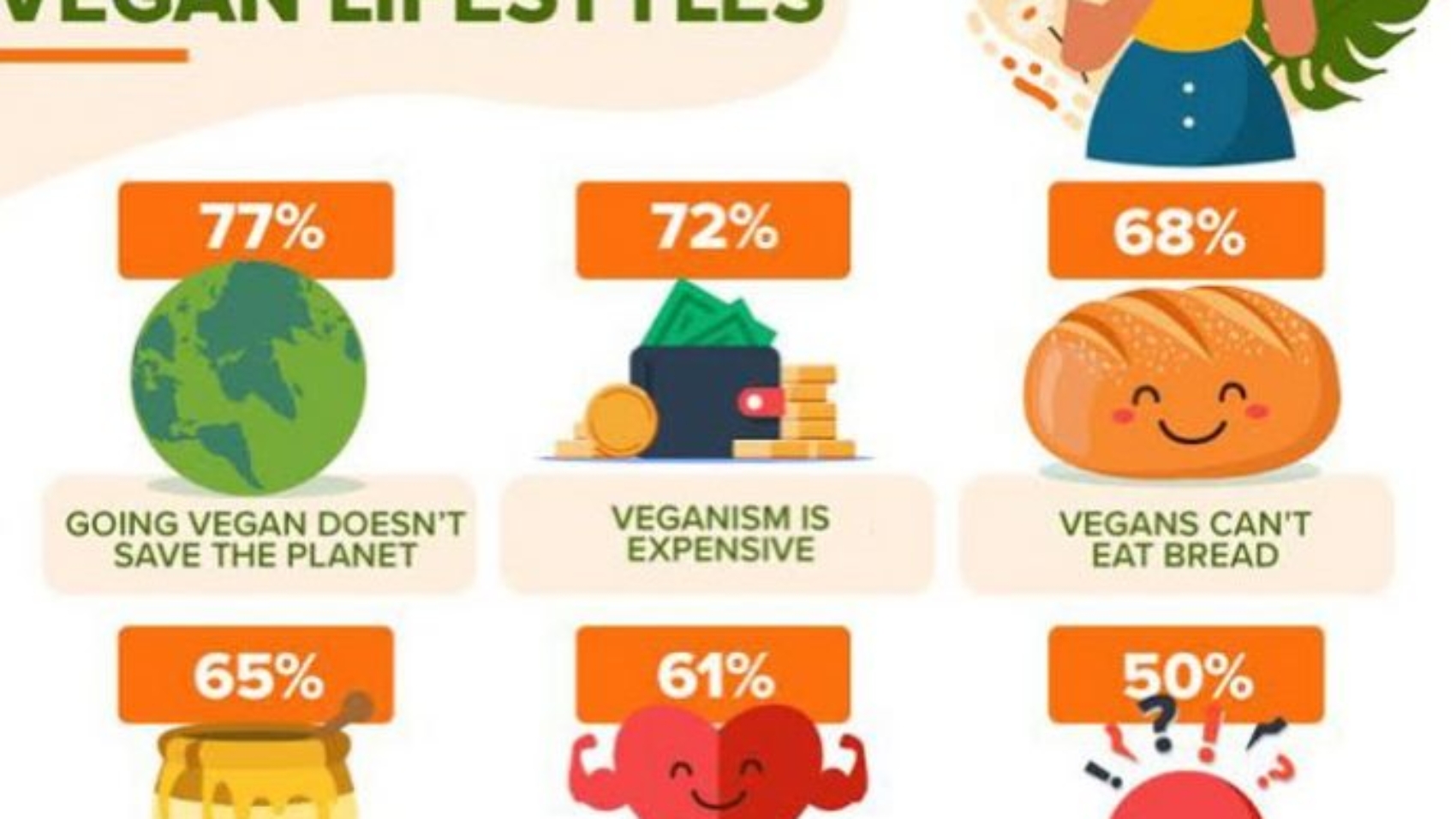
What are some of the most common myths about veganism that you hear?

What are some of the most common myths about veganism that you hear?

Many people have misconceptions when it comes to veganism and whole foods healthy lifestyles. The following are some of the most common myths about veganism that you hear:

  1. A plant-based vegan diet is deficient in essential nutrients – This couldn’t be further from the truth! A whole-foods, plant-based vegan diet can provide all of the essential vitamins, minerals, and nutrients needed for a healthy lifestyle. It is important to ensure that your plate is filled with nutrient-dense whole foods such as legumes, whole grains, fruits, vegetables, nuts, and seeds.
  2. Animals don’t need to be killed for vegans to consume food – Vegans do not support animal suffering or cruelty. They simply choose not to eat animals or animal products, which eliminates the need for animals to be killed in order for them to get their food.
  3. Vegans only eat processed vegan substitutes – Many vegans do enjoy vegan substitutes like almond and soy milk, but whole foods such as fruits, vegetables, legumes, whole grains, nuts, and seeds still form the bulk of a vegan diet. Incorporating whole foods into your meals is key to getting enough nutrients and feeling satisfied.
  4. Vegan diets are expensive – A plant-based vegan diet can be quite affordable if you are smart about shopping. Purchasing whole foods that are in season is usually cheaper than buying out-of-season produce. Also focusing on whole grain staples such as oats and quinoa are great for bulking out meals, as well as being budget-friendly.

By debunking these vegan myths and highlighting the benefits of a whole foods vegan diet, it is easy to see how adopting this lifestyle can help people to live healthier and more sustainable lives.

The whole foods plant-based vegan lifestyle is gaining more and more traction each day, and with good reason! Eating whole foods that are in season is a great way to get the nutrients you need while still being affordable.

Additionally, focusing on whole grain staples can help bulk out meals and make them more satisfying. Finally, vegans do not support animal suffering or cruelty – they simply choose not to eat animals or animal products. All of these benefits combine to make a whole foods vegan diet a healthy and sustainable choice for those looking to live a healthier lifestyle.

If you are looking to transition to a vegan diet but don’t know where to start, head over to my recipes website yourplantbasedhealth.com to find hundreds of vegan recipes.

What are some of the benefits of a vegan diet?

What are some of the benefits of a vegan diet?

A whole foods vegan diet offers many benefits to those who choose to follow this lifestyle. Studies show that following a plant-based vegan diet can lead to improved health, reduced risk of chronic disease, and even weight loss. Here are 10 reasons why you should consider switching to a whole-foods vegan diet:

1) A whole foods vegan diet is low in saturated fat, cholesterol, and other unhealthy ingredients such as preservatives and additives. This helps promote optimal health and reduces the risk of developing chronic diseases like heart disease and stroke.

2) Plant-based diets are rich in fibre, vitamins, minerals, antioxidants, phytochemicals, essential fatty acids (EFAs), and other nutrients that provide numerous health benefits including improved digestion and circulation, balanced hormones, stronger immunity, and even cancer protection.

3) Eating whole foods vegan can help you reduce your risk of developing type 2 diabetes by controlling blood sugar levels. It may also help lower LDL (bad) cholesterol levels while improving HDL (good) cholesterol levels.

4) A whole foods vegan diet helps boost energy levels as it is packed with nutrient-dense whole foods that provide long-lasting fuel for the body.

5) Following a whole foods vegan diet can aid weight loss as plant-based whole foods are generally low in calories but high in fibre and nutrients which can keep hunger at bay for longer periods of time.

6) Plant-based whole foods are generally much lower in sodium, making them beneficial for those with high blood pressure.

7) Eating whole-foods vegan can help reduce inflammation levels in the body which is linked to a variety of health conditions.

8) Vegan whole foods are typically rich in antioxidants which can protect cells from damage caused by free radicals and slow down the ageing process.

9) A whole foods vegan diet may prevent or improve symptoms of certain diseases such as arthritis, irritable bowel syndrome (IBS), and other digestive issues.

10) Finally, following a whole-foods vegan diet is an ethical choice that helps reduce animal suffering, reduces water consumption, and preserves natural resources. It also shows respect for all living beings, making it a compassionate and environmentally-friendly way of eating.

A whole foods vegan diet may prevent or improve symptoms of certain diseases such as arthritis, irritable bowel syndrome (IBS), and other digestive issues. Furthermore, studies have shown that following a whole-food vegan diet can reduce inflammation levels in the body which is linked to a variety of health conditions. Finally, switching to whole foods vegan has many ethical benefits as it helps reduce animal suffering, reduces water consumption, and preserves natural resources. It also shows respect for all living beings, making it a compassionate and environmentally-friendly lifestyle choice.

So why not give whole foods vegan a try?

With some planning and an open mind, you can easily transition to plant-based whole-food eating for improved health and well-being. Make the switch today and reap the benefits of becoming a whole-foods vegan!

For 100s of vegan recipes go to yourplantbasedhealth.com you’ll be shocked at the variety of different recipes.

What advice would you give to someone who is interested in becoming a vegan, but is unsure about where to start?

What advice would you give to someone who is interested in becoming a vegan, but is unsure about where to start?

If you’re considering transitioning to a whole-food vegan diet, there are several benefits that make the lifestyle worth exploring. Here are 10 reasons why going vegan could benefit your health:


  1. You’ll get more whole grains, fruits, and vegetables in your diet – these are full of essential vitamins and minerals that help keep our bodies healthy.
  2. Eating plant-based meals reduces the consumption of unhealthy processed foods high in calories, fat, salt, and sugar.
  3. Research has shown that eating whole plant-based foods can reduce the risk of developing certain chronic diseases like heart disease and diabetes.
  4. Plant-based diets require no animal products or byproducts which means fewer environmental pollutants and the potential for better animal welfare.
  5. Eating whole plant-based foods is naturally low in saturated fat and cholesterol, which can help improve overall health and reduce the risk of heart disease.
  6. Many vegan diets are high in fiber, which helps support digestion and promotes a healthy gut microbiome.
  7. Eating whole vegetables, fruits, legumes, nuts, seeds, and whole grains provides an abundance of essential vitamins and minerals that you may be missing out on if you’re not eating these foods regularly.
  8. Eating whole plant-based foods can result in weight loss as well as long-term weight management due to their lower calorie content compared to animal products like eggs or cheese.
  9. Plant-based diets are associated with lower rates of cancer, as whole plant foods contain more phytochemicals which may help protect cells from damage and mutations.
  10. Transitioning to a whole foods vegan diet is an easy way to reduce your carbon footprint and make a positive impact on the environment.

Overall, transitioning to a whole foods vegan lifestyle can provide many benefits that go beyond just nutrition – it helps support animal welfare, reduce environmental pollutants, and can even result in better overall health.

To ease into the transition, start by slowly introducing whole plant-based meals into your diet one at a time until you’re comfortable with the idea of becoming a full-time vegan.

For 100s of vegan recipes go to yourplantbasedhealth.com you’ll be shocked at the variety of different recipes.