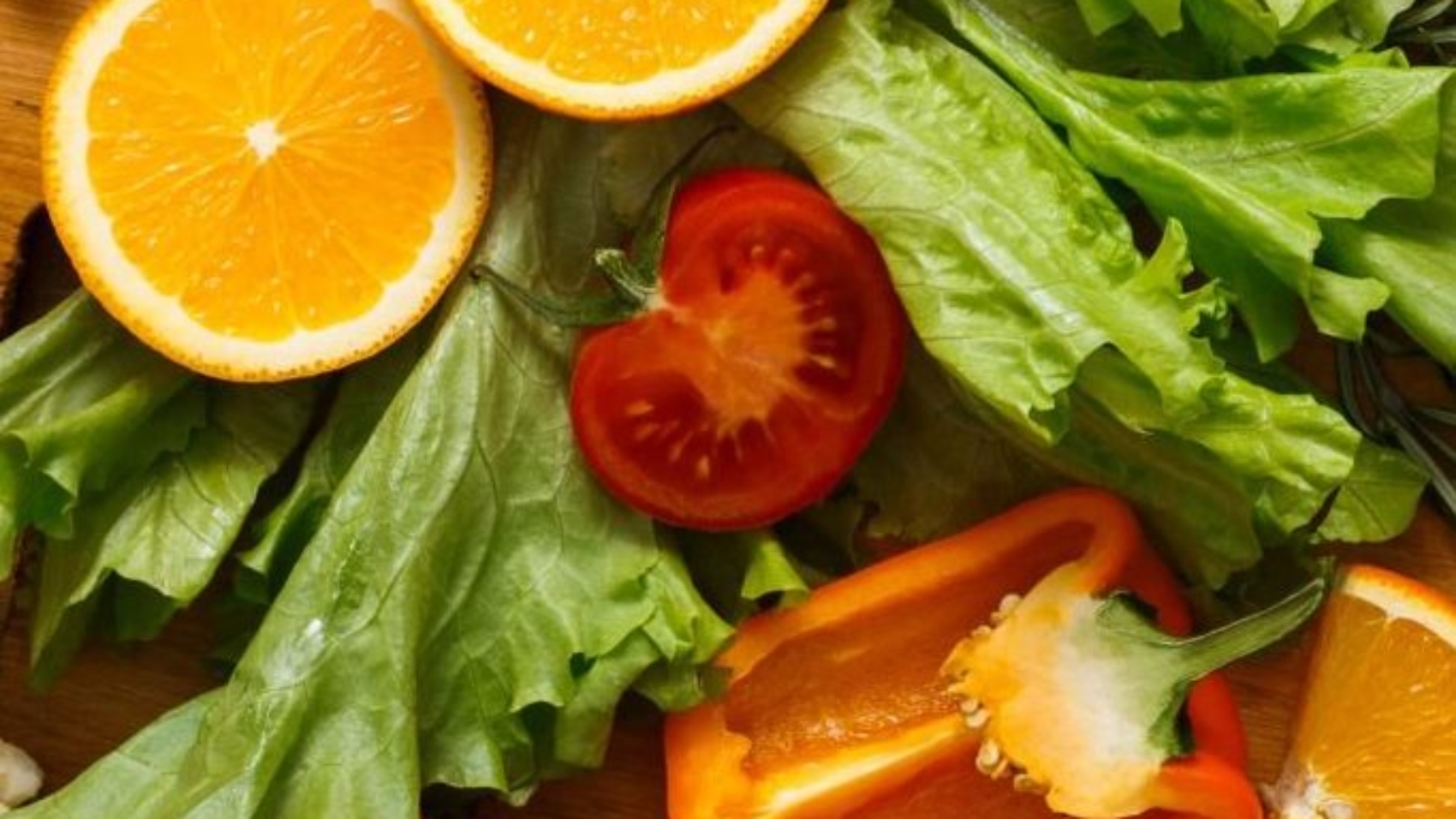
What are the most common reasons people give for not wanting to become vegan?

What are the most common reasons people give for not wanting to become vegan?

Many people are hesitant to become vegan due to misconceptions about whole foods and the lifestyle it requires. Common objections include not wanting to miss out on favourite dishes, feeling that a vegan diet is too restrictive, or believing that whole-foods-based diets are too expensive and complicated.

It’s true that transitioning to a whole food plant-based lifestyle can require some adjustment, but there are many benefits. Eating more whole foods such as fruits, vegetables, grains, and legumes can lead to improved health outcomes by reducing cholesterol levels, regulating blood pressure, and helping with weight loss. Furthermore, whole-food sources of protein provide essential amino acids needed for optimal health while being much lower in saturated fat than animal products. Plus, eating this way is often more affordable than relying on prepackaged vegan alternatives.

Many of the objections to veganism have their roots in misconceptions about whole-foods based diets. While it is true that some whole foods may not be as convenient or tasty as processed options, the rewards are worth it. With a little creativity and experimentation, you can find delicious whole-food recipes that will leave you feeling energised and satisfied while helping to protect our planet’s resources. So why not give whole-foods-based veganism a try? You may just discover how great eating this way can make you feel. After all, what do you have to lose? Except for maybe a few pounds… 😉

Here is a list of the top 5 things you’ll be missing out on if you go vegan

  1. Animal products like dairy, eggs, and meat that are high in saturated fat
  2. Prepackaged foods with artificial flavours and preservatives
  3. Unhealthy snacks such as chips, candy bars, and cookies
  4. Processed sugar-sweetened drinks
  5. Foods with added hormones or antibiotics used in animal agriculture

By trading these items for whole food plant-based options you’ll enjoy the numerous benefits of veganism while doing something kind to both your body and our planet! Eating whole foods is a great way to start living a healthier lifestyle and becoming a vegan can be an easy transition. So why not give it a try? You just might find it’s life-changing.

A whole-foods-based vegan lifestyle is an excellent way to improve your overall health and well-being. It can provide essential vitamins, minerals, fibre, carbohydrates, and proteins that the body needs for optimal functioning. Additionally, whole foods are often more affordable than processed products and don’t contain any of the unhealthy additives or preservatives found in many animal products. By cutting out animal fats from your diet, you’ll be able to reduce cholesterol levels and keep your blood pressure normal. Eating whole plant-based foods can also help with weight loss by providing fewer calories per serving compared to their animal-based counterparts.

Finally, veganism is good for the environment and helps protect valuable resources like water, land, and energy. All of these benefits make whole-food veganism an attractive option for those looking to improve their health. So why not give it a try? You just might find that it’s life-changing!
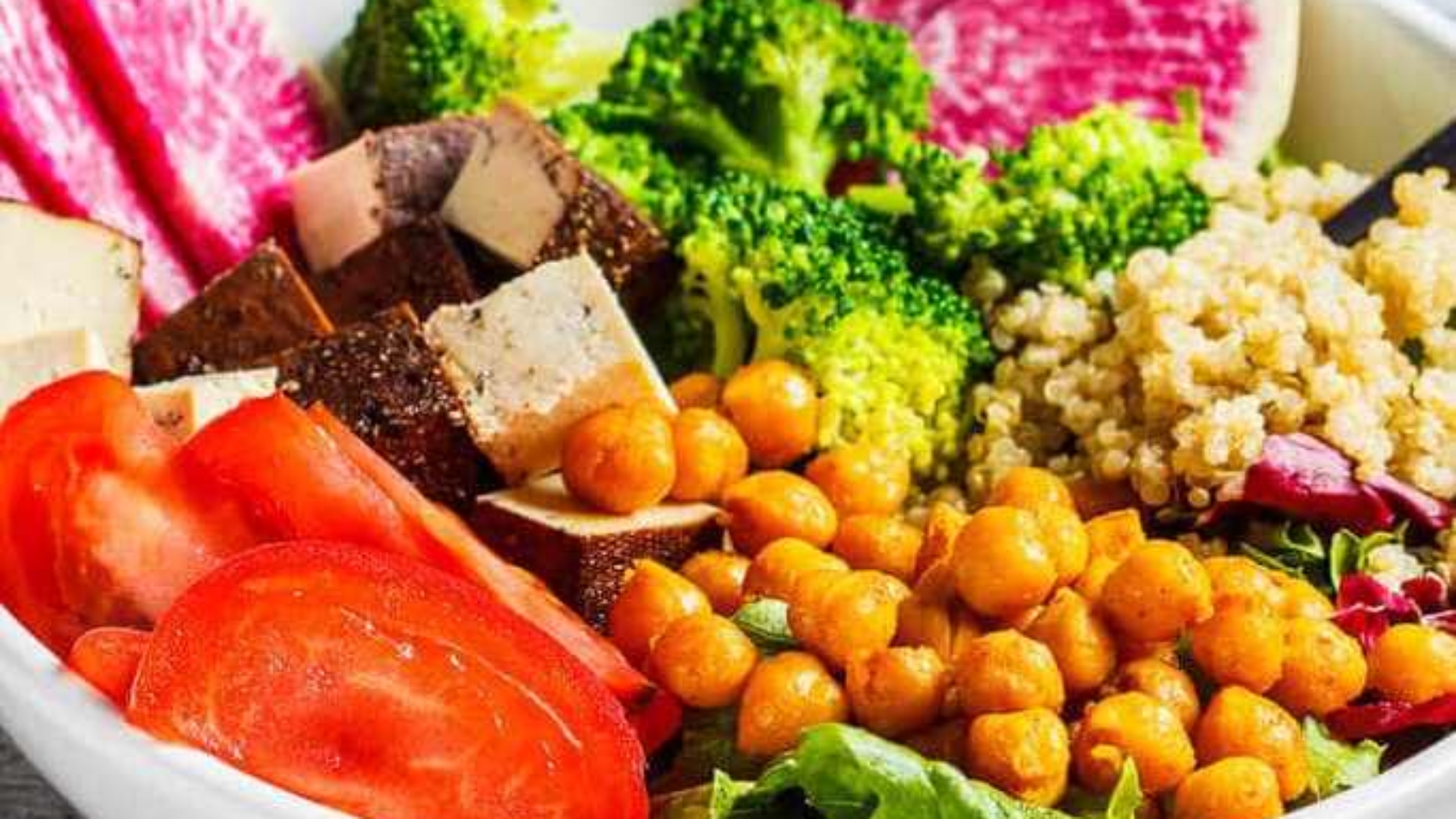
 

10 reasons why you should eat a whole foods plant based diet

10 reasons why you should eat a whole foods plant based diet

Making the switch to whole-foods vegan eating is a great way to care for your health, the planet, and all living beings in an ethical and responsible manner. With some planning and an open mind, you can easily transition to plant-based whole-food eating for improved health and well-being.If you’re considering making the switch to whole-foods vegan eating but don’t know where to start, here are 10 reasons why you should do so:

  • A whole foods vegan diet can help reduce the risk of developing type 2 diabetes by controlling blood sugar levels.

2) It may also help lower LDL (bad) cholesterol levels while improving HDL (good) cholesterol levels.

3) A whole foods vegan diet helps boost energy levels as it is packed with nutrient-dense whole foods that provide long-lasting fuel for the body.

4) Following a whole foods vegan diet can aid weight loss as plant-based whole foods are generally low in calories but high in fiber and nutrients which can keep hunger at bay for longer periods of time.

5) Plant-based whole foods are generally much lower in sodium, making them beneficial for those with high blood pressure.

6) Eating whole foods vegan can improve digestion and nutrient absorption.

7) It may also reduce inflammation levels in the body which is linked to a variety of health conditions.

8) Vegan whole foods are typically rich in antioxidants which can protect cells from damage caused by free radicals and slow down the aging process.

9) A whole foods vegan diet may prevent or improve symptoms of certain diseases such as arthritis, irritable bowel syndrome (IBS), and other digestive issues.

10) Finally, following a whole-foods vegan diet is an ethical choice that helps reduce animal suffering, reduces water consumption, and preserves natural resources. It also shows respect for all living beings, making it a compassionate and environmentally-friendly way of eating.

The benefits of becoming a plant-based vegan are clearly undeniable. From improved digestion and circulation to balanced hormones, stronger immunity, cancer protection, weight loss, and even disease prevention – the health benefits of whole foods vegan eating have been well documented.

Additionally, there are many ethical benefits that come with this diet such as helping reduce animal suffering and preserving natural resources. Now more than ever is the perfect time to make the switch to whole-foods vegan eating!

Make the switch today and reap the benefits of becoming a whole-foods vegan!

For 100s of vegan recipes go to yourplantbasedhealth.com you’ll be shocked at the variety of different recipes.

What Body Type Are You?

There are many ways to classify body types, but one common method is to divide people into three categories based on their body shape: ectomorph, mesomorph, and endomorph.

Ectomorphs are generally thin and have a hard time gaining weight. They tend to have a small frame and are generally more agile and lean. Ectomorphs may find it difficult to build muscle mass, but they are often able to lose fat relatively easily.

Mesomorphs are generally muscular and athletic. They tend to have a medium frame and are able to build muscle and lose fat more easily than the other body types. Mesomorphs are naturally strong and usually have a pear or hourglass shaped body.

Endomorphs are generally rounder and softer, with a larger frame. They tend to gain weight and build muscle easily, but may have a harder time losing fat. Endomorphs have a slower metabolism and may be prone to carrying extra weight around the hips and thighs.

It’s important to note that these categories are not strict and many people may fall into more than one category or have characteristics of multiple body types. It’s also worth noting that body type is not the only factor that determines a person’s physical characteristics and ability to gain muscle or lose fat. Genetics, diet, and exercise also play a role.

How to eat healthy for your body type

Here are some general guidelines you can follow to maintain a healthy diet regardless of your body type.

Eat a variety of foods: Try to include a variety of different foods in your diet, including fruits, vegetables, whole grains, and lean proteins.

Practice portion control: It’s important to pay attention to portion sizes, especially if you’re trying to lose weight. Using smaller plates can help you control your portions.

Stay hydrated: Drink plenty of water throughout the day to help keep your body hydrated and functioning properly.

Limit added sugars and unhealthy fats: Try to limit your intake of foods that are high in added sugars and unhealthy fats, such as sugary drinks and fried foods.

Get enough sleep: Make sure you’re getting enough sleep each night, as this can help regulate your appetite and metabolism.

Be active: Regular physical activity can help you maintain a healthy weight and improve your overall health.

How to exercise for your body type

There are a few different body types that people may have, and the best way to exercise for each type may vary somewhat.

Here are a few general tips for how to exercise based on your body type:

Ectomorphs (naturally thin, with a harder time gaining weight): These body types may benefit from weight training to help build muscle mass. It can also be helpful to eat a calorie-dense diet and to focus on compound exercises that work multiple muscle groups at once.

Endomorphs (naturally round or curvy, with a harder time losing weight): These body types may benefit from a combination of cardiovascular exercise and strength training to help burn calories and build muscle. It can also be helpful to pay attention to portion sizes and to choose healthier food options.

Mesomorphs (naturally athletic and muscular): These body types may have an easier time building muscle and may do well with a combination of weight training and cardiovascular exercise. It can be helpful to vary your workouts to challenge your muscles and to allow for adequate rest and recovery.

It’s important to remember that everyone is different and that the best exercise plan for you will depend on your individual needs and goals. It may be helpful to consult with a healthcare professional or a certified personal trainer to determine the best plan for you.

To read our latest blog click here:  7-day Full Body Exercise Plan For Weight Loss And Toning

Follow Us On Facebook | Instagram

Plant-based Diet Help To Reduce The Symptoms Of Depression And Anxiety?

How can a whole foods plant-based diet help to reduce the symptoms of depression and anxiety?

A whole foods plant-based diet can be beneficial for reducing the symptoms of depression and anxiety. This type of diet is rich in fruits, vegetables, whole grains, legumes, nuts, and seeds, and is typically low in processed foods, animal products, and added sugars.

There is evidence to suggest that a whole foods plant-based diet may have a positive impact on mental health. For example, a review of 12 studies found that plant-based diets were associated with a significant reduction in depression symptoms.

Another study found that a plant-based diet was associated with a lower risk of anxiety disorders.It is thought that the beneficial effects of a whole foods plant-based diet on mental health may be due to a variety of factors, including the presence of antioxidants, fibre, and other nutrients that support brain health, as well as the absence of unhealthy ingredients that may contribute to the development of mood disorders.

What plant-based foods help with depression and anxiety?

  • There are a variety of plant-based foods that may help to reduce the symptoms of depression and anxiety. Here are a few examples:
  • Leafy green vegetables: These are rich in antioxidants and nutrients that support brain health, such as folate and magnesium.
  • Nuts and seeds: These are high in healthy fats, such as omega-3 fatty acids, which may help to reduce inflammation and improve mood.
  • Legumes: These are a good source of protein, fibre, and complex carbohydrates, which can help to regulate blood sugar levels and improve energy.
  • Fruits: These are rich in antioxidants and other nutrients that may help to support brain health.
  • Whole grains: These are a good source of complex carbohydrates, which can help to regulate blood sugar levels and
  • improve energy.It is important to note that no single food can cure depression or anxiety.
  • A healthy, balanced diet that includes a variety of plant-based foods is the best approach for supporting overall mental health.

Why you should ditch the meat, dairy, and processed food and opt for a whole foods, plant-based diet?

There are a number of reasons why you might choose to ditch meat, dairy, and processed foods in favour of a whole foods, plant-based diet:

  • Improved health: A whole foods, plant-based diet may reduce the risk of a number of chronic conditions, such as heart disease, diabetes, and certain cancers. It may also improve overall health and well-being.
  • Weight loss: Plant-based diets are often lower in calories and fat than diets that include animal products, which may make them effective for weight loss.
  • Environmental benefits: Plant-based diets require fewer natural resources to produce, such as land, water, and energy, compared to diets that include animal products.
  • Animal welfare: Animals suffer horrific conditions and and are slaughtered in inhumane ways so we can eat food that is unhealthy. Animal cruelty is something that should not be tolerated for any reason.

Why a whole foods plant-based diet can reduce lifestyle diseases

There is evidence to suggest that a whole foods plant-based diet may be effective for reducing the risk of certain chronic diseases, such as heart disease, diabetes, and certain cancers. This may be due to a variety of factors, including the following:

High intake of fibre: Plant-based diets are typically high in fibre, which can help to lower cholesterol levels and regulate blood sugar levels.

Low intake of saturated fat: Plant-based diets are typically low in saturated fat, which can help to reduce the risk of heart disease.

High intake of antioxidants: Fruits and vegetables are rich in antioxidants, which can help to protect cells from damage and reduce the risk of chronic diseases.

Low intake of processed foods: A whole foods plant-based diet is typically low in processed foods, which can be high in added sugars, unhealthy fats, and additives that may contribute to the development of chronic diseases.

How to start a plant-based diet lifestyle

Starting a plant-based diet can be a healthy and enjoyable way to eat. Here are a few tips to help you get started:

Make a plan: Consider your goals and preferences, and plan your meals and snacks accordingly. Make a list of plant-based foods that you like, and try to incorporate a variety of these into your diet.

Stock your pantry and fridge: Keep your kitchen well-stocked with a variety of plant-based foods, such as fruits, vegetables, whole grains, legumes, nuts, and seeds.Experiment with new foods and recipes: Try new plant-based foods and recipes to keep things

interesting. There are many delicious and easy-to-prepare plant-based meals and snacks available.Don’t be afraid to eat out: Many restaurants offer plant-based options, or can make modifications to dishes to make them plant-based.

Seek support: Consider joining a plant-based community or working with a health coach like me who can help you navigate the transition to a plant-based diet.

Remember, there is no “one-size-fits-all” approach to eating a plant-based diet. It is important to find what works best for you and to seek the advice of a health professional if you have any concerns.

Did you find this helpful?

To read our latest blog click here: 10 Things You Didn’t Know About The Menopause 

Follow Us On Facebook | Instagram

Weight Loss And Sleep

Weight loss and sleep – Five ways to get more sleep

Why is sleep important

Sleep is important for a number of reasons. It helps to restore and rejuvenate the body, as well as support healthy brain function. During sleep, your body is able to repair and regrow tissues, consolidate memories, and process and consolidate information learned during the day. Adequate sleep is also important for maintaining a healthy immune system and for regulating mood, appetite, and other essential bodily functions. Inadequate sleep can lead to a range of health problems, including obesity, diabetes, and an increased risk of developing certain diseases and disorders.

Why is sleep important for weight loss

There is some evidence to suggest that sleep may play a role in weight loss. Research has shown that people who get sufficient sleep tend to have a healthier body weight than those who don’t. It’s not entirely clear why this is the case, but there are a few theories. One theory is that lack of sleep may disrupt the balance of hormones in the body that regulate appetite, leading to an increase in appetite and cravings for high-calorie, sugary foods. Another theory is that lack of sleep may lead to an increase in the hunger hormone ghrelin and a decrease in the hormone leptin, which can increase appetite and lead to weight gain. Additionally, when you’re sleep deprived, you may have less energy and motivation to be physically active, which can also contribute to weight gain.

Five ways to get more sleep

  1. Stick to a consistent sleep schedule by going to bed and waking up at the same time every day.
  2. Create a relaxing bedtime routine, such as taking a warm bath or reading a book, to wind down before sleep.
  3. Make sure your bedroom is comfortable and conducive to sleep, with a comfortable bed and pillows, and a cool, dark, and quiet environment.
  4. Avoid screens, such as TVs, smartphones, and tablets, for at least an hour before bed, as the blue light emitted by these devices can disrupt your body’s natural sleep-wake cycle.
  5. Try to relax and clear your mind before sleep. Practice relaxation techniques, such as deep breathing or progressive muscle relaxation, to help you relax and fall asleep more easily

If you continue to suffer from a lack of sleep, it’s important to speak with your doctor and discuss potential treatments. Your doctor can help identify any underlying medical conditions that could be causing the issue and provide recommendations on how to improve your sleep habits or lifestyle changes that may help. Depending on the cause, they may suggest medications or other therapies such as cognitive-behavioral therapy (CBT) to address the underlying issues. Additionally, making sure you have a comfortable sleep environment is important; blue light exposure should be minimized in the evening, and noise levels should be kept low throughout the night. Finally, good sleep hygiene practices are essential for getting quality rest – so keep regular bedtimes and wake times, don’t use electronic devices before bed, and try to avoid caffeine, nicotine, or alcohol in the evening. With these tips and your doctor’s guidance, you can begin restoring restful sleep and improve your overall health.

Good luck! I hope this advice helps.

To read our latest blog click here: How To Get Rid Of Bingo Wings Naturally

Follow Us On Facebook | Instagram

Mixed Winter Veggie Curry With Poppy Seeds

Mixed Winter Veggie Curry With Poppy Seeds

Nothing is more comforting than a warm curry laced with delicious spices, and this vegan Indian dish really hits the nail on the head. Green beans, carrots, potatoes, and cauliflower are cooked in the savory homemade curry sauce, which gets an extra pop of flavor from toasted poppy seeds. Ready in under half an hour, this is a great weeknight recipe for days when you’re short on time but don’t want to skimp on flavor.

This is a nourishing dish showcasing the rich taste of Indian curry—it’s perfect when paired with steamed rice. The word curry comes from the southern Indian word kari, which means “sauce”—and if you’re used to cooking with store-bought curry powder, you’ll be amazed by the flavor in this homemade sauce.

INGREDIENTS

  • 1 cup green beans, trimmed, cut into Âź-inch pieces
  • 2 carrots, peeled and sliced
  • 1 medium potato, chopped (about 1 cup)
  • 1 cup cauliflower florets
  • ½ teaspoon cumin seeds
  • 3 tablespoons white poppy seeds
  • 1 small yellow onion, peeled and finely chopped
  • 1 clove garlic, peeled and minced
  • ½ teaspoon grated ginger
  • ⅛ teaspoon ground cloves
  • ⅛ teaspoon ground cinnamon
  • Pinch ground cardamom
  • Âź teaspoon freshly ground black pepper, or to taste
  • ½ teaspoon turmeric
  • 1 medium tomato, chopped (about 1 cup)
  • 1 teaspoon salt, or to taste
  • 2 tablespoons raw cashews, finely ground (see chef’s note)
  • ½ tablespoon fresh lime juice
  • 1 tablespoon chopped cilantro

INSTRUCTIONS

  1. Steam the green beans, carrots, potato, and cauliflower in a double boiler or steamer basket for 8 to 10 minutes, or until tender. Set aside.
  2. In a dry skillet over medium-low heat, toast the cumin seeds for 2 minutes. Add the poppy seeds and toast for another 2 to 3 minutes until the poppy seeds begin to brown. Remove from the heat and let cool. Combine the toasted seeds, onion, garlic, ginger, cloves, cinnamon, cardamom, pepper, and turmeric in a blender and process into a thick paste. Add the paste to a large skillet and cook on medium heat for 5 to 7 minutes.
  3. Add the tomato to the blender and puree until smooth. Add the tomato puree and salt to the onion paste in the skillet and cook for another 2 to 3 minutes. Add the cashew powder and cook for 2 minutes. Add the steamed vegetables, lime juice, and 1½ cups of water and bring the mixture to a boil. Remove the pan from the heat and serve garnished with the cilantro.

         Notes: Use a spice grinder to grind the raw cashew nuts into a fine powder.

View List Of All Recipe On Create That Body

Learn More About Isabella Hawke | Follow Us On Facebook | Instagram

Hearty Kale Salad With Warm Citrus And Wheat Berries

Hearty Kale Salad With Warm Citrus And Wheat Berries

Your standard kale salad gets a delicious upgrade with baked citrus segments, chewy wheat berries, and a zesty mustard vinaigrette. This recipe is particularly delicious in the winter months when you’re craving a warm meal that’s still packed with nutritious veggies. The heat from the cooked citrus and wheat berries gently wilts the kale and softens its earthy flavor so every bite is tender and satisfying. A simple garnish of fresh chives and crunchy walnuts really takes this salad to the next level!

Tip: For 3 cups cooked wheat berries, combine 1½ cups dry wheat berries and 6 cups water in a saucepan. Bring to boiling; reduce heat. Cover and simmer for 45 to 60 minutes or until tender. Drain any remaining water; cool. Place in an airtight container and chill up to 5 days.

INGREDIENTS

  • 8 kumquats, halved
  • 4 navel or Cara Cara oranges, peeled and sliced
  • 2 tangerines, peeled and sliced
  • 1 pink or red grapefruit, peeled and sliced
  • 2 tablespoons orange juice
  • 1 tablespoon pure maple syrup
  • Âź teaspoon crushed red pepper
  • 4 cups chopped fresh kale, ribs removed
  • 3 cups cooked wheat berries
  • 2 tablespoons red wine vinegar
  • 2 tablespoons lemon juice
  • 1 tablespoon Dijon mustard
  • Sea salt, to taste
  • Freshly ground black pepper, to taste
  • 2 tablespoons chopped fresh chives
  • Âź cup chopped toasted walnuts

INSTRUCTIONS

  1. Preheat oven to 400°F. Place kumquats, oranges, tangerines, and grapefruit in a 15×10-inch baking pan. In a small bowl combine orange juice, maple syrup, and crushed red pepper. Drizzle over fruit. Bake 35 to 40 minutes or until fruit is just beginning to brown in places. Cool 5 minutes on a wire rack.
  2. In a large bowl toss together kale and wheat berries. Add baked fruit. In a small bowl whisk together vinegar, lemon juice, and mustard. Drizzle over salad and toss gently to combine. Season with salt and black pepper. Sprinkle with chives and walnuts.

View List Of All Recipe On Create That Body

Learn More About Isabella Hawke | Follow Us On Facebook | Instagram

Spiced Eggplant-Stuffed Peppers

Spiced Eggplant-Stuffed Peppers

The melt-in-your-mouth texture of cooked eggplant is the perfect complement to nutty chickpeas, tangy tomatoes, and roasted bell peppers. Whether you’re serving these tasty peppers as a main or a side, they’ll steal the show.

These saucy stuffed peppers feature a hearty mix of spiced chickpeas and tender roasted eggplant. This recipe makes its own rich tomato sauce as the peppers cook, saving time and dirty dishes. To round out the Mediterranean flavors, consider serving with a side of whole wheat couscous.

INGREDIENTS

  • 2 large eggplants (1 lb. each)
  • 1 28-oz. can no-salt-added whole peeled tomatoes
  • 1 clove garlic, minced
  • 2½ teaspoons ground cumin
  • 1Âź teaspoons paprika
  • 1Âź teaspoons ground coriander
  • 1 15-oz. can chickpeas, rinsed and drained (1½ cups)
  • 1 onion, finely chopped (1 cup)
  • 3 cloves garlic, chopped
  • 6 medium yellow and/or green bell peppers

INSTRUCTIONS

  1. Preheat oven to 400°F. Prick both eggplants several times with a fork; place on a rimmed baking sheet. Roast 30 to 35 minutes or until soft all over when touched. Cool about 15 minutes or until easy to handle. Reduce oven temperature to 375°F.
  2. Meanwhile, drain liquid from canned tomatoes into bottom of a 3-qt. baking dish. Add minced garlic, 1½ teaspoons of the cumin, and Ÿ teaspoon each of the paprika and coriander; mix well.
  3. Coarsely chop drained tomatoes; spread half of the tomatoes in baking dish. Place the remaining tomatoes in a medium bowl.
  4. Peel and coarsely chop eggplants. Add eggplants, chickpeas, onion, and chopped garlic to bowl with tomatoes. Stir in the remaining 1 teaspoon each cumin, paprika, and coriander.
  5. Cut off pepper tops and set aside; remove seeds and membranes. Spoon eggplant mixture into peppers. Place peppers in the baking dish.
  6. Bake 30 minutes. Place tops on peppers; bake 30 minutes more or until peppers are tender and tops start to brown. Serve warm or at room temperature with pan sauce on the side.

View List Of All Recipe On Create That Body

Learn More About Isabella Hawke | Follow Us On Facebook | Instagram

Vegan Niçoise Salad Bowls

Vegan Niçoise Salad Bowls

Get a taste of southern France with these produce-packed vegan niçoise bowls. Rich artichoke hearts and chewy chickpeas replace tuna and eggs without skimping on the hearty, satisfying flavors of this classic dish. You can use any briny, tangy olive in place of the Kalamatas to give you that classic zing or add a sprinkling of capers if olives aren’t your thing. A luscious tahini dressing brings a creamy element to this bowl of goodness that comes together in a flash.

Ingredients:

  • 1 lb. fingerling potatoes
  • 12 oz. thin green beans (haricots verts)
  • Sea salt, to taste
  • Freshly ground black pepper, to taste
  • 1 12-oz. package frozen artichoke hearts, thawed and quartered
  • ½ cup tahini
  • Âź cup lemon juice
  • 3 tablespoons chopped fresh parsley
  • 3 cloves garlic, minced
  • ½ teaspoon ground cumin
  • ⅛ teaspoon cayenne pepper (optional)
  • 4 cups butterhead lettuce leaves
  • 1 15-oz. can no-salt-added chickpeas, rinsed and drained (1½ cups)
  • 3 medium tomatoes, cut into wedges
  • ½ cup slivered red onion
  • Âź cup chopped pitted Kalamata olives
  • 1 tablespoon fresh thyme leaves

Instructions:

  1. Place potatoes in a steamer basket in a large saucepan. Add water to saucepan to just below the basket. Bring to boiling. Steam, covered, 12 minutes or until tender. Transfer potatoes to a large bowl; let cool. Return steamer basket to saucepan. Place green beans in steamer basket. Steam, covered, 5 to 8 minutes or until crisp tender. Remove steamer basket from pan and let beans cool. Season beans and potatoes with salt and pepper. Set artichoke hearts in a colander set in the sink and pour hot water over them; drain well.
  2. For Tahini Sauce, stir together tahini, lemon juice, garlic, cumin, cayenne pepper (if using). Season to taste with salt and pepper. Stir in Âź cup water, 1 tablespoon at a time, to reach drizzling consistency.
  3. Place lettuce in bowls. Arrange potatoes, beans, artichoke hearts, chickpeas, tomatoes, and onion in bowls. Sprinkle with olives and thyme leaves. Drizzle with Tahini Sauce.

View List Of All Recipe On Create That Body

Learn More About Isabella Hawke | Follow Us On Facebook | Instagram

What Are Vegans Allowed To Eat

What are vegans allowed to eat

Vegans are allowed to eat a variety of foods, including fruits, vegetables, grains, legumes, and nuts. While some vegans choose to avoid all animal products, others may allow themselves to consume honey or eggs on occasion. The key for all vegans is to make sure that their diet is well-rounded and provides all the nutrients they need to stay healthy.

How to make sure your food is vegan

When you are preparing food for yourself or others, it is important to make sure that all the ingredients are vegan. Here are some tips:

– Check the labels on all packaged foods. Many processed foods contain animal products, such as milk, eggs, or honey.

– When cooking with oils, choose vegetable oil instead of animal-based fats, such as lard or butter.

– When baking, experiment with plant-based milks, such as soy milk or almond milk, in place of cow’s milk. There are also many vegan egg replacements available at most grocery stores.

– Be aware of hidden sources of animal products. For example, some types of bread may be made with whey (a dairy product) or eggs.

– When eating out, confirm with the waiter or chef that the dish you are interested in is indeed vegan.

Why it’s important not to eat non-vegan foods

There are a number of reasons why vegans choose not to eat animal products. For some, it is a moral or ethical decision based on the belief that animals should not be exploited for human use. Others may avoid animal products for health reasons, as a way to reduce their risk of heart disease, cancer, and other chronic conditions. Whatever the reason, it is important to be aware of the potential risks of consuming non-vegan foods.

For example, animal products may contain harmful bacteria that can cause food poisoning. Animal products may also contain saturated fats and cholesterol, which can increase your risk of heart disease and stroke. Finally, some animal products may contain hormones or other growth factors that can have negative health effects.

Why you may crave meat and dairy early into a vegan diet

When you first switch to a vegan diet, you may find that you crave meat and dairy products more than usual. This is perfectly normal! It takes time for your body to adjust to the new way of eating.

If you find yourself craving animal products, there are a few things you can do to ease the transition:

– Try plant-based versions of your favorite foods. For example, if you love burgers, try a vegan burger made with beans or mushrooms.

– Incorporate more whole grains, fruits, and vegetables into your diet. These nutrient-rich foods will help keep you feeling full and satisfied.

– Make sure you’re getting enough protein. Good sources of vegan protein include beans, lentils, tofu, and tempeh.

– Drink plenty of water. Staying hydrated will help you feel your best during the transition to a vegan diet.

With a little time and effort, you’ll be able to stick to your vegan diet and enjoy all the benefits it has to offer!

By following these tips, you can be sure that you are getting all the nutrients you need without consuming any animal products.

View List Of All Recipe On Create That Body

Learn More About Isabella Hawke | Follow Us On Facebook | Instagram