Vegan Diets

Vegan Diets

Vegan Diets: A Greener Choice for Both You and the Planet

In recent years, there has been a growing awareness of the environmental impact of our dietary choices. As the world grapples with pressing issues like climate change and resource scarcity, understanding how our food choices affect the planet is crucial. A recent study published in the International Journal of Environmental Research and Public Health has shed light on this topic, revealing that a vegan diets is not only better for the environment but also offers significant health benefits compared to a Mediterranean diet.

The Environmental Impact: Vegan vs. Mediterranean Diet

The study employed a method known as the Life Cycle Assessment to evaluate the environmental footprint of different diets. The findings were clear: the vegan diet emerged as the eco-friendly winner. It was found to have a 44% lower total environmental impact when compared to the Mediterranean diet. This revelation underscores the importance of making mindful dietary choices in the context of environmental sustainability.

But why is the vegan diet more environmentally friendly? One primary reason is the reduced demand for animal products. The production of meat, dairy, and eggs requires substantial resources, such as land, water, and energy. Additionally, livestock farming contributes significantly to greenhouse gas emissions, deforestation, and water pollution. By eliminating or drastically reducing animal products, vegans help reduce these adverse environmental effects.

Health Benefits of a Vegan Diet

Aside from its positive impact on the environment, a vegan diet also offers numerous health advantages. Research conducted by the Physicians Committee has highlighted some key benefits:

  • Weight Loss: Participants in the study experienced an average weight loss of 13 pounds while following a vegan diet, compared to no change in the Mediterranean diet. This suggests that can be an effective tool for weight management.
  • Insulin Sensitivity: The study also showed improved insulin sensitivity among those. Enhanced insulin sensitivity is associated with a reduced risk of type 2 diabetes.
  • Cholesterol Levels: Vegan diets are naturally low in saturated fats, which can lead to lower cholesterol levels. Maintaining healthy cholesterol levels is essential for heart health.


The Vegan Diet: A Win-Win for Health and the Environment

The findings of these studies make a compelling case for choosing a vegan diets as a means of addressing both personal health and environmental concerns. By opting for plant-based foods over animal products, individuals can contribute to a significant reduction in their carbon footprint and promote a healthier planet.

It’s worth noting that transitioning to a vegan lifestyle can be a rewarding journey, but it may require some adjustment. Fortunately, there is a wealth of resources, recipes, and support available to help make the transition smoother.

In a world where the choices we make every day impact the environment, opting for a vegan diets is a step in the right direction. Not only does it reduce the burden on the planet, but it also offers tangible health benefits, as demonstrated by recent research. So, if you’re considering a dietary change that aligns with your health and environmental values, going vegan might be the sustainable choice you’ve been looking for.

To read our latest blog click here:  How Can The Right Mindset, Nutrition And Fitness Framework Improve Your Life

Follow Us On FacebookInstagram

Vegan Meal Planning for Beginners

Vegan Meal Planning For Beginners

The Ultimate Guide: Vegan Meal Planning for Beginners


Welcome to the ultimate guide vegan meal planning for beginners who are looking to embark on a plant-based journey! Whether you’re motivated by health, the environment, or animal welfare, transitioning to a vegan lifestyle can be a rewarding and fulfilling experience.

In this comprehensive guide, we’ll walk you through the basics of vegan meal planning, providing you with all the tools and knowledge you need to thrive on a plant-based diet. From understanding the essential nutrients to exploring delicious recipes and finding budget-friendly options, we’ve got you covered.

Our brand voice is supportive and approachable, so you can expect practical tips, meal ideas, and expert advice without any judgment or preachiness. We understand that everyone’s journey is unique, and our goal is to empower and inspire you to make sustainable choices that align with your values.

So, if you’re ready to discover the joys of vegan meal planning and unlock a world of vibrant flavors and nourishing ingredients, let’s dive in together. Whether you’re just starting out or seeking fresh inspiration, this guide will be your go-to resource for creating delicious and nutritious plant-based meals.

Why meal planning is important for beginners


Meal planning is a crucial aspect of successfully transitioning to a vegan lifestyle, especially for beginners. Planning your meals in advance helps you stay organised, saves time, and ensures that you have all the necessary ingredients on hand. It also helps you make healthier choices and reduces the chances of falling back into old eating habits.

When you have a meal plan, you’re less likely to rely on convenience foods or takeout, which can often be high in unhealthy fats, sugars, and sodium. By taking the time to plan your meals, you can ensure that you’re getting all the essential nutrients your body needs to thrive.

Additionally, meal planning helps you save money by reducing food waste. When you know exactly what you need to buy, you can avoid overbuying or purchasing items that may end up spoiling before you have a chance to use them. This not only benefits your wallet but also the environment.

So, whether you’re a busy professional, a student on a tight budget, or a parent juggling multiple responsibilities, meal planning is an essential tool that can help you stay on track with your vegan journey. Let’s explore the benefits of a vegan meal plan next.

Benefits of a vegan meal plan


A vegan meal plan offers numerous benefits for your health, the environment, and animal welfare. By planning your meals in advance, you can ensure that you’re consuming a well-balanced diet that meets all your nutritional needs.

One of the key benefits of a vegan meal plan is that it can help you maintain a healthy weight. Plant-based diets are generally lower in calories and saturated fats compared to their animal-based counterparts. By focusing on whole, unprocessed foods like fruits, vegetables, whole grains, legumes, nuts, and seeds, you’ll naturally consume fewer calories while still feeling satisfied.

Another advantage of a vegan meal plan is the positive impact it has on the environment. Animal agriculture is a major contributor to greenhouse gas emissions, deforestation, and water pollution. By adopting a vegan lifestyle and planning your meals around plant-based ingredients, you’re reducing your carbon footprint and making a significant difference in mitigating climate change.

Furthermore, a vegan meal plan aligns with ethical considerations by avoiding the exploitation and suffering of animals. By choosing plant-based alternatives, you’re promoting a compassionate and cruelty-free approach to food consumption.

Now that you understand the benefits of a vegan meal plan, let’s delve deeper into understanding macronutrients in a vegan diet.

Understanding macronutrients in a vegan diet


Macronutrients, also known as macros, are the three main nutrients that provide energy: carbohydrates, proteins, and fats. It’s essential to have a good understanding of these macronutrients and how to incorporate them into your vegan meal plan to ensure a well-rounded and balanced diet.

Carbohydrates are the primary source of energy for your body and should make up the largest portion of your daily caloric intake. Whole grains, legumes, fruits, and vegetables are excellent sources of carbohydrates. These foods provide essential fiber, vitamins, and minerals that promote optimal health.

Proteins play a crucial role in building and repairing tissues, as well as supporting immune function and hormone production. Plant-based protein sources include legumes, tofu, tempeh, seitan, quinoa, and edamame. It’s important to include a variety of protein-rich foods in your vegan meal plan to ensure you’re getting all the essential amino acids your body needs.

Fats are an important part of a well-balanced diet, providing energy and aiding the absorption of fat-soluble vitamins. While it’s true that plant-based diets are naturally lower in saturated fats, it’s still important to include healthy fats in your vegan meal plan. Avocados, nuts, seeds, and olive oil are excellent sources of healthy fats.

By understanding the macronutrients and incorporating them into your vegan meal plan, you can ensure that you’re getting all the essential nutrients your body needs to thrive. Next, let’s explore how to create a grocery list for vegan meal planning.

Creating a grocery list for vegan meal planning


Creating a well-thought-out grocery list is a key step in successful vegan meal planning. It helps you stay organised, saves you time and money, and ensures that you have all the necessary ingredients on hand when you’re ready to cook.

Start by taking inventory of your pantry and fridge to see what ingredients you already have. This will help you avoid buying duplicates and reduce food waste. Then, plan your meals for the week and make a list of all the ingredients you’ll need.

When creating your grocery list, focus on whole, unprocessed plant-based foods. Include a variety of fruits, vegetables, whole grains, legumes, nuts, and seeds to ensure a well-rounded and nutritious diet. Consider the recipes you’ll be making and list all the specific ingredients required.

Additionally, it’s a good idea to think about snacks and staples that you regularly consume. Having a stock of healthy snacks like fresh fruits, nuts, and homemade energy bars can help you avoid reaching for unhealthy options when hunger strikes.

Once you have your grocery list ready, head to your local grocery store or farmer’s market. Stick to your list as much as possible to avoid impulse purchases. Shopping with a list not only saves you money but also helps you stay focused and organized.

Creating a grocery list is an essential aspect of vegan meal planning that sets the foundation for successful and stress-free cooking. Next, let’s explore meal prepping for the week.

Meal prepping for the week


Meal prepping is a game-changer when it comes to vegan meal planning. By dedicating a few hours each week to prepare and portion your meals in advance, you’ll save time, reduce stress, and set yourself up for success.

Start by selecting a day of the week that works best for you to dedicate to meal prepping. This could be a Sunday or any other day when you have a few uninterrupted hours. Plan your meals for the week and make a list of all the ingredients you’ll need to prepare them.

On your designated meal prep day, set aside a few hours to cook and assemble your meals. Start by washing, chopping, and prepping your fruits and vegetables. This will make it easier to incorporate them into your meals throughout the week.

Next, cook any grains, legumes, or proteins that you’ll be using in your meals. Consider batch-cooking items like rice, quinoa, beans, lentils, and tofu, which can be easily incorporated into various dishes.

Once your components are ready, assemble your meals in individual containers or reusable bags. Portion out your grains, proteins, and vegetables, and add any sauces or dressings separately to keep everything fresh.

Having your meals prepped and ready to go eliminates the need to cook every day and ensures that you always have a healthy option available. It also makes it easier to resist the temptation of ordering takeout or relying on convenience foods when you’re short on time.

Meal prepping is a powerful tool that can help you stay on track with your vegan meal plan. It saves you time, reduces stress, and ensures that you’re always prepared with nourishing meals. Next, let’s explore some easy and nutritious vegan meal ideas for beginners.

Easy and nutritious vegan meal ideas for beginners


When you’re just starting out on your vegan journey, it’s helpful to have a collection of easy and nutritious meal ideas that you can rely on. Here are some delicious options to inspire your vegan meal planning:

Breakfast:

– Overnight oats topped with fresh fruits and nuts

– Vegan smoothie bowl with spinach, banana, almond milk, and a variety of toppings like chia seeds and granola

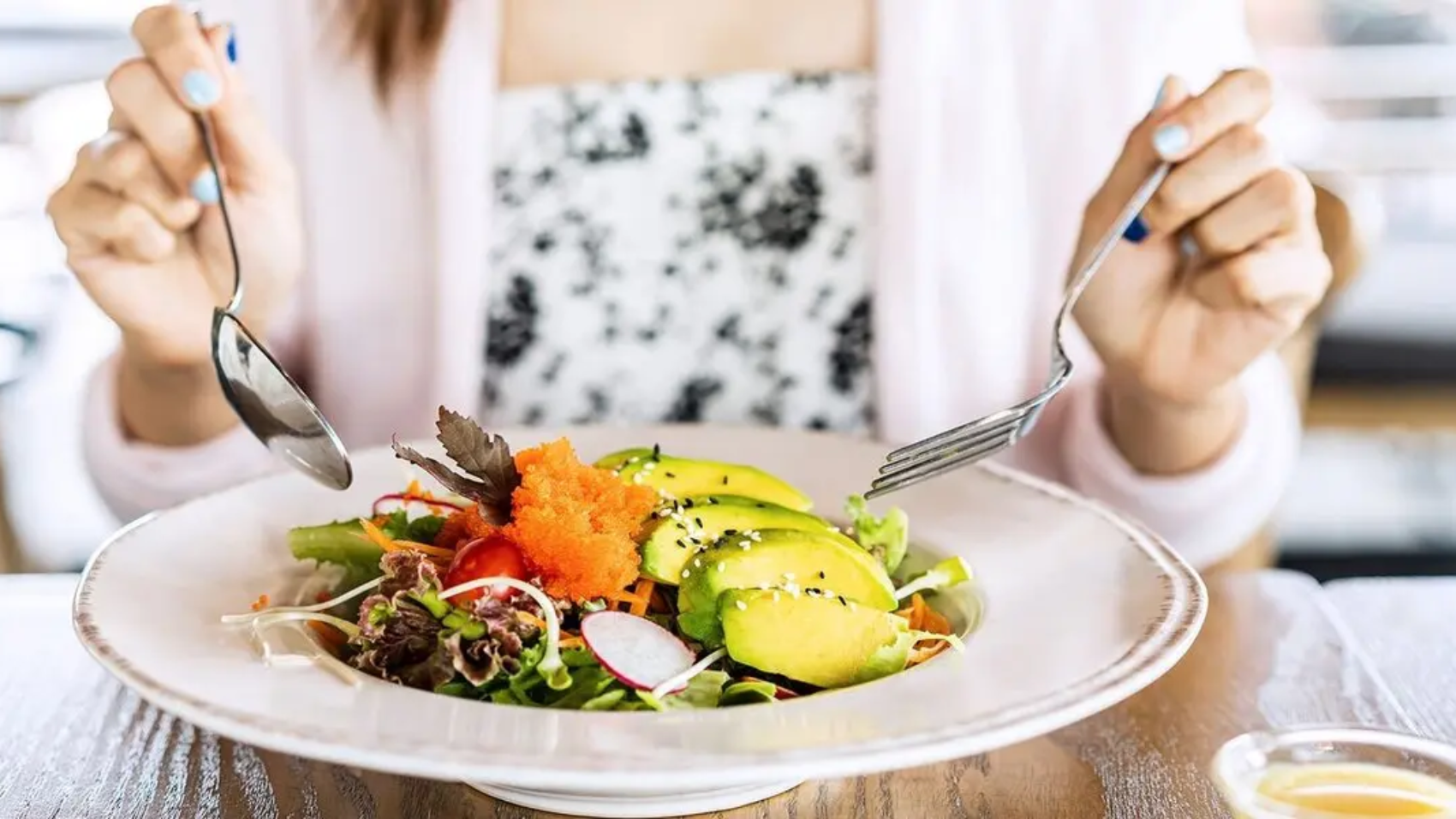
– Avocado toast on whole grain bread with a sprinkle of nutritional yeast and cherry tomatoes

Lunch:

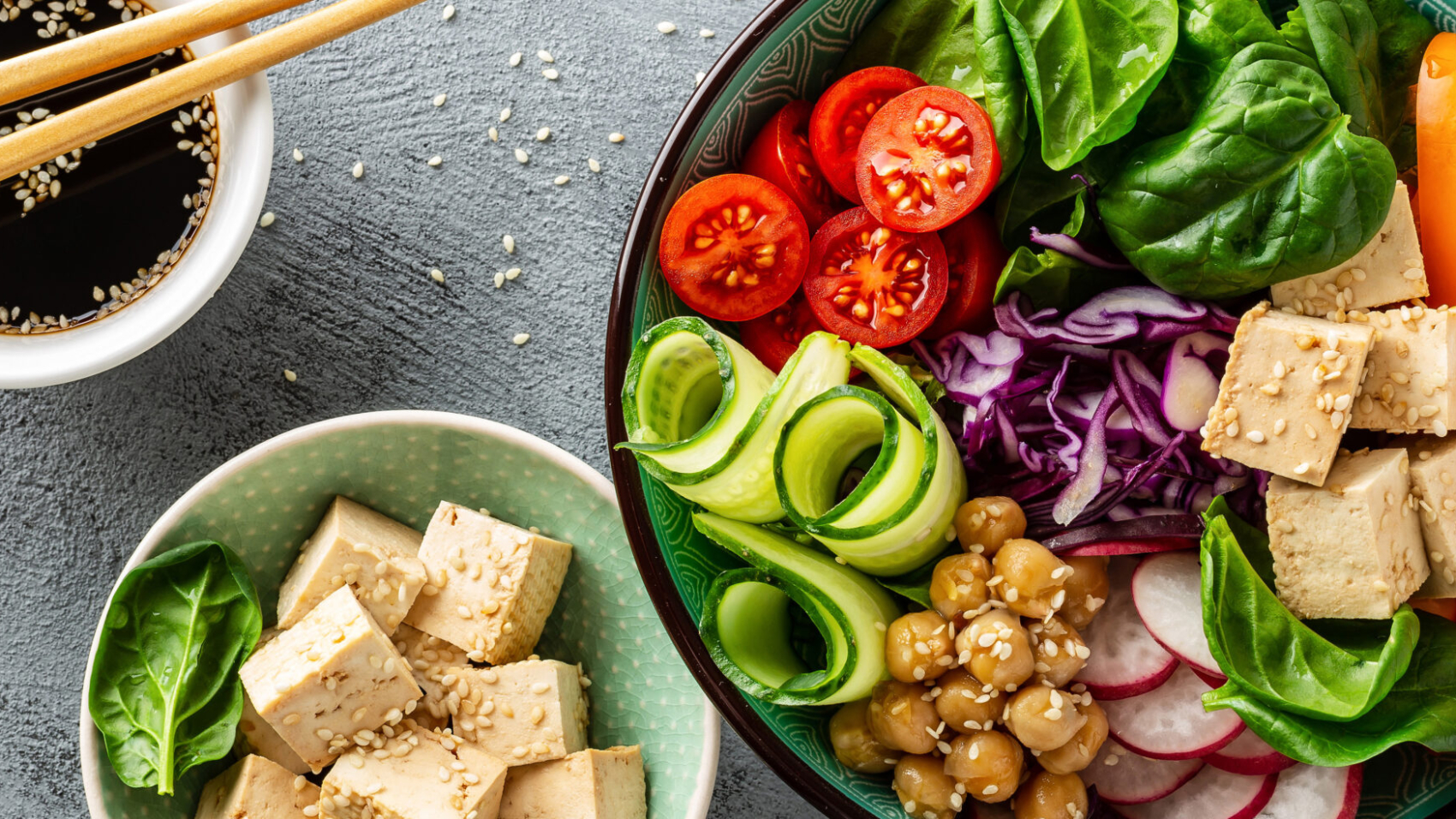
– Buddha bowl with quinoa, roasted vegetables, chickpeas, and a tahini dressing

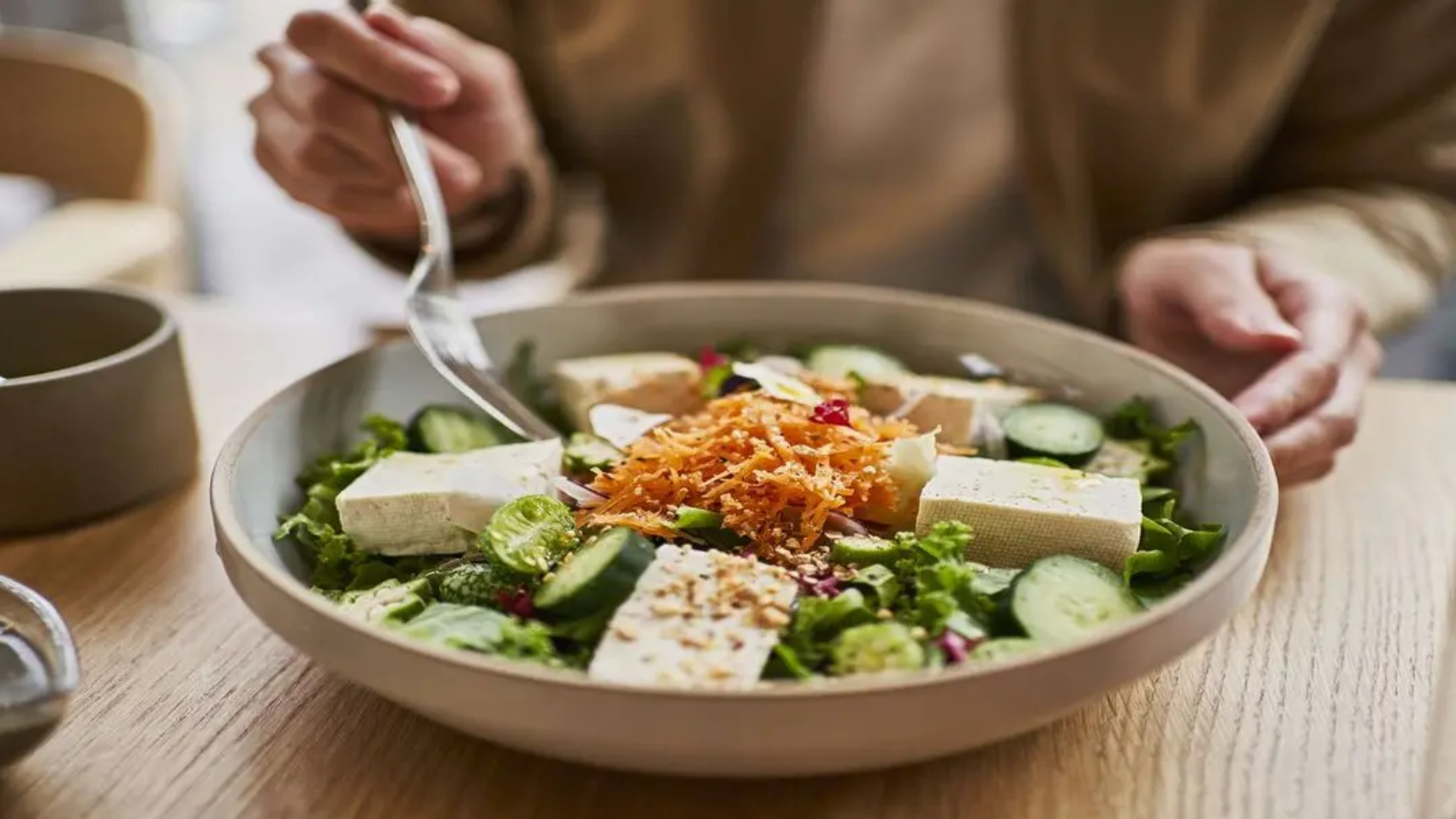
– Mixed greens salad with a variety of colorful vegetables, roasted tofu, and a homemade vinaigrette

– Vegetable wrap with hummus, cucumber, bell peppers, and sprouts

Dinner:

– Spaghetti with lentil meatballs and marinara sauce

– Stir-fried vegetables with tofu and brown rice

– Vegan chilli with kidney beans, tomatoes, and spices, served with cornbread

Snacks:

– Fresh fruit with almond butter

– Carrot sticks with hummus

– Homemade energy bars made with dates, nuts, and seeds

These are just a few examples to get you started, but the possibilities are endless when it comes to vegan meal planning. Feel free to experiment with different flavors, cuisines, and ingredients to find what works best for you.

Tips for staying organised and motivated with meal planning

Staying organised and motivated is key to maintaining a successful vegan meal plan. Here are some tips to help you stay on track:

  1. Plan your meals in advance: Set aside time each week to plan your meals and create a grocery list. This will help you stay organised and ensure that you have all the necessary ingredients on hand.
  2. Batch cook and meal prep: Dedicate a few hours each week to cook and assemble your meals in advance. This will save you time and make it easier to stick to your meal plan.
  3. Stock up on pantry staples: Keep your pantry stocked with essential vegan ingredients like grains, legumes, nuts, seeds, and spices. This way, you’ll always have the basics on hand to whip up a quick and nutritious meal.
  4. Try new recipes: Keep things exciting by trying new recipes and experimenting with different flavours and cuisines. This will prevent meal planning from becoming monotonous and help you discover new favourite dishes.
  5. Get support: Connect with other vegans or join online communities for support, inspiration, and recipe ideas. Surrounding yourself with like-minded individuals can help you stay motivated and make the journey more enjoyable.
  6. Celebrate small victories: Acknowledge and celebrate your progress along the way. Whether it’s trying a new ingredient or successfully sticking to your meal plan for a week, every small victory counts.

Remember, meal planning is a tool that should make your life easier, not add stress or pressure. Be flexible and adjust your plan as needed. The most important thing is to find a system that works for you and supports your vegan journey.

Vegan meal planning resources and apps

To make your vegan meal planning journey even more effortless, there are several resources and apps available that can assist you in creating meal plans, discovering new recipes, and organising your shopping lists. Here are a few popular ones:

– HappyCow: This app helps you find vegan-friendly restaurants and stores in your area, making it easier to dine out or find specialty ingredients.

– Mealime: Mealime offers personalised meal plans and recipes based on your dietary preferences and restrictions. The app also generates a shopping list for each meal plan to simplify your grocery shopping.

– Forks Over Knives: Forks Over Knives provides a collection of plant-based recipes, meal plans, and cooking tips to support your vegan lifestyle.

– Oh She Glows: Oh She Glows is a popular vegan food blog and recipe app that offers a variety of delicious plant-based recipes for every occasion.

These resources can help you streamline your vegan meal planning process and provide you with endless inspiration. Remember to explore and experiment to find the ones that resonate with your needs and preferences.

Vegan meal planning on a budget


Contrary to popular belief, a vegan lifestyle doesn’t have to be expensive. With a little creativity and planning, you can enjoy nourishing and delicious plant-based meals without breaking the bank. Here are some tips for vegan meal planning on a budget:

  1. Buy in bulk: Purchase pantry staples like grains, legumes, nuts, and seeds in bulk. This is often more cost-effective and reduces packaging waste.
  2. Cook from scratch: Avoid pre-packaged and processed vegan foods, as they tend to be more expensive. Instead, opt for whole, unprocessed ingredients and cook your meals from scratch.
  3. Shop in-season: Buying fruits and vegetables that are in season is not only more affordable but also allows you to enjoy the best flavors and quality.
  4. Grow your own: If you have the space and time, consider growing your own herbs, fruits, and vegetables. This can significantly reduce your grocery bill and provide you with fresh, organic produce.
  5. Plan meals around sales: Keep an eye out for sales and discounts on vegan products and ingredients. Plan your meals around these discounted items to save money.
  6. Explore local markets: Farmers’ markets and local produce stands often offer fresh and affordable fruits and vegetables. Take advantage of these options to support local farmers and save money.

By implementing these budget-friendly tips, you can enjoy a nutritious and delicious vegan meal plan without straining your wallet. Remember, a vegan lifestyle is accessible to everyone, regardless of their budget.

Conclusion: Start your vegan meal planning journey today!

Congratulations! You’ve reached the end of the ultimate guide to vegan meal planning for beginners. We hope this comprehensive resource has provided you with the knowledge and inspiration you need to embark on your plant-based journey.

Remember, transitioning to a vegan lifestyle is a personal and unique journey. Take it one step at a time, be kind to yourself, and enjoy the process. With proper planning, delicious recipes, and a supportive community, you’ll find that vegan meal planning can be both enjoyable and rewarding.

To read our latest blog click here:  How Can The Right Mindset, Nutrition And Fitness Framework Improve Your Life

Follow Us On FacebookInstagram


Vegan Menopause Diet

Vegan Menopause Diet

Navigating the Change: A Guide to a Nutrient-rich Vegan Menopause Diet


Are you a vegan going through menopause? Navigating this phase of life can be challenging, but a nutrient-rich vegan diet can help alleviate symptoms and support overall health. In this guide, we will explore the key nutrients that should be included in a vegan menopause diet, as well as tips and recipes to make meal planning easy and enjoyable.

Maintaining a balanced diet is essential for managing the hormonal changes and potential health concerns that come with menopause. However, as a vegan, you may have unique dietary considerations. That’s why it’s important to focus on incorporating plant-based sources of crucial nutrients such as calcium, iron, vitamin D, omega-3 fatty acids, and phytoestrogens.

By following a carefully planned vegan menopause diet, you can support bone health, manage weight fluctuations, and promote hormonal balance. Whether you’re experiencing hot flashes, mood swings, or sleep disturbances, optimising your nutrition can make a noticeable difference in your well-being.

Join us on this journey to learn how to nourish your body, mind, and soul with a nutrient-rich vegan menopause diet. Let’s embrace the change and thrive during this transformative phase of life.

Understanding the menopause transition

Menopause is a natural phase of life that marks the end of a woman’s reproductive years. It typically occurs between the ages of 45 and 55 and is accompanied by a decline in estrogen and progesterone levels. This hormonal shift can lead to a variety of symptoms, including hot flashes, night sweats, mood swings, sleep disturbances, and changes in bone health.

The importance of nutrition during menopause

Maintaining a balanced diet is essential for managing the hormonal changes and potential health concerns that come with menopause. A vegan diet, which excludes all animal products, can provide numerous benefits during this phase of life. By focusing on nutrient-rich plant-based foods, you can support your overall health and well-being.

A vegan menopause diet should be rich in vitamins, minerals, antioxidants, and phytochemicals. These nutrients can help alleviate symptoms, support bone health, manage weight fluctuations, and promote hormonal balance. It’s important to pay close attention to specific nutrients that may be more challenging to obtain on a vegan diet, such as calcium, iron, vitamin D, omega-3 fatty acids, and phytoestrogens.

Benefits of a vegan diet during menopause

There are several benefits to adopting a vegan diet during menopause. Firstly, a vegan diet is typically lower in saturated fat and cholesterol, which can help manage weight fluctuations and reduce the risk of heart disease. Secondly, plant-based foods are rich in fiber, which can support digestive health and help manage constipation, a common issue during menopause. Lastly, a vegan diet is abundant in antioxidants, which can help reduce inflammation and oxidative stress, promoting overall health.

Essential nutrients for menopausal women

During menopause, certain nutrients become even more crucial to support optimal health. These nutrients include calcium, iron, vitamin D, omega-3 fatty acids, and phytoestrogens. Let’s explore why these nutrients are important and how you can obtain them on a vegan diet.

Calcium is essential for maintaining strong bones and preventing osteoporosis, a condition characterised by low bone density. Plant-based sources of calcium include kale, broccoli, bok choy, almonds, sesame seeds, tofu, and fortified plant-based milk alternatives.

Iron is needed to support healthy blood cells and prevent iron-deficiency anaemia. While plant-based sources of iron may not be absorbed as efficiently as animal-based sources, they can still provide an adequate intake. Good vegan sources of iron include legumes, tofu, tempeh, quinoa, fortified cereals, and dark leafy greens.

Vitamin D is vital for calcium absorption and bone health. Our bodies can produce vitamin D when exposed to sunlight, but during menopause, it may be beneficial to obtain it through dietary sources as well. Vegan sources of vitamin D include fortified plant-based milk alternatives, mushrooms, and supplements.

Omega-3 fatty acids play a crucial role in reducing inflammation and supporting heart health. While commonly found in fatty fish, vegan sources of omega-3s include flaxseeds, chia seeds, hemp seeds, walnuts, and algae-based supplements.

Phytoestrogens are plant compounds that can mimic the effects of oestrogen in the body, helping to alleviate symptoms like hot flashes and night sweats. Good sources of phytoestrogens include soy products, flaxseeds, sesame seeds, and legumes.

By incorporating these essential nutrients into your vegan menopause diet, you can support your overall health and well-being during this transformative phase of life.

Plant-based sources of key nutrients for menopause

Now that we understand the importance of specific nutrients during menopause, let’s explore plant-based sources that can provide these nutrients. By incorporating a variety of these foods into your diet, you can ensure you’re meeting your nutritional needs.

  1. Calcium-rich foods: kale, broccoli, bok choy, almonds, sesame seeds, tofu, fortified plant-based milk alternatives.
  2. Iron-rich foods: legumes, tofu, tempeh, quinoa, fortified cereals, dark leafy greens.
  3. Vitamin D-rich foods: fortified plant-based milk alternatives, mushrooms.
  4. Omega-3 fatty acid-rich foods: flaxseeds, chia seeds, hemp seeds, walnuts, algae-based supplements.
  5. Phytoestrogen-rich foods: soy products, flaxseeds, sesame seeds, legumes.

Sample meal plan for a nutrient-rich vegan menopause diet

To help you get started with your vegan menopause diet, here’s a sample meal plan that incorporates key nutrients:

Breakfast

– Overnight oats topped with flaxseeds, berries, and almond butter.

– A glass of fortified plant-based milk alternative.

Snack

– A handful of almonds and a piece of fruit.

Lunch

– Chickpea salad with mixed greens, tomatoes, cucumber, and a tahini dressing.

– A side of quinoa.

Snack

– Carrot sticks with hummus.

Dinner

– Stir-fried tofu with broccoli, bell peppers, and sesame seeds.

– Brown rice.

Dessert

– A bowl of mixed berries topped with coconut yogurt.

Supplements for Vegan Menopausal Women

While a well-planned vegan menopause diet can provide most of the essential nutrients, there may still be a need for certain supplements. It’s recommended to consult with a healthcare professional or registered dietitian to determine if any supplements are necessary for your specific needs. Common supplements for menopausal women include vitamin B12, vitamin D, and omega-3 fatty acids.

Tips for incorporating more plant-based foods into your diet

Transitioning to a vegan menopause diet can be a gradual process. Here are some tips to help you incorporate more plant-based foods into your diet:

  1. Start by adding one plant-based meal or snack to your daily routine and gradually increase from there.
  2. Experiment with new recipes and try different plant-based protein sources such as tofu, tempeh, and legumes.
  3. Incorporate a variety of fruits and vegetables into your meals to ensure you’re getting a wide range of nutrients.
  4. Explore plant-based alternatives to your favorite dairy and meat products, such as almond milk, plant-based cheese, and veggie burgers.
  5. Plan your meals ahead of time and batch cook to make meal preparation easier and more convenient.

Supplements for vegan menopausal women

Transitioning to a vegan menopause diet may come with some challenges. However, with proper planning and support, these challenges can be overcome. Here are some common challenges and tips to help you navigate them:

  1. Nutrient deficiencies: Work with a registered dietitian to ensure you’re meeting your nutritional needs through a well-planned diet and supplements if necessary.
  2. Social situations: Communicate your dietary preferences and needs to friends and family so they can accommodate your choices. Offer to bring a vegan dish to gatherings to ensure there are options available for you.
  3. Cravings: Experiment with vegan versions of your favourite foods or find alternative snacks that satisfy your cravings. Focus on incorporating a variety of flavours and textures into your meals to keep them interesting and satisfying.
  4. Lack of variety: Explore new foods and recipes to keep your meals exciting. Join vegan cooking classes or online communities for inspiration and support.

Common challenges and how to overcome them

Navigating menopause as a vegan doesn’t have to be daunting. By embracing a nutrient-rich vegan menopause diet, you can support your overall health and well-being during this transformative phase of life. Focus on incorporating plant-based sources of key nutrients such as calcium, iron, vitamin D, omega-3 fatty acids, and phytoestrogens. Plan your meals, experiment with new recipes, and seek support from healthcare professionals or registered dietitian. Embrace the change and thrive with a vegan menopause diet that nourishes your body, mind, and soul.

Conclusion: Embracing a nutrient-rich vegan menopause diet for optimal health and well-being

As a vegan, it’s important to focus on incorporating plant-based sources of crucial nutrients that support optimal health during menopause. Here are some key nutrients to consider:

Calcium

Calcium is essential for maintaining bone health. During menopause, the body’s production of oestrogen decreases, which can lead to a decrease in bone density and an increased risk of osteoporosis. To prevent bone loss, it’s important to consume adequate amounts of calcium.

Vegan sources of calcium include leafy greens, tofu, tempeh, almonds, and fortified plant-based milk. Aim for at least 1200mg of calcium per day, which can be achieved through a combination of food and supplements.

Iron

Iron is essential for carrying oxygen throughout the body and preventing anaemia. During menopause, women may experience heavier periods, which can increase the risk of iron deficiency anaemia. To ensure adequate iron intake, incorporate plant-based sources of iron such as lentils, quinoa, spinach, and tofu.

It’s important to note that the body absorbs iron better from plant-based sources when consumed with vitamin C-rich foods such as citrus fruits, bell peppers, and tomatoes. Aim for at least 18mg of iron per day.

Vitamin D

Vitamin D is important for bone health and immune function. The body produces vitamin D when exposed to sunlight, but many women may not get enough sun exposure. Additionally, vegan sources of vitamin D are limited. To ensure adequate vitamin D intake, consider taking a supplement.

Omega-3 Fatty Acids

Omega-3 fatty acids are important for brain health, heart health, and reducing inflammation. Vegan sources of omega-3s include flaxseeds, chia seeds, walnuts, and algae-based supplements. Aim for at least 1-2g of omega-3s per day.

Phytoestrogens

Phytoestrogens are plant compounds that can mimic the effects of oestrogen in the body. During menopause, when oestrogen levels decrease, phytoestrogens can help alleviate symptoms such as hot flashes and vaginal dryness. Vegan sources of phytoestrogens include soy products, flaxseeds, and sesame seeds.

Sample Meal Plan

Now that you know the key nutrients to focus on, let’s put it all together with a sample meal plan.

– Breakfast: Tofu scramble with spinach and bell peppers, whole grain toast with avocado

– Snack: Apple slices with almond butter

– Lunch: Lentil soup with a side salad of kale, quinoa, and cherry tomatoes

– Snack: Carrots and hummus

– Dinner: Tempeh stir-fry with broccoli, mushrooms, and brown rice

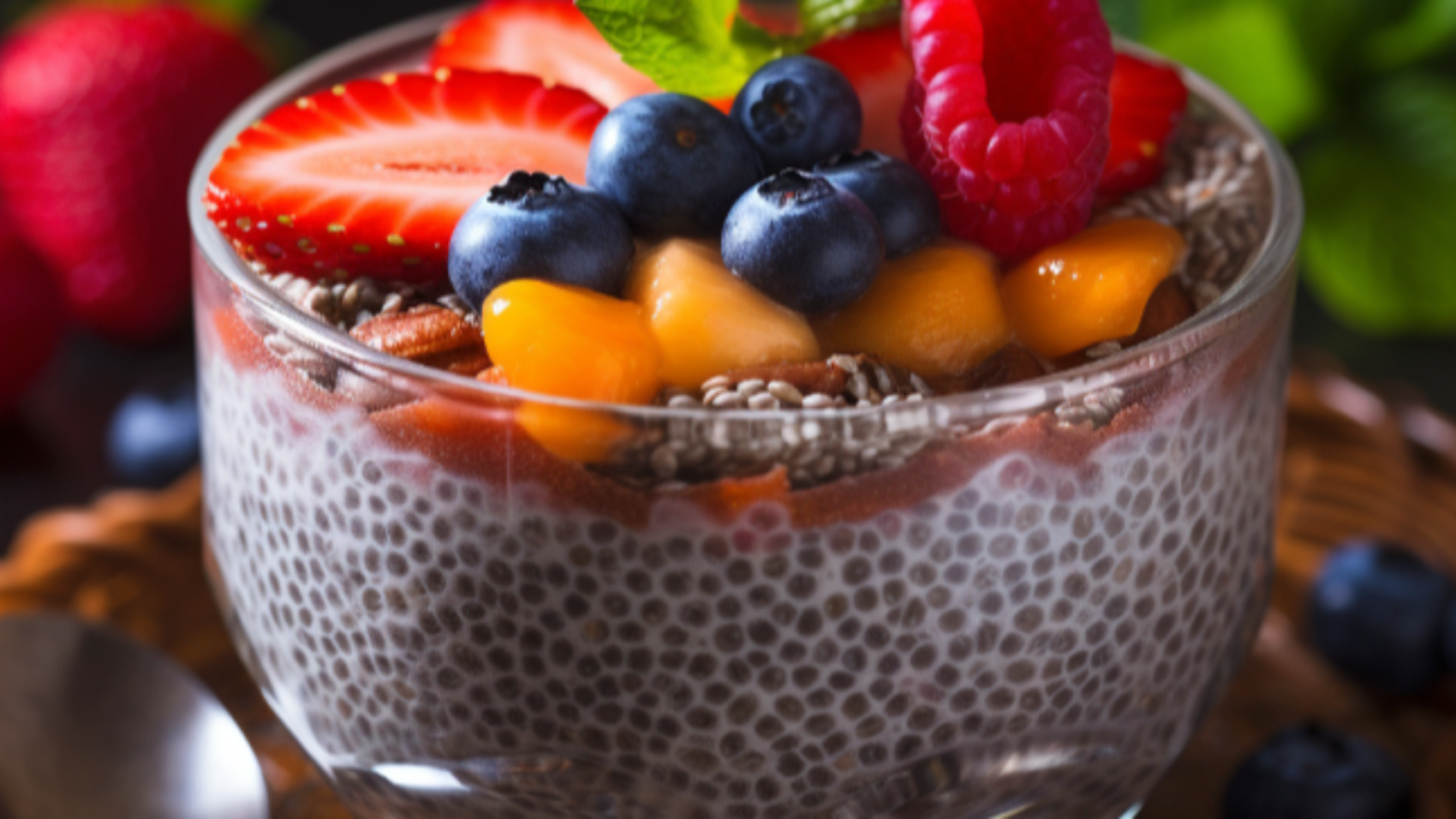
– Dessert: Chia seed pudding with berries

This meal plan is rich in calcium, iron, vitamin D, omega-3s, and phytoestrogens. It’s also delicious and easy to prepare.

To read our latest blog click here:  How Can The Right Mindset, Nutrition And Fitness Framework Improve Your Life

Follow Us On FacebookInstagram

Overnight Chia Seed Pudding

Overnight Chia Seed Pudding

A Wholesome Breakfast to Fuel Your Day


Greetings, my dear readers!

In our busy lives, it’s essential to start the day with a nutritious breakfast that sets the tone for success. Today, I want to share with you a delightful and wholesome plant-based breakfast: Overnight Chia Seed Pudding. It’s a perfect go-to for busy professionals who need a quick and energising morning meal.

Chia seeds, these tiny superfoods, are the star of this dish. These little wonders pack a nutritional punch with fibre, protein, healthy fats, and a wealth of vitamins and minerals. Combined with creamy plant-based milk, a touch of sweet maple syrup, and your favourite fruits and nuts for toppings, you’ve got yourself a breakfast that tastes like a treat but nourishes like a champion.

Preparing this Overnight Chia Seed Pudding is as easy as can be. Simply mix chia seeds, plant-based milk of your choice (be it almond, soy, or coconut), and a drizzle of maple syrup in a jar. Give it a good stir, and let it work its magic in the refrigerator overnight. The chia seeds absorb the liquid, creating a luscious, pudding-like texture that’s delightful to the palate.

The beauty of this recipe lies in its versatility. You can customise your Overnight Chia Seed Pudding to suit your taste and dietary preferences. Add sliced bananas, a handful of fresh berries, or a sprinkle of crushed nuts on top. The options are endless, so feel free to get creative!

Now, let’s talk about the benefits of starting your day with this nutritious goodness. As we all know, breakfast is the most important meal of the day, and this Chia Seed Pudding truly sets the stage for success. The high fibre content of chia seeds helps promote digestion and keeps you feeling full for longer. This means you’ll be less likely to reach for those mid-morning snacks that are often full of empty calories.

Moreover, the protein from plant-based milk and chia seeds provides a sustainable energy source, making it ideal for busy professionals who need to stay focused and alert throughout the day. And let’s not forget the antioxidants and vitamins from fruits and nuts, which contribute to overall well-being and support a healthy immune system.

Perhaps the best part of this recipe is that it requires minimal effort. As a busy professional myself, I understand the value of time. By preparing the Chia Seed Pudding the night before, you wake up to a delightful breakfast that’s ready to eat. No more rushing around the kitchen in the morning – just grab your jar of goodness, and you’re set for the day!

Here are ingredients list and directions for creation (everything is a creation at our house)


Overnight Chia Seed Pudding

Ingredients:

1 x teaspoon of Chia seeds

1 x cup of plant-based milk (almond, soy, or coconut)

1 x tablespoon of maple syrup

1 x cup of your favorite fruits

1/4 of a cup of crushed nuts for the topping


The Instructions:

  1. Mix chia seeds, milk, and maple syrup together in a jar or bowl.
  2. Cover the jar or bowl and put in the refrigerator overnight to harden.
  3. In the morning, top with fruits and nuts.
  4. Enjoy!

To conclude dear readers, I urge you to give this Overnight Chia Seed Pudding a try. Not only is it a delicious treat, but it’s also a breakfast choice that nourishes your body and soul. Take a moment for yourself each night, prepare this delightful pudding, and wake up feeling refreshed, energised, and ready to take on the day. Remember, small steps towards healthier choices can lead to significant positive changes. Let’s savour the journey to a more vibrant and fulfilling life – one spoonful of Chia Seed Pudding at a time.

Don’t forget to check out some of my other recipes on my blog page or go to yourplantbasedhealth.com for tonnes more recipes. 

To your health and happiness,

Isabella

Veganism dinner with friends outside

Veganism The Fight for Justice and Harmony

In recent years, the concept of veganism has gained significant momentum. Whilst some may perceive it simply as a dietary choice, the fight for veganism reaches far beyond individual food preferences. It represents a passionate commitment to building a just and harmonious world, where humans value and respect all forms of life and strive to improve the quality of life for all beings.

Understanding Veganism as a Catalyst for Change:

Veganism, at its core, is a powerful vehicle for change, advocating for compassion, justice, and sustainability. It transcends the boundaries of personal preference and calls for a shift in our collective consciousness. It challenges us to question our relationship with animals, the environment, and even ourselves.

Respecting All Life:

Central to the fight for veganism is the acknowledgment that all beings, human and non-human alike, have the right to live a life free from harm and exploitation. It encourages us to reflect on the interconnectedness of life and recognise the inherent value of every sentient being. Veganism is about fostering empathy and extending our circle of compassion to include not only humans but also animals who share this planet with us.

Promoting Environmental Stewardship:

Beyond the ethical considerations, embracing veganism is an essential step towards environmental sustainability. Animal agriculture, particularly industrial farming, has a significant ecological impact, including deforestation, water pollution, and greenhouse gas emissions. By adopting a plant-based lifestyle, we reduce our carbon footprint, conserve precious resources, and contribute to the preservation of our planet for future generations.

Challenging Social Injustices:

The fight for veganism is intricately linked with broader social justice movements. It draws attention to the disparities and inequalities prevalent in our current food systems, highlighting the disproportionate impact on marginalised communities. It calls for equitable access to nutritious plant-based food options, advocating for a world where no one goes hungry and everyone has the opportunity to thrive.

Building Bridges of Understanding:

The journey towards veganism is also an opportunity to bridge gaps and foster dialogue. It encourages open-mindedness, respect, and understanding among diverse individuals and communities. By engaging in compassionate conversations and sharing knowledge, we can sow seeds of change and inspire others to reevaluate their choices, paving the way for a more inclusive and harmonious society.

Embracing the Power of Choices:

Whilst veganism plays a pivotal role in this fight, it is essential to recognise that progress is not measured solely by the number of vegans but by the collective impact of our choices. It is about supporting sustainable and ethical practices, advocating for fair labour conditions, and promoting policies that protect animals and the environment. Each decision we make, whether it be opting for plant-based alternatives or supporting local, organic farming, contributes to the greater cause of building a more just and harmonious world.

The fight for veganism extends beyond personal dietary choices; it is a noble quest for a world where compassion, justice, and harmony prevail. It invites us to examine the values we hold dear and align them with our actions, making a positive difference in the lives of humans, animals, and the environment. By embracing veganism and embracing the interconnectedness of all life, we become agents of change, contributing to the creation of a better world for present and future generations. Together, let us strive for a world where respect, empathy, and the quality of all life are cherished and nurtured. 🌍🌱

To learn more about veganism visit the Vegan Society Website

If you need to ease your way in gently you can go to our main website page for more information

Forks over knives hummus recipe

Forks Over Knives Hummus Recipe: A Creamy, Flavourful, and Nutritious Plant-Based Delight!

Here’s a wonderful Forks Over Knives Hummus Recipe for you to try.

When I started off on my plant-based vegan journey Forks Over Knives was one of the first places I went for good quality recipes and here is one of their hummus recipe that got my tastebuds dancing every time I made it.


First, a bit about Hummus

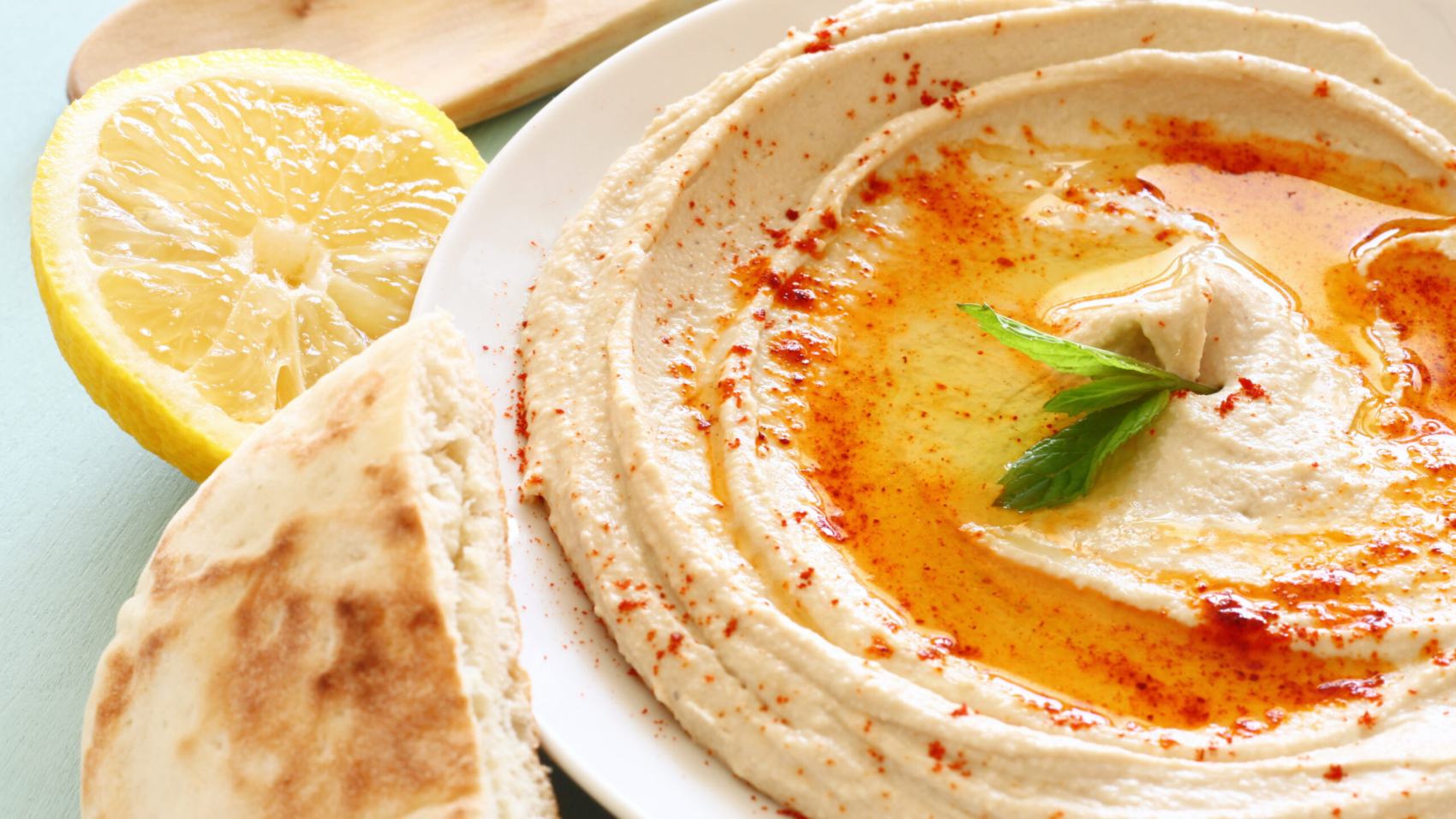
Hummus, a popular Middle Eastern dip, is a plant-based favorite that has gained widespread popularity worldwide. Not only is it a delicious and versatile spread or dip, but it’s also packed with essential nutrients. In this blog post, we’ll explore the Forks Over Knives hummus recipe, a delightful and creamy rendition of this classic dish, using wholesome, plant-based ingredients. Whether you’re hosting a gathering or looking for a satisfying snack, this hummus recipe is sure to become a go-to favourite!

The Forks Over Knives Recipe

Ingredients:

To make the Forks Over Knives hummus, you’ll need the following ingredients:

  • 1 can (15 oz) chickpeas, drained and rinsed
  • 1/4 cup tahini
  • 1/4 cup lemon juice (about 1-2 lemons)
  • 2 cloves garlic, minced
  • 1/2 tsp ground cumin
  • 1/2 tsp sea salt
  • 2-3 Tbsp water (to achieve desired consistency)
  • Optional toppings: paprika, chopped fresh parsley, and a drizzle of extra-virgin olive oil

Instructions:

  1. Prepare the ingredients: Drain and rinse the chickpeas, juice the lemons, and mince the garlic.
  2. Blend the hummus: In a food processor or high-speed blender, combine the chickpeas, tahini, lemon juice, garlic, cumin, and sea salt. Process until smooth, scraping down the sides of the processor as needed.
  3. Adjust the consistency: While the food processor is running, slowly add water, one tablespoon at a time, until you achieve your desired consistency. The hummus should be creamy and smooth but not too runny.
  4. Taste and adjust: Give the hummus a taste and adjust the seasoning as needed. You might want to add more lemon juice, salt, or cumin to suit your preferences.
  5. Serve and enjoy: Transfer the hummus to a serving bowl and garnish with a sprinkle of paprika, chopped fresh parsley, and a drizzle of extra-virgin olive oil (optional). Enjoy with your favorite raw vegetables, whole-grain crackers, or warm pita bread.

Health Benefits of Hummus

The Forks Over Knives hummus recipe is not only a tasty treat but also offers numerous health benefits. Chickpeas, the main ingredient in hummus, are rich in plant-based protein, fiber, and essential minerals like iron and potassium. Tahini, made from ground sesame seeds, is an excellent source of healthy fats, calcium, and vitamin E. Together, these ingredients make hummus a nutritious and satisfying plant-based snack or addition to any meal.

This Forks Over Knives hummus recipe is a versatile, delicious, and nutritious plant-based dish that’s easy to make and perfect for any occasion. This creamy and flavourful hummus can be served as a dip, spread, or even used as a base for salad dressings and sauces. Give this recipe a try and enjoy the myriad of flavours and health benefits that plant-based eating has to offer! You can get more tantalising Forks Over Knives recipes for every occasion and lots of learning over at their website.

Ready to start your Health and Lifestyle Transformation?

Don’t wait another day to begin your path to optimal health and happiness. Explore our coaching programs by scheduling your FREE strategy call to kick off a life full of energy, well-being, and satisfaction. Act today and embrace the power of plant-based living!

vegan recipe book

The Ultimate Vegan Recipe Book: 100+ Delicious Plant-Based Meals

The Ultimate Vegan Recipe Book: Savour 100+ Scrumptious Plant-Based Creations!

Are you looking for tasty and healthy vegan recipes to add to your meal rotation? Look no further than The Ultimate Vegan Recipe Book! With over 100 plant-based recipes, you’ll have plenty of options to choose from for breakfast, lunch, dinner, and snacks. Whether you’re a seasoned vegan or just starting out, this recipe book is sure to inspire you to try new and delicious plant-based meals.

Introduction to veganism and its benefits.

Veganism is a lifestyle that involves avoiding the use of animal products for food, clothing, or any other purpose. Many people choose to adopt a vegan lifestyle for ethical, environmental, or health reasons. Plant-based diets have been shown to reduce the risk of chronic diseases such as heart disease, diabetes, and certain types of cancer. Additionally, veganism can have a positive impact on the environment by reducing greenhouse gas emissions and preserving natural resources.

Breakfast recipes, including smoothies, pancakes, and tofu scrambles.

Start your day off right with these delicious and nutritious vegan breakfast recipes! From fruity smoothies to fluffy pancakes and savory tofu scrambles, there’s something for everyone in The Ultimate Vegan Recipe Book. Try the blueberry banana smoothie for a refreshing and energising start to your morning, or whip up some fluffy vegan pancakes topped with fresh fruit and maple syrup. And for a protein-packed breakfast option, try the tofu scramble with veggies and spices for a savoury and satisfying meal.

Lunch and dinner recipes, including soups, salads, pasta dishes, and stir-fries.

The Ultimate Vegan Recipe Book has got you covered for all your plant-based meal needs, including lunch and dinner recipes. From hearty soups and salads to comforting pasta dishes and flavourful stir-fries, there’s something for every taste preference. Try the lentil and vegetable soup for a warm and filling lunch, or the quinoa and black bean salad for a refreshing and protein-packed meal. And for a satisfying dinner option, try the mushroom and spinach pasta or the spicy tofu stir-fry. With over 100 recipes to choose from, you’ll never run out of delicious vegan meal ideas.

Snacks and appetisers, including dips, spreads, and vegan cheese.

The Ultimate Vegan Recipe Book isn’t just for main meals – it also includes a variety of tasty snacks and appetisers. Impress your guests with homemade dips and spreads like hummus, guacamole, and cashew cheese. Or try making your own vegan cheese using nuts and nutritional yeast. For a healthier snack option, try roasted chickpeas or kale chips. With so many delicious options, you’ll never have to resort to boring snacks again.

Desserts, including cakes, cookies, and ice cream.

The Ultimate Vegan Recipe Book doesn’t just stop at main meals and snacks – it also includes a variety of mouth-watering desserts. Indulge in sweet treats like chocolate cake, peanut butter cookies, and even vegan ice cream. Impress your friends and family with your baking skills while still sticking to your plant-based diet. With over 100 recipes to choose from, you’ll never run out of dessert ideas.

Wondering what the title of the ultimate vegan recipe book is? Look no further than The How Not to Diet Cookbook: Over 100 Recipes for Healthy, Permanent Weight Loss. This is the Ultimate Vegan Recipe Book your one-stop resource for discovering an array of delicious and nutritious plant-based meals. With over 100 recipes ranging from breakfast to dinner, and even snacks and appetisers, you’ll have endless options to explore and enjoy. Whether you’re a seasoned vegan or just embarking on your plant-based journey, this recipe book will inspire you to create delightful and wholesome meals that will not only satisfy your taste buds but also contribute to a healthier lifestyle and a more sustainable world. 

Ready to embark on a journey to better health without the stress of mastering nutrition basics? Our sister website has you covered with an array of scrumptious plant-based recipes to support your goals, be it weight loss, better digestion, or a healthier lifestyle overall.

Don’t wait another day to begin your path to optimal health and happiness. Explore our coaching programs and schedule your FREE strategy call now to kick off a life full of energy, well-being, and satisfaction. Act today and embrace the power of plant-based living!

Vegan challenge

7-Day Vegan Challenge: Kickstart Your Plant-Based Journey with Our Beginner’s Guide

7-Day Vegan Challenge: A Beginner’s Guide to Plant-Based Eating

Have you ever considered adopting a plant-based diet but weren’t sure where to start? Or maybe you’re curious about the benefits of a vegan lifestyle but feel overwhelmed by the thought of giving up animal products. If this sounds like you, then a 7-day vegan challenge might be just what you need.

A vegan challenge can be a great way to dip your toes into the world of plant-based eating and experience the benefits of a vegan lifestyle firsthand. In this blog post, we’ll explore the reasons why you should try a 7-day vegan challenge and provide you with tips on how to make the transition to a plant-based diet as smooth and enjoyable as possible. Whether you’re looking to improve your health, reduce your carbon footprint, or simply try something new, a 7-day vegan challenge can be a life-changing experience. So, are you ready to take the plunge and try a vegan challenge? Let’s get started!

Plan your meals and snacks ahead of time.

One of the keys to success in the 7-day vegan challenge is to plan your meals and snacks ahead of time. This will help you stay on track and avoid the temptation to reach for non-vegan options when you’re hungry and in a rush. Take some time at the beginning of the week to plan out your meals and make a grocery list. You can also prep some meals and snacks in advance to make things easier throughout the week.

Stock up on plant-based proteins and healthy fats.

When transitioning to a vegan diet, it’s important to make sure you’re getting enough protein and healthy fats to support your body’s needs. Some great sources of plant-based protein include beans, lentils, tofu, tempeh, quinoa, nuts, and seeds. For healthy fats, try incorporating avocado, nuts, seeds, and olive oil into your meals. Don’t be afraid to experiment with new recipes and ingredients to find what works best for you.

Experiment with new recipes and flavours.

One of the most exciting parts of trying a plant-based diet is discovering new flavors and recipes. Don’t be afraid to experiment with different spices, herbs, and sauces to add flavor to your meals. Try new vegetables and fruits that you may not have tried before, such as jackfruit, eggplant, or papaya. You may be surprised at how delicious and satisfying plant-based meals can be. And if you’re not sure where to start, there are plenty of vegan cookbooks and online resources to help inspire you.

Don’t forget about essential nutrients like iron and B12.

While a plant-based diet can provide many health benefits, it’s important to make sure you’re getting all the essential nutrients your body needs. Iron and vitamin B12 are two nutrients that can be more challenging to get enough of on a vegan diet. To ensure you’re meeting your needs, consider incorporating iron-rich foods like leafy greens, beans, and fortified cereals, and taking a B12 supplement or eating fortified foods like plant milks or nutritional yeast. Consulting with a registered dietitian can also help ensure you’re meeting all your nutrient needs on a vegan diet.

Stay hydrated and listen to your body’s hunger cues.

When embarking on a plant-based diet, it’s important to stay hydrated and listen to your body’s hunger cues. Aim to drink at least 8 glasses of water a day and consider incorporating hydrating foods like watermelon, cucumber, and celery into your meals. It’s also important to listen to your body’s hunger cues and eat when you’re hungry, rather than restricting calories or following strict meal plans. Pay attention to how your body feels after meals and adjust your food choices accordingly.

The 7-day vegan challenge offers a fantastic opportunity to explore plant-based eating and discover the exciting flavors and benefits that come with it. By planning meals ahead, incorporating plant-based proteins and healthy fats, experimenting with new recipes, and ensuring you’re getting essential nutrients, you’ll set yourself up for success. Staying hydrated and being in tune with your body’s hunger cues will also help you feel your best throughout the challenge. Embrace this week-long journey as a chance to expand your culinary horizons, learn more about veganism, and potentially pave the way for a healthier, more sustainable lifestyle. Remember, this challenge is just the beginning – let it inspire you to continue exploring plant-based eating and all it has to offer.

Ready to embark on a journey to better health without the stress of mastering nutrition basics? Our sister website has you covered with an array of scrumptious plant-based recipes to support your goals, be it weight loss, better digestion, or a healthier lifestyle overall.

Don’t wait another day to begin your path to optimal health and happiness. Explore our coaching programs and schedule your FREE strategy call now to kick off a life full of energy, well-being, and satisfaction. Act today and embrace the power of plant-based living!

Busy moms juggling work and home

Fit and Healthy: Exercise Tips for Busy Moms

I’m a mother of three, and I work full-time. I have very little time to spend on myself, much less the time it takes to stay fit and healthy. That’s why I’m always looking for ways to stay active without spending hours in the gym or having to hire a personal trainer.

Set up a workout routine.

  • Set up a schedule that works for you.
  • Make sure you have enough time to exercise.
  • Find a workout routine that works for you, whether it’s running or yoga, pilates, or barre. Pick something and stick with it!
  • Find a workout buddy who will help keep you accountable and motivated–and make sure they’re not just as busy as you are! This can be especially helpful if one person has more free time than the other; they can take turns working out so neither person is left behind by their busy schedules. This also helps prevent people from skipping out on their workouts without feeling guilty about disappointing their friends (which happens more often than we’d like).
  • Get an awesome playlist ready before starting each session so that music helps keep things fun while getting fit!

Exercise with your kids.

You can find a variety of activities to do with your kids that will help them develop healthy habits and encourage them to be active. For example, you could try:

  • Taking a walk around the neighborhood or at the park
  • Playing tag or another game outdoors
  • Going swimming or biking together

Get a personal trainer, if you can afford it.

If you can afford it, getting a personal trainer is a great way to make sure that your workouts are effective. A good personal trainer will help you design workouts that are tailored to your needs and abilities, as well as keep track of how much weight you’re lifting so that they don’t accidentally let you get hurt.

There are many factors involved when choosing the right one for yourself: find someone who has experience working with busy moms (because who else would understand better than them?), certified trainers, and those who have experience working with kids.

Do what works best for you and your family.

In the end, you should do what works best for you and your family. If you can afford a personal trainer, go for it! If your kids are old enough to help out with the cooking and cleaning, make sure they’re involved in meal planning and preparation too. And if your schedule is packed with errands and activities during the week (and weekends), make sure to schedule time for yourself–even if it’s just 15 minutes on Saturday morning before everyone wakes up.

After all, this isn’t about creating another chore; it’s about taking care of yourself so that everyone else in your household feels supported by their mommy role model!

Emphasize the importance of exercise to your kids.

  • Emphasize the importance of exercise to your kids.
  • Make it fun!
  • Get the whole family involved.

Talk to other moms about what’s working for them.

Talking to other moms is the best way to get advice on how your kids can be happier and healthier. You can learn from their mistakes, or at least see if there are any commonalities between your kids’ needs and yours.

Talking with your own children is also helpful because they will offer insight into what they like and don’t like, which may provide clues as to how you can improve their lives in small ways.

Talking with family members who have older kids than yours can help you understand what’s coming up next on the horizon–if they’re planning a move or getting ready for college graduation, these things might affect your child too! The same goes for friends; if one friend has had a baby recently but another hasn’t yet, then there might be some things she knows about raising children that would benefit you (and vice versa).

Exercise is important for everyone, but it can be especially difficult for busy moms.

Busy moms can find it hard to find time for exercise. But it’s important to make the effort because regular physical activity can help you maintain a healthy weight, lower blood pressure, and cholesterol levels, reduce stress and anxiety (especially if you have kids!), improve moods, increase self-esteem and confidence–and even strengthen bones!

So how do you fit exercise into your schedule? The answer: by making it part of your routine like brushing your teeth or taking out the trash. Set aside 20 minutes each day at roughly the same time of day–whether that’s in the morning before everyone else gets up or after everyone’s gone to bed–and use that time exclusively for working out. You may want to ask other members of your household not only whether they’ll support this new commitment but also if they’ll join in so that there’s no excuse not to work out together! And remember: no matter what kind of workout suits your needs best (yoga? kickboxing?), there are plenty of ways for busy moms like ourselves who don’t have much free time on their hands but still want/need some kindhearted guidance from their peers…


To all busy moms, we feel your pain, and we hope these tips will help you to stay fit and healthy. It’s important to remember that exercise isn’t just about getting in shape; it can also help reduce stress and improve your mood! If you find yourself feeling overwhelmed by all the things on your plate, try taking some time out for yourself with one of these exercises: yoga or meditation (both are great for relaxation). Whatever method works best for you–and remember that there are no right or wrong answers here–the key is finding something that makes sense within your lifestyle so that it becomes part of daily life rather than something extra added on top of everything else.


Need to hire an online fitness instructor who has 25 years of experience in the industry? Book your strategy call today, and receive the outstanding benefits of 25 years of experience in mindset, fitness, and diet.


Need plant-based recipes you can feed to the whole family, look no further than our sister website for healthy, tasty, and family-friendly recipes.

plant-based advice and recipes - buddha bowl

Plant-Based Eating: The Ultimate Guide

Plant-based eating is a lifestyle that focuses on consuming foods that come from plants, such as fruits, vegetables, grains, and legumes. This guide offers tips and advice for those who are interested in adopting a plant-based diet, including delicious recipes and expert insights on the benefits of this way of eating. Whether you’re a seasoned vegan or just starting out, this guide has something for everyone.

What is plant-based eating?

Plant-based eating is a lifestyle that emphasizes consuming foods that come from plants, such as fruits, vegetables, grains, and legumes. This way of eating is often associated with veganism, but it can also include small amounts of animal products, such as dairy or eggs. Plant-based eating is known for its health benefits, including reducing the risk of chronic diseases such as heart disease, diabetes, and certain types of cancer. It is also a more sustainable and environmentally friendly way of eating, as it requires fewer resources and produces less waste than a diet heavy in animal products.

Benefits of a plant-based diet.

There are numerous benefits to adopting a plant-based diet. One of the most significant is the reduced risk of chronic diseases such as heart disease, diabetes, and certain types of cancer. Plant-based foods are also typically lower in saturated fat and cholesterol, which can help improve overall heart health. Additionally, plant-based eating is more sustainable and environmentally friendly, as it requires fewer resources and produces less waste than a diet heavy in animal products. Finally, many people report feeling more energized and experiencing better digestion when they switch to a plant-based diet.

Tips for transitioning to a plant-based diet.

Transitioning to a plant-based diet can be challenging, but it doesn’t have to be overwhelming. Start by incorporating more plant-based meals into your diet gradually. Experiment with new recipes and try swapping out meat for plant-based protein sources like beans, lentils, and tofu. It’s also important to make sure you’re getting enough nutrients, such as protein, iron, and vitamin B12, which can be more challenging to obtain on a plant-based diet. Consider consulting with a registered dietitian to ensure you’re meeting your nutritional needs.

Essential nutrients to include in a plant-based diet.

While a plant-based diet can provide many health benefits, it’s important to make sure you’re getting all the essential nutrients your body needs. Some key nutrients to focus on include protein, iron, calcium, vitamin B12, and omega-3 fatty acids. Good sources of plant-based protein include beans, lentils, tofu, tempeh, and seitan. Leafy greens, nuts, and seeds are great sources of calcium, while iron can be found in beans, lentils, fortified cereals, and dark leafy greens. Vitamin B12 is primarily found in animal products, so it’s important to supplement or consume fortified foods like plant-based milks and cereals. Omega-3 fatty acids can be obtained from sources like flaxseeds, chia seeds, and walnuts.

Delicious plant-based recipes to try.

Eating a plant-based diet doesn’t mean sacrificing flavor or variety. In fact, there are countless delicious and satisfying recipes to try. Some popular options include vegan lasagna, lentil soup, roasted vegetable tacos, and quinoa salad. For breakfast, try a smoothie bowl topped with fresh fruit and nuts, or avocado toast with a sprinkle of nutritional yeast. And for dessert, indulge in a vegan chocolate cake or homemade fruit sorbet. With so many options, you’ll never get bored with plant-based eating.

In conclusion, transitioning to a plant-based diet can be a rewarding and fulfilling journey. By following the tips and recipes in this ultimate guide, you can improve your health, reduce your environmental impact, and contribute to a more sustainable future. Remember to take it one step at a time, experiment with new foods and flavors, and don’t be too hard on yourself if you slip up. With time and practice, plant-based eating will become second nature.


So, what are you waiting for? Start incorporating more plant-based meals into your diet today and see the positive changes it can bring to your life.


Need access to tonnes of FREE plant-based recipes, look no further as our sister site is full of recipes to keep to full and nourished.

Need a coach to help you keep on track to achieve your goals, look no further. Book your FREE strategy call today.