Diet Cuts Menopause

Plant-Based Diet Cuts Menopause Hot Flashes by 84%

A Remarkable Discovery: Plant-Based Diet Cuts Menopause Hot Flashes by 84%

Menopause is a transformative phase in a woman’s life, often accompanied by bothersome symptoms like hot flashes, night sweats, and mood swings. For many, these symptoms can significantly impact their quality of life. However, a groundbreaking study has provided new hope for women experiencing these challenges. Researchers have found that a plant-based diet, rich in soy, can slash moderate-to-severe hot flashes by a staggering 84 percent. Let’s delve into the details of this study and what it means for women going through menopause.

The WAVS Study: A Game-Changer for Menopausal Women

The Women’s Study for the Alleviation of Vasomotor Symptoms (WAVS), conducted by the Physicians Committee for Responsible Medicine (PCRM), has brought to light an exciting breakthrough in managing menopausal symptoms. Led by Dr. Neal Barnard, the study challenged conventional thinking by exploring the impact of dietary changes rather than hormone medication.

Why Soybeans Matter: Unlike previous research that primarily focused on soy extracts or soy-based foods like tofu and soy milk, the WAVS study specifically centred on whole soybeans. This distinction proved crucial in achieving remarkable results.

The Study: The 12-week study involved 38 postmenopausal women who experienced two or more hot flashes per day. They were randomly assigned to one of two groups: the intervention group, which followed a low-fat vegan diet and consumed a daily serving of soybeans, and the control group, which made no dietary changes.

Impressive Results: Women in the intervention group witnessed a nearly 80 percent reduction in total hot flashes and an astounding 84 percent decrease in moderate-to-severe hot flashes. Moreover, by the study’s end, close to 60 percent of participants following the plant-based diet reported complete relief from moderate and severe hot flashes.

Beyond Hot Flashes: Improved Quality of Life

The benefits of this plant-based approach extended beyond the reduction of hot flashes:

  • Sexual Symptoms: Many participants reported improvements in sexual symptoms, which can often be adversely affected during menopause.
  • Mood: Mood enhancements were noted, underscoring the potential positive impact of dietary choices on emotional well-being.
  • Energy: An increase in overall energy levels was another encouraging outcome, further improving the participants’ daily lives.


Understanding the Science

The researchers theorised that the positive effects of soybeans could be attributed to isoflavounes, compounds found in soy products. Interestingly, gut bacteria can metabolise these isoflavounes into equol, a nonsteroidal compound known for its potential to reduce the severity and incidence of hot flashes. Previous studies have shown that individuals on vegetarian or vegan diets tend to produce higher levels of equol. In this study, the combination of a plant-based diet and soybeans yielded even more significant results, highlighting the potential synergy between diet and equol production.

A Lifesaver for Many

The study participants expressed profound relief and satisfaction with the plant-based approach. One participant described it as a “lifesaver,” while another emphasised the ease of adopting this dietary change over medication.

The WAVS study’s groundbreaking findings offer hope and a new avenue of relief for women navigating the challenging terrain of menopause. A plant-based diet, enriched with soy, has shown immense promise in alleviating hot flashes and improving overall quality of life. This discovery is not just a game-changer; it’s a testament to the power of dietary choices in managing menopausal symptoms naturally and effectively. As one participant wisely noted, before exploring medication, why not give this simple, accessible dietary route a try?


To read our latest blog click here:  How Can The Right Mindset, Nutrition And Fitness Framework Improve Your Life

Follow Us On FacebookInstagram

Vegan Diets

Vegan Diets

Vegan Diets: A Greener Choice for Both You and the Planet

In recent years, there has been a growing awareness of the environmental impact of our dietary choices. As the world grapples with pressing issues like climate change and resource scarcity, understanding how our food choices affect the planet is crucial. A recent study published in the International Journal of Environmental Research and Public Health has shed light on this topic, revealing that a vegan diets is not only better for the environment but also offers significant health benefits compared to a Mediterranean diet.

The Environmental Impact: Vegan vs. Mediterranean Diet

The study employed a method known as the Life Cycle Assessment to evaluate the environmental footprint of different diets. The findings were clear: the vegan diet emerged as the eco-friendly winner. It was found to have a 44% lower total environmental impact when compared to the Mediterranean diet. This revelation underscores the importance of making mindful dietary choices in the context of environmental sustainability.

But why is the vegan diet more environmentally friendly? One primary reason is the reduced demand for animal products. The production of meat, dairy, and eggs requires substantial resources, such as land, water, and energy. Additionally, livestock farming contributes significantly to greenhouse gas emissions, deforestation, and water pollution. By eliminating or drastically reducing animal products, vegans help reduce these adverse environmental effects.

Health Benefits of a Vegan Diet

Aside from its positive impact on the environment, a vegan diet also offers numerous health advantages. Research conducted by the Physicians Committee has highlighted some key benefits:

  • Weight Loss: Participants in the study experienced an average weight loss of 13 pounds while following a vegan diet, compared to no change in the Mediterranean diet. This suggests that can be an effective tool for weight management.
  • Insulin Sensitivity: The study also showed improved insulin sensitivity among those. Enhanced insulin sensitivity is associated with a reduced risk of type 2 diabetes.
  • Cholesterol Levels: Vegan diets are naturally low in saturated fats, which can lead to lower cholesterol levels. Maintaining healthy cholesterol levels is essential for heart health.


The Vegan Diet: A Win-Win for Health and the Environment

The findings of these studies make a compelling case for choosing a vegan diets as a means of addressing both personal health and environmental concerns. By opting for plant-based foods over animal products, individuals can contribute to a significant reduction in their carbon footprint and promote a healthier planet.

It’s worth noting that transitioning to a vegan lifestyle can be a rewarding journey, but it may require some adjustment. Fortunately, there is a wealth of resources, recipes, and support available to help make the transition smoother.

In a world where the choices we make every day impact the environment, opting for a vegan diets is a step in the right direction. Not only does it reduce the burden on the planet, but it also offers tangible health benefits, as demonstrated by recent research. So, if you’re considering a dietary change that aligns with your health and environmental values, going vegan might be the sustainable choice you’ve been looking for.

To read our latest blog click here:  How Can The Right Mindset, Nutrition And Fitness Framework Improve Your Life

Follow Us On FacebookInstagram

Vegan Meal Planning for Beginners

Vegan Meal Planning For Beginners

The Ultimate Guide: Vegan Meal Planning for Beginners


Welcome to the ultimate guide vegan meal planning for beginners who are looking to embark on a plant-based journey! Whether you’re motivated by health, the environment, or animal welfare, transitioning to a vegan lifestyle can be a rewarding and fulfilling experience.

In this comprehensive guide, we’ll walk you through the basics of vegan meal planning, providing you with all the tools and knowledge you need to thrive on a plant-based diet. From understanding the essential nutrients to exploring delicious recipes and finding budget-friendly options, we’ve got you covered.

Our brand voice is supportive and approachable, so you can expect practical tips, meal ideas, and expert advice without any judgment or preachiness. We understand that everyone’s journey is unique, and our goal is to empower and inspire you to make sustainable choices that align with your values.

So, if you’re ready to discover the joys of vegan meal planning and unlock a world of vibrant flavors and nourishing ingredients, let’s dive in together. Whether you’re just starting out or seeking fresh inspiration, this guide will be your go-to resource for creating delicious and nutritious plant-based meals.

Why meal planning is important for beginners


Meal planning is a crucial aspect of successfully transitioning to a vegan lifestyle, especially for beginners. Planning your meals in advance helps you stay organised, saves time, and ensures that you have all the necessary ingredients on hand. It also helps you make healthier choices and reduces the chances of falling back into old eating habits.

When you have a meal plan, you’re less likely to rely on convenience foods or takeout, which can often be high in unhealthy fats, sugars, and sodium. By taking the time to plan your meals, you can ensure that you’re getting all the essential nutrients your body needs to thrive.

Additionally, meal planning helps you save money by reducing food waste. When you know exactly what you need to buy, you can avoid overbuying or purchasing items that may end up spoiling before you have a chance to use them. This not only benefits your wallet but also the environment.

So, whether you’re a busy professional, a student on a tight budget, or a parent juggling multiple responsibilities, meal planning is an essential tool that can help you stay on track with your vegan journey. Let’s explore the benefits of a vegan meal plan next.

Benefits of a vegan meal plan


A vegan meal plan offers numerous benefits for your health, the environment, and animal welfare. By planning your meals in advance, you can ensure that you’re consuming a well-balanced diet that meets all your nutritional needs.

One of the key benefits of a vegan meal plan is that it can help you maintain a healthy weight. Plant-based diets are generally lower in calories and saturated fats compared to their animal-based counterparts. By focusing on whole, unprocessed foods like fruits, vegetables, whole grains, legumes, nuts, and seeds, you’ll naturally consume fewer calories while still feeling satisfied.

Another advantage of a vegan meal plan is the positive impact it has on the environment. Animal agriculture is a major contributor to greenhouse gas emissions, deforestation, and water pollution. By adopting a vegan lifestyle and planning your meals around plant-based ingredients, you’re reducing your carbon footprint and making a significant difference in mitigating climate change.

Furthermore, a vegan meal plan aligns with ethical considerations by avoiding the exploitation and suffering of animals. By choosing plant-based alternatives, you’re promoting a compassionate and cruelty-free approach to food consumption.

Now that you understand the benefits of a vegan meal plan, let’s delve deeper into understanding macronutrients in a vegan diet.

Understanding macronutrients in a vegan diet


Macronutrients, also known as macros, are the three main nutrients that provide energy: carbohydrates, proteins, and fats. It’s essential to have a good understanding of these macronutrients and how to incorporate them into your vegan meal plan to ensure a well-rounded and balanced diet.

Carbohydrates are the primary source of energy for your body and should make up the largest portion of your daily caloric intake. Whole grains, legumes, fruits, and vegetables are excellent sources of carbohydrates. These foods provide essential fiber, vitamins, and minerals that promote optimal health.

Proteins play a crucial role in building and repairing tissues, as well as supporting immune function and hormone production. Plant-based protein sources include legumes, tofu, tempeh, seitan, quinoa, and edamame. It’s important to include a variety of protein-rich foods in your vegan meal plan to ensure you’re getting all the essential amino acids your body needs.

Fats are an important part of a well-balanced diet, providing energy and aiding the absorption of fat-soluble vitamins. While it’s true that plant-based diets are naturally lower in saturated fats, it’s still important to include healthy fats in your vegan meal plan. Avocados, nuts, seeds, and olive oil are excellent sources of healthy fats.

By understanding the macronutrients and incorporating them into your vegan meal plan, you can ensure that you’re getting all the essential nutrients your body needs to thrive. Next, let’s explore how to create a grocery list for vegan meal planning.

Creating a grocery list for vegan meal planning


Creating a well-thought-out grocery list is a key step in successful vegan meal planning. It helps you stay organised, saves you time and money, and ensures that you have all the necessary ingredients on hand when you’re ready to cook.

Start by taking inventory of your pantry and fridge to see what ingredients you already have. This will help you avoid buying duplicates and reduce food waste. Then, plan your meals for the week and make a list of all the ingredients you’ll need.

When creating your grocery list, focus on whole, unprocessed plant-based foods. Include a variety of fruits, vegetables, whole grains, legumes, nuts, and seeds to ensure a well-rounded and nutritious diet. Consider the recipes you’ll be making and list all the specific ingredients required.

Additionally, it’s a good idea to think about snacks and staples that you regularly consume. Having a stock of healthy snacks like fresh fruits, nuts, and homemade energy bars can help you avoid reaching for unhealthy options when hunger strikes.

Once you have your grocery list ready, head to your local grocery store or farmer’s market. Stick to your list as much as possible to avoid impulse purchases. Shopping with a list not only saves you money but also helps you stay focused and organized.

Creating a grocery list is an essential aspect of vegan meal planning that sets the foundation for successful and stress-free cooking. Next, let’s explore meal prepping for the week.

Meal prepping for the week


Meal prepping is a game-changer when it comes to vegan meal planning. By dedicating a few hours each week to prepare and portion your meals in advance, you’ll save time, reduce stress, and set yourself up for success.

Start by selecting a day of the week that works best for you to dedicate to meal prepping. This could be a Sunday or any other day when you have a few uninterrupted hours. Plan your meals for the week and make a list of all the ingredients you’ll need to prepare them.

On your designated meal prep day, set aside a few hours to cook and assemble your meals. Start by washing, chopping, and prepping your fruits and vegetables. This will make it easier to incorporate them into your meals throughout the week.

Next, cook any grains, legumes, or proteins that you’ll be using in your meals. Consider batch-cooking items like rice, quinoa, beans, lentils, and tofu, which can be easily incorporated into various dishes.

Once your components are ready, assemble your meals in individual containers or reusable bags. Portion out your grains, proteins, and vegetables, and add any sauces or dressings separately to keep everything fresh.

Having your meals prepped and ready to go eliminates the need to cook every day and ensures that you always have a healthy option available. It also makes it easier to resist the temptation of ordering takeout or relying on convenience foods when you’re short on time.

Meal prepping is a powerful tool that can help you stay on track with your vegan meal plan. It saves you time, reduces stress, and ensures that you’re always prepared with nourishing meals. Next, let’s explore some easy and nutritious vegan meal ideas for beginners.

Easy and nutritious vegan meal ideas for beginners


When you’re just starting out on your vegan journey, it’s helpful to have a collection of easy and nutritious meal ideas that you can rely on. Here are some delicious options to inspire your vegan meal planning:

Breakfast:

– Overnight oats topped with fresh fruits and nuts

– Vegan smoothie bowl with spinach, banana, almond milk, and a variety of toppings like chia seeds and granola

– Avocado toast on whole grain bread with a sprinkle of nutritional yeast and cherry tomatoes

Lunch:

– Buddha bowl with quinoa, roasted vegetables, chickpeas, and a tahini dressing

– Mixed greens salad with a variety of colorful vegetables, roasted tofu, and a homemade vinaigrette

– Vegetable wrap with hummus, cucumber, bell peppers, and sprouts

Dinner:

– Spaghetti with lentil meatballs and marinara sauce

– Stir-fried vegetables with tofu and brown rice

– Vegan chilli with kidney beans, tomatoes, and spices, served with cornbread

Snacks:

– Fresh fruit with almond butter

– Carrot sticks with hummus

– Homemade energy bars made with dates, nuts, and seeds

These are just a few examples to get you started, but the possibilities are endless when it comes to vegan meal planning. Feel free to experiment with different flavors, cuisines, and ingredients to find what works best for you.

Tips for staying organised and motivated with meal planning

Staying organised and motivated is key to maintaining a successful vegan meal plan. Here are some tips to help you stay on track:

  1. Plan your meals in advance: Set aside time each week to plan your meals and create a grocery list. This will help you stay organised and ensure that you have all the necessary ingredients on hand.
  2. Batch cook and meal prep: Dedicate a few hours each week to cook and assemble your meals in advance. This will save you time and make it easier to stick to your meal plan.
  3. Stock up on pantry staples: Keep your pantry stocked with essential vegan ingredients like grains, legumes, nuts, seeds, and spices. This way, you’ll always have the basics on hand to whip up a quick and nutritious meal.
  4. Try new recipes: Keep things exciting by trying new recipes and experimenting with different flavours and cuisines. This will prevent meal planning from becoming monotonous and help you discover new favourite dishes.
  5. Get support: Connect with other vegans or join online communities for support, inspiration, and recipe ideas. Surrounding yourself with like-minded individuals can help you stay motivated and make the journey more enjoyable.
  6. Celebrate small victories: Acknowledge and celebrate your progress along the way. Whether it’s trying a new ingredient or successfully sticking to your meal plan for a week, every small victory counts.

Remember, meal planning is a tool that should make your life easier, not add stress or pressure. Be flexible and adjust your plan as needed. The most important thing is to find a system that works for you and supports your vegan journey.

Vegan meal planning resources and apps

To make your vegan meal planning journey even more effortless, there are several resources and apps available that can assist you in creating meal plans, discovering new recipes, and organising your shopping lists. Here are a few popular ones:

– HappyCow: This app helps you find vegan-friendly restaurants and stores in your area, making it easier to dine out or find specialty ingredients.

– Mealime: Mealime offers personalised meal plans and recipes based on your dietary preferences and restrictions. The app also generates a shopping list for each meal plan to simplify your grocery shopping.

– Forks Over Knives: Forks Over Knives provides a collection of plant-based recipes, meal plans, and cooking tips to support your vegan lifestyle.

– Oh She Glows: Oh She Glows is a popular vegan food blog and recipe app that offers a variety of delicious plant-based recipes for every occasion.

These resources can help you streamline your vegan meal planning process and provide you with endless inspiration. Remember to explore and experiment to find the ones that resonate with your needs and preferences.

Vegan meal planning on a budget


Contrary to popular belief, a vegan lifestyle doesn’t have to be expensive. With a little creativity and planning, you can enjoy nourishing and delicious plant-based meals without breaking the bank. Here are some tips for vegan meal planning on a budget:

  1. Buy in bulk: Purchase pantry staples like grains, legumes, nuts, and seeds in bulk. This is often more cost-effective and reduces packaging waste.
  2. Cook from scratch: Avoid pre-packaged and processed vegan foods, as they tend to be more expensive. Instead, opt for whole, unprocessed ingredients and cook your meals from scratch.
  3. Shop in-season: Buying fruits and vegetables that are in season is not only more affordable but also allows you to enjoy the best flavors and quality.
  4. Grow your own: If you have the space and time, consider growing your own herbs, fruits, and vegetables. This can significantly reduce your grocery bill and provide you with fresh, organic produce.
  5. Plan meals around sales: Keep an eye out for sales and discounts on vegan products and ingredients. Plan your meals around these discounted items to save money.
  6. Explore local markets: Farmers’ markets and local produce stands often offer fresh and affordable fruits and vegetables. Take advantage of these options to support local farmers and save money.

By implementing these budget-friendly tips, you can enjoy a nutritious and delicious vegan meal plan without straining your wallet. Remember, a vegan lifestyle is accessible to everyone, regardless of their budget.

Conclusion: Start your vegan meal planning journey today!

Congratulations! You’ve reached the end of the ultimate guide to vegan meal planning for beginners. We hope this comprehensive resource has provided you with the knowledge and inspiration you need to embark on your plant-based journey.

Remember, transitioning to a vegan lifestyle is a personal and unique journey. Take it one step at a time, be kind to yourself, and enjoy the process. With proper planning, delicious recipes, and a supportive community, you’ll find that vegan meal planning can be both enjoyable and rewarding.


To read our latest blog click here:  How Can The Right Mindset, Nutrition And Fitness Framework Improve Your Life

Follow Us On FacebookInstagram


Diet on Menopausal Symptoms

Diet on Menopausal Symptoms

 The Impact of a Plant-Based Diet on Menopausal Symptoms

Menopause is a natural phase in a woman’s life, marked by various physical and emotional changes. Many women seek ways to alleviate the symptoms associated with menopause, such as hot flashes, mood swings, and low energy levels. One dietary approach that has gained popularity in recent years is the plant-based diet. But does adopting a plant-based diet really improve the quality of life for menopausal women? In this blog, we will explore the effects of a plant-based diet on menopausal symptoms and share insights from women who have made the switch.

Understanding Menopausal Symptoms

Before delving into the impact of a plant-based diet, let’s briefly discuss some common menopausal symptoms:

  • Hot Flashes: These sudden and intense feelings of heat are a hallmark of menopause. They can lead to discomfort and disrupted sleep.
  • Mood Changes: Menopause can bring mood swings, irritability, and even depression or anxiety in some women.
  • Low Energy Levels: Fatigue and decreased energy can be frustrating and impact daily life.
  • Weight Management: Many women struggle with weight gain during menopause, making it essential to find a diet that supports a healthy weight.


Plant-Based Diet and Menopausal Symptoms

Plant-based diets focus on foods derived from plants, such as fruits, vegetables, whole grains, nuts, and seeds, while minimising or eliminating animal products. This dietary approach is rich in vitamins, minerals, fibre, and antioxidants, which can have various health benefits.

  • Hot Flashes: Some women have reported a reduction in the frequency and severity of hot flashes after adopting a plant-based diet. The consumption of phytoestrogens found in soy products, for example, may help regulate hormonal fluctuations.
  • Mood Changes: A diet rich in plant-based foods can provide essential nutrients that support mood regulation, such as omega-3 fatty acids, B vitamins, and magnesium. These nutrients may contribute to improved emotional well-being.
  • Energy Levels: Many individuals who transition to a plant-based diet report increased energy levels. The abundance of complex carbohydrates in plant-based foods can provide sustained energy throughout the day.
  • Weight Management: Plant-based diets are often associated with better weight control due to their lower calorie density and higher fiber content. Managing weight can be particularly important during menopause when hormonal changes can impact metabolism.


Real Experiences

To gain a better understanding of how a plant-based diet affects menopausal symptoms, we reached out to women who have made this dietary shift:

  • Susan, 52, shared that after switching to a plant-based diet, her hot flashes reduced significantly. She also noticed an improvement in her mood and energy levels, which she attributes to the abundance of fruits and vegetables in her diet.
  • Maria, 49, reported that her weight remained stable after adopting a plant-based diet, despite the common menopausal weight gain she had expected. She found this diet easier to maintain and credited it with helping her feel more energetic.
  • Lisa, 56, mentioned that while she still experienced occasional hot flashes, they were less intense and frequent after incorporating more plant-based meals into her diet. She also noted an overall improvement in her emotional well-being.


The impact of a plant-based diet on menopausal symptoms can vary from person to person. While some women experience significant improvements in hot flashes, mood changes, energy levels, and weight management, others may not see the same effects. It’s essential to remember that individual factors, such as genetics and overall lifestyle, play a role in how menopausal symptoms are experienced.

If you’re considering a plant-based diet to manage your menopausal symptoms, it’s advisable to consult with a healthcare professional or a registered dietitian. They can provide personalised guidance and ensure that you meet your nutritional needs during this transformative phase of life.

In conclusion, a plant-based diet may offer potential benefits for menopausal women, but the key is to make dietary choices that align with your individual needs and preferences.

To read our latest blog click here:  How Can The Right Mindset, Nutrition And Fitness Framework Improve Your Life

Follow Us On FacebookInstagram

Plant-Based Diet For Perimenopause Symptoms

Plant-Based Diet For Perimenopause Symptoms

Finding Relief and Balance: A Plant-Based Diet for Perimenopause Symptoms

Perimenopause, the transitional phase leading to menopause, can be a challenging journey filled with physical and emotional changes. For many women, the symptoms can be overwhelming, affecting their mood, energy levels, and overall well-being. In this blog, we’ll explore the potential benefits of adopting a plant-based diet to alleviate perimenopausal symptoms, drawing from personal anecdotes and experiences.

Understanding Perimenopause Symptoms

Perimenopause typically begins in a woman’s 40s and is marked by hormonal fluctuations as the body gradually transitions to menopause. Some common symptoms experienced during perimenopause include hot flashes, night sweats, mood swings, irritability, fatigue, and brain fog. These symptoms can significantly impact a woman’s quality of life and overall sense of well-being.

The Journey to a Plant-Based Diet

Many women, like you, have explored dietary changes as a way to manage perimenopause symptoms. Your journey into a plant-based diet is not uncommon. Let’s delve into some personal experiences and anecdotal evidence that shed light on the potential benefits of this dietary shift.

  • Taming the Emotional Roller Coaster: It’s not uncommon for perimenopausal women to experience intense mood swings and irritability. Some individuals have reported that adopting a plant-based diet has helped them regain emotional balance. The absence of certain animal products may reduce inflammation and contribute to a more stable mood.
  • Managing Energy Levels: Fatigue and low energy are frequent complaints during perimenopause. Embracing a plant-based diet, rich in whole foods, can provide a steady source of energy. Many women have found that they experience less fatigue and improved vitality when they prioritize plant-based foods.
  • Brain Fog and Clarity: The foggy feeling in your mind, often referred to as brain fog, can be frustrating. Some individuals have noted that a plant-based diet, especially one including soy products like tofu and soy milk, has helped alleviate this cognitive cloudiness. The omega-3 fatty acids found in plant-based sources like flaxseeds and walnuts can also support brain health.


Tofu and Soy: A Menopausal Game-Changer?

Tofu and soy have often been a topic of debate in menopausal diets due to their potential impact on estrogen levels. While there have been concerns about soy products increasing estrogen, research indicates that the effects are more nuanced. In some cases, moderate consumption of soy can have a balancing effect on hormones and alleviate menopausal symptoms.

Personal Experiences

Countless women have shared their positive experiences with a plant-based diet during perimenopause:

  • Jane, 47: “My mood swings were taking a toll on my relationships. Switching to a plant-based diet, and yes, enjoying tofu again, has brought back my sense of calm.”
  • Lisa, 50: “I was tired all the time, and my brain fog was unbearable. Since embracing plant-based eating, I feel sharper, more energetic, and ready to take on the world.”
  • Sarah, 45: “I was skeptical at first, but within a few weeks of a plant-based diet, my hot flashes and night sweats reduced significantly. It’s been a game-changer for me.”


While research on perimenopause and plant-based diets may still be inconclusive, the personal anecdotes and experiences of women like you speak volumes. The journey to finding relief from perimenopause symptoms is highly individual, and what works for one may not work for another. However, embracing a plant-based diet appears to offer numerous potential benefits, including improved mood, energy levels, and cognitive function.

If you’re considering making dietary changes to manage perimenopause symptoms, consult with a healthcare professional or a registered dietitian. They can provide personalized guidance and ensure that your diet meets your nutritional needs. Your path to feeling like yourself again may just be a plate of delicious, plant-based goodness away.

To read our latest blog click here:  How Can The Right Mindset, Nutrition And Fitness Framework Improve Your Life

Follow Us On FacebookInstagram

Vegan Menopause Diet

Vegan Menopause Diet

Navigating the Change: A Guide to a Nutrient-rich Vegan Menopause Diet


Are you a vegan going through menopause? Navigating this phase of life can be challenging, but a nutrient-rich vegan diet can help alleviate symptoms and support overall health. In this guide, we will explore the key nutrients that should be included in a vegan menopause diet, as well as tips and recipes to make meal planning easy and enjoyable.

Maintaining a balanced diet is essential for managing the hormonal changes and potential health concerns that come with menopause. However, as a vegan, you may have unique dietary considerations. That’s why it’s important to focus on incorporating plant-based sources of crucial nutrients such as calcium, iron, vitamin D, omega-3 fatty acids, and phytoestrogens.

By following a carefully planned vegan menopause diet, you can support bone health, manage weight fluctuations, and promote hormonal balance. Whether you’re experiencing hot flashes, mood swings, or sleep disturbances, optimising your nutrition can make a noticeable difference in your well-being.

Join us on this journey to learn how to nourish your body, mind, and soul with a nutrient-rich vegan menopause diet. Let’s embrace the change and thrive during this transformative phase of life.

Understanding the menopause transition

Menopause is a natural phase of life that marks the end of a woman’s reproductive years. It typically occurs between the ages of 45 and 55 and is accompanied by a decline in estrogen and progesterone levels. This hormonal shift can lead to a variety of symptoms, including hot flashes, night sweats, mood swings, sleep disturbances, and changes in bone health.

The importance of nutrition during menopause

Maintaining a balanced diet is essential for managing the hormonal changes and potential health concerns that come with menopause. A vegan diet, which excludes all animal products, can provide numerous benefits during this phase of life. By focusing on nutrient-rich plant-based foods, you can support your overall health and well-being.

A vegan menopause diet should be rich in vitamins, minerals, antioxidants, and phytochemicals. These nutrients can help alleviate symptoms, support bone health, manage weight fluctuations, and promote hormonal balance. It’s important to pay close attention to specific nutrients that may be more challenging to obtain on a vegan diet, such as calcium, iron, vitamin D, omega-3 fatty acids, and phytoestrogens.

Benefits of a vegan diet during menopause

There are several benefits to adopting a vegan diet during menopause. Firstly, a vegan diet is typically lower in saturated fat and cholesterol, which can help manage weight fluctuations and reduce the risk of heart disease. Secondly, plant-based foods are rich in fiber, which can support digestive health and help manage constipation, a common issue during menopause. Lastly, a vegan diet is abundant in antioxidants, which can help reduce inflammation and oxidative stress, promoting overall health.

Essential nutrients for menopausal women

During menopause, certain nutrients become even more crucial to support optimal health. These nutrients include calcium, iron, vitamin D, omega-3 fatty acids, and phytoestrogens. Let’s explore why these nutrients are important and how you can obtain them on a vegan diet.

Calcium is essential for maintaining strong bones and preventing osteoporosis, a condition characterised by low bone density. Plant-based sources of calcium include kale, broccoli, bok choy, almonds, sesame seeds, tofu, and fortified plant-based milk alternatives.

Iron is needed to support healthy blood cells and prevent iron-deficiency anaemia. While plant-based sources of iron may not be absorbed as efficiently as animal-based sources, they can still provide an adequate intake. Good vegan sources of iron include legumes, tofu, tempeh, quinoa, fortified cereals, and dark leafy greens.

Vitamin D is vital for calcium absorption and bone health. Our bodies can produce vitamin D when exposed to sunlight, but during menopause, it may be beneficial to obtain it through dietary sources as well. Vegan sources of vitamin D include fortified plant-based milk alternatives, mushrooms, and supplements.

Omega-3 fatty acids play a crucial role in reducing inflammation and supporting heart health. While commonly found in fatty fish, vegan sources of omega-3s include flaxseeds, chia seeds, hemp seeds, walnuts, and algae-based supplements.

Phytoestrogens are plant compounds that can mimic the effects of oestrogen in the body, helping to alleviate symptoms like hot flashes and night sweats. Good sources of phytoestrogens include soy products, flaxseeds, sesame seeds, and legumes.

By incorporating these essential nutrients into your vegan menopause diet, you can support your overall health and well-being during this transformative phase of life.

Plant-based sources of key nutrients for menopause

Now that we understand the importance of specific nutrients during menopause, let’s explore plant-based sources that can provide these nutrients. By incorporating a variety of these foods into your diet, you can ensure you’re meeting your nutritional needs.

  1. Calcium-rich foods: kale, broccoli, bok choy, almonds, sesame seeds, tofu, fortified plant-based milk alternatives.
  2. Iron-rich foods: legumes, tofu, tempeh, quinoa, fortified cereals, dark leafy greens.
  3. Vitamin D-rich foods: fortified plant-based milk alternatives, mushrooms.
  4. Omega-3 fatty acid-rich foods: flaxseeds, chia seeds, hemp seeds, walnuts, algae-based supplements.
  5. Phytoestrogen-rich foods: soy products, flaxseeds, sesame seeds, legumes.

Sample meal plan for a nutrient-rich vegan menopause diet

To help you get started with your vegan menopause diet, here’s a sample meal plan that incorporates key nutrients:

Breakfast

– Overnight oats topped with flaxseeds, berries, and almond butter.

– A glass of fortified plant-based milk alternative.

Snack

– A handful of almonds and a piece of fruit.

Lunch

– Chickpea salad with mixed greens, tomatoes, cucumber, and a tahini dressing.

– A side of quinoa.

Snack

– Carrot sticks with hummus.

Dinner

– Stir-fried tofu with broccoli, bell peppers, and sesame seeds.

– Brown rice.

Dessert

– A bowl of mixed berries topped with coconut yogurt.

Supplements for Vegan Menopausal Women

While a well-planned vegan menopause diet can provide most of the essential nutrients, there may still be a need for certain supplements. It’s recommended to consult with a healthcare professional or registered dietitian to determine if any supplements are necessary for your specific needs. Common supplements for menopausal women include vitamin B12, vitamin D, and omega-3 fatty acids.

Tips for incorporating more plant-based foods into your diet

Transitioning to a vegan menopause diet can be a gradual process. Here are some tips to help you incorporate more plant-based foods into your diet:

  1. Start by adding one plant-based meal or snack to your daily routine and gradually increase from there.
  2. Experiment with new recipes and try different plant-based protein sources such as tofu, tempeh, and legumes.
  3. Incorporate a variety of fruits and vegetables into your meals to ensure you’re getting a wide range of nutrients.
  4. Explore plant-based alternatives to your favorite dairy and meat products, such as almond milk, plant-based cheese, and veggie burgers.
  5. Plan your meals ahead of time and batch cook to make meal preparation easier and more convenient.

Supplements for vegan menopausal women

Transitioning to a vegan menopause diet may come with some challenges. However, with proper planning and support, these challenges can be overcome. Here are some common challenges and tips to help you navigate them:

  1. Nutrient deficiencies: Work with a registered dietitian to ensure you’re meeting your nutritional needs through a well-planned diet and supplements if necessary.
  2. Social situations: Communicate your dietary preferences and needs to friends and family so they can accommodate your choices. Offer to bring a vegan dish to gatherings to ensure there are options available for you.
  3. Cravings: Experiment with vegan versions of your favourite foods or find alternative snacks that satisfy your cravings. Focus on incorporating a variety of flavours and textures into your meals to keep them interesting and satisfying.
  4. Lack of variety: Explore new foods and recipes to keep your meals exciting. Join vegan cooking classes or online communities for inspiration and support.

Common challenges and how to overcome them

Navigating menopause as a vegan doesn’t have to be daunting. By embracing a nutrient-rich vegan menopause diet, you can support your overall health and well-being during this transformative phase of life. Focus on incorporating plant-based sources of key nutrients such as calcium, iron, vitamin D, omega-3 fatty acids, and phytoestrogens. Plan your meals, experiment with new recipes, and seek support from healthcare professionals or registered dietitian. Embrace the change and thrive with a vegan menopause diet that nourishes your body, mind, and soul.

Conclusion: Embracing a nutrient-rich vegan menopause diet for optimal health and well-being

As a vegan, it’s important to focus on incorporating plant-based sources of crucial nutrients that support optimal health during menopause. Here are some key nutrients to consider:

Calcium

Calcium is essential for maintaining bone health. During menopause, the body’s production of oestrogen decreases, which can lead to a decrease in bone density and an increased risk of osteoporosis. To prevent bone loss, it’s important to consume adequate amounts of calcium.

Vegan sources of calcium include leafy greens, tofu, tempeh, almonds, and fortified plant-based milk. Aim for at least 1200mg of calcium per day, which can be achieved through a combination of food and supplements.

Iron

Iron is essential for carrying oxygen throughout the body and preventing anaemia. During menopause, women may experience heavier periods, which can increase the risk of iron deficiency anaemia. To ensure adequate iron intake, incorporate plant-based sources of iron such as lentils, quinoa, spinach, and tofu.

It’s important to note that the body absorbs iron better from plant-based sources when consumed with vitamin C-rich foods such as citrus fruits, bell peppers, and tomatoes. Aim for at least 18mg of iron per day.

Vitamin D

Vitamin D is important for bone health and immune function. The body produces vitamin D when exposed to sunlight, but many women may not get enough sun exposure. Additionally, vegan sources of vitamin D are limited. To ensure adequate vitamin D intake, consider taking a supplement.

Omega-3 Fatty Acids

Omega-3 fatty acids are important for brain health, heart health, and reducing inflammation. Vegan sources of omega-3s include flaxseeds, chia seeds, walnuts, and algae-based supplements. Aim for at least 1-2g of omega-3s per day.

Phytoestrogens

Phytoestrogens are plant compounds that can mimic the effects of oestrogen in the body. During menopause, when oestrogen levels decrease, phytoestrogens can help alleviate symptoms such as hot flashes and vaginal dryness. Vegan sources of phytoestrogens include soy products, flaxseeds, and sesame seeds.

Sample Meal Plan

Now that you know the key nutrients to focus on, let’s put it all together with a sample meal plan.

– Breakfast: Tofu scramble with spinach and bell peppers, whole grain toast with avocado

– Snack: Apple slices with almond butter

– Lunch: Lentil soup with a side salad of kale, quinoa, and cherry tomatoes

– Snack: Carrots and hummus

– Dinner: Tempeh stir-fry with broccoli, mushrooms, and brown rice

– Dessert: Chia seed pudding with berries

This meal plan is rich in calcium, iron, vitamin D, omega-3s, and phytoestrogens. It’s also delicious and easy to prepare.

To read our latest blog click here:  How Can The Right Mindset, Nutrition And Fitness Framework Improve Your Life

Follow Us On FacebookInstagram

Plant-based lifestyle

Your Plant-Based Diet: A Guide for Newcomers

Congratulations on starting Your Plant-Based Journey.

Starting your journey into a plant-based lifestyle may feel a tad overwhelming, especially if you’re just starting out. Whether it’s out of sheer curiosity or a recent commitment to a healthier you, navigating the world of plant-based nutrition requires a mix of knowledge and understanding.

If you’re in the early stages of your green health journey or merely mulling over the idea, you may want to start with our free resources which can be found at the bottom of this page. We’ve also created this short guide as a way of making the journey easier for you as we know people tend to give up early on if they don’t have the right information, tools, and guidance.  Here’s a short guide to help you flourish on your plant-based diet:r journey.


variety - plant-based diet

Variety is the Spice of Life:

Diversifying your diet with various plant-based foods can offer a wealth of nutritional benefits. To ensure you’re getting enough protein, incorporate legumes, seeds, tofu, and tempeh into your meals. For a healthy iron intake, beans, leafy greens, and fortified cereals are top choices. And when it comes to calcium, plant milks, and specific green veggies are your best bets. Remember, a varied diet not only enriches your nutrient intake but also adds an array of flavours to your plate!


champion whole foods

Champion Whole Foods:

Consuming foods in their purest form, unprocessed or minimally processed, is a surefire way to maximise your nutritional intake. Whole foods such as fruits, vegetables, grains, and nuts retain their natural nutrients and beneficial compounds that can often be lost during processing. By championing these foods, you not only promote better health but also enjoy the genuine, rich flavours nature has to offer.

Opt for Beneficial Fats:

It’s essential to recognise that not all fats are created equal. Choosing nourishing fats, such as those found in avocados, seeds, and olive oil, can offer numerous health advantages. These fats not only provide essential fatty acids that our bodies can’t produce on their own, but they also play a pivotal role in keeping us satiated, reducing the urge for unnecessary snacking. By incorporating these beneficial fats into your diet, you’re ensuring a balanced intake of vital nutrients while promoting overall well-being.

Portobello mushroom vegan fajitas. Above view, corner border on a dark slate background. Healthy eating, plant-based meat substitute concept.

Craft Nutrient-Rich Meals:

When it comes to fueling our bodies, achieving a balanced blend of essential nutrients is paramount. A meal that encompasses a harmonious mix of carbohydrates, protein, and fats ensures that we derive a spectrum of benefits from our food. Carbohydrates offer a quick energy release, proteins provide the building blocks for tissue repair and growth, while fats give sustained energy and aid in nutrient absorption. By meticulously crafting meals with these components in mind, you can maintain consistent energy levels throughout the day, avoiding the peaks and troughs that can come from less balanced options.

Mind the Processed Foods:

The rise of plant-based diets has ushered in a plethora of convenient snacks and pre-packaged meals to cater to the growing demand. However, it’s crucial to approach these with a discerning eye. While they may tout their plant-based credentials, some of these products can be laden with additives, preservatives, and other less wholesome ingredients that diminish their nutritional value. Prioritising whole, minimally processed foods can often be a healthier choice, ensuring you reap the genuine benefits of a plant-based lifestyle without the potential pitfalls of overly processed alternatives.

Avoid Processed Snacks for hydration and digestion:

Whilst there’s a vast array of convenient processed snacks on offer today, it’s prudent to exercise caution or even avoid them due to the extremely high levels of sugar, salt, and fat. Many will also be packed with less-than-desirable additives.  Alongside making wise food choices, maintaining hydration is equally pivotal.

Drinking water not only supports various bodily functions but also aids in nutrient absorption and digestion. A general guideline is to consume about eight glasses daily, though individual needs might vary. This straightforward practice can make a notable difference in your well-being.

green leafy veg

Don’t Forget Calcium:

When venturing into plant-based diets or reducing your dairy intake, it’s imperative to ensure you’re getting adequate calcium, an essential mineral for bone health and various bodily functions. Fortunately, dairy isn’t the sole source of this nutrient. Numerous plant foods, such as leafy greens are much higher in calcium than cow’s milk. You can also get fortified plant milk, tofu, and chia seeds, which offer ample amounts of calcium. By diversifying your diet opting to increase your vegetable intake and shopping for fortified alternatives, you can easily meet your calcium needs without relying on traditional dairy products.

Vitamin B12 is Crucial:

Vitamin B12, an essential nutrient that plays a key role in nerve function and the production of DNA and red blood cells, is predominantly found in animal products. Those following a predominantly plant-based diet may inadvertently miss out on this critical vitamin. However, the good news is that there are several fortified foods available, such as plant milks, breakfast cereals, and meat substitutes, which contain added B12. Additionally, B12 supplements can be a straightforward and effective way to ensure you’re getting enough of this nutrient. Regularly checking B12 levels and being proactive in sourcing can keep you in optimal health. It’s important to remember that taking a good quality supplement is the key to good health.


Avocado essential fatty acids


The Importance of Omega-3s in a Plant-Based Diet:

Omega-3 fatty acids, known for their roles in promoting heart and brain health, are primarily found in fatty fish. However, those opting for plant-based diets might miss out on these essential nutrients. Fortunately, algae, the original source of omega-3s even for fish, can be a direct and efficient source for vegetarians and vegans. Algae-based omega-3 supplements have emerged as an excellent alternative, offering the same benefits without the need for fish consumption. Incorporating these supplements into your regimen can ensure that you continue to receive the cognitive and cardiovascular benefits associated with omega-3s.


The Vital Role of Iron in a Plant-Based Diet:

Iron is a crucial mineral responsible for transporting oxygen throughout our bodies and supporting overall energy levels. For those adopting a plant-based diet or reducing meat intake, sourcing enough iron can be a concern, as meat is one of their primary dietary sources. Fortunately, plant-based foods such as lentils, chickpeas, tofu, quinoa, and pumpkin seeds are rich in iron. However, it’s worth noting that the type of iron found in plants, called non-heme iron, is not as easily absorbed by our bodies as the heme iron in meat. To boost its absorption, pair iron-rich foods with sources of vitamin C, such as bell peppers, broccoli, or citrus fruits. This combination not only enhances iron absorption but also adds a flavourful punch to your meals.

Ç

Embracing a Healthier You with Every Bite:

Transitioning to a plant-based lifestyle can seem overwhelming at first, but with the right guidance, it becomes a seamless and rewarding journey. For ongoing inspiration, insights, and practical tips tailored to your plant-powered pursuits, consider signing up for our newsletter. Delivered weekly, it’s your personal guide to unlocking the myriad benefits of a plant-based diet, ensuring you’re well-equipped every step of the way.


If you’d like to talk to us further and discover how we can help you to improve your overall health and wellness or to help you target specific parts of your health then book your free strategy call Today. Here’s to a vibrant, healthful future – and we’d be honoured to be a part of it. Join us today!


For more plant-based articles go to our health blog, to discover tips, tools, and recipes.


Book your FREE Health Strategy Call today


Young woman exercising at home, doing crunches.

Home Workout Mastery the Ultimate Guide to Fitness at Home

Welcome, dear readers, to a journey that empowers you to master the art of fitness within the comfort of your own home. In a world where busy schedules and external factors can often disrupt our fitness routines, there is solace and strength in knowing that you can achieve your health goals without stepping outside. Today, we delve into the realm of home workout mastery – a guide that will not only inspire you but also provide you with practical insights to make your home your fitness sanctuary.

The Power of Home Workouts In the hustle and bustle of life, finding time to prioritise our well-being can sometimes seem like an uphill battle. This is where the magic of home workouts comes into play. Imagine, being able to seamlessly integrate exercise into your daily routine without the hassle of commuting to a gym or adhering to fixed schedules. With the right approach, your living space can transform into a haven of strength, endurance, and vitality.

Creating Your Fitness Space Before embarking on your home fitness journey, let’s start by crafting an environment that nurtures your aspirations. Find a corner or space that resonates with you – a place where you can feel energized and focused. Whether it’s a spare room, your living area, or even a tranquil balcony, this space will become your sanctuary for physical and mental growth.

Equipping Your Arsenal You may be wondering, “What about the equipment?” The truth is, you don’t need a room full of complex machinery to achieve remarkable results. Simple and versatile tools like resistance bands, dumbbells, yoga mats, and stability balls can serve as your companions on this journey. These tools, along with your body weight, are all you need to embark on a transformative fitness experience.

Crafting Your Routine One of the keys to home workout mastery lies in creating a routine that suits your lifestyle. Whether you’re an early riser, a midday energizer, or a night owl, finding the perfect time to exercise is crucial. As you craft your routine, remember the importance of variety. Incorporate cardiovascular exercises, strength training, flexibility movements, and mindfulness practices to ensure a holistic approach to your fitness goals.

Mindfulness in Motion Beyond the physical aspect, home workouts offer an unparalleled opportunity for mindfulness. Imagine being in tune with your body, celebrating each movement, and finding solace in the rhythm of your breath. This synergy of movement and mindfulness not only nurtures your physical health but also enriches your mental and emotional well-being.

Fueling Your Body Of course, no fitness journey is complete without addressing nutrition. Nourishing your body with the right nutrients fuels your energy levels and enhances your performance. Incorporate a balanced diet rich in whole foods, plant-based proteins, vibrant vegetables, and wholesome grains. Hydration, too, plays a vital role – keep your water bottle within reach as a constant reminder of self-care.

Embracing the Transformation As you embark on this home workout mastery, remember that every step you take is a step toward a healthier, more vibrant you. Embrace the journey with love, patience, and a sense of empowerment. Your home is not just a place of comfort; it is now your launchpad to an extraordinary transformation that extends beyond the physical realm.

In the spirit of growth and well-being, let us embrace the power of home workouts. Your ultimate guide awaits, dear readers, as you step into a world where health, strength, and mastery converge within the walls of your cherished abode. Welcome to the journey of Home Workout Mastery – your path to a life enriched with wellness and vitality.


Understanding BMI: A Cornerstone of Progress As we embark on the journey of home workout mastery, let’s take a moment to explore the significance of Body Mass Index (BMI). This fundamental measurement assesses the relationship between your weight and height, offering insights into your body composition. While BMI is not a comprehensive indicator of health on its own, it provides a starting point for understanding your general health status and potential areas for improvement.


Measure your BMI: As you sculpt your body and empower your well-being through home workouts, remember that BMI is just one piece of the puzzle – a tool that, when coupled with your dedication, can help you navigate toward a healthier, more vibrant you.

Find out more about how we can help you transform your health from your own home.

For more fitness articles go to our health blog


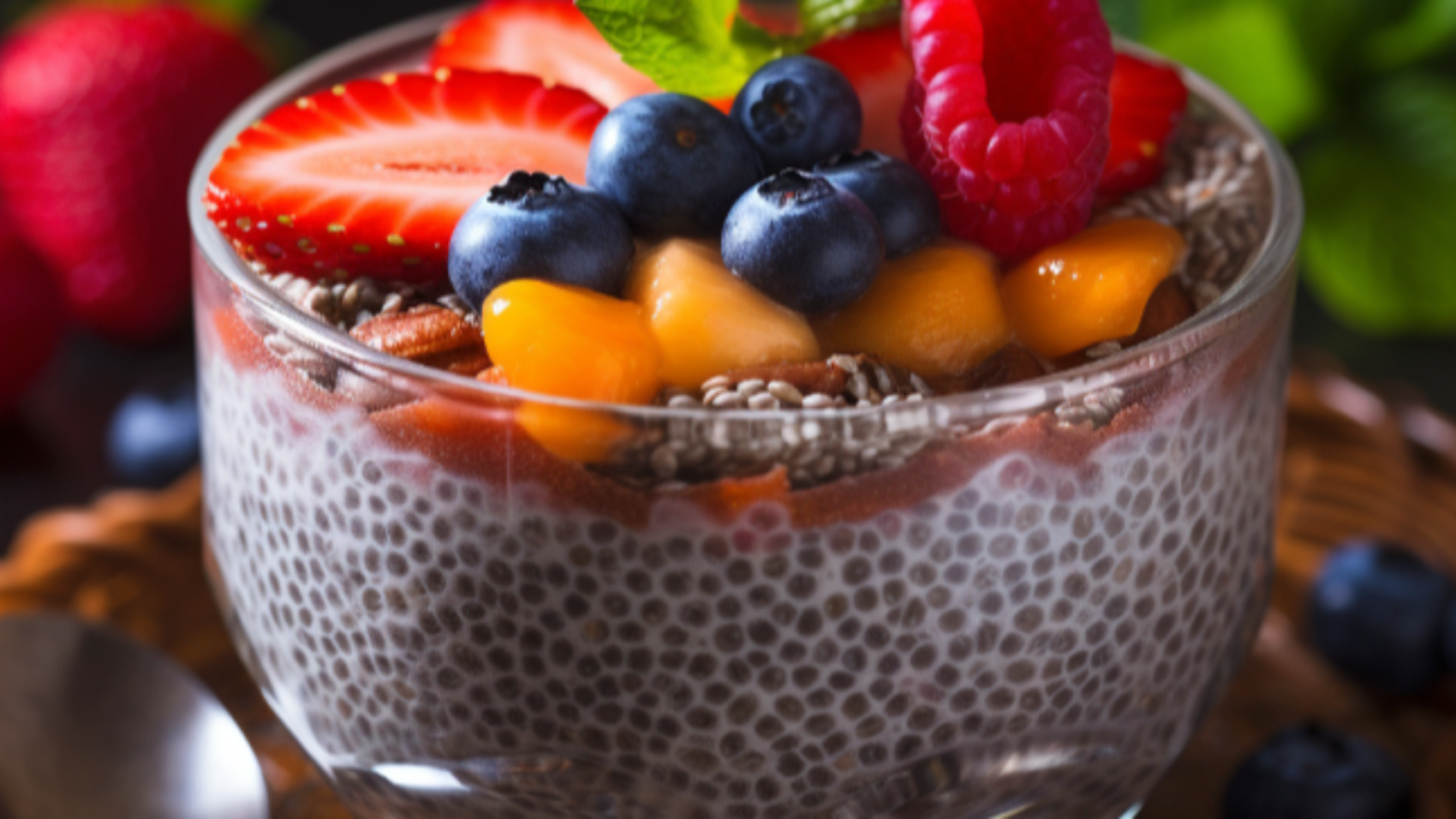
Overnight Chia Seed Pudding

Overnight Chia Seed Pudding

A Wholesome Breakfast to Fuel Your Day


Greetings, my dear readers!

In our busy lives, it’s essential to start the day with a nutritious breakfast that sets the tone for success. Today, I want to share with you a delightful and wholesome plant-based breakfast: Overnight Chia Seed Pudding. It’s a perfect go-to for busy professionals who need a quick and energising morning meal.

Chia seeds, these tiny superfoods, are the star of this dish. These little wonders pack a nutritional punch with fibre, protein, healthy fats, and a wealth of vitamins and minerals. Combined with creamy plant-based milk, a touch of sweet maple syrup, and your favourite fruits and nuts for toppings, you’ve got yourself a breakfast that tastes like a treat but nourishes like a champion.

Preparing this Overnight Chia Seed Pudding is as easy as can be. Simply mix chia seeds, plant-based milk of your choice (be it almond, soy, or coconut), and a drizzle of maple syrup in a jar. Give it a good stir, and let it work its magic in the refrigerator overnight. The chia seeds absorb the liquid, creating a luscious, pudding-like texture that’s delightful to the palate.

The beauty of this recipe lies in its versatility. You can customise your Overnight Chia Seed Pudding to suit your taste and dietary preferences. Add sliced bananas, a handful of fresh berries, or a sprinkle of crushed nuts on top. The options are endless, so feel free to get creative!

Now, let’s talk about the benefits of starting your day with this nutritious goodness. As we all know, breakfast is the most important meal of the day, and this Chia Seed Pudding truly sets the stage for success. The high fibre content of chia seeds helps promote digestion and keeps you feeling full for longer. This means you’ll be less likely to reach for those mid-morning snacks that are often full of empty calories.

Moreover, the protein from plant-based milk and chia seeds provides a sustainable energy source, making it ideal for busy professionals who need to stay focused and alert throughout the day. And let’s not forget the antioxidants and vitamins from fruits and nuts, which contribute to overall well-being and support a healthy immune system.

Perhaps the best part of this recipe is that it requires minimal effort. As a busy professional myself, I understand the value of time. By preparing the Chia Seed Pudding the night before, you wake up to a delightful breakfast that’s ready to eat. No more rushing around the kitchen in the morning – just grab your jar of goodness, and you’re set for the day!

Here are ingredients list and directions for creation (everything is a creation at our house)


Overnight Chia Seed Pudding

Ingredients:

1 x teaspoon of Chia seeds

1 x cup of plant-based milk (almond, soy, or coconut)

1 x tablespoon of maple syrup

1 x cup of your favorite fruits

1/4 of a cup of crushed nuts for the topping


The Instructions:

  1. Mix chia seeds, milk, and maple syrup together in a jar or bowl.
  2. Cover the jar or bowl and put in the refrigerator overnight to harden.
  3. In the morning, top with fruits and nuts.
  4. Enjoy!

To conclude dear readers, I urge you to give this Overnight Chia Seed Pudding a try. Not only is it a delicious treat, but it’s also a breakfast choice that nourishes your body and soul. Take a moment for yourself each night, prepare this delightful pudding, and wake up feeling refreshed, energised, and ready to take on the day. Remember, small steps towards healthier choices can lead to significant positive changes. Let’s savour the journey to a more vibrant and fulfilling life – one spoonful of Chia Seed Pudding at a time.

Don’t forget to check out some of my other recipes on my blog page or go to yourplantbasedhealth.com for tonnes more recipes. 

To your health and happiness,

Isabella

Brain Fog

How to Remove Brain Fog

Clearing the Haze: How to Remove Brain Fog and Boost Workplace Productivity

Do you often find yourself struggling to focus at work, feeling like your mind is wrapped in a dense fog? Brain fog can be a frustrating and productivity-draining experience, affecting professionals across various industries. But fear not! In this blog, we’ll explore the causes of brain fog and equip you with practical strategies to clear the haze, ensuring you function at your best in the workplace.

Understanding Brain Fog: Unmasking the Culprits

Brain fog is a common term used to describe cognitive issues, such as forgetfulness, lack of clarity, and difficulty concentrating. Several factors can contribute to this phenomenon, and identifying the root causes is the first step in combating it effectively. Here are some of the most common culprits:

  1. Lack of Sleep: Inadequate rest can impair cognitive function, leaving you feeling mentally fatigued and struggling to stay focused.
  2. Stress and Anxiety: High-stress levels can overwhelm your brain, affecting memory, attention, and decision-making abilities.
  3. Poor Nutrition: Unhealthy eating habits can deprive your brain of essential nutrients, impacting cognitive performance.
  4. Dehydration: Even mild dehydration can lead to brain fog, hindering cognitive function and mental clarity.
  5. Sedentary Lifestyle: Lack of physical activity can reduce blood flow to the brain, affecting its ability to function optimally.
  6. Digital Overload: Excessive screen time and information overload can overwhelm the brain, contributing to mental fatigue.

Clearing the Haze: Effective Strategies for Improved Cognitive Function

Now that we’ve unmasked the culprits, it’s time to take action and regain mental clarity. Here are practical strategies to remove brain fog and boost your productivity at work:

1. Prioritize Quality Sleep: Aim for 7-9 hours of restful sleep each night to allow your brain to recharge and function optimally.

2. Practice Stress Management: Incorporate stress-reducing techniques such as mindfulness, meditation, or deep breathing to clear mental clutter and regain focus.

3. Adopt a Brain-Boosting Diet: Include nutrient-rich foods like fruits, vegetables, whole grains, and healthy fats in your diet to support brain health.

4. Stay Hydrated: Ensure you drink enough water throughout the day to keep your brain hydrated and alert.

5. Get Moving: Regular physical activity improves blood flow to the brain, promoting mental clarity and cognitive function.

6. Limit Screen Time: Take breaks from screens, practice the 20-20-20 rule (every 20 minutes, look at something 20 feet away for 20 seconds), and create designated tech-free time to reduce digital overwhelm.

7. Organize and Prioritize: Use tools like to-do lists and calendars to organize tasks, helping you stay focused and manage workload effectively.

8. Embrace Brain-Boosting Habits: Incorporate activities like puzzles, reading, or brain games to stimulate cognitive function.

9. Stay Connected: Engage in meaningful social interactions to support emotional well-being and cognitive health.

10. Seek Professional Help: If brain fog persists, consider consulting a healthcare professional to rule out any underlying health issues.

By implementing these strategies into your daily routine, you’ll help to clear the haze of brain fog and unlock your full cognitive potential, leading to increased productivity and success in your professional life. Remember, small changes can make a significant impact on your cognitive function and overall well-being. So, let’s banish brain fog and step into a more focused and productive future at work!


Need more quick tips and health advice?

Our blogs are designed to give you the information you need quickly, without the waffle. So if you are looking for further health tips look no further than our health blog

Looking for plant-based recipes?

There are tonnes of plant-based recipes for you to try at www.yourplantbasedhealth.com