Pregnancy

Pregnancy: How To Stay Healthy on a Plant-Based Diet

11 Things to do to stay healthy when pregnant

Pregnancy is a time of great change for a woman’s body. As her baby grows, her body will need to adapt to accommodate the extra weight and demands of pregnancy. Eating a healthy diet is essential for both the mother and the baby. A plant-based diet can be a healthy and nutritious way to nourish your body during pregnancy. However, it is important to make sure that you are getting all the nutrients that you and your baby need. Here are some tips for staying healthy while pregnant on a plant-based diet:

  1. Eat a variety of foods from all food groups. This will help you to get all the nutrients that you need.
  2. Focus on whole, unprocessed foods. These foods are packed with nutrients and fibre.
  3. Include plenty of fruits and vegetables in your diet. Fruits and vegetables are a great source of vitamins, minerals, and fibre.
  4. Choose healthy plant-based protein sources. Good sources of plant-based protein include beans, lentils, tofu, tempeh, nuts, and seeds.
  5. Take a prenatal vitamin. A prenatal vitamin can help to ensure that you are getting all the nutrients that you and your baby need.

If you have any concerns about eating a plant-based diet during pregnancy, talk to your doctor. They can help you to create a diet plan that is safe and appropriate for your individual needs. Here are some additional tips for staying healthy while pregnant on a plant-based diet:

  1. Talk to your doctor or a registered dietitian about your specific needs.
  2. Make sure to get enough iron, vitamin B12, and calcium.
  3. Consider taking a prenatal vitamin that is specifically designed for vegans or vegetarians.
  4. Be sure to eat a variety of foods from all food groups.
  5. Listen to your body and eat when you are hungry.
  6. Don’t be afraid to ask for help from your friends, family, or doctor.

Eating a healthy plant-based diet can be a great way to nourish your body and your baby during pregnancy. By following these tips, you can ensure that you are getting all the nutrients that you need to have a healthy pregnancy and a healthy baby. Here are some specific nutrients that you need to be aware of when following a plant-based diet during pregnancy:

Iron:

Iron is important for carrying oxygen in the blood. Pregnant women need more iron than non-pregnant women. Good sources of iron include beans, lentils, spinach, and fortified cereals.

Vitamin B12:

Vitamin B12 is important for red blood cell production and nerve function. Pregnant women need more vitamin B12 than non-pregnant women. Good sources of vitamin B12 include fortified cereals, nutritional yeast, and tempeh.

Calcium:

Calcium is important for building strong bones and teeth. Pregnant women need more calcium than non-pregnant women. Good sources of calcium include dairy products, leafy green vegetables, and fortified foods.

If you are concerned about getting enough of these nutrients, talk to your doctor, registered dietitian, or health coach. They can help you create a plan to make sure that you are getting all the nutrients that you and your baby need. Here are some common challenges that pregnant women on plant-based diets may face:

Feeling tired

It is common for pregnant women to feel tired, regardless of their diet. However, pregnant women on plant-based diets may feel more tired if they are not getting enough iron or vitamin B12, so make sure you eat your greens on a day-to-day basis.

Feeling hungry

Pregnant women need to eat more calories than non-pregnant women. Pregnant women on plant-based diets may need to eat even more calories if they are not getting enough calories from their diet. This does not mean that you are eating for two people, it just means an extra few calories a day of quality whole foods.

Not getting enough protein

Protein is important for building and repairing tissues. Pregnant women need more protein than non-pregnant women. Pregnant women on plant-based diets may need to make sure that they are getting enough protein from their diet by eating beans, lentils, chickpeas, tofu, and green vegetables including peas. Rice and cranberries also contain adequate amounts of protein.

Eating a healthy plant-based diet can be a great way to nourish your body and your baby during pregnancy. By following these tips, you can ensure that you are getting all the nutrients that you need to have a healthy pregnancy and a healthy baby.

For healthy and tasty plant-based recipes, visit our sister website. yourplantbasedhealth.com

For more information on health, wealth, and happiness as plant-based or vegan visit our blog.

Exercise for a Healthy Pregnancy

The Power of Movement: Embracing Exercise for a Healthy Pregnancy

Why Pregnant Women Should Exercise and Move More


Pregnancy is a time of great change for a woman’s body. As her baby grows, her body will need to adapt to accommodate the extra weight and demands of pregnancy. Exercise can help a woman’s body to adapt to these changes and can also have many other benefits for both her and her baby.

Here are some of the benefits of exercise during pregnancy:

Improved physical fitness

Exercise can help a woman to maintain her strength and endurance during pregnancy. This can make it easier for her to cope with the physical demands of pregnancy, such as carrying extra weight and walking long distances.

Reduced risk of complications

Exercise can help to reduce the risk of pregnancy complications, such as gestational diabetes, preeclampsia, and preterm labour.

Improved mood

Exercise can help to improve a woman’s mood and reduce stress levels. This can be especially helpful during the second and third trimesters of pregnancy when women are more likely to experience fatigue and anxiety.

Improved sleep

Exercise can help to improve a woman’s sleep quality. This is important during pregnancy, as women often experience sleep disturbances due to their changing hormones and growing baby.

Weight gain management

Exercise can help a woman to manage her weight gain during pregnancy. This is important, as excessive weight gain can increase the risk of complications for both the mother and the baby.

How much exercise is enough?

The Centers for Disease Control and Prevention (CDC) recommends that pregnant women get at least 150 minutes of moderate-intensity aerobic activity or 75 minutes of vigorous-intensity aerobic activity each week. They also recommend that pregnant women do muscle-strengthening activities that work all major muscle groups (legs, hips, back, abdomen, chest, shoulders, and arms) on two or more days a week.

What types of exercise are safe during pregnancy?

Most types of exercise are safe for pregnant women. However, it is important to avoid activities that involve high-impact or jarring movements, such as running, jumping, and downhill skiing. It is also important to avoid activities that involve lying on your back after the first trimester, as this can put pressure on the vena cava, a major vein that carries blood back to the heart.

What should I do if I have any concerns about exercising during pregnancy?

If you have any concerns about exercising during pregnancy, talk to your doctor. They can help you to create an exercise plan that is safe and appropriate for your individual needs.

Here are some additional tips for exercising safely during pregnancy

1. Start slowly and gradually increase the intensity and duration of your workouts over time.
2. Listen to your body and stop if you feel pain or discomfort.
3. Stay hydrated by drinking plenty of fluids before, during, and after your workout.
4. Wear comfortable clothing and shoes that provide good support.
5. Choose activities that you enjoy and that are appropriate for your fitness level.
6. Be sure to cool down after your workout by walking or stretching for a few minutes.

By following these tips, you can safely enjoy the many benefits of exercise during pregnancy.


For healthy plant-based recipes check out our sister website yourplantbasedhealth.com

For more articles on health, fitness, nutrition, and wellness check out our other blog articles.

Veganism dinner with friends outside

Veganism The Fight for Justice and Harmony

In recent years, the concept of veganism has gained significant momentum. Whilst some may perceive it simply as a dietary choice, the fight for veganism reaches far beyond individual food preferences. It represents a passionate commitment to building a just and harmonious world, where humans value and respect all forms of life and strive to improve the quality of life for all beings.

Understanding Veganism as a Catalyst for Change:

Veganism, at its core, is a powerful vehicle for change, advocating for compassion, justice, and sustainability. It transcends the boundaries of personal preference and calls for a shift in our collective consciousness. It challenges us to question our relationship with animals, the environment, and even ourselves.

Respecting All Life:

Central to the fight for veganism is the acknowledgment that all beings, human and non-human alike, have the right to live a life free from harm and exploitation. It encourages us to reflect on the interconnectedness of life and recognise the inherent value of every sentient being. Veganism is about fostering empathy and extending our circle of compassion to include not only humans but also animals who share this planet with us.

Promoting Environmental Stewardship:

Beyond the ethical considerations, embracing veganism is an essential step towards environmental sustainability. Animal agriculture, particularly industrial farming, has a significant ecological impact, including deforestation, water pollution, and greenhouse gas emissions. By adopting a plant-based lifestyle, we reduce our carbon footprint, conserve precious resources, and contribute to the preservation of our planet for future generations.

Challenging Social Injustices:

The fight for veganism is intricately linked with broader social justice movements. It draws attention to the disparities and inequalities prevalent in our current food systems, highlighting the disproportionate impact on marginalised communities. It calls for equitable access to nutritious plant-based food options, advocating for a world where no one goes hungry and everyone has the opportunity to thrive.

Building Bridges of Understanding:

The journey towards veganism is also an opportunity to bridge gaps and foster dialogue. It encourages open-mindedness, respect, and understanding among diverse individuals and communities. By engaging in compassionate conversations and sharing knowledge, we can sow seeds of change and inspire others to reevaluate their choices, paving the way for a more inclusive and harmonious society.

Embracing the Power of Choices:

Whilst veganism plays a pivotal role in this fight, it is essential to recognise that progress is not measured solely by the number of vegans but by the collective impact of our choices. It is about supporting sustainable and ethical practices, advocating for fair labour conditions, and promoting policies that protect animals and the environment. Each decision we make, whether it be opting for plant-based alternatives or supporting local, organic farming, contributes to the greater cause of building a more just and harmonious world.

The fight for veganism extends beyond personal dietary choices; it is a noble quest for a world where compassion, justice, and harmony prevail. It invites us to examine the values we hold dear and align them with our actions, making a positive difference in the lives of humans, animals, and the environment. By embracing veganism and embracing the interconnectedness of all life, we become agents of change, contributing to the creation of a better world for present and future generations. Together, let us strive for a world where respect, empathy, and the quality of all life are cherished and nurtured. 🌍🌱

To learn more about veganism visit the Vegan Society Website

If you need to ease your way in gently you can go to our main website page for more information

Dr Greger and evidence based nutrition

Evidence-Based Nutrition What We Can Learn From Dr. Greger

As a vegan health coach, I am always looking for credible sources of information on plant-based nutrition and its impact on health. Dr. Michael Greger, the founder of NutritionFacts.org, is one of the people I respect the most on the planet for his tireless efforts to promote evidence-based nutrition and its potential to save the world. Dr. Greger’s commitment to unbiased, science-based information and his dedication to sharing that information with the public has had a profound impact on the way people think about food and its impact on health. His work has inspired millions of people around the world to adopt healthier diets and lifestyles, and his efforts have helped to bring about real change in the fight against chronic diseases and climate change.

More About Dr. Greger

Dr. Michael Greger is a physician, author, and internationally recognized speaker on nutrition, food safety, and public health issues. He is the founder of NutritionFacts.org, a non-profit website dedicated to providing evidence-based nutrition information. Dr. Greger is also the author of the New York Times bestseller, “How Not to Die,” which has sold over two million copies worldwide.

NutritionFacts.org is an incredible resource for anyone looking to learn more about nutrition and its impact on health. The website provides free access to thousands of videos, articles, and research summaries that are all based on the latest scientific research. Dr. Greger and his team of researchers review and analyze the latest studies from around the world and present the findings in an easy-to-understand format.

Why nutritionfacts.org is my go-to for information

One of the most impressive aspects of NutritionFacts.org is its commitment to unbiased, evidence-based information. The website is free of ads and sponsors, which means that Dr. Greger and his team are not influenced by any outside interests. Instead, they focus solely on providing the most up-to-date and accurate information possible.

The information on NutritionFacts.org covers a wide range of topics, from the health benefits of various foods to the risks associated with certain dietary choices. You can find information on how to prevent and reverse chronic diseases such as heart disease, diabetes, and cancer, as well as tips for maintaining a healthy weight and improving overall well-being.

The videos on NutritionFacts.org are particularly engaging and informative. They are typically short and to the point, making them easy to digest (pun intended!). Each video covers a specific topic and presents the latest research in an engaging and accessible way. Dr. Greger’s presentation style is engaging, and his sense of humor makes the videos enjoyable to watch.

Another great feature of NutritionFacts.org is the Daily Dozen app. This app is a free tool that can help you track the foods you eat and ensure that you are getting all of the essential nutrients your body needs. The app provides a list of 12 foods that you should aim to eat every day, such as berries, cruciferous vegetables, and whole grains. By tracking your intake of these foods, you can ensure that you are getting the nutrients you need to maintain optimal health. You can download this app on your phone from the app store.

Dr. Greger and NutritionFacts.org are incredible resources for anyone looking to improve their health through nutrition. The website provides evidence-based information that is free of outside influence, making it a reliable source of information. With thousands of videos, articles, recipes, and research summaries, there is no shortage of information to help you on your journey to better health, there is even a plant-based living series to help get you started on your plant-based journey.

If you’re looking to improve your health and well-being with evidence-based nutrition, I’m here to help. As a vegan health coach, I offer personalised coaching to help you achieve your health goals. Whether you’re looking to lose weight, manage a chronic condition, or simply improve your overall health, I can provide you with the guidance and support you need. Book a strategy call with me today to learn more about how I can help you on your journey to better health. Let’s work together to create a healthier, happier you.

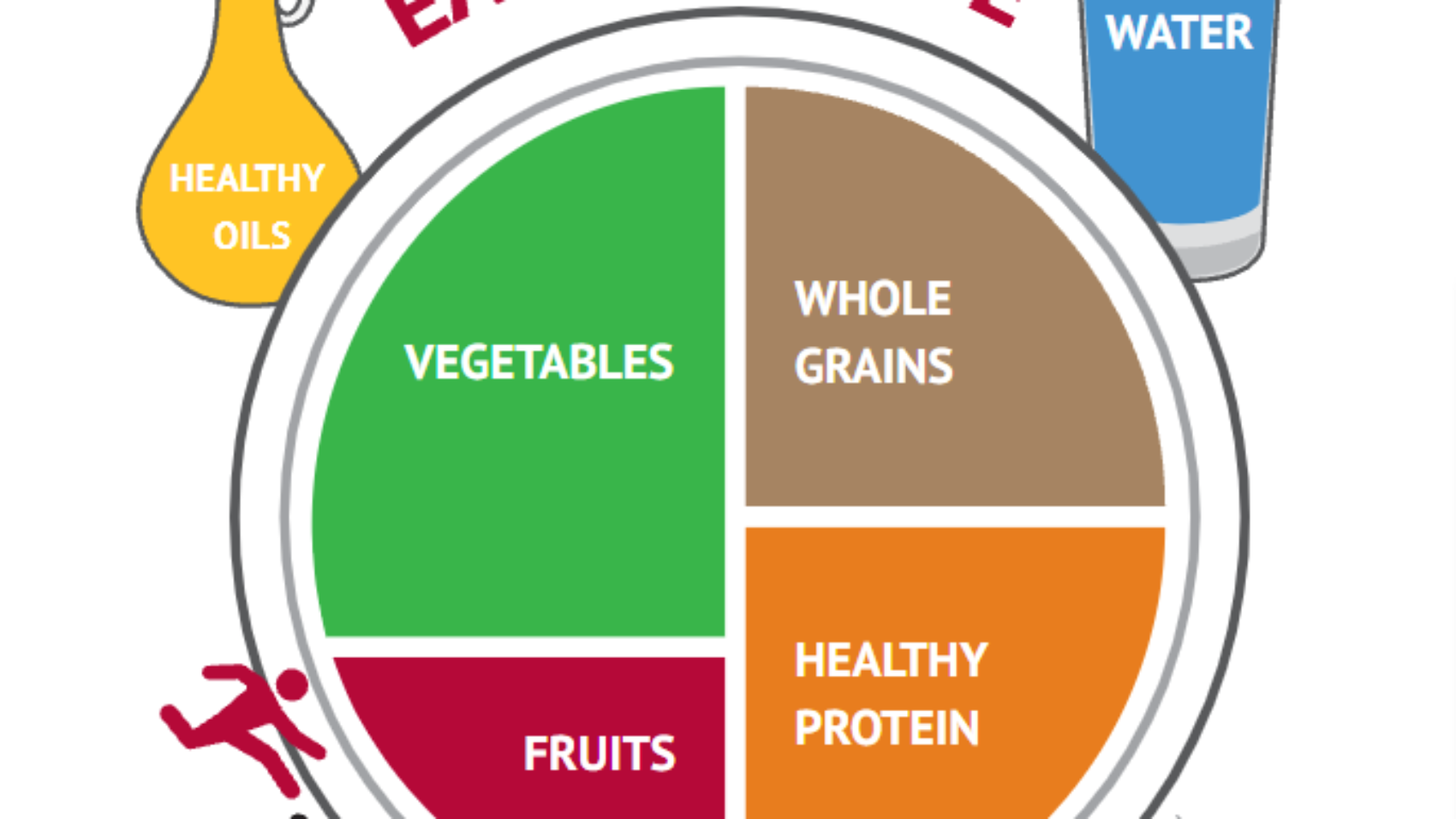
Autoimmune disease - how food can reduce the symptoms - Harvard food plate

How Does Diet Affect Autoimmune Diseases?

Autoimmune diseases are a group of disorders that affect millions of people worldwide. These diseases occur when the immune system mistakenly attacks healthy cells and tissues in the body. Some of the most common autoimmune diseases include rheumatoid arthritis, lupus, and multiple sclerosis. If you or someone you know is living with an autoimmune disease, it’s essential to understand the risk factors associated with their development.

In this blog post, we will look into the various factors that can increase your risk of developing an autoimmune disease. We’ll also discuss the role of diet in autoimmune diseases and how consuming anti-inflammatory foods and following a plant-based diet can help reduce autoimmune disease symptoms. Furthermore, we will explore the impact of gut dysbiosis on autoimmune health and how maintaining a healthy gut microbiome is essential for good autoimmune health. By the end of this blog post, you’ll have a better understanding of how to manage autoimmune diseases through diet and lifestyle changes.

Autoimmune Diseases Risk Factors: Understanding the Causes

Autoimmune diseases affect millions of people worldwide, and whilst their exact causes are still unknown, researchers have identified several risk factors associated with their development. Genetics plays a significant role in autoimmune diseases, with family history being a common factor. Women are also at higher risk, making up 78% of those affected by autoimmune diseases. Having another autoimmune disease can increase the likelihood of developing multiple autoimmune syndromes, which leads to the accumulation of three or more autoimmune conditions. Certain viruses and medications can also trigger the development of autoimmune diseases, whilst smoking, and obesity are also linked to the increased risk of such diseases.

Diet and Autoimmune Diseases: A Significant Connection

Your diet can also play a critical role in autoimmune disease development, with the immune system being directly affected by the food you eat. Two-thirds of your immune system is located in the gut, and maintaining a healthy gut microbiome is crucial for good autoimmune health. Gut dysbiosis, which is an imbalance in the gut microbiome, has been closely associated with multiple autoimmune diseases. Eating anti-inflammatory foods and following a plant-based diet can help to reduce autoimmune disease symptoms, such as fatigue. Research shows that a vegan diet rich in fruits, vegetables, and whole grains can reduce inflammation and improve autoimmune disease symptoms. On the other hand, ultra-processed foods can promote gut dysbiosis, leading to an increased risk of autoimmune diseases like Type 1 diabetes and celiac disease.

What plant-based foods can reduce the symptoms of autoimmune disorders?

A plant-based diet can be beneficial in reducing the symptoms of autoimmune disorders and improving overall autoimmune health. Here are some plant-based foods that are known for their anti-inflammatory properties and can help reduce the risk of autoimmune disorders:

  1. Fruits and vegetables: These are rich in vitamins, minerals, and antioxidants that help boost the immune system and reduce inflammation. Berries, citrus fruits, leafy greens, and cruciferous vegetables like broccoli and cauliflower are excellent choices.
  2. Whole grains: Whole grains like brown rice, quinoa, and whole wheat are high in fiber and can help promote a healthy gut microbiome, which is crucial for good autoimmune health.
  3. Legumes: Beans, lentils, and chickpeas are high in protein, fibre, and other nutrients that can help reduce inflammation and improve overall health.
  4. Nuts and seeds: These are rich in healthy fats, protein, and other nutrients that can help improve autoimmune health. Examples include almonds, walnuts, chia seeds, and flaxseeds.
  5. Spices and herbs: Turmeric, ginger, garlic, and cinnamon are just a few examples of spices and herbs that have anti-inflammatory properties and can help reduce the risk of autoimmune disorders.

Incorporating plant-based whole foods into your diet can help to reduce inflammation and promote a healthy gut microbiome, which is crucial for good autoimmune health. It’s essential to speak with a healthcare professional before making any significant changes to your diet to ensure that you’re meeting your nutritional needs.

For more quality information on Nutritional Medicine and associated research, you can go to nutritionalfacts.org  where Dr. Greger lays out all the facts clearly so you can make the right decision for you.

If you need help starting on your plant-based journey to reduce the symptoms of autoimmune disorders book your FREE strategy call today so we can start helping you get on top of your health.

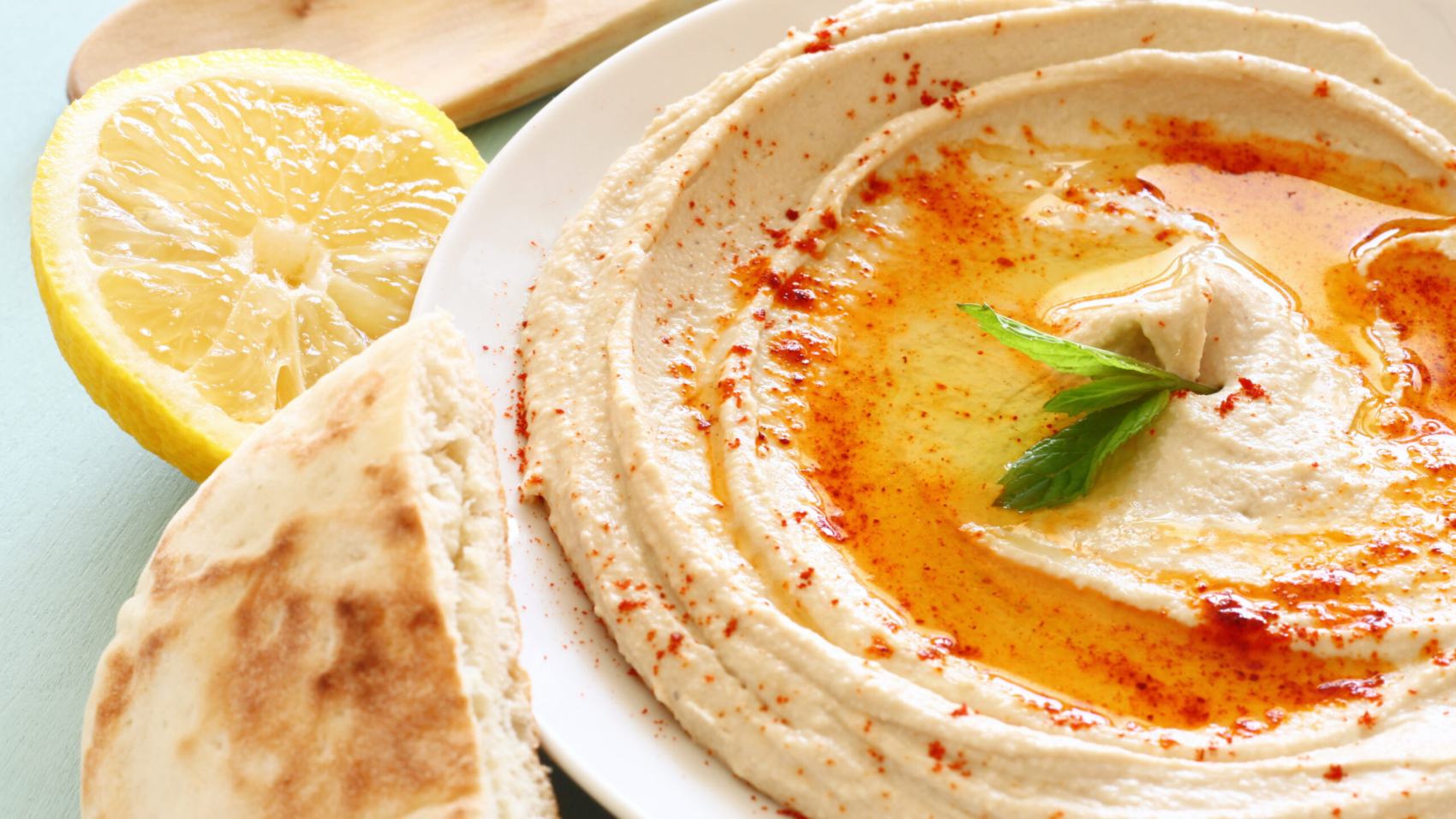
Forks over knives hummus recipe

Forks Over Knives Hummus Recipe: A Creamy, Flavourful, and Nutritious Plant-Based Delight!

Here’s a wonderful Forks Over Knives Hummus Recipe for you to try.

When I started off on my plant-based vegan journey Forks Over Knives was one of the first places I went for good quality recipes and here is one of their hummus recipe that got my tastebuds dancing every time I made it.


First, a bit about Hummus

Hummus, a popular Middle Eastern dip, is a plant-based favorite that has gained widespread popularity worldwide. Not only is it a delicious and versatile spread or dip, but it’s also packed with essential nutrients. In this blog post, we’ll explore the Forks Over Knives hummus recipe, a delightful and creamy rendition of this classic dish, using wholesome, plant-based ingredients. Whether you’re hosting a gathering or looking for a satisfying snack, this hummus recipe is sure to become a go-to favourite!

The Forks Over Knives Recipe

Ingredients:

To make the Forks Over Knives hummus, you’ll need the following ingredients:

  • 1 can (15 oz) chickpeas, drained and rinsed
  • 1/4 cup tahini
  • 1/4 cup lemon juice (about 1-2 lemons)
  • 2 cloves garlic, minced
  • 1/2 tsp ground cumin
  • 1/2 tsp sea salt
  • 2-3 Tbsp water (to achieve desired consistency)
  • Optional toppings: paprika, chopped fresh parsley, and a drizzle of extra-virgin olive oil

Instructions:

  1. Prepare the ingredients: Drain and rinse the chickpeas, juice the lemons, and mince the garlic.
  2. Blend the hummus: In a food processor or high-speed blender, combine the chickpeas, tahini, lemon juice, garlic, cumin, and sea salt. Process until smooth, scraping down the sides of the processor as needed.
  3. Adjust the consistency: While the food processor is running, slowly add water, one tablespoon at a time, until you achieve your desired consistency. The hummus should be creamy and smooth but not too runny.
  4. Taste and adjust: Give the hummus a taste and adjust the seasoning as needed. You might want to add more lemon juice, salt, or cumin to suit your preferences.
  5. Serve and enjoy: Transfer the hummus to a serving bowl and garnish with a sprinkle of paprika, chopped fresh parsley, and a drizzle of extra-virgin olive oil (optional). Enjoy with your favorite raw vegetables, whole-grain crackers, or warm pita bread.

Health Benefits of Hummus

The Forks Over Knives hummus recipe is not only a tasty treat but also offers numerous health benefits. Chickpeas, the main ingredient in hummus, are rich in plant-based protein, fiber, and essential minerals like iron and potassium. Tahini, made from ground sesame seeds, is an excellent source of healthy fats, calcium, and vitamin E. Together, these ingredients make hummus a nutritious and satisfying plant-based snack or addition to any meal.

This Forks Over Knives hummus recipe is a versatile, delicious, and nutritious plant-based dish that’s easy to make and perfect for any occasion. This creamy and flavourful hummus can be served as a dip, spread, or even used as a base for salad dressings and sauces. Give this recipe a try and enjoy the myriad of flavours and health benefits that plant-based eating has to offer! You can get more tantalising Forks Over Knives recipes for every occasion and lots of learning over at their website.

Ready to start your Health and Lifestyle Transformation?

Don’t wait another day to begin your path to optimal health and happiness. Explore our coaching programs by scheduling your FREE strategy call to kick off a life full of energy, well-being, and satisfaction. Act today and embrace the power of plant-based living!

vegan recipe book

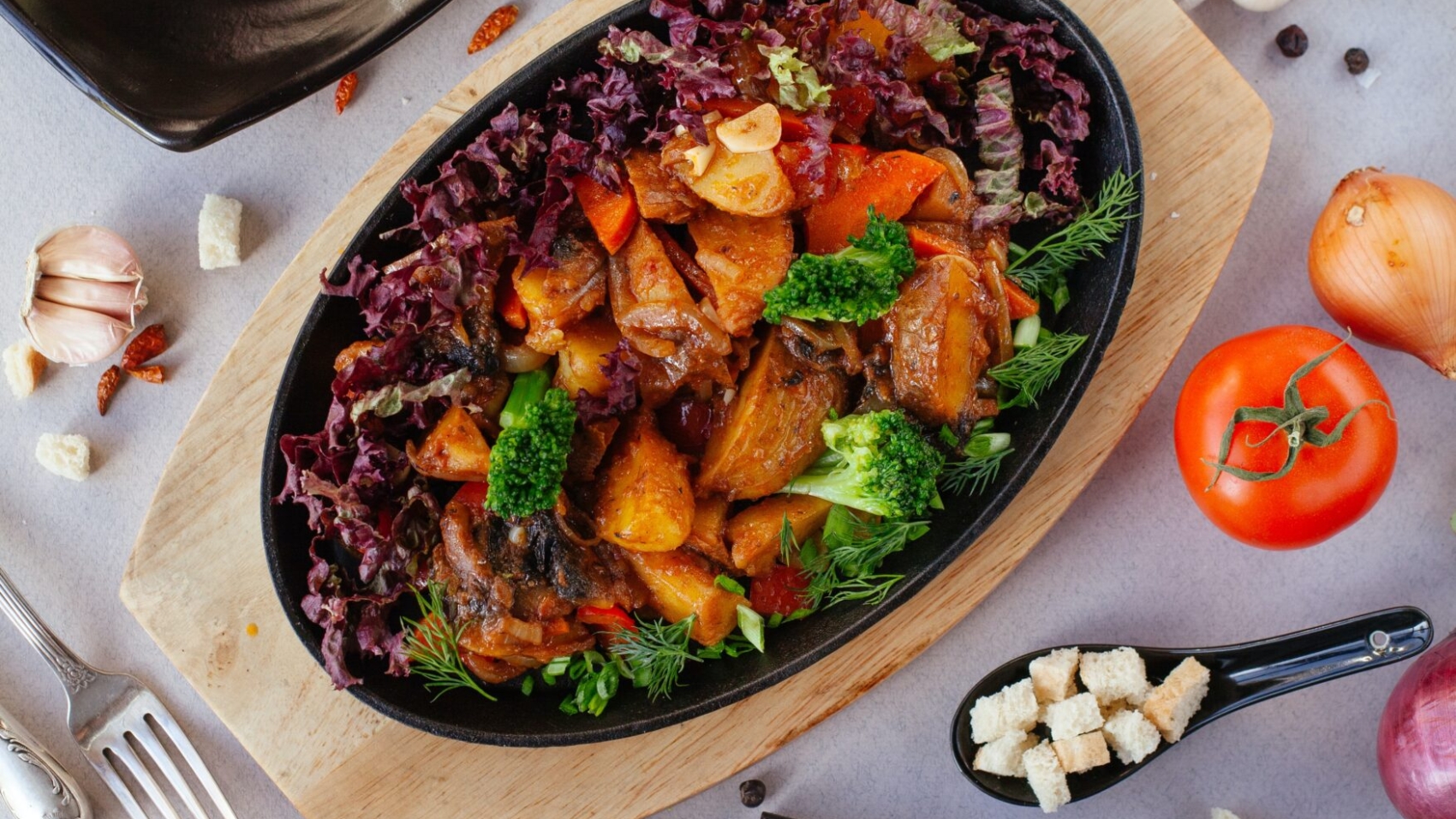
The Ultimate Vegan Recipe Book: 100+ Delicious Plant-Based Meals

The Ultimate Vegan Recipe Book: Savour 100+ Scrumptious Plant-Based Creations!

Are you looking for tasty and healthy vegan recipes to add to your meal rotation? Look no further than The Ultimate Vegan Recipe Book! With over 100 plant-based recipes, you’ll have plenty of options to choose from for breakfast, lunch, dinner, and snacks. Whether you’re a seasoned vegan or just starting out, this recipe book is sure to inspire you to try new and delicious plant-based meals.

Introduction to veganism and its benefits.

Veganism is a lifestyle that involves avoiding the use of animal products for food, clothing, or any other purpose. Many people choose to adopt a vegan lifestyle for ethical, environmental, or health reasons. Plant-based diets have been shown to reduce the risk of chronic diseases such as heart disease, diabetes, and certain types of cancer. Additionally, veganism can have a positive impact on the environment by reducing greenhouse gas emissions and preserving natural resources.

Breakfast recipes, including smoothies, pancakes, and tofu scrambles.

Start your day off right with these delicious and nutritious vegan breakfast recipes! From fruity smoothies to fluffy pancakes and savory tofu scrambles, there’s something for everyone in The Ultimate Vegan Recipe Book. Try the blueberry banana smoothie for a refreshing and energising start to your morning, or whip up some fluffy vegan pancakes topped with fresh fruit and maple syrup. And for a protein-packed breakfast option, try the tofu scramble with veggies and spices for a savoury and satisfying meal.

Lunch and dinner recipes, including soups, salads, pasta dishes, and stir-fries.

The Ultimate Vegan Recipe Book has got you covered for all your plant-based meal needs, including lunch and dinner recipes. From hearty soups and salads to comforting pasta dishes and flavourful stir-fries, there’s something for every taste preference. Try the lentil and vegetable soup for a warm and filling lunch, or the quinoa and black bean salad for a refreshing and protein-packed meal. And for a satisfying dinner option, try the mushroom and spinach pasta or the spicy tofu stir-fry. With over 100 recipes to choose from, you’ll never run out of delicious vegan meal ideas.

Snacks and appetisers, including dips, spreads, and vegan cheese.

The Ultimate Vegan Recipe Book isn’t just for main meals – it also includes a variety of tasty snacks and appetisers. Impress your guests with homemade dips and spreads like hummus, guacamole, and cashew cheese. Or try making your own vegan cheese using nuts and nutritional yeast. For a healthier snack option, try roasted chickpeas or kale chips. With so many delicious options, you’ll never have to resort to boring snacks again.

Desserts, including cakes, cookies, and ice cream.

The Ultimate Vegan Recipe Book doesn’t just stop at main meals and snacks – it also includes a variety of mouth-watering desserts. Indulge in sweet treats like chocolate cake, peanut butter cookies, and even vegan ice cream. Impress your friends and family with your baking skills while still sticking to your plant-based diet. With over 100 recipes to choose from, you’ll never run out of dessert ideas.

Wondering what the title of the ultimate vegan recipe book is? Look no further than The How Not to Diet Cookbook: Over 100 Recipes for Healthy, Permanent Weight Loss. This is the Ultimate Vegan Recipe Book your one-stop resource for discovering an array of delicious and nutritious plant-based meals. With over 100 recipes ranging from breakfast to dinner, and even snacks and appetisers, you’ll have endless options to explore and enjoy. Whether you’re a seasoned vegan or just embarking on your plant-based journey, this recipe book will inspire you to create delightful and wholesome meals that will not only satisfy your taste buds but also contribute to a healthier lifestyle and a more sustainable world. 

Ready to embark on a journey to better health without the stress of mastering nutrition basics? Our sister website has you covered with an array of scrumptious plant-based recipes to support your goals, be it weight loss, better digestion, or a healthier lifestyle overall.

Don’t wait another day to begin your path to optimal health and happiness. Explore our coaching programs and schedule your FREE strategy call now to kick off a life full of energy, well-being, and satisfaction. Act today and embrace the power of plant-based living!

Vegan challenge

7-Day Vegan Challenge: Kickstart Your Plant-Based Journey with Our Beginner’s Guide

7-Day Vegan Challenge: A Beginner’s Guide to Plant-Based Eating

Have you ever considered adopting a plant-based diet but weren’t sure where to start? Or maybe you’re curious about the benefits of a vegan lifestyle but feel overwhelmed by the thought of giving up animal products. If this sounds like you, then a 7-day vegan challenge might be just what you need.

A vegan challenge can be a great way to dip your toes into the world of plant-based eating and experience the benefits of a vegan lifestyle firsthand. In this blog post, we’ll explore the reasons why you should try a 7-day vegan challenge and provide you with tips on how to make the transition to a plant-based diet as smooth and enjoyable as possible. Whether you’re looking to improve your health, reduce your carbon footprint, or simply try something new, a 7-day vegan challenge can be a life-changing experience. So, are you ready to take the plunge and try a vegan challenge? Let’s get started!

Plan your meals and snacks ahead of time.

One of the keys to success in the 7-day vegan challenge is to plan your meals and snacks ahead of time. This will help you stay on track and avoid the temptation to reach for non-vegan options when you’re hungry and in a rush. Take some time at the beginning of the week to plan out your meals and make a grocery list. You can also prep some meals and snacks in advance to make things easier throughout the week.

Stock up on plant-based proteins and healthy fats.

When transitioning to a vegan diet, it’s important to make sure you’re getting enough protein and healthy fats to support your body’s needs. Some great sources of plant-based protein include beans, lentils, tofu, tempeh, quinoa, nuts, and seeds. For healthy fats, try incorporating avocado, nuts, seeds, and olive oil into your meals. Don’t be afraid to experiment with new recipes and ingredients to find what works best for you.

Experiment with new recipes and flavours.

One of the most exciting parts of trying a plant-based diet is discovering new flavors and recipes. Don’t be afraid to experiment with different spices, herbs, and sauces to add flavor to your meals. Try new vegetables and fruits that you may not have tried before, such as jackfruit, eggplant, or papaya. You may be surprised at how delicious and satisfying plant-based meals can be. And if you’re not sure where to start, there are plenty of vegan cookbooks and online resources to help inspire you.

Don’t forget about essential nutrients like iron and B12.

While a plant-based diet can provide many health benefits, it’s important to make sure you’re getting all the essential nutrients your body needs. Iron and vitamin B12 are two nutrients that can be more challenging to get enough of on a vegan diet. To ensure you’re meeting your needs, consider incorporating iron-rich foods like leafy greens, beans, and fortified cereals, and taking a B12 supplement or eating fortified foods like plant milks or nutritional yeast. Consulting with a registered dietitian can also help ensure you’re meeting all your nutrient needs on a vegan diet.

Stay hydrated and listen to your body’s hunger cues.

When embarking on a plant-based diet, it’s important to stay hydrated and listen to your body’s hunger cues. Aim to drink at least 8 glasses of water a day and consider incorporating hydrating foods like watermelon, cucumber, and celery into your meals. It’s also important to listen to your body’s hunger cues and eat when you’re hungry, rather than restricting calories or following strict meal plans. Pay attention to how your body feels after meals and adjust your food choices accordingly.

The 7-day vegan challenge offers a fantastic opportunity to explore plant-based eating and discover the exciting flavors and benefits that come with it. By planning meals ahead, incorporating plant-based proteins and healthy fats, experimenting with new recipes, and ensuring you’re getting essential nutrients, you’ll set yourself up for success. Staying hydrated and being in tune with your body’s hunger cues will also help you feel your best throughout the challenge. Embrace this week-long journey as a chance to expand your culinary horizons, learn more about veganism, and potentially pave the way for a healthier, more sustainable lifestyle. Remember, this challenge is just the beginning – let it inspire you to continue exploring plant-based eating and all it has to offer.

Ready to embark on a journey to better health without the stress of mastering nutrition basics? Our sister website has you covered with an array of scrumptious plant-based recipes to support your goals, be it weight loss, better digestion, or a healthier lifestyle overall.

Don’t wait another day to begin your path to optimal health and happiness. Explore our coaching programs and schedule your FREE strategy call now to kick off a life full of energy, well-being, and satisfaction. Act today and embrace the power of plant-based living!

Exercise plans

10 Effective Exercise Plans for Beginners

10 Effective Exercise Plans for Beginners You Can Do From Home

Are you ready to start a new exercise routine but not sure where to begin? With so many options out there, it can be overwhelming to choose the right plan for you. Luckily, we’ve compiled a list of 10 effective exercise plans for beginners that will help you get started on your journey to a healthier lifestyle. From strength training to cardio, there’s something for everyone on this list.

Walking or Jogging Plan.

Walking or jogging is a great way to get started with exercise, especially for beginners. This plan involves alternating between walking and jogging for set periods of time. For example, you might start with a 5-minute warm-up walk, followed by 1 minute of jogging and 2 minutes of walking, repeated for a total of 20 minutes. As you progress, you can increase the amount of time you spend jogging and decrease the amount of time you spend walking. This plan is great for improving cardiovascular health and building endurance.

Bodyweight Strength Training Plan.

Bodyweight strength training is a great way to build muscle and improve overall fitness without the need for equipment or a gym membership. This plan involves exercises like push-ups, squats, lunges, and planks, performed in a circuit with little to no rest in between. Start with 10 reps of each exercise and repeat the circuit 2-3 times, gradually increasing the number of reps and sets as you get stronger. This plan is perfect for beginners looking to build strength and tone their muscles.

Yoga Plan.

Yoga is a great exercise plan for beginners as it not only improves physical health but also mental well-being. Start with basic poses like downward dog, child’s pose, and warrior I, holding each pose for 5-10 breaths. As you become more comfortable, try more challenging poses like crow or headstand. Yoga can also be a great way to reduce stress and improve flexibility. Consider taking a beginner’s yoga class or following along with a yoga video online.

Pilates Plan.

Pilates is a low-impact exercise plan that focuses on building core strength, improving posture, and increasing flexibility. It’s a great option for beginners as it can be modified to fit any fitness level. Start with basic exercises like the Pilates hundred, single leg stretch, and spine stretch forward. As you become more comfortable, try more challenging exercises like the Pilates teaser or the Pilates plank. Consider taking a beginner’s Pilates class or following along with a Pilates video online.

Cycling Plan.

Cycling is a great low-impact exercise that can be done indoors or outdoors. Start with shorter rides and gradually increase the duration and intensity. Aim for at least 30 minutes of cycling per session, three times a week. As you become more comfortable, try incorporating hills or intervals to increase the challenge. Consider joining a cycling group or taking a spin class for added motivation and support. Don’t forget to wear a helmet and follow proper safety precautions when cycling outdoors.

Beginning your fitness journey doesn’t have to be daunting with the right exercise plan. The ten effective exercise plans for beginners outlined above offer a diverse range of options, from walking and jogging to yoga and Pilates, ensuring there’s something to suit every individual’s preferences and needs. As you embark on your journey, remember that consistency is key and progress takes time. Start slow, set realistic goals, and gradually increase the intensity and duration of your chosen exercise plan. By incorporating these beginner-friendly plans into your routine, you’ll soon see improvements in your physical health, mental well-being, and overall quality of life. Embrace the journey and enjoy the benefits of a more active lifestyle.

Ready to kickstart your journey to better health without the stress of mastering nutrition basics? Look no further! Our sister website is packed with delectable plant-based recipes to support your goals, whether it’s weight loss, improved digestion, or simply embracing a healthier lifestyle.

Don’t wait another day to embark on your path to optimal health and happiness. Explore our coaching programs and schedule your FREE strategy call now to begin living the life you deserve. Act today and unlock the potential for a healthier, happier you!

Basics of nutrition

Basics of Nutrition: The Role of Macronutrients and Micronutrients in Your Diet

The Crucial Roles of Macronutrients and Micronutrients in a Balanced Diet

Nutrition is the foundation of a healthy lifestyle, but it can be overwhelming to know where to start. Understanding the basics of nutrition is key to making informed choices about what you eat. This guide will break down the importance of macronutrients and micronutrients in your daily intake, and provide tips for improving your diet.

What are macronutrients and micronutrients?

Macronutrients are the nutrients that our bodies need in large amounts to function properly. These include carbohydrates, proteins, and fats. Micronutrients, on the other hand, are the nutrients that our bodies need in smaller amounts, but are still essential for good health. These include vitamins and minerals. Both macronutrients and micronutrients play important roles in maintaining a healthy diet and lifestyle.

The role of carbohydrates in your diet.

Carbohydrates are one of the three macronutrients that our bodies need in large amounts. They are the primary source of energy for our bodies and are found in foods like bread, pasta, rice, and fruits. However, not all carbohydrates are created equal. Simple carbohydrates, like those found in candy and soda, are quickly digested and can cause spikes in blood sugar levels. Complex carbohydrates, like those found in whole grains and vegetables, are digested more slowly and provide a steady source of energy. It’s important to choose carbohydrates wisely and aim for a balanced intake.

The role of proteins in your diet.

Proteins are another important macronutrient that our bodies need. They are essential for building and repairing tissues, as well as for producing enzymes and hormones. Good sources of protein include beans, chickpeas, lentils, bulgar wheat, quinoa, seeds, tofu, tempeh, and nuts. It’s important to aim for a variety of protein sources in your diet to ensure that you are getting all of the essential amino acids that your body needs. Additionally, it’s important to pay attention to portion sizes, as consuming too much protein can put a strain on your kidneys.

The role of fats in your diet.

Fats are another important macronutrient that our bodies need, but it’s important to choose the right types of fats. Unsaturated fats, such as those found in nuts, seeds, avocados, and fatty fish, are beneficial for heart health and can help lower cholesterol levels. Saturated and trans fats, found in processed foods and animal products, should be limited in your diet as they can increase the risk of heart disease. It’s important to pay attention to portion sizes when consuming fats, as they are high in calories.

The importance of vitamins and minerals in your diet.

In addition to macronutrients, micronutrients such as vitamins and minerals are also essential for maintaining good health. Vitamins and minerals play a variety of roles in the body, from supporting immune function to aiding in the production of energy. Some common sources of vitamins and minerals include fruits, vegetables, whole grains, and plant-based proteins. It’s important to consume a variety of these foods to ensure you are getting all the necessary micronutrients your body needs.

Understanding the role of macronutrients and micronutrients in your diet is the basics of nutrition and is essential for achieving and maintaining a healthy lifestyle. By focusing on consuming a balanced mix of carbohydrates, proteins, and fats, along with a variety of micronutrient-rich foods, you can lay the foundation for optimal health and well-being. It is important to make mindful choices about the types of foods you eat, prioritise whole and unprocessed options, and pay attention to portion sizes. By incorporating these principles into your daily eating habits, you can support your body’s needs, boost your energy levels, and promote overall wellness. Remember, a well-balanced and nutritious diet is the cornerstone of a healthy lifestyle, and taking the time to educate yourself about macronutrients and micronutrients is a crucial step in making informed dietary choices.

Are you struggling to get on track with your health goals? Want to eat healthily without having to worry about the basics of nutrition? No problem! Our sister website offers a variety of delicious plant-based recipes that will help you achieve your desired health outcomes. Whether you’re looking to lose weight, improve your digestion, or simply lead a healthier lifestyle, we have something for everyone.

Start your journey towards optimal health and happiness today with one of our coaching programs. Book your FREE strategy call today and start living the life you want to live.