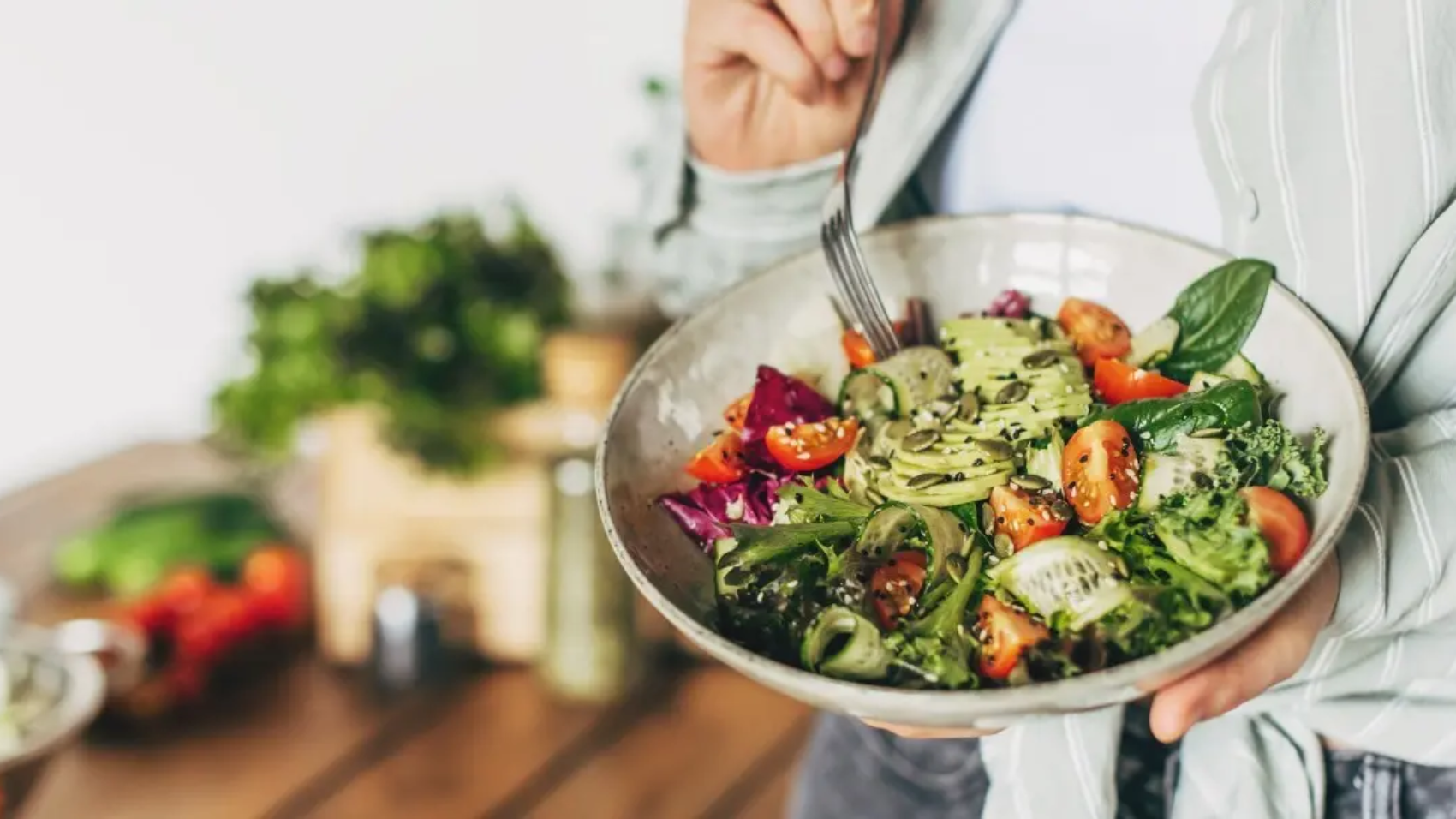
Plant-Based Health Tips

Boost Your Well-Being with These Top Plant-Based Health Tips

Boost Your Well-Being with These Top Plant-Based Health Tips


Boosting our well-being is a goal that many of us strive for, and one effective way to achieve this is by incorporating plant-based living into our daily routines. By embracing a plant-based lifestyle, we can support our health and overall well-being in a natural and sustainable way. In this article, we will explore the top plant-based health tips that can help elevate our health to new heights.

From improving our digestion to boosting our immune system, plant-based foods are packed with essential nutrients and antioxidants that can optimize our health. We will uncover the power of leafy greens, vibrant fruits, hearty legumes, and wholesome whole grains, and how they can contribute to our well-being.

Discover the benefits of replacing animal products with plant-based alternatives and learn how to create delicious and nutritious plant-based meals that will leave you feeling satisfied and energized. Whether you are a seasoned plant-based enthusiast or just starting to explore this lifestyle, these plant-based health tips will empower you to make positive changes that will enhance your overall wellness.

Join us as we embark on a journey towards vibrant health and well-being through these top plant-based health tips.

The benefits of a plant-based diet


In our quest to boost our well-being, incorporating a plant-based lifestyle into our daily routines can be a game-changer. By embracing plant-based living, we can support our health and overall well-being in a natural and sustainable way. In this article, we will explore the top plant-based health tips that can help elevate our health to new heights.

Understanding the different types of plant-based diets


A plant-based diet offers numerous benefits for our well-being. Firstly, it is rich in essential nutrients and antioxidants that can optimize our health. Plant-based foods, such as leafy greens, vibrant fruits, hearty legumes, and wholesome whole grains, are packed with vitamins, minerals, and phytochemicals that support various bodily functions. These nutrients can improve our digestion, boost our immune system, and enhance our overall vitality.

Moreover, a plant-based diet can contribute to weight management and reduce the risk of chronic diseases. By consuming a diet focused on plant-based foods, we can naturally lower our intake of saturated fats and cholesterol, leading to a healthier weight and reduced risk of conditions like heart disease, diabetes, and certain types of cancer.

The importance of nutrient balance in a plant-based diet


Plant-based diets come in various forms, and it’s essential to understand the differences. The most well-known types include vegetarian, vegan, and flexitarian diets. Vegetarians exclude meat but may include animal products such as dairy and eggs. Vegans, on the other hand, avoid all animal products, including dairy, eggs, and honey. Flexitarians primarily follow a plant-based diet but occasionally incorporate small amounts of animal products.

Choosing the right type of plant-based diet depends on personal preferences and health goals. Some individuals may find it easier to transition gradually, while others may choose to adopt a more strict plant-based lifestyle. The key is to find a balance that works best for your body and lifestyle.

Incorporating a variety of fruits and vegetables into your meals


A well-balanced plant-based diet is crucial to ensure we meet all our nutritional needs. While plant-based foods are nutrient-dense, it’s important to pay attention to specific nutrients that may be lacking in a plant-based diet. These include protein, iron, calcium, vitamin B12, and omega-3 fatty acids.

To ensure an adequate intake of protein, incorporate plant-based sources such as tofu, tempeh, legumes, and quinoa into your meals. Iron can be obtained from sources like dark leafy greens, lentils, and fortified cereals. Calcium can be found in plant-based milk alternatives, tofu, and leafy greens. Vitamin B12, which is primarily found in animal products, may require supplementation or consumption of fortified foods. Omega-3 fatty acids can be obtained from sources like flaxseeds, chia seeds, and walnuts.

Finding plant-based sources of protein


One of the key pillars of a plant-based diet is the abundance of fruits and vegetables. These colorful wonders are not only visually appealing but also provide a wide range of essential nutrients. Aim to incorporate a variety of fruits and vegetables into your meals to reap the benefits of their unique nutritional profiles.

Leafy greens, such as spinach, kale, and Swiss chard, are excellent sources of vitamins A, C, and K, as well as folate and fiber. Berries, including blueberries, strawberries, and raspberries, are packed with antioxidants that can protect against oxidative stress. Citrus fruits, such as oranges, grapefruits, and lemons, are rich in vitamin C, which supports immune function. Don’t forget about cruciferous vegetables, like broccoli, cauliflower, and Brussels sprouts, which are high in fiber and cancer-fighting compounds.

Essential vitamins and minerals for a plant-based diet


Protein is an essential macronutrient that plays a crucial role in our overall health. While animal products are commonly associated with high protein content, there are plenty of plant-based sources that can meet our protein needs. Legumes, such as lentils, chickpeas, and black beans, are excellent sources of plant-based protein. Tofu and tempeh, made from soybeans, are also great options.

Nuts and seeds, including almonds, cashews, chia seeds, and hemp seeds, are not only rich in protein but also provide healthy fats and other beneficial nutrients. Quinoa, a versatile grain, is a complete protein source, meaning it contains all essential amino acids. Including a variety of these plant-based protein sources in your diet will help ensure you meet your protein requirements.

Tips for meal planning and prepping on a plant-based diet


While a plant-based diet can provide an abundance of vitamins and minerals, there are a few nutrients that may require special attention. Vitamin B12, for instance, is primarily found in animal products, making it essential for those following a plant-based diet to ensure adequate intake through fortified foods or supplements.

Calcium is another nutrient that may need additional attention. While dairy products are commonly associated with calcium, plant-based sources such as fortified plant-based milk alternatives, tofu, and leafy greens can provide this essential mineral.

Plant-based substitutes for common animal-based ingredients


Meal planning and prepping can be incredibly helpful when following a plant-based diet. By devoting some time to plan and prepare your meals in advance, you can ensure that you have nutritious options readily available, which can help you stay on track and avoid relying on unhealthy convenience foods.

Start by creating a weekly meal plan, considering your schedule and dietary preferences. Include a variety of plant-based proteins, whole grains, fruits, and vegetables in your plan. Dedicate time each week to grocery shopping and batch cooking. Prepare large batches of grains, beans, and roasted vegetables that can be used as building blocks for multiple meals throughout the week. Portion out your meals into containers for easy grab-and-go options. Having a well-stocked pantry with plant-based staples, such as canned beans, whole grains, and spices, can also make meal preparation more convenient.

The role of exercise in a plant-based lifestyle


Transitioning to a plant-based diet doesn’t mean giving up your favorite dishes. Many animal-based ingredients can be easily substituted with plant-based alternatives without compromising on taste or texture. For example, dairy milk can be replaced with plant-based milk alternatives like almond milk, oat milk, or soy milk. Butter can be substituted with coconut oil or vegan margarine. Eggs can be replaced with mashed bananas, applesauce, or flaxseed meal mixed with water.

There are also numerous plant-based meat alternatives available in the market, such as tofu, tempeh, and seitan, which can be used as substitutes in recipes calling for meat. Experimenting with these plant-based substitutes can open up a whole new world of culinary possibilities.

In addition to a plant-based diet, regular physical activity plays a vital role in our overall well-being. Engaging in exercise can boost our energy levels, improve cardiovascular health, and enhance mental well-being. Whether it’s going for a brisk walk, taking a yoga class, or hitting the gym, finding an activity that you enjoy and can sustain long-term is key.

Consider incorporating strength training exercises to build and maintain muscle mass, which is important for overall health and metabolism. Aim for a combination of cardiovascular exercises, such as jogging or cycling, and strength training exercises, like weightlifting or bodyweight exercises. Don’t forget to warm up before each workout and cool down afterward to prevent injuries and aid in muscle recovery.


To read our latest blog click here:  How Can The Right Mindset, Nutrition And Fitness Framework Improve Your Life

Follow Us On FacebookInstagram

New Medical Studies Provide Insights Into Risk Factors for Disease and Longevity

New Medical Studies Provide Insights Into Risk Factors for Disease and Longevity

New Medical Studies Provide Insights Into Risk Factors for Disease and Longevity

A major study from the Cleveland Clinic demonstrated that the gut-derived metabolite TMAO (trimethylamine N-oxide), which is produced by the gut microbiota in response to the consumption of certain dietary components, such as egg yolks and red meat, is associated with a higher risk of an abdominal aortic aneurysm (AAA).

AAA is a bulge in the wall of the aorta, the main artery that carries blood from the heart to the rest of the body. AAAs can rupture, which can be fatal. The study, which was published in the journal Nature Medicine, found that people with the highest levels of TMAO were more than twice as likely to develop an AAA as those with the lowest levels.

The researchers also found that TMAO caused AAAs in mice. The study’s findings suggest that reducing TMAO levels could help to prevent AAAs. This could be done by eating less red meat and egg yolks, or by taking supplements that contain probiotics, which are live bacteria that can help to improve gut health.

Another study, which was published in the journal Hypertension, found that using ambulatory and nighttime blood pressure is the most predictive of adverse outcomes for hypertension. Ambulatory blood pressure is measured over a 24-hour period, while nighttime blood pressure is measured during sleep. The study, which included data from over 1,000 people, found that people with higher ambulatory and nighttime blood pressure were more likely to experience heart attacks, strokes, and other cardiovascular events.

The researchers also found that people with higher ambulatory and nighttime blood pressure were more likely to die from any cause. The study’s findings suggest that doctors should focus on controlling ambulatory and nighttime blood pressure in people with hypertension. This could be done by using medications, making lifestyle changes, or both.

A detailed animal study also states that taurine may be good for longevity. Taurine is an amino acid that is found in high concentrations in the heart, brain, and muscles. It is also found in some foods, such as seafood, meat, and dairy products. The study, which was published in the journal Nature Medicine, found that taurine supplementation increased lifespan in mice. The researchers also found that taurine protected against age-related diseases, such as heart disease and stroke. The study’s findings suggest that taurine may be a potential way to improve longevity in humans. However, more research is needed to confirm these findings. In addition to the studies mentioned above, other recent medical studies have found that:

Exercise can lower diabetes risk. A study published in the journal Diabetes Care found that people who exercised for at least 150 minutes per week had a lower risk of developing type 2 diabetes than those who did not exercise.

Both the plant-based diet and the Mediterranean diet are linked to increased longevity. A study published in the journal Annals of Internal Medicine found that people who followed a Mediterranean diet had a lower risk of death from all causes than those who did not follow the diet.

The power of community—even in lower-income households—is strong. A study published in the journal PLOS One found that people who had strong social ties were more likely to live longer than those who did not have strong social ties.

Oral oestrogen may lead to higher blood pressure in women. A study published in the journal Hypertension found that women who took oral oestrogen had a higher risk of developing high blood pressure than women who did not take oral oestrogen.

These are just a few of the many recent medical studies that have been published. By staying up-to-date on the latest research, you can make informed decisions about your health.

If you’d like to embark on your health journey and need some support and guidance book your free strategy call.

To find out more about the research being carried out at the Cleveland Clinic go to their website and browse the many articles in their health library.

Pregnancy

Pregnancy: How To Stay Healthy on a Plant-Based Diet

11 Things to do to stay healthy when pregnant

Pregnancy is a time of great change for a woman’s body. As her baby grows, her body will need to adapt to accommodate the extra weight and demands of pregnancy. Eating a healthy diet is essential for both the mother and the baby. A plant-based diet can be a healthy and nutritious way to nourish your body during pregnancy. However, it is important to make sure that you are getting all the nutrients that you and your baby need. Here are some tips for staying healthy while pregnant on a plant-based diet:

  1. Eat a variety of foods from all food groups. This will help you to get all the nutrients that you need.
  2. Focus on whole, unprocessed foods. These foods are packed with nutrients and fibre.
  3. Include plenty of fruits and vegetables in your diet. Fruits and vegetables are a great source of vitamins, minerals, and fibre.
  4. Choose healthy plant-based protein sources. Good sources of plant-based protein include beans, lentils, tofu, tempeh, nuts, and seeds.
  5. Take a prenatal vitamin. A prenatal vitamin can help to ensure that you are getting all the nutrients that you and your baby need.

If you have any concerns about eating a plant-based diet during pregnancy, talk to your doctor. They can help you to create a diet plan that is safe and appropriate for your individual needs. Here are some additional tips for staying healthy while pregnant on a plant-based diet:

  1. Talk to your doctor or a registered dietitian about your specific needs.
  2. Make sure to get enough iron, vitamin B12, and calcium.
  3. Consider taking a prenatal vitamin that is specifically designed for vegans or vegetarians.
  4. Be sure to eat a variety of foods from all food groups.
  5. Listen to your body and eat when you are hungry.
  6. Don’t be afraid to ask for help from your friends, family, or doctor.

Eating a healthy plant-based diet can be a great way to nourish your body and your baby during pregnancy. By following these tips, you can ensure that you are getting all the nutrients that you need to have a healthy pregnancy and a healthy baby. Here are some specific nutrients that you need to be aware of when following a plant-based diet during pregnancy:

Iron:

Iron is important for carrying oxygen in the blood. Pregnant women need more iron than non-pregnant women. Good sources of iron include beans, lentils, spinach, and fortified cereals.

Vitamin B12:

Vitamin B12 is important for red blood cell production and nerve function. Pregnant women need more vitamin B12 than non-pregnant women. Good sources of vitamin B12 include fortified cereals, nutritional yeast, and tempeh.

Calcium:

Calcium is important for building strong bones and teeth. Pregnant women need more calcium than non-pregnant women. Good sources of calcium include dairy products, leafy green vegetables, and fortified foods.

If you are concerned about getting enough of these nutrients, talk to your doctor, registered dietitian, or health coach. They can help you create a plan to make sure that you are getting all the nutrients that you and your baby need. Here are some common challenges that pregnant women on plant-based diets may face:

Feeling tired

It is common for pregnant women to feel tired, regardless of their diet. However, pregnant women on plant-based diets may feel more tired if they are not getting enough iron or vitamin B12, so make sure you eat your greens on a day-to-day basis.

Feeling hungry

Pregnant women need to eat more calories than non-pregnant women. Pregnant women on plant-based diets may need to eat even more calories if they are not getting enough calories from their diet. This does not mean that you are eating for two people, it just means an extra few calories a day of quality whole foods.

Not getting enough protein

Protein is important for building and repairing tissues. Pregnant women need more protein than non-pregnant women. Pregnant women on plant-based diets may need to make sure that they are getting enough protein from their diet by eating beans, lentils, chickpeas, tofu, and green vegetables including peas. Rice and cranberries also contain adequate amounts of protein.

Eating a healthy plant-based diet can be a great way to nourish your body and your baby during pregnancy. By following these tips, you can ensure that you are getting all the nutrients that you need to have a healthy pregnancy and a healthy baby.

For healthy and tasty plant-based recipes, visit our sister website. yourplantbasedhealth.com

For more information on health, wealth, and happiness as plant-based or vegan visit our blog.

Plant-based wellness and health. Discover the benefits of a plant-based diet for your wellness and health. Explore expert tips, recipes, and more to help you on your journey to a healthier you.

Plant-based wellness and health tips

As someone who has been a vegetarian for over 20 years and now a vegan, I have experienced numerous health benefits from a plant-based diet. From increased energy levels to improved digestion, the benefits of a plant-based diet are truly remarkable. If you’re looking to improve your health and well-being or simply want to feel better about yourself, then you’re in the right place. In this blog post, I’ll be sharing some of the top plant-based health tips that have helped me on my journey to better health. So, sit back, relax, and keep reading to learn how you can improve your health with a plant-based diet.

Plant-based diets are great for your health.

Here are four reasons why plant-based diets are good for you:

  • Plant-based diets are great for your health.
  • Plant-based diets can help you lose weight.
  • Plant-based diets can help you lower your cholesterol levels.
  • Plant-based diets can help you lower your blood pressure and decrease other risk factors for heart disease, like inflammation in the body or high blood sugar levels.

The benefits are numerous, such as a reduced risk of diabetes, heart disease, high blood pressure, and stroke. Here are some of the added benefits of bein on a plant-based diet.

  • Plant-based diets are associated with a reduced risk of diabetes, heart disease, high blood pressure, and stroke.
  • Plant-based diets are also associated with a lower body mass index (BMI) and lower cholesterol levels.
  • Plant-based diets are associated with a lower risk of cancer

Cut out or cut down your meat and dairy intake

There are many more reasons why you should switch to a plant-based diet and if you eat meat and dairy and you are exhibiting health issues, you should cut down on it as soon as possible. Most people do not see the connection between poor diet and poor health.

If you’re not already a vegetarian or vegan, eating less meat is a good idea. Meat is high in calories and saturated fat, which can increase the risk of heart disease and certain cancers. Reducing your intake will help keep your weight down and reduce the risk of other health problems like diabetes or high blood pressure.

A plant-based diet may help lower your cholesterol levels.

  • A plant-based diet is rich in fiber, which helps lower cholesterol.
  • A plant-based diet is rich in antioxidants, which helps lower cholesterol.
  • A plant-based diet is rich in phytochemicals (plant compounds), which also help lower cholesterol levels

Plant-based diets have been shown to be effective in reducing the levels of LDL cholesterol, commonly referred to as “bad” cholesterol, in the body. Studies have found that people who consume a diet rich in fruits, vegetables, whole grains, legumes, and nuts are at a lower risk of developing heart disease, which is often caused by the buildup of LDL cholesterol in the arteries. This is because plant-based foods are generally low in saturated fat and high in fiber, which can help to lower cholesterol levels. In fact, some studies have shown that a plant-based diet can be just as effective as medications in reducing LDL cholesterol levels. Additionally, plant-based diets are also associated with numerous other health benefits, such as reducing the risk of diabetes, obesity, and certain types of cancer.

You’ll feel better about yourself if you give up meat and dairy.

It’s easy to feel good about yourself when you eat healthy.

Giving up meat and dairy can have positive effects on your overall health and well-being, which can lead to feeling better about yourself. By adopting a plant-based diet, your body may experience weight loss and increased energy levels, resulting in a sense of accomplishment and pride. Making the decision to eat a plant-based diet can also bring a feeling of purpose and ethical alignment with your values, which can contribute to a positive self-image.

Meat can increase the risk of heart disease and certain cancers.

If you’re a meat eater, red meat is your main source of iron. While this mineral can be beneficial to your body, it can also increase your risk for heart disease and certain cancers if not consumed in moderation. Red meat contains high levels of saturated fat and cholesterol both of which are known contributors to these diseases. Additionally, eating too much red meat may cause weight gain or obesity over time because it’s high in calories (about 200-300 calories per 3 ounces).

There are many types of plant-based proteins, including beans, nuts, and whole grains.

There are many types of plant-based proteins, including beans, nuts, and whole grains. Beans are a good source of protein because they contain all nine essential amino acids that your body needs to function properly. Peas and beans also have vitamin C, which helps boost your immune system; nuts provide vitamin E and minerals like magnesium; whole grains contain fiber as well as B vitamins that help decrease cholesterol levels in the bloodstream.

Grains, legumes, and vegetables are low in fat and calories compared to meats.

Grains, legumes, and vegetables are low in fat and calories compared to meats. They are also high in fiber, which can help you feel fuller longer. In addition to being low-calorie foods, grains, legumes, and vegetables contain many nutrients that your body needs for good health:

Some research shows that eating whole foods is more beneficial than processed foods for overall health and disease prevention – including cancer reduction and anti-aging benefits.

Vegetables have antioxidant properties that help fight diseases in our bodies and prevent cell damage by removing free radicals that cause oxidative stress in our cells.

Plant-based diets are good for your health and help to reduce oxidative stress. Studies have shown that eating whole foods is more beneficial than processed foods for overall health and disease prevention including aiding in the prevention of cancers and can also help in the reduction of the aging process and have anti-aging benefits. Vegetables have antioxidant properties that help fight diseases in our bodies and prevent cell damage by removing free radicals that cause oxidative stress in our cells.

Some research shows that plant-based diets can lower cholesterol levels, and blood pressure and reduce the risk of heart disease or even cancer!

At the end of the day, it’s your choice. But if you’re looking for a way to improve your health and feel better about yourself, consider giving up meat and dairy, and of course processed food, and swap them out for a tasty, and interesting whole foods plant-based diet. You don’t have to go all in at once – just start with one day each week and progress from there.

Are you struggling to get on track with your health goals? Our sister website offers a variety of delicious plant-based recipes that will help you achieve your desired health outcomes. Whether you’re looking to lose weight, improve your digestion, or simply lead a healthier lifestyle, we have something for everyone.

Start your journey towards optimal health and happiness today with one of our coaching programs. Book your FREE strategy call today and start living the life you want to live.

How to get rid of bloating naturally

How to get rid of bloating naturally

Bloating, also known as gastric distension, is the feeling of fullness and tightness in the abdomen. It can be caused by eating too much or by an underlying medical condition. If you suffer from bloating frequently or just want to avoid it completely, here’s how to make some simple dietary changes that will help:

Get rid of bloating with a plant-based diet

If you’re looking to get rid of bloating, a plant-based diet may be the answer. A study published in the Journal of Nutrition shows that people who eat more fruits and vegetables have lower levels of abdominal fat, which can cause water retention.

Another benefit? A plant-based diet tends to be high in fiber–and fiber helps prevent constipation (a major cause of bloating). Plus, it’s easy on the environment compared with factory farming operations that produce meat products like beef or chicken.

Eat more fiber and less processed food.

  • Eat more fiber and less processed food. Fiber helps with digestion, which means it can also help to prevent bloating. Processed foods are high in salt, fat and sugar and low in fiber. So if you want to get rid of bloating naturally, eat more whole grains (such as oats), fresh fruits, and vegetables instead of processed ones like chips or cookies.

Drink more water.

  • Drink more water.

Water helps to flush out toxins, regulate the body temperature and keep you hydrated. It also keeps your skin healthy and glowing, muscles strong and healthy as well as joints moving smoothly.

Improve your digestion with probiotics.

Probiotics are friendly bacteria that can help improve digestion. They’re found in fermented foods like yogurt, kefir, kombucha, and other fermented foods.

Probiotics also improve the health of your gastrointestinal tract by boosting immunity and reducing inflammation in your gut (which may be causing you to bloat).

Eat whole grains instead of refined grains.

There are two types of grains: whole and refined. Whole grains are high in fiber, which can help reduce bloating. Refined grains have been processed to remove the bran and germ the parts that contain most of the nutrients found in whole grains. Instead, they’re higher in sugar and starch than whole grains, which can cause you to feel bloated if you eat too much of them.

Prioritize plant-based protein sources.

Prioritize plant-based protein sources.

Protein is essential for building muscle and other bodily functions, so it’s important to get enough in your diet. But if you’re trying to avoid meat and dairy products (for example), where can you find the necessary amount of protein? The answer is simple: plants!

Plant-based foods like nuts, seeds, and legumes contain all nine essential amino acids the building blocks of protein without any cholesterol or saturated fat. In addition to being healthier than animal products, these foods are often more sustainable as well because they require less land space for farming than raising animals does; many local farmers even grow their own crops specifically for consumption by humans rather than livestock. Finally, many plant sources are also cheaper than meat when bought from supermarkets or grocery stores; however, this may vary depending on where exactly one lives in relation to farms producing these crops locally.

Include anti-inflammatory foods in your diet.

In order to get rid of bloating, you must first identify the foods that cause inflammation. Inflammation occurs when the body’s immune system releases chemicals that fight off infections and heal damaged tissues. However, if these chemicals are activated too often or at inappropriate times (such as in response to normal digestive processes), they can damage your internal organs and cause chronic diseases like heart disease, diabetes, and cancer.

To avoid this damage from occurring in your digestive tract and thus causing bloating it’s important to eat foods that contain anti-inflammatory properties instead of pro-inflammatory ones. Anti-inflammatory foods include:

  • Lean protein sources such as tofu; legumes such as beans or lentils; nuts like walnuts or almonds (but not peanuts); seeds like flaxseed oil.
  • Consume natural sugars that aren’t refined and don’t spike blood sugar levels. Choose vegetables, fruits, and legumes over sweeteners like brown rice syrup and agave nectar when you need a little sweetness in your sweets or desserts.

When you’re looking for a healthy snack or dessert, reach for whole foods not processed ones.

Whole foods are more filling than their refined counterparts and tend to have more nutrients. They also contain fiber, which helps you stay full longer by slowing down digestion so the body doesn’t absorb all of the calories at once. Finally, whole foods are higher in water content than their processed counterparts (such as cookies) and therefore don’t cause bloating as much as sugary sweets would because they don’t cause blood sugar levels to spike as much either!

A plant-based diet can help you get rid of bloating naturally

You can try a plant-based diet to help you get rid of bloating naturally. A plant-based diet is one that relies on whole grains and legumes, fruits, vegetables, nuts, and seeds as its main sources of food. It also focuses on avoiding processed foods such as refined sugar or white bread products.

This type of eating plan has many benefits including lowering your risk for heart disease and Type 2 diabetes by reducing inflammation in the body. In addition to these health benefits, it can also help reduce bloating!

If you’re looking for ways to reduce bloating naturally without resorting to medications or surgery there are several foods that may help out.

In particular, a plant-based diet rich in fruits, vegetables, whole grains, and legumes has been shown to be effective in reducing bloating and improving digestion. These foods are high in fiber and nutrients, which can help regulate bowel movements and promote a healthy gut microbiome. Additionally, avoiding processed and high-fat foods can also help reduce bloating. By incorporating more plant-based foods into your diet, you can naturally alleviate bloating and promote overall health and well-being.

If you’re looking for a way to get rid of bloating naturally, it’s worth trying a plant-based diet. It’s been shown that this type of eating pattern can help people lose weight and lower blood pressure and cholesterol levels which means less risk for heart disease and stroke. And since plant-based foods are also low in saturated fat and rich in fiber (which helps keep everything moving smoothly through your digestive tract), they’re an excellent choice if you want an overall healthier body!

Need to improve your diet? Here are a tonne of plant-based recipes for you to be getting on with. When you hire us to work with you we will create meal plans and recipe cards suited to your goals and lifestyle.

Need help getting on track and staying on track? Book your FREE strategy call today

The Basics Of Nutrition For A Plant-based Diet

Plant-based diets have become increasingly popular in recent years and with good reason. Eating a plant-based diet can provide many health benefits, including reducing the risk for diseases such as heart disease, diabetes, and some types of cancer. To make sure you’re getting all the nutrients your body needs to stay healthy on a plant-based diet, it’s important to understand the basics of nutrition and how the food you choose affects your well-being.

Fruits and vegetables are an essential part of any plant-based diet. Fruits and vegetables provide vitamins and minerals that are crucial for optimal health. They also contain fiber which aids in digestion, helps to reduce blood cholesterol levels and promotes healthy gut bacteria. Additionally, fruits and vegetables are low in calories and can help you reach or maintain a healthy weight. Include a variety of different fruits and vegetables in your diet, such as leafy greens, cruciferous vegetables (broccoli, cauliflower), starchy vegetables (potatoes, sweet potatoes), beans, and legumes, as well as seasonal produce.

Whole grains are also an important part of a plant-based diet. Whole grains provide complex carbohydrates that can give you sustained energy throughout the day. They contain fiber which helps to keep your digestive system regular and promotes a healthy gut microbiome. In addition to providing vitamins and minerals, whole grains are beneficial sources of protein for those following a plant-based diet. Good sources of whole grains include quinoa, oats, brown rice, barley and buckwheat.

Legumes are an important part of a plant-based diet as they provide essential proteins that can help you meet your body’s protein needs. Legumes include beans, peas, lentils, soybeans and peanuts. They are high in fiber and low in fat. Additionally, legumes provide vitamins and minerals such as iron, calcium, potassium, and magnesium which are essential for optimal health.

Healthy fats are also an important component of a plant-based diet. Healthy fats from sources such as avocado, olive oil, nuts, and seeds contain monounsaturated fatty acids (MUFAs) which have been linked to lower cholesterol levels and reduced risk of heart disease. Additionally, healthy fats provide energy and help to keep you feeling full throughout the day.

Finally, plant-based diets can also include plant-based milk alternatives such as almond milk and oat milk which are fortified with calcium and vitamins A, D, and B12. Soy milk is a great source of complete protein for those following a plant-based diet. Additionally, many vegan-friendly foods such as fortified cereals and nutritional yeast are good sources of vitamin B12.

By including fruits, vegetables, whole grains, legumes, healthy fats, and plant-based dairy alternatives in your diet you will be able to ensure that you’re getting all the nutrients your body needs on a plant-based diet. Eating a well-balanced plant-based diet can help you to reduce your risk for disease and can also provide many health benefits. Do research and consult with your doctor or a nutritionist if you have any questions about making sure that your plant-based diet is providing you with all the nutrients you need.

By taking the time to understand the basics of nutrition for a plant-based diet, you will be able to make sure that you’re getting all the essential vitamins and minerals needed for optimal health. Eating a well-balanced plant-based diet filled with fresh fruits and vegetables, whole grains, legumes, healthy fats, and plant-based milk alternatives can help ensure that you are receiving all of the essential nutrients your body needs for good health. Taking steps to ensure you are consuming a healthy, plant-based diet will help to reduce your risk for disease and keep your body feeling strong.

If you have any questions about making sure that your plant-based diet is providing you with all the nutrients you need, speak with a doctor or nutritionist who can provide personalized advice tailored to meet your individual needs. Taking the time to understand basics of nutrition for a plant-based diet is an important part of maintaining good health. Your body will thank you!

To read our latest blog click here: 5 Tips To Help You Get Better Responses To Your Questions?

Follow Us On FacebookInstagram

Weight Loss And Sleep

Weight loss and sleep – Five ways to get more sleep

Why is sleep important

Sleep is important for a number of reasons. It helps to restore and rejuvenate the body, as well as support healthy brain function. During sleep, your body is able to repair and regrow tissues, consolidate memories, and process and consolidate information learned during the day. Adequate sleep is also important for maintaining a healthy immune system and for regulating mood, appetite, and other essential bodily functions. Inadequate sleep can lead to a range of health problems, including obesity, diabetes, and an increased risk of developing certain diseases and disorders.

Why is sleep important for weight loss

There is some evidence to suggest that sleep may play a role in weight loss. Research has shown that people who get sufficient sleep tend to have a healthier body weight than those who don’t. It’s not entirely clear why this is the case, but there are a few theories. One theory is that lack of sleep may disrupt the balance of hormones in the body that regulate appetite, leading to an increase in appetite and cravings for high-calorie, sugary foods. Another theory is that lack of sleep may lead to an increase in the hunger hormone ghrelin and a decrease in the hormone leptin, which can increase appetite and lead to weight gain. Additionally, when you’re sleep deprived, you may have less energy and motivation to be physically active, which can also contribute to weight gain.

Five ways to get more sleep

  1. Stick to a consistent sleep schedule by going to bed and waking up at the same time every day.
  2. Create a relaxing bedtime routine, such as taking a warm bath or reading a book, to wind down before sleep.
  3. Make sure your bedroom is comfortable and conducive to sleep, with a comfortable bed and pillows, and a cool, dark, and quiet environment.
  4. Avoid screens, such as TVs, smartphones, and tablets, for at least an hour before bed, as the blue light emitted by these devices can disrupt your body’s natural sleep-wake cycle.
  5. Try to relax and clear your mind before sleep. Practice relaxation techniques, such as deep breathing or progressive muscle relaxation, to help you relax and fall asleep more easily

If you continue to suffer from a lack of sleep, it’s important to speak with your doctor and discuss potential treatments. Your doctor can help identify any underlying medical conditions that could be causing the issue and provide recommendations on how to improve your sleep habits or lifestyle changes that may help. Depending on the cause, they may suggest medications or other therapies such as cognitive-behavioral therapy (CBT) to address the underlying issues. Additionally, making sure you have a comfortable sleep environment is important; blue light exposure should be minimized in the evening, and noise levels should be kept low throughout the night. Finally, good sleep hygiene practices are essential for getting quality rest – so keep regular bedtimes and wake times, don’t use electronic devices before bed, and try to avoid caffeine, nicotine, or alcohol in the evening. With these tips and your doctor’s guidance, you can begin restoring restful sleep and improve your overall health.

Good luck! I hope this advice helps.

To read our latest blog click here: How To Get Rid Of Bingo Wings Naturally

Follow Us On FacebookInstagram

Menopause Symptoms

Menopause Symptoms

The menopause is a natural process that occurs as a woman gets older. It usually starts around the age of 50, but can occur earlier or later. The menopause marks the end of a woman’s reproductive years and her menstrual cycle.

There are several things that can cause the menopause, including:

– ageing

– medical conditions such as ovarian cancer or premature ovarian failure

– treatment for certain cancers, such as chemotherapy or radiation therapy

The menopause can have a number of different effects on a woman’s body. Some women may not experience any symptoms at all, while others may notice changes in their bodies and their moods. Some common symptoms of the menopause include:

– hot flushes

– night sweats

– vaginal dryness

– changes in sexual desire

– weight gain

– mood swings

There are three main stages of the menopause: perimenopause, menopause and postmenopause. Perimenopause is the stage before the menopause, when a woman’s body is preparing for the transition. Menopause is when a woman’s menstrual cycles have stopped and she can no longer become pregnant. Postmenopause is the stage after the menopause, when a woman’s body has adjusted to the change.

The menopause can be a difficult time for some women, but there are things that can help. If you’re experiencing any symptoms of the menopause, talk to your doctor about treatment options. There are also lifestyle changes that can help, such as eating a healthy diet and getting regular exercise.

There are many different things that can contribute to the symptoms of menopause, but one of the most important is diet. What you eat can have a big impact on how your body responds to the hormonal changes that occur during menopause.

There are a few specific things that you should avoid if you want to minimize your menopausal symptoms. First, stay away from sugary foods and drinks. Sugar can cause your blood sugar levels to spike, which can lead to hot flashes and night sweats.

Second, avoid caffeine. Caffeine can also trigger hot flashes and night sweats. If you must have caffeine, try to limit it to one cup per day.

Third, avoid alcohol. Alcohol can interfere with your sleep and make hot flashes worse. If you do drink, do so in moderation.

Finally, eat a healthy diet. Eating plenty of fruits, vegetables, and whole grains can help your body cope with the hormonal changes of menopause. Eating a balanced diet will also give you the energy you need to get through the day.

When it comes to menopause, diet is important. By avoiding sugary foods, caffeine, alcohol, and eating a healthy diet, you can minimize your menopausal symptoms and feel your best during this time in your life.

As we age, our bodies go through changes that can sometimes be difficult to cope with. One of the most challenging times for many women is menopause, when hormone levels shift and cause a range of uncomfortable symptoms.

Fortunately, there are things you can do to help ease the transition and improve your quality of life during this time. One of the most important things is to have the right mindset.

Negative thinking can make menopause symptoms worse. If you focus on all the ways that menopause is disrupting your life, you’ll likely find yourself feeling even more stressed and anxious.

Instead, try to focus on the positive aspects of this time in your life. Embrace the opportunity for change and

View List Of All Recipe On Create That Body

Learn More About Isabella Hawke | Follow Us On Facebook | Instagram

How To Master Your Mindset?

How to master your mindset?

When it comes to activating your inner CEO, mindset mastery is key. This involves cultivating a mindset of self-confidence, determination, and resourcefulness that will enable you to take on any challenge or obstacle that comes your way.

To start building this mindset, it’s important to start by setting goals for yourself. These might include specific career or business-related milestones that you want to achieve, as well as more general goals such as increasing your productivity and work efficiency. With clear goals in mind, you can begin taking the steps needed to achieve them – whether that means revamping your daily routine, seeking out new opportunities or training yourself in new skills and abilities.

Along the way, you’ll also need to be willing to take risks and face both setbacks and successes with grace. Remember that mindset mastery is an ongoing process, one that requires constant work and dedication in order to truly succeed. By staying focused on your goals, and consistently pushing yourself to grow and evolve as a CEO, you can unlock the full potential of your inner leader. mindset mastery is key. This involves cultivating a mindset of self-confidence, determination, and resourcefulness that will enable you to take on any challenge or obstacle that comes your way.

10 mindset skills to get you started on your mindset mastery journey:

  1. Set clear goals for yourself and your business.
  2. Believe in yourself and your ability to achieve success.
  3. Be willing to take risks and embrace change.
  4. Stay focused and committed to your goals, no matter what challenges arise.
  5. Be open to learning new things and developing new skills.
  6. Handle setbacks and failures with grace, using them as opportunities to grow.
  7. Persevere through tough times and celebrate your successes along the way.
  8. Constantly strive to improve your productivity and work efficiency.
  9. Create a positive mindset by surrounding yourself with supportive people and resources.

10 mindset master tips:

1) Every day, set aside time to reflect on your goals, and identify the steps you need to take in order to achieve them.

2) Create practical action plans that outline the specific steps you need to take in order to reach your goals, and be sure to set deadlines for yourself so that you stay focused and motivated.

3) Read books, attend workshops, and seek out other resources that can help you develop mindset mastery skills like self-confidence, resilience, and perseverance.

4) Find a mentor or coach who can provide guidance and support as you navigate your mindset mastery journey.

5) Surround yourself with a supportive community of like-minded individuals who can offer encouragement, advice, and accountability as you work towards success.

6) Take care of yourself both physically and mentally, as mindset mastery requires a healthy and balanced lifestyle.

7) Practice meditation or mindfulness techniques to help you focus and stay present in the moment.

8) Be patient with yourself, and remember that mindset mastery is a lifelong journey.

9) Set regular check-ins with yourself to assess your progress, and make adjustments to your goals and action plans as needed.

10) Finally, don’t forget to celebrate your successes along the way! mindset mastery is key. This involves cultivating a mindset of self-confidence, determination, and resourcefulness that will enable you to take on any challenge or obstacle that comes your way.

View List Of All Recipe On Create That Body

Learn More About Isabella Hawke | Follow Us On Facebook | Instagram

Are You A 40 Plus Woman Looking For Positive Change In Life?

Are you a 40 plus woman looking for positive change in life?

40 plus women are often at a point in their lives where they are ready to make changes. Many 40-plus women are at a stage in their lives where they’re looking to make positive changes, whether it’s in their career, personal life, or both. If you’re a 40-plus woman who’s looking for change, here are some tips to help you get started.

1. Define what you want to change. What specific areas of your life do you want to improve? Write down your goals and objectives so you have a clear idea of what you’re working towards.

2. Do your research. Once you know what area you want to focus on, it’s time to do some research. Talk to friends, family, and professionals to get advice and information. There are also many helpful resources available online.

3. Create a plan. Once you’ve done your research, it’s time to create a plan of action. What steps do you need to take to achieve your goals? Make sure your plan is realistic and achievable, and then put it into action.

4. Be patient. Change doesn’t happen overnight, so don’t expect results immediately. Be patient and persistent, and eventually you will see the results you’re looking for. 40 plus women are often at a point in their lives where they are ready to make changes.

5. Get support. Making positive changes in your life can be challenging, so it’s important to have a support system in place. Talk to your friends and family, join a support group, or seek out professional help if needed.

6. Be prepared for setbacks. As with anything in life, there will be bumps along the road. Don’t let setbacks discourage you from achieving your goals. Just dust yourself off and keep moving forward.

7. Celebrate your successes. Whenever you reach a milestone, take a moment to celebrate your success. This will help keep you motivated and on track towards your ultimate goal.

So, if you are a 40 plus woman and ready to make change in your life, don’t hesitate to get started. Just remember to take things one step at a time and be patient. With a little effort, you can achieve the goals you’ve set for yourself.

View List Of All Recipe On Create That Body

Learn More About Isabella Hawke | Follow Us On Facebook | Instagram