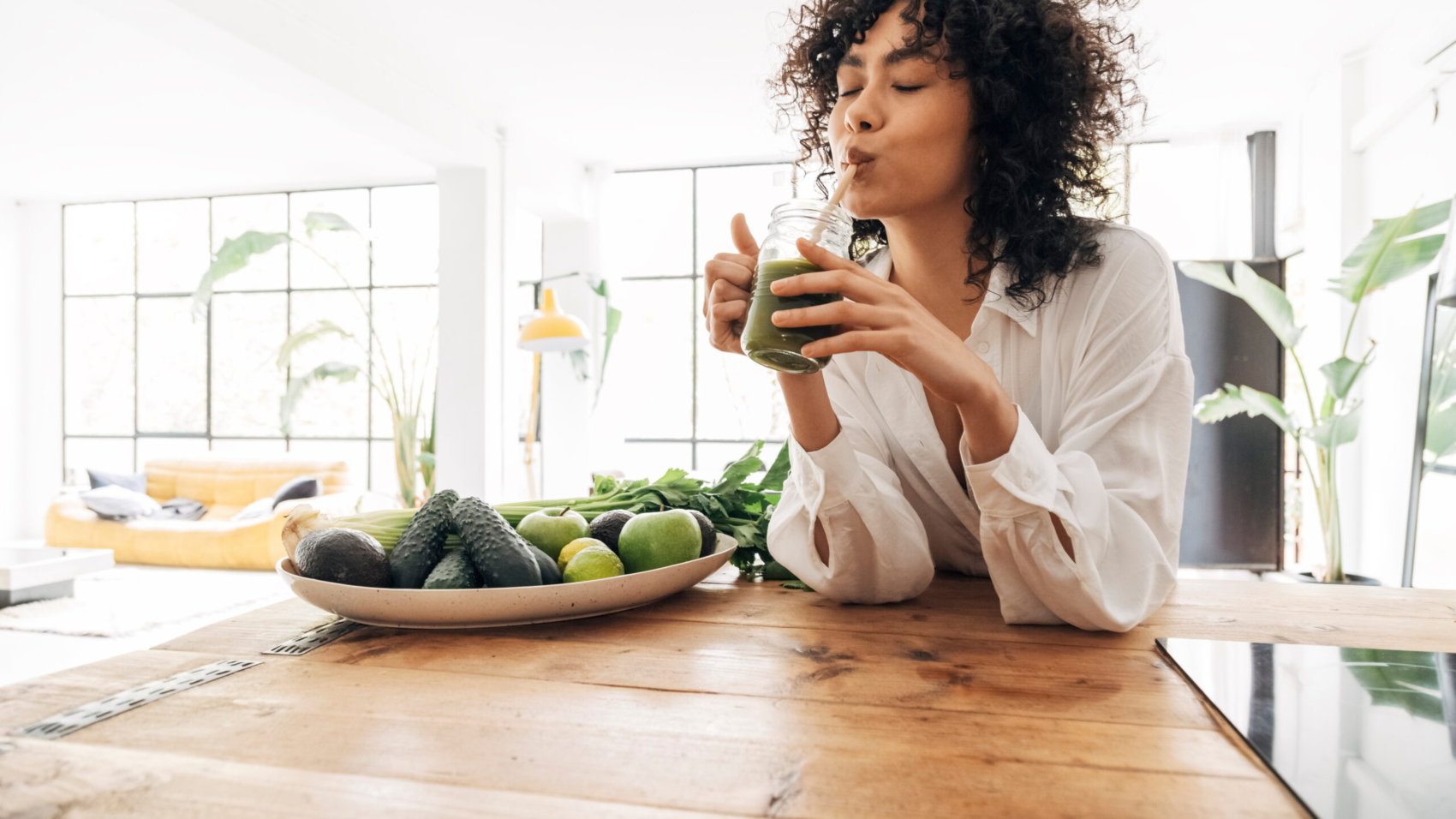
Busy moms juggling work and home

Fit and Healthy: Exercise Tips for Busy Moms

I’m a mother of three, and I work full-time. I have very little time to spend on myself, much less the time it takes to stay fit and healthy. That’s why I’m always looking for ways to stay active without spending hours in the gym or having to hire a personal trainer.

Set up a workout routine.

  • Set up a schedule that works for you.
  • Make sure you have enough time to exercise.
  • Find a workout routine that works for you, whether it’s running or yoga, pilates, or barre. Pick something and stick with it!
  • Find a workout buddy who will help keep you accountable and motivated–and make sure they’re not just as busy as you are! This can be especially helpful if one person has more free time than the other; they can take turns working out so neither person is left behind by their busy schedules. This also helps prevent people from skipping out on their workouts without feeling guilty about disappointing their friends (which happens more often than we’d like).
  • Get an awesome playlist ready before starting each session so that music helps keep things fun while getting fit!

Exercise with your kids.

You can find a variety of activities to do with your kids that will help them develop healthy habits and encourage them to be active. For example, you could try:

  • Taking a walk around the neighborhood or at the park
  • Playing tag or another game outdoors
  • Going swimming or biking together

Get a personal trainer, if you can afford it.

If you can afford it, getting a personal trainer is a great way to make sure that your workouts are effective. A good personal trainer will help you design workouts that are tailored to your needs and abilities, as well as keep track of how much weight you’re lifting so that they don’t accidentally let you get hurt.

There are many factors involved when choosing the right one for yourself: find someone who has experience working with busy moms (because who else would understand better than them?), certified trainers, and those who have experience working with kids.

Do what works best for you and your family.

In the end, you should do what works best for you and your family. If you can afford a personal trainer, go for it! If your kids are old enough to help out with the cooking and cleaning, make sure they’re involved in meal planning and preparation too. And if your schedule is packed with errands and activities during the week (and weekends), make sure to schedule time for yourself–even if it’s just 15 minutes on Saturday morning before everyone wakes up.

After all, this isn’t about creating another chore; it’s about taking care of yourself so that everyone else in your household feels supported by their mommy role model!

Emphasize the importance of exercise to your kids.

  • Emphasize the importance of exercise to your kids.
  • Make it fun!
  • Get the whole family involved.

Talk to other moms about what’s working for them.

Talking to other moms is the best way to get advice on how your kids can be happier and healthier. You can learn from their mistakes, or at least see if there are any commonalities between your kids’ needs and yours.

Talking with your own children is also helpful because they will offer insight into what they like and don’t like, which may provide clues as to how you can improve their lives in small ways.

Talking with family members who have older kids than yours can help you understand what’s coming up next on the horizon–if they’re planning a move or getting ready for college graduation, these things might affect your child too! The same goes for friends; if one friend has had a baby recently but another hasn’t yet, then there might be some things she knows about raising children that would benefit you (and vice versa).

Exercise is important for everyone, but it can be especially difficult for busy moms.

Busy moms can find it hard to find time for exercise. But it’s important to make the effort because regular physical activity can help you maintain a healthy weight, lower blood pressure, and cholesterol levels, reduce stress and anxiety (especially if you have kids!), improve moods, increase self-esteem and confidence–and even strengthen bones!

So how do you fit exercise into your schedule? The answer: by making it part of your routine like brushing your teeth or taking out the trash. Set aside 20 minutes each day at roughly the same time of day–whether that’s in the morning before everyone else gets up or after everyone’s gone to bed–and use that time exclusively for working out. You may want to ask other members of your household not only whether they’ll support this new commitment but also if they’ll join in so that there’s no excuse not to work out together! And remember: no matter what kind of workout suits your needs best (yoga? kickboxing?), there are plenty of ways for busy moms like ourselves who don’t have much free time on their hands but still want/need some kindhearted guidance from their peers…


To all busy moms, we feel your pain, and we hope these tips will help you to stay fit and healthy. It’s important to remember that exercise isn’t just about getting in shape; it can also help reduce stress and improve your mood! If you find yourself feeling overwhelmed by all the things on your plate, try taking some time out for yourself with one of these exercises: yoga or meditation (both are great for relaxation). Whatever method works best for you–and remember that there are no right or wrong answers here–the key is finding something that makes sense within your lifestyle so that it becomes part of daily life rather than something extra added on top of everything else.


Need to hire an online fitness instructor who has 25 years of experience in the industry? Book your strategy call today, and receive the outstanding benefits of 25 years of experience in mindset, fitness, and diet.


Need plant-based recipes you can feed to the whole family, look no further than our sister website for healthy, tasty, and family-friendly recipes.

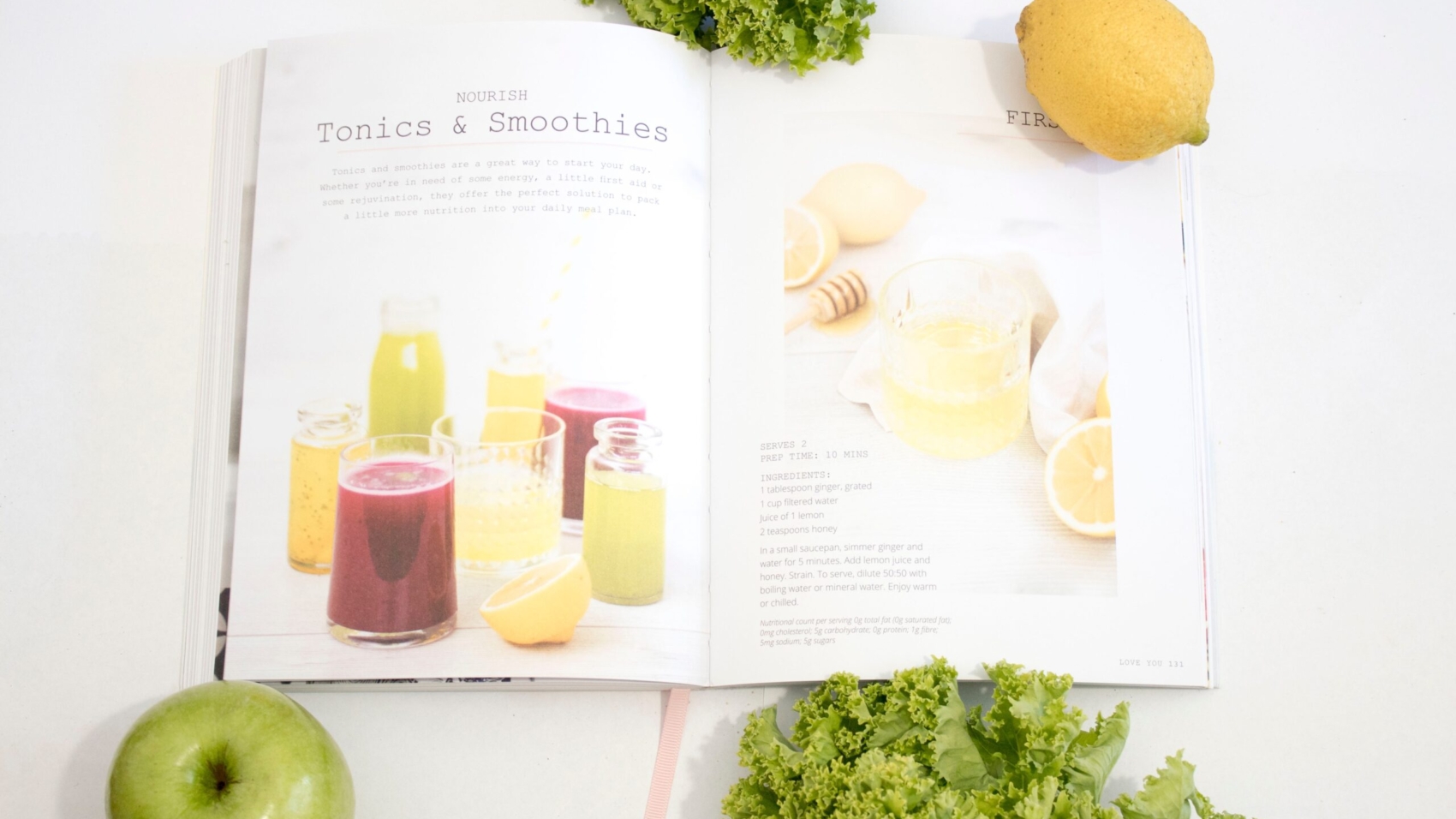
Learn how to cook a vegan diet

10 Benefits of a Whole Foods Vegan Diet

A whole-foods vegan diet is a plant-based diet that focuses on whole grains, vegetables, and fruits. It omits foods such as meat, dairy, and eggs. A vegan diet doesn’t mean that you have to give up everything though. You can still eat healthy choices such as avocados, nuts, seeds, and legumes (beans). Here are 10 benefits of a whole-foods vegan diet:

Weight Loss

You may have heard that vegan diets are high in fiber and protein, but you might not have realized that this means they’re low in calories. A whole foods vegan diet is also low in saturated fat, which means it’s one of the healthiest ways to lose weight.

The reason for this is simple: when you eat fewer calories than your body needs, it begins burning fat stores for energy instead of using carbs from food sources like bread or pasta (which can cause an energy crash). In addition to burning stored energy sources, research shows that eating more fiber helps control appetite so you’re not as hungry between meals–and thus less likely to overeat later on!

Lower Blood Pressure

You’ll be reducing your sodium intake, which can help lower blood pressure.

Most people consume way too much sodium in their diet. A whole foods vegan diet is naturally low in sodium, so you’ll be able to cut back on the amount of salt you use when cooking or at the table. In addition, it’s important to choose foods with lower amounts of saturated fat and cholesterol; these are two other factors that contribute to high blood pressure levels if they’re not kept under control.

Reduced Risk of Disease

A whole foods vegan diet can help you reduce your risk of disease. The American Dietetic Association (ADA) states that a plant-based diet can help prevent or manage chronic diseases such as heart disease, cancer, and diabetes. The ADA also recommends avoiding processed foods and eating more fruits and vegetables to decrease the risk of stroke, high blood pressure, and obesity.

Decreased Inflammation

Inflammation is the body’s natural response to injury or infection. When you stub your toe or get a paper cut, inflammation kicks in to heal the wound by bringing white blood cells and other chemicals to the site of injury. This is a good thing! But too much inflammation can be problematic: it causes pain and swelling, which makes it harder for you to move around as easily as usual.

The Whole Foods Vegan diet reduces inflammation because it’s high in anti-inflammatory foods like fruits and vegetables (which also happen to be full of antioxidants). The result? You’ll feel less stiff after sitting at your desk all day–and may even have more energy than before!

Diabetes Prevention

If you have a family history of diabetes and are concerned about developing the disease, a vegan diet may be beneficial. A study published in 2017 found that people with type 2 diabetes who followed a plant-based diet had lower blood sugar levels than those who followed a traditional meal plan.

This is because plant-based foods tend to be high in fiber, which helps slow down digestion, keeping blood sugar levels stable throughout the day. In addition to this benefit, some studies have shown that following a whole foods vegan diet can help prevent obesity–a risk factor for type 2 diabetes–and lower cholesterol levels as well (which can further reduce your risk).

Anti Depression Properties

  • A vegan diet is rich in B vitamins, which are important for brain function.
  • B vitamins help with mood regulation.
  • Magnesium is an essential mineral that aids sleep and relaxation as well as anxiety and depression.

Increased Energy Levels

If you’re tired of feeling tired, a vegan diet can help. Whole foods, plant-based diet is rich in fiber, vitamins, and minerals that give you energy. Plant foods are also naturally low in saturated fat and cholesterol–which means they’ll keep your heart healthy too.

An antioxidant called coenzyme Q10 (CoQ10) helps convert carbohydrates into energy by providing cells with oxygen during exercise or other strenuous activity. Vegans get more CoQ10 from their diets than meat eaters do because it’s found naturally in many vegetables including spinach; therefore, vegans may have higher levels of this substance to burn through during exercise sessions compared to non-vegetarians who don’t get enough vegetables daily.”

Better Skin, Hair, and Nails

Vegans are known for having great skin, hair, and nails. A vegan diet is high in vitamins and minerals that are essential for healthy hair, skin, and nails. Vitamins B12 and C are especially important for these things.

A whole foods vegan diet can help you lose weight, live better and look healthier.

A whole foods vegan diet can help you lose weight, live better and look healthier.

The vegan diet is high in fiber, and low in fat and protein. It’s rich in vitamins and minerals, antioxidants (phytonutrients), as well as phytonutrients that are not present in other types of foods. The vegan diet is also low in saturated fat because there are no animal products involved at all!

There are many benefits to a whole foods vegan diet and we hope that this article has opened your eyes to some of them. We know it can be overwhelming when you first start out but don’t give up! Just remember that if you keep trying new things and experimenting with different recipes, eventually something will work for you.

Need help getting on track and staying on track? Book your FREE strategy call today

Looking for plant-based recipes that will help you to achieve your health goals? Look no further. The recipes on this website will help you to get started on your journey to great health and a happy lifestyle.

Juice Cleanse vs. Detox: What's the Difference?

Juice Cleanse vs. Detox: What’s the Difference?

Juice Cleanse vs. Detox: What’s the Difference?

Juice cleanses and detoxes have become increasingly popular in recent years as a way to improve health and lose weight. However, with so many options available, it can be difficult to know which one is right for you. In this article, we’ll explore the differences between juice cleanses and detoxes, and provide tips to help you choose the best option for your health goals.

What is a juice cleanse?

A juice cleanse is a type of diet where a person consumes only fruit and vegetable juices for a certain period of time, usually ranging from one to seven days. The idea behind a juice cleanse is to give the digestive system a break from solid foods and flood the body with nutrients from fresh juices. Some people also use juice cleanses as a way to jumpstart weight loss or detoxify the body. However, it’s important to note that there is limited scientific evidence to support the effectiveness of juice cleanses for these purposes.

What is a detox?

A detox is a process of removing toxins from the body through various methods, such as diet, exercise, and lifestyle changes. Unlike a juice cleanse, a detox can be tailored to an individual’s specific needs and health goals. Detoxes can range from short-term, like a one-day juice fast, to long-term, like a month-long elimination diet. The goal of a detox is to support the body’s natural detoxification processes and improve overall health and well-being. It’s important to consult with a healthcare professional before starting any detox program.

Benefits and drawbacks of a juice cleanse.

A juice cleanse involves consuming only fruit and vegetable juices for a set period of time, typically three to seven days. The benefits of a juice cleanse include increased intake of vitamins and minerals, improved digestion, and weight loss. However, there are also drawbacks to a juice cleanse, such as a lack of protein and fiber, which can lead to hunger and fatigue. Additionally, some people may experience side effects like headaches, dizziness, and nausea. It’s important to consult with a healthcare professional before starting a juice cleanse, especially if you have any underlying health conditions.

Benefits and drawbacks of a detox.

A detox, on the other hand, involves eliminating certain foods or toxins from your diet for a set period of time, typically one to two weeks. The benefits of a detox include improved digestion, increased energy, and clearer skin. However, like a juice cleanse, there are also drawbacks to a detox. Eliminating certain foods can lead to nutrient deficiencies and hunger, and some people may experience side effects like headaches and fatigue. It’s important to consult with a healthcare professional before starting a detox, especially if you have any underlying health conditions.

Which option is best for you?

The best option for you depends on your health goals and current lifestyle. If you’re looking for a quick way to jumpstart weight loss or reset your eating habits, a juice cleanse may be a good option. However, if you’re looking for a more sustainable approach to improving your overall health, a detox may be a better choice. It’s important to consult with a healthcare professional before starting either option to ensure it’s safe for you and to discuss any potential risks or side effects.

In conclusion, both juice cleanses and detoxes have their benefits and drawbacks, and the best option for you depends on your individual health goals and needs. Whether you choose a juice cleanse or detox, it’s important to consult with a healthcare professional before starting to ensure that it’s safe for you and to discuss any potential risks or side effects. Ultimately, the most important thing is to prioritize your health and make choices that support your overall well-being. So, take the time to do your research, make an informed decision, and take the necessary steps to achieve your health goals. You might even find that a 7-day smoothie diet is more beneficial.


Download our FREE 7-day Juice recipes booklet

Looking for help and support: Book a strategy call 

Looking for FREE plant-based recipes

how to get bigger arms without weights

How to Get Bigger Arms Without Lifting Weights

How to Get Bigger Arms Without Lifting Weights – a Complete Guide

If you’re looking to build bigger arms but don’t have access to weights or a gym, don’t worry! There are plenty of effective exercises and techniques you can use to build arm muscles using just your body weight. In this guide, we’ll show you how to get bigger arms without weights.

Understand the Anatomy of Your Arms.

Before you start any arm workout, it’s important to understand the anatomy of your arms. Your arms are made up of three main muscle groups: the biceps, triceps, and forearms. The biceps are located on the front of your upper arm and are responsible for flexing your elbow and rotating your forearm. The triceps are located on the back of your upper arm and are responsible for extending your elbow. The forearms are located between your elbow and wrist and are responsible for wrist and finger movements. Understanding these muscle groups will help you target them effectively during your workouts.

Incorporate Isolation Exercises.

Isolation exercises are a great way to target specific muscle groups in your arms. These exercises involve moving only one joint at a time, which allows you to focus on a particular muscle group. Some examples of isolation exercises for your biceps include bicep curls, hammer curls, and concentration curls. For your triceps, you can try tricep extensions, tricep kickbacks, and skull crushers. Incorporating isolation exercises into your arm workout can help you build muscle and increase definition in your arms.

Use Resistance Bands.

Resistance bands are a great alternative to weights for building arm muscles. They come in different levels of resistance, so you can choose the one that works best for you. Resistance bands can be used for a variety of exercises, including bicep curls, tricep extensions, and shoulder presses. They are also lightweight and portable, making them a convenient option for working out at home or on the go. Incorporating resistance bands into your arm workout can help you build strength and muscle definition without the need for weights.

Implement Progressive Overload.

Progressive overload is a key principle in building muscle, whether you’re using weights or bodyweight exercises. It involves gradually increasing the intensity or difficulty of your workouts over time to continue challenging your muscles and promoting growth. With bodyweight exercises, you can implement progressive overload by increasing the number of reps or sets you do, or by making the exercises more challenging (e.g. by doing push-ups with your feet elevated). By consistently pushing yourself to do more than you did in your previous workout, you can stimulate muscle growth and get bigger arms without lifting weights.

It is very possible to get bigger arms without weights and from home. You don’t need a gym membership to accomplish toned arms, just dedication, drive, and the motivation to look and feel good without sleeves.

Are you interested in a coaching program that can get you the results that you are looking for? Look no further, we have coaching programs for everyone but is tailored to your individual needs. We suggest you start with the Time For You coaching program, aimed at people wanting to tone up, lose weight, and keep it off long-term.

Not sure what you need? No problem let’s find out, book your FREE strategy call today

Need help with finding the right plant-based recipes for your palette, no problem, there are tonnes of plant-based recipes on our sister site that you may like.

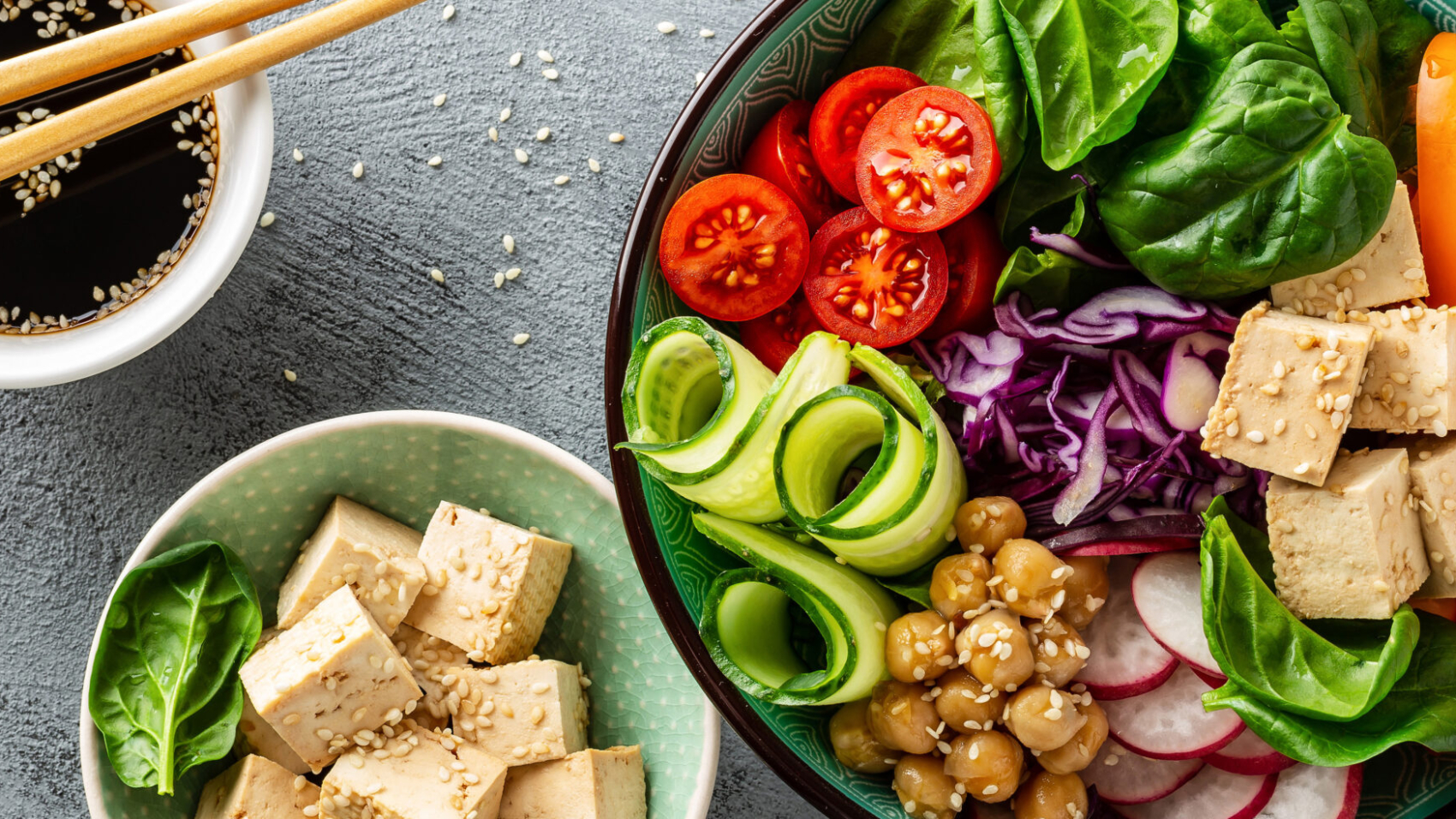
plant-based advice and recipes - buddha bowl

Plant-Based Eating: The Ultimate Guide

Plant-based eating is a lifestyle that focuses on consuming foods that come from plants, such as fruits, vegetables, grains, and legumes. This guide offers tips and advice for those who are interested in adopting a plant-based diet, including delicious recipes and expert insights on the benefits of this way of eating. Whether you’re a seasoned vegan or just starting out, this guide has something for everyone.

What is plant-based eating?

Plant-based eating is a lifestyle that emphasizes consuming foods that come from plants, such as fruits, vegetables, grains, and legumes. This way of eating is often associated with veganism, but it can also include small amounts of animal products, such as dairy or eggs. Plant-based eating is known for its health benefits, including reducing the risk of chronic diseases such as heart disease, diabetes, and certain types of cancer. It is also a more sustainable and environmentally friendly way of eating, as it requires fewer resources and produces less waste than a diet heavy in animal products.

Benefits of a plant-based diet.

There are numerous benefits to adopting a plant-based diet. One of the most significant is the reduced risk of chronic diseases such as heart disease, diabetes, and certain types of cancer. Plant-based foods are also typically lower in saturated fat and cholesterol, which can help improve overall heart health. Additionally, plant-based eating is more sustainable and environmentally friendly, as it requires fewer resources and produces less waste than a diet heavy in animal products. Finally, many people report feeling more energized and experiencing better digestion when they switch to a plant-based diet.

Tips for transitioning to a plant-based diet.

Transitioning to a plant-based diet can be challenging, but it doesn’t have to be overwhelming. Start by incorporating more plant-based meals into your diet gradually. Experiment with new recipes and try swapping out meat for plant-based protein sources like beans, lentils, and tofu. It’s also important to make sure you’re getting enough nutrients, such as protein, iron, and vitamin B12, which can be more challenging to obtain on a plant-based diet. Consider consulting with a registered dietitian to ensure you’re meeting your nutritional needs.

Essential nutrients to include in a plant-based diet.

While a plant-based diet can provide many health benefits, it’s important to make sure you’re getting all the essential nutrients your body needs. Some key nutrients to focus on include protein, iron, calcium, vitamin B12, and omega-3 fatty acids. Good sources of plant-based protein include beans, lentils, tofu, tempeh, and seitan. Leafy greens, nuts, and seeds are great sources of calcium, while iron can be found in beans, lentils, fortified cereals, and dark leafy greens. Vitamin B12 is primarily found in animal products, so it’s important to supplement or consume fortified foods like plant-based milks and cereals. Omega-3 fatty acids can be obtained from sources like flaxseeds, chia seeds, and walnuts.

Delicious plant-based recipes to try.

Eating a plant-based diet doesn’t mean sacrificing flavor or variety. In fact, there are countless delicious and satisfying recipes to try. Some popular options include vegan lasagna, lentil soup, roasted vegetable tacos, and quinoa salad. For breakfast, try a smoothie bowl topped with fresh fruit and nuts, or avocado toast with a sprinkle of nutritional yeast. And for dessert, indulge in a vegan chocolate cake or homemade fruit sorbet. With so many options, you’ll never get bored with plant-based eating.

In conclusion, transitioning to a plant-based diet can be a rewarding and fulfilling journey. By following the tips and recipes in this ultimate guide, you can improve your health, reduce your environmental impact, and contribute to a more sustainable future. Remember to take it one step at a time, experiment with new foods and flavors, and don’t be too hard on yourself if you slip up. With time and practice, plant-based eating will become second nature.


So, what are you waiting for? Start incorporating more plant-based meals into your diet today and see the positive changes it can bring to your life.


Need access to tonnes of FREE plant-based recipes, look no further as our sister site is full of recipes to keep to full and nourished.

Need a coach to help you keep on track to achieve your goals, look no further. Book your FREE strategy call today.

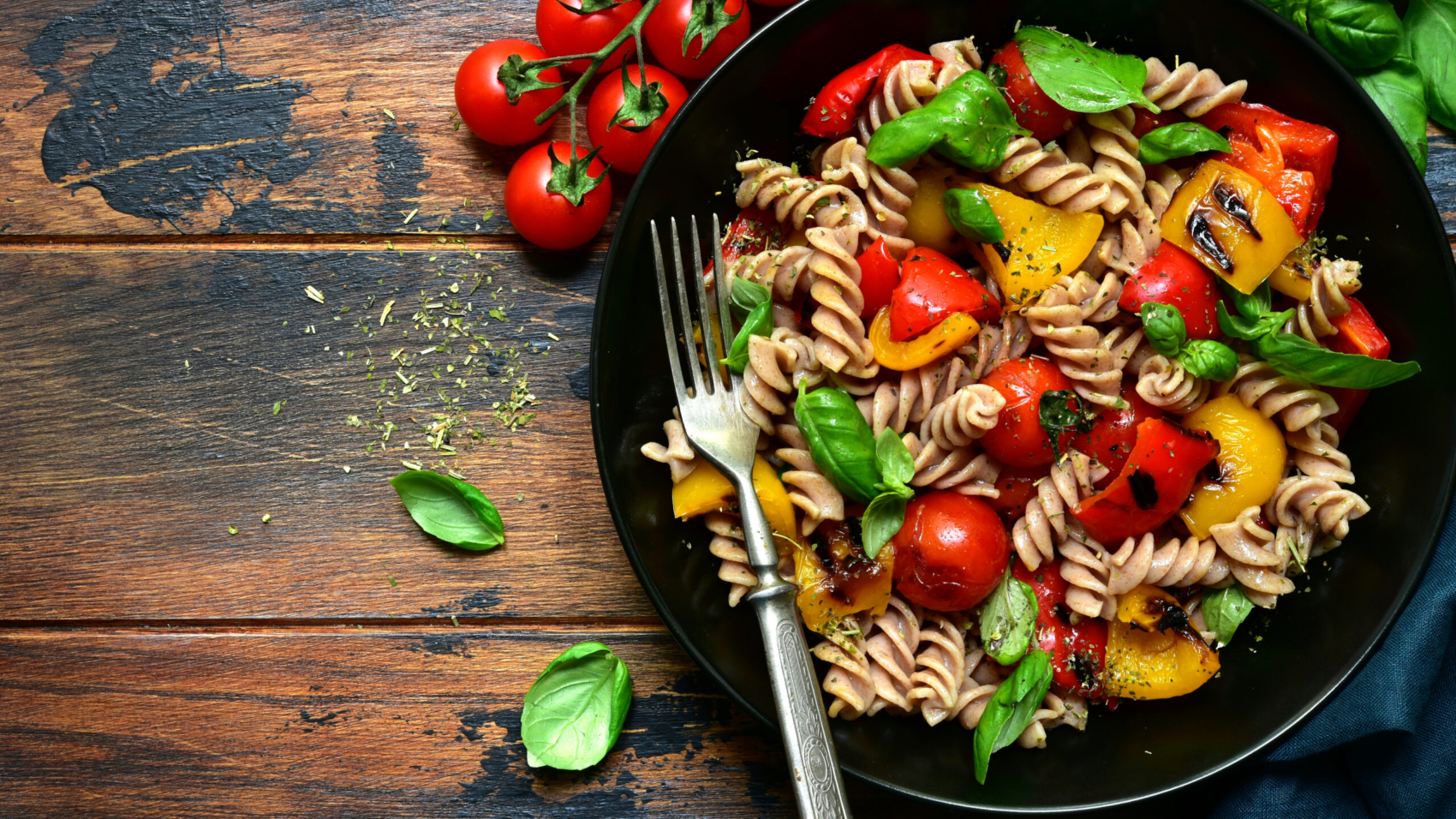
easy vegan meals - pasta with roast vegetables

Easy Vegan Meals for Busy Weeknights

Eating a vegan diet doesn’t have to be complicated or time-consuming. With these quick and easy vegan meals recipes, you can enjoy healthy and delicious meals without spending hours in the kitchen. From hearty soups to flavorful stir-fries, these recipes are perfect for busy weeknights or lazy weekends.


One-Pot Lentil and Vegetable Stew.

This one-pot lentil and vegetable stew is a perfect meal for busy weeknights. It’s packed with protein and fiber from the lentils and veggies, and it’s easy to customize with whatever vegetables you have on hand. Simply sauté some onions and garlic, add in your veggies and lentils, and let it simmer until everything is tender and flavorful. Serve with some crusty bread for a satisfying and filling meal.

Chickpea and Spinach Curry.

This chickpea and spinach curry is a delicious and easy vegan meal that can be made in under 30 minutes. Simply sauté some onions and garlic, add in your spices and chickpeas, and let it simmer until everything is heated through. Then add in a few handfuls of fresh spinach and let it wilt down. Serve over rice or with some naan bread for a flavorful and satisfying meal. Plus, it’s packed with protein and nutrients from chickpeas and spinach.

Vegan Tacos with Black Beans and Avocado.

These vegan tacos are a quick and easy meal that can be made in under 20 minutes. Simply heat up some black beans with your favorite spices, and assemble your tacos with avocado, salsa, and any other toppings you like. You can also add in some veggies like bell peppers or onions for extra flavor and nutrition. These tacos are a great way to get in a healthy and satisfying meal on a busy weeknight.

Sweet Potato and Black Bean Quesadillas.

Looking for a delicious and easy vegan meal for a busy weeknight? Try these sweet potato and black bean quesadillas! Simply roast some diced sweet potatoes in the oven with your favorite spices, and then mash them up with some black beans. Spread the mixture onto a tortilla, top with some vegan cheese, and fold in half. Cook in a pan until crispy and golden brown, and serve with salsa and avocado for a tasty and filling meal.

Vegan Pasta with Roasted Vegetables.

This vegan pasta dish is perfect for a quick and easy weeknight meal. Simply roast your favorite vegetables, such as zucchini, bell peppers, and cherry tomatoes, in the oven with some olive oil and seasonings. Cook your favorite pasta according to the package instructions, and then toss it with roasted vegetables and some vegan pesto. Top with some fresh herbs and vegan parmesan cheese for a delicious and satisfying meal.

Incorporating easy vegan meals into your busy weeknights can be a game-changer for your health and time management. These delicious recipes prove that plant-based eating can be flavorful and fulfilling without sacrificing convenience. Try these recipes and customize them to fit your tastes and dietary needs. With simple ingredients and minimal prep time, there’s no reason not to give them a try! So, let’s get cooking and enjoy healthy and tasty vegan meals every night.


Need more plant-based recipes.

Need your own personal coach to hold you accountable not only with your meal plans but also with your fitness and mindset? look no further. Book your FREE strategy call with me today.

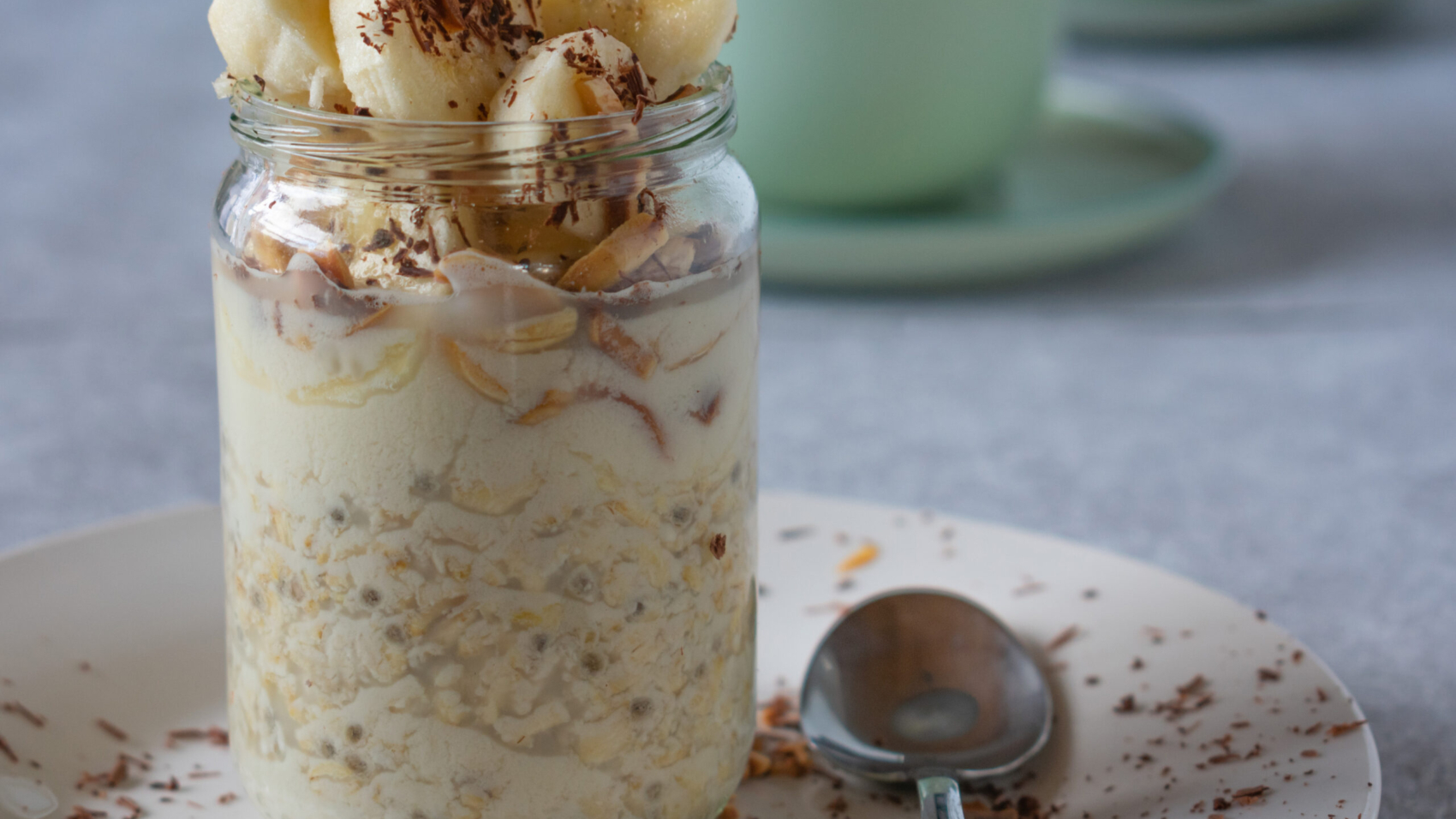
Plant-based health and fitness - overnight oats for breakfast

Plant-Based Health and Fitness: How a Plant-Based Diet Can Boost Your Fitness Goals

When it comes to health and fitness, your diet plays a crucial role. While many people turn to animal-based products for protein and energy, plant-based diets have been gaining popularity in recent years. Not only are plant-based diets beneficial for your health, they can also help you achieve your fitness goals.

Plant-based diets are rich in vitamins, minerals, and antioxidants that can improve your overall health and reduce the risk of chronic diseases. Additionally, plant-based diets can provide ample amounts of protein, carbohydrates, and healthy fats needed for building muscle and fueling workouts.

If you’re looking to adopt a plant-based diet for your fitness goals, consider incorporating plenty of leafy greens, whole grains, legumes, and nuts into your meals. These foods are packed with essential nutrients and can help you feel fuller for longer.

To get the most out of your plant-based diet, it’s important to also stay active and engage in regular exercise. Whether it’s yoga, weightlifting, or cardio, find a workout routine that works for you and complements your plant-based lifestyle.

By combining a plant-based diet with regular exercise, you can achieve optimal health and fitness. Give it a try and see the difference for yourself.

Here’s an example meal plan and exercise plan to help you start your plant-based health and fitness journey:

Plant-Based Meal Plan for Health and Fitness

  • Breakfast: Overnight oats with chia seeds, almond milk, sliced banana, and chopped nuts.
  • Snack: Apple slices with almond butter.
  • Lunch: Tofu and vegetable stir-fry with brown rice.
  • Snack: Carrots and celery with hummus.
  • Dinner: Roasted sweet potato with black beans, avocado, and salsa.

Plant-Based Exercise Plan for Health and Fitness

  • Warm-up: 5-10 minutes of light cardio (e.g. jogging, jumping jacks, or cycling).
  • Strength training: 3 sets of 10-12 reps of bodyweight exercises (e.g. squats, lunges, push-ups, and dips).
  • Cardiovascular training: 20-30 minutes of moderate to high-intensity cardio (e.g. running, cycling, or jumping rope).
  • Cool-down: 5-10 minutes of stretching exercises for all major muscle groups.

In conclusion, a plant-based diet can provide numerous health benefits and can be combined with a fitness routine for optimal results. Try incorporating some of the meal and exercise plan ideas discussed in this article and see how they work for you. Don’t forget to track your progress and stay motivated towards achieving your health and fitness goals.

Let’s embrace the power of plant-based nutrition and fitness to lead a healthy and fulfilling life.

Want more delicious and healthy plant-based recipes

For online fitness coaching  

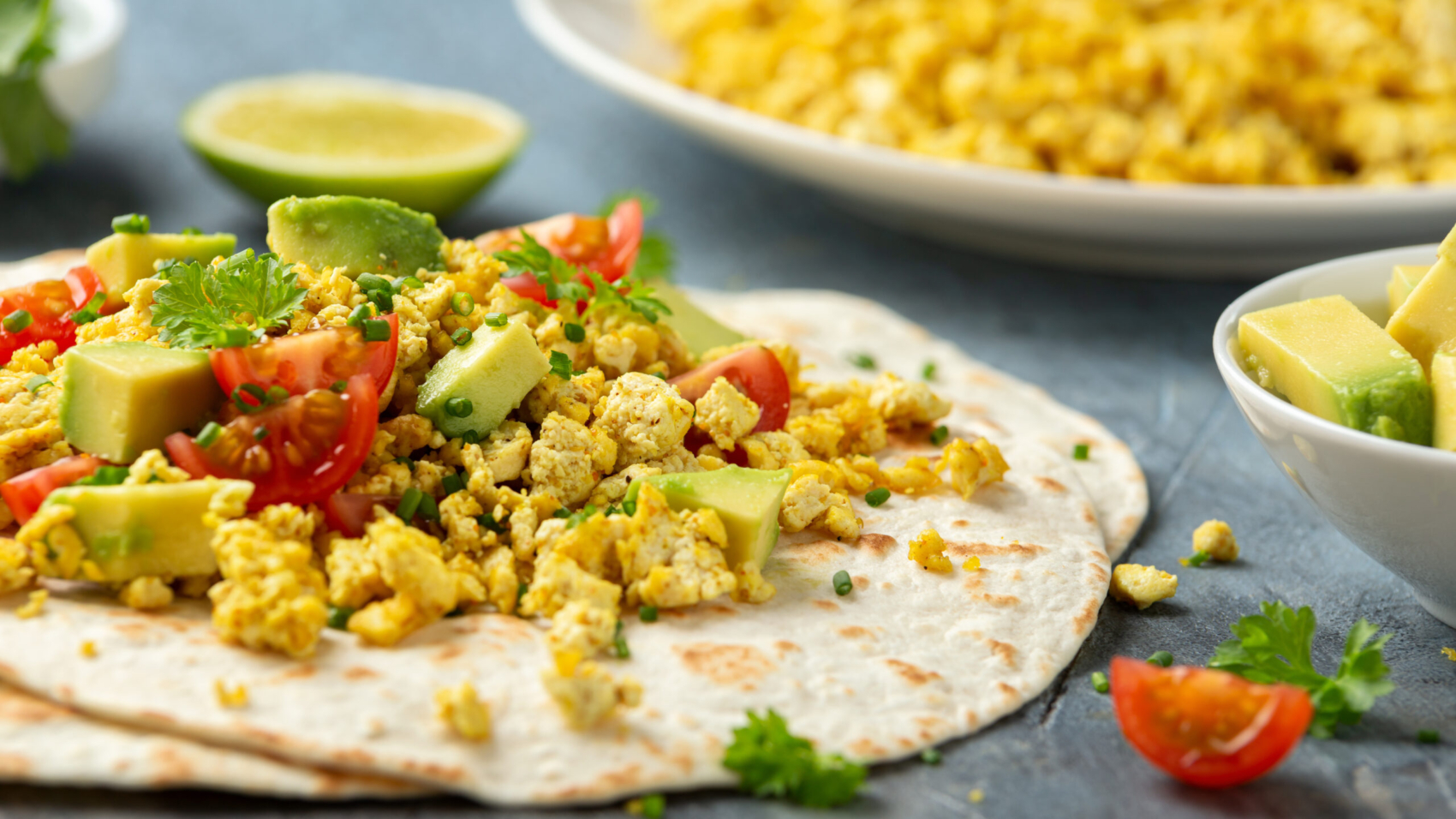
Plant-Based Meal Plans for Weight Loss - Tofu scramble in a wrap

Plant-Based Meal Plans for Weight Loss

5 Plant-Based Meal Plans for Weight Loss: Tips, Benefits, and Recipes

If you’re looking to shed a few pounds or just want to adopt a healthier lifestyle, a plant-based diet can be a great choice. It’s packed with fiber, vitamins, minerals, and other essential nutrients that your body needs to function at its best. But where do you start? How do you plan your meals to ensure you’re getting everything you need while still achieving your weight loss goals?

Here are five plant-based meal plans for weight loss, along with tips, benefits, and recipes to get you started:

  1. The Mediterranean Diet Plan: This plan emphasizes fruits, vegetables, whole grains, legumes, and healthy fats like olive oil, nuts, and seeds. It’s been linked to numerous health benefits, including weight loss and a lower risk of heart disease.
  2. The Whole Food Plant-Based Diet Plan: This plan focuses on minimally processed foods, such as fruits, vegetables, whole grains, legumes, nuts, and seeds. It’s been shown to promote weight loss, lower cholesterol, and reduce the risk of chronic diseases like diabetes and cancer.
  3. The High-Protein Plant-Based Diet Plan: This plan is designed to help you maintain muscle mass while losing weight. It emphasizes plant-based protein sources like tofu, tempeh, legumes, and nuts, as well as whole grains, vegetables, and fruits.
  4. The Raw Food Diet Plan: This plan involves eating only or mostly raw, unprocessed plant foods. While it can be challenging to stick to, it’s been associated with weight loss and improved digestion.
  5. The Gluten-Free Plant-Based Diet Plan: This plan eliminates gluten-containing grains like wheat, barley, and rye, and instead focuses on gluten-free whole grains like quinoa, brown rice, and millet. It’s been shown to improve digestion, reduce inflammation, and promote weight loss.

Benefits of Plant-Based Meal Plans for Weight Loss:

  • Lower calorie intake: Plant-based meals are typically lower in calories than meat-based meals, making them a great choice for weight loss.
  • Increased nutrient intake: Plant-based meals are packed with essential nutrients like fiber, vitamins, and minerals, which are crucial for overall health and weight loss.
  • Reduced risk of chronic diseases: Plant-based diets have been shown to reduce the risk of chronic diseases like heart disease, diabetes, and cancer.

Plant-Based Meal Plan Recipes for Weight Loss:

Here are a few quick recipes to get you started on your plant-based weight loss journey:

  1. Mediterranean Salad: Toss together chopped cucumbers, cherry tomatoes, red onion, kalamata olives, and chickpeas. Drizzle with olive oil and lemon juice, and sprinkle with fresh herbs like parsley and oregano.
  2. Tofu Scramble: Sautee crumbled tofu with diced bell peppers, onions, and spinach. Season with turmeric, garlic powder, and nutritional yeast for a cheesy flavor.
  3. Rainbow Buddha Bowl: Arrange cooked quinoa, roasted sweet potatoes, steamed broccoli, sliced avocado, and pickled red cabbage in a bowl. Drizzle with tahini dressing.
  4. Raw Zucchini Noodles with Tomato Sauce: Spiralize zucchini into noodles and toss with a homemade tomato sauce made from blended tomatoes, garlic, and basil.
  5. Vegan Chili: Cook up a batch of chili using canned beans, diced tomatoes, bell peppers, onions, and chili powder. Serve with a side of whole-grain bread or brown rice.


Plant-based meal plans can be an effective and sustainable way to achieve weight loss whilst still providing your body with the essential nutrients it needs. Whether you choose to follow the Mediterranean, whole food, high-protein, raw food, or gluten-free plan

When adopting any meal plan, it’s important to ensure that you’re getting all the necessary nutrients your body needs. Consult with a registered dietitian to ensure that you’re meeting your nutrient needs while also achieving your weight loss goals.

In conclusion, there are several plant-based meal plans that can help you lose weight and improve your health. From the Mediterranean diet to the raw food diet, find the one that works best for you and consult with a registered dietitian to ensure you’re getting all the necessary nutrients.


Need help with weight loss and getting your health and lifestyle back on track, no problem, book your FREE strategy call today.


Check out our plant-based recipe website for tons of easy and delicious plant-based recipes that will satisfy your taste buds and keep you healthy!

juice cleanse recipe book

5 Health Benefits of Juicing – get our juice cleanse recipe book

Detoxing is essential for maintaining good health and overall well-being. And what better way to do that than with a juice cleanse? If you’re looking to give your body a break and reset your digestive system, then you’re in luck because we’ve got a free juice cleanse recipe book waiting for you on our free resources page!

Juice cleanses are a great way to kick-start your body’s natural detoxification process. By consuming only fresh, nutrient-rich juices for a period of time, you give your digestive system a break from processing solid foods, allowing your body to focus on eliminating toxins and repairing itself.

Here are some of the benefits of a juice cleanse:

  1. Improved digestion: By giving your digestive system a break, a juice cleanse can help reduce bloating and improve digestion.
  2. Increased energy: Fresh juices are packed with nutrients and enzymes that can boost energy levels, leaving you feeling refreshed and rejuvenated.
  3. Clearer skin: Juices are rich in vitamins and antioxidants that can help improve skin health, leaving you with a glowing complexion.
  4. Weight loss: A juice cleanse can jump-start weight loss by reducing inflammation, flushing out excess fluids, and promoting fat burning.
  5. Improved immune function: The nutrients and antioxidants in fresh juices can help boost immune function, making you less susceptible to illness.

So, if you’re looking to give your body a much-needed break and reset your system, download our free juice cleanse recipe book today and get started on your journey towards optimal health and wellness!


Need access to more interesting plant-based recipes? Browse from 100’s of plant-base recipes

Plant-Based Nutrition: What You Need to Know for a Balanced Diet

Plant-Based Nutrition: All You Need to Know

Plant-Based Nutrition: What You Need to Know for a Balanced Diet and for Health in 2023

Plant-based diets have become increasingly popular in recent years, and for good reason. Eating more plants and fewer animal products has been linked to numerous health benefits, including reduced risk of chronic diseases like heart disease, diabetes, and cancer. But what exactly is plant-based nutrition, and how can you ensure you’re getting all the nutrients you need from a diet that focuses on plants?

First, it’s important to understand that a plant-based diet doesn’t have to mean a strict vegan or vegetarian diet. You can still include small amounts of animal products if you choose, but the majority of your diet should come from plants. This means lots of fruits, vegetables, whole grains, legumes, nuts, and seeds.

One of the main concerns with a plant-based diet is getting enough protein. However, many plant foods are excellent sources of protein, such as lentils, chickpeas, tofu, and quinoa. It’s important to include a variety of these protein-rich foods in your diet to ensure you’re getting all the essential amino acids your body needs.

Another important nutrient to consider is iron. While iron is typically associated with red meat, there are plenty of plant-based sources of iron, such as spinach, lentils, tofu, and fortified cereals. Vitamin C can also help your body absorb iron, so pairing iron-rich foods with vitamin C-rich foods like oranges or bell peppers can enhance absorption.

Omega-3 fatty acids are another essential nutrient that many people associate with fish, but there are plant-based sources as well. Flaxseeds, chia seeds, hemp seeds, and walnuts are all rich in omega-3s.

Finally, it’s important to consider supplementing with vitamin B12, which is primarily found in animal products. However, there are plant-based sources of B12, such as fortified cereals and nutritional yeast, and supplements are widely available.

By focusing on a variety of whole plant foods and incorporating these key nutrients, a plant-based diet can be a healthy and delicious way to support your overall health and well-being.

Don’t wait any longer to start incorporating more plant-based foods into your diet. Take the first step towards better health and a more sustainable lifestyle today. Try out some of our delicious plant-based recipes at our sister site yourplantbasedhealth.com and see the benefits for yourself!