Loaded Vegan Quesadillas

Loaded Vegan Quesadillas

Loaded Vegan Quesadillas

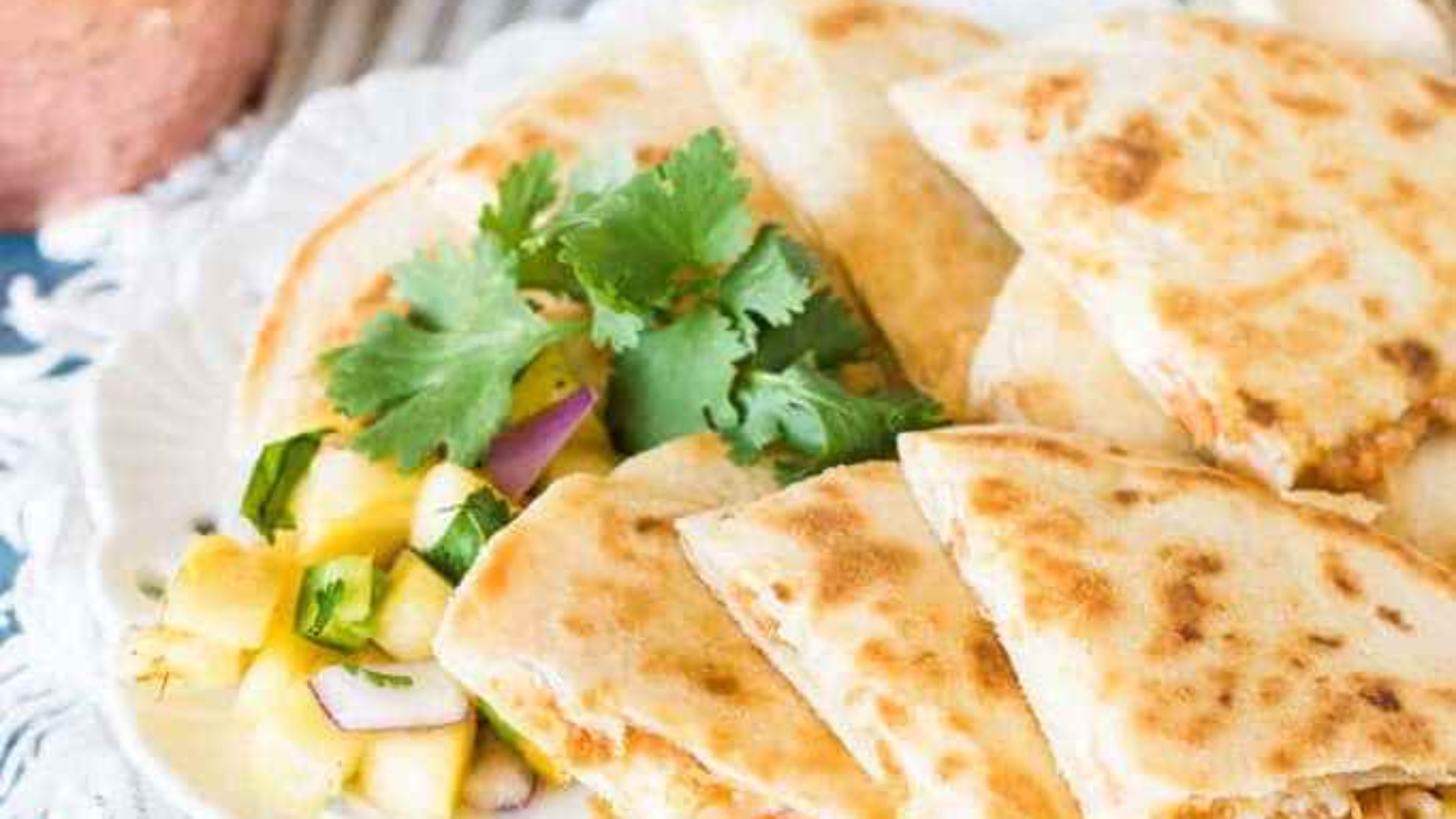
When making Loaded Vegan Quesadillas, it is best to make the quesadilla sauce in advance. When it’s done, let it cool off in the refrigerator for a little while. You can use fresh or frozen veggies when making Loaded Vegan Quesadillas. If you are using frozen veggies, be sure that they are thawed out before cooking them.

This Loaded Vegan Quesadillas recipe requires 8 cups of fresh greens or veggies. It also requires all-purpose flour, baking powder, salt and non-dairy butter substitute. You should have nutritional yeast flakes on hand as well as cayenne pepper and ground black pepper. Loaded Vegan Quesadillas can be served with salsa, vegan sour cream and/or guacamole.

Ingredients

  • 8 flour tortillas (taco size)
  • 8 cups fresh greens or veggies
  • Non-dairy butter substitute 2 Tbsp.
  • Nutritional yeast flakes
  • 1/2 tsp Cayenne pepper
  • 1/4 tsp Ground black pepper (Optional)
  • 1 cup broccoli florets, lightly steamed
  • 1 cuop of green beans
  • 1/2 red onion, thinly sliced
  • 2 tsp. extra virgin olive oil 4 tsp.
  • 1 cup of grated vegan cheese
  • 1 cup of chopped coriander
  • Vegan butter
  • Salt to taste
  • ½ cup of chopped chives to garnish
  • Toppings like salsa, vegan sour cream, and guacamole (Optional)

Ingredients for sauce:

  • 1/2 cup tomato sauce
  • 2 tsp. apple cider vinegar
  • 1 tsp. garlic powder
  • 1 tsp. onion powder
  • Salt and ground black pepper to taste

Mix together in a blender for the consistency that you like.

Ingredients for vegan sour cream:

  • 1 cup vegan mayonnaise or cashew cream

Refrigerate for 30 min before serving Loaded Vegan Quesadillas with sauce and sour cream.

Directions

  1. Heat up a non-stick frying pan over medium heat.
  2. Add oil and onions to the pan and cook the onions until they start to go clear.
  3. Add the green beans and press them flatly against the bottom of the pan using a spatula. Cook for about 5 minutes before flipping over to cook on the other side until the green beans are cooked through.
  4. Next, add in the broccoli florets and press them flatly against the bottom of the pan using a spatula. Repeat steps for cooking until the broccoli is lightly browned on both sides and cooked through.
  5. Add in the nutritional yeast and salt to taste.
  6. Transfer to a separate bowl and leave to one side.
  7. Wipe off excess oil from your frying pan if necessary, before adding tortilla one at a time. Cook each side for about 30 seconds before flipping over to cook on the other side for an additional 30 seconds or so.
  8. Remove from heat and spread 1/2 tablespoon vegan butter over each tortilla before stacking them together neatly in 4 sets of 2.
  9. Take two of the tortilla and place a good sized helping of the vegetable mix between each set of two tortillas along with a sprinkle of vegan cheese and finely chopped coriander. Place back in the frying pan, roast both sides until crispy.
  10. Serve as loaded vegan quesadillas with green or tomato salsa, vegan sour cream and/or guacamole.

Enjoy!

To know more about healthy lifestyle, click here: https://createthatbody.com/plant-based-weight-loss-recipes/

Follow Us On Facebook: https://www.facebook.com/createthatbody

Instagram: https://www.instagram.com/isabella.hawke/

How To Reverse Diabetes In A Month Without Drugs

How To Reverse Diabetes In A Month Without Drugs

How To Reverse Diabetes In A Month Without Drugs

Type 2 diabetes is a lifestyle disease and can be cured. Don’t let anyone tell you that it can’t be cured. It simply isn’t true.

Most of the people who get type 2 diabetes think that it’s impossible to cure with diet and exercise alone. And some doctors will tell you the same thing, but they are very wrong!

By adopting a plant-based diet (not vegan) you can reverse your type 2 diabetes in as little as 30 days.

In fact, there have been many case studies and numerous years of research carried out which have shown that people have reversed their condition completely by eating only plants.

The secret: NO animal products or processed food products whatsoever for an extended period of time and . . . plenty of daily exercise.

Further research found that adding exercise to a plant-based diet will significantly improve your results.

Nothing major is needed, no rigorous exercises routines, just a brisk walk for at least 35-minutes daily is all it takes to have a significant effect on the speed of your recovery. In fact, exercise can create a similar outcome to that of Metformin.

The best part about this approach is, not only will it reverses your symptoms but it will also prevent any additional damage from occurring in the future, only if you continue on with your new lifestyle.

This means that if you stick with this lifestyle change long-term then you won’t need medication or insulin injections ever again!

How much are you committed to your own health?

See also: How are diabetes and being overweight connected?

Follow Us On Facebook: https://www.facebook.com/createthatbody

Instagram: https://www.instagram.com/isabella.hawke/
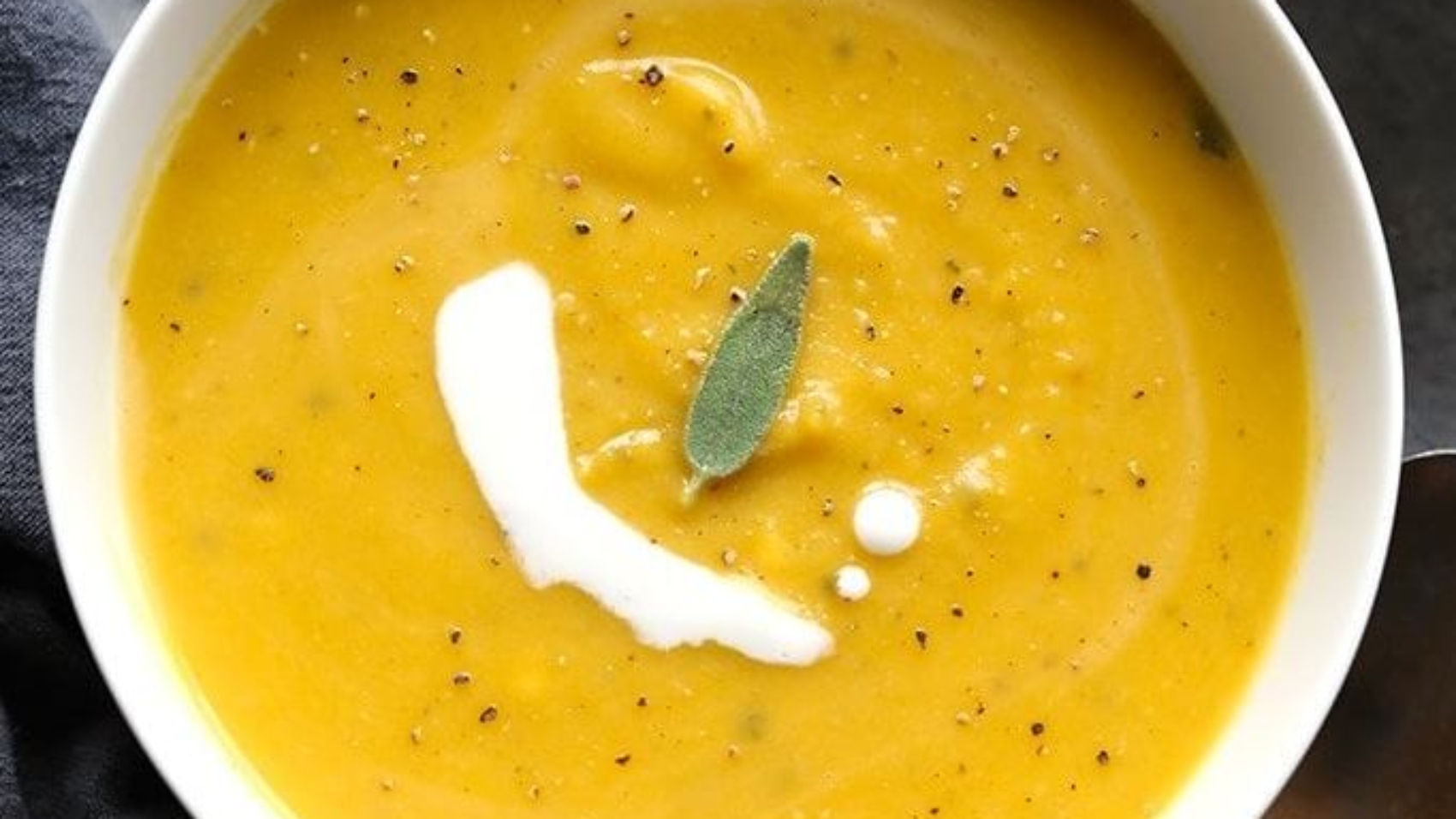
Vegan Butternut Squash Soup

Vegan Butternut Squash Soup

Vegan Butternut Squash Soup

I don’t like Butternut Squash but my better half Dave, Loves it, so we eat lots of it. We curry it, we soup it, we put it into salads, we roast it, and we even make mash from it.

Dave loves it so much that I decided to make butternut squash for our lunch today. It was so nice, that I ate it all myself! Poor Dave!
Here’s how to make the recipe below

Ingredients

This recipe allows you to put as much of anything into the recipe as you like.

Trial and error in the tastebud region work better than someone telling you how much to put in the pan, so I’m going with this method. It works better for me than any recipe that I’ve found in a book.

Preparation Time

10 minutes

Method

40 minutes in total

  • Place a dollop of coconut oil on to an ovenproof tray. Place the butternut squash cubes on to the ovenproof tray and into the oven at 180 degrees, roast for 15 minutes.
  • Meanwhile, place some coconut oil in a large pan and saute the diced onions, add in the cardamom seeds and saute until golden brown.
  • Sieve out the cardamom seeds, add the oven roast butternut squash to the pan along with two pints of vegetable stock.
  • Place the lid on the pan and reduce the heat as far as it will go and leave the soup to cook for a further twenty minutes, occasionally stirring it.
  • Add the cream, just a bit to the mixture along with salt and pepper to taste.
  • Blend the mixture with a handheld mixer until smooth in texture.
  • Serve in a bowl, sprinkle pumpkin seeds on top with a swirl of Alpro cream (fake cream)
  • Add bread (if you are not on a diet)

Enjoy!

To know more about healthy lifestyle, click here: https://createthatbody.com/plant-based-weight-loss-recipes/

Follow Us On Facebook: https://www.facebook.com/createthatbody

Instagram: https://www.instagram.com/isabella.hawke/
Do You Want To Know Soya Is Good For You? 

Do You Want To Know Soya Is Good For You? 


Do you want to know if soya is good for you? 

Dr. Greger found that research suggests soya products are actually good for you.

They can help lower cholesterol and reduce the risk of prostate cancer. The key is to eat whole soy foods like tofu, tempeh, edamame, and miso rather than processed ones like soy protein isolate or textured vegetable protein. These are often found in meat alternatives such as veggie burgers and sausages.

Eating a diet rich in plant-based foods has been shown to prevent disease and promote health by reducing the risk of obesity, heart disease, diabetes, and certain types of cancer.

It’s also better for the environment because it uses fewer natural resources than animal farming does – which means we can feed more people with less land!

So what are you waiting for? Start swapping out those meat products, or those meat substitutes for whole soya products and start eating healthy today!

Why not pop the name of your preferred soya-based food below

See also: Delicious Plant-based Recipes To Get You Started

Follow Us On Facebook: https://www.facebook.com/createthatbody

Instagram: https://www.instagram.com/isabella.hawke/
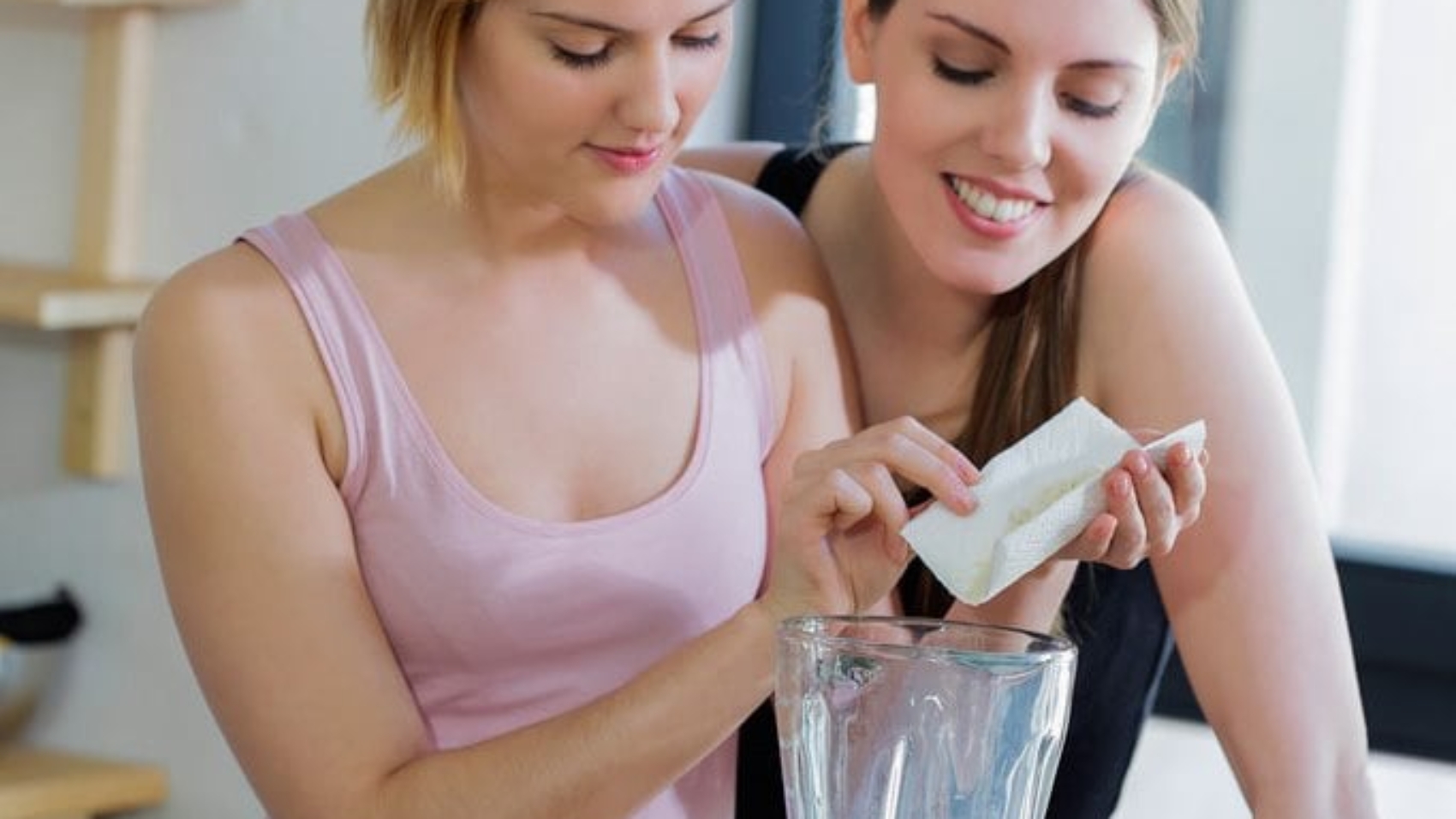
Just Starting Out On A Plant-Based Diet?

Just Starting Out On A Plant-Based Diet?

Just starting out on a plant-based diet?

As you know, a plant-based diet is all about eating more plants, eating whole foods, and avoiding processed foods. If you avoid healthy plant-based food, it can lead to lifestyle diseases and weight gain.

When you’re just starting out on a plant-based diet, it’s important to have the right mindset. The right mindset will help you stay strong on your plant-based nutrition plan through thick and thin.

Stress is everywhere and the main cause of our stress is our environment. Try to stay around people who support you in your health goals and you’ll find that your goals become more manageable.

Stress is the biggest reason why people fall off their nutrition plans plant-based or not.

The benefits of a plant-based diet

The plant-based diet has many benefits one of which is feeling better about yourself because you start to look and feel healthier in short period of time.

A plant-based diet can help you lose weight, lower your odds of developing heart disease or reduce your risk of getting cancer.

Plant-based diets are naturally low in fat and high in antioxidants that fight stress.

A whole foods plant-based diet avoids processed foods (which is stress inducing) and avoids dairy products (cows get stressed when they’re separated from their babies) so it helps to reduce the stress your body endures.

Plant-based diets are all about eating more plants which reduces stress for everyone!

It’s important to have the right mindset when starting a plant-based diet. Mindset is the number one way you can guarantee your weight loss success.

To be plant-strong, it’s not about being perfect but it’s about getting better at making healthy plant-based choices every day.

A plant-strong diet is a diet based on whole plant foods, such as vegetables, fruits, grains, nuts, and seeds.

There are three basic types of plant-based diets:

1) The plant-based Standard American Diet (SAD): This consists of processed food high in fat and cholesterol that’s been linked to cancer, obesity, diabetes/heart disease.

2) A plant-strong diet: plant-strong diets rely primarily on plant food eaten in their natural state or minimally processed. Plant-based nutrition is naturally low in fat and contains zero cholesterol!

3) Vegan Diets: This type of plant-based plan excludes all animal products.

What to eat on a plant-based diet?

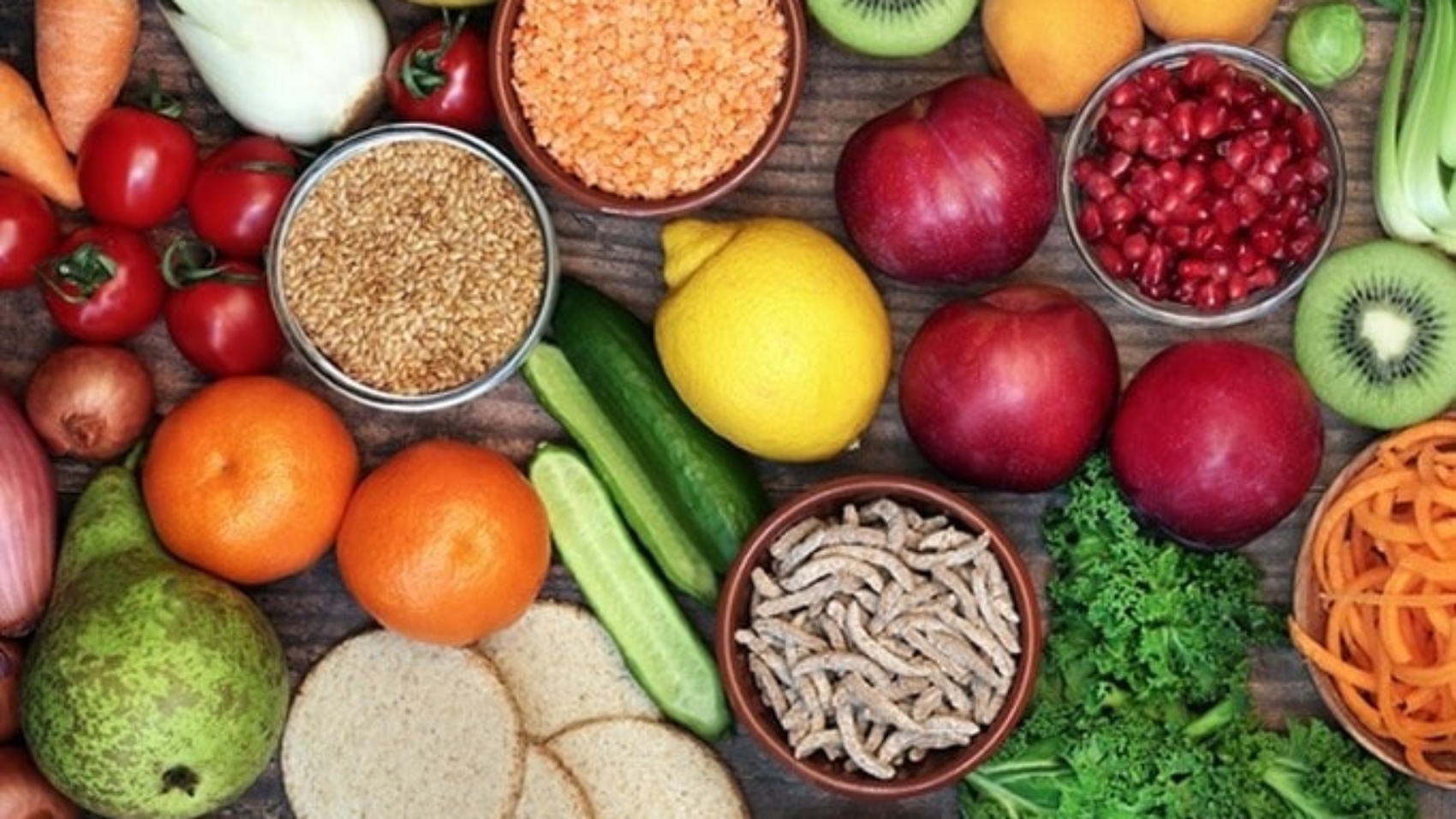
On a plant-strong diet you would eat plant protein like beans, brown rice, lentils, nuts (almonds), seeds (pumpkin & chia), plant-based protein powder (hemp/pea/rice/soy)

Use plant fats like avocados, coconut oil, olives.

Eat plant-based carbs like whole grains (brown rice & quinoa), starchy vegetables (potatoes), root vegetables (carrots & beets).

You should eat plant foods that are high in fibre and nutrients including leafy greens (spinach), cruciferous veggies (broccoli & cauliflower) and other veggies.

What plant foods should you eat on a plant-based diet?

Eat lots of whole fruits including berries, apples, oranges & pineapple for their fibre content and water to fill you up while avoiding the extra sugar found in fruit juices.

Where to start plant-based grocery shopping?

Eating plant-strong is all about filling up on vegetables. Start your plant-based diet by choosing mostly vegan whole foods. The best way to start cooking plant-based foods is to start with ingredients that are already available in the grocery store or farmer’s market.

What plant foods should you be concentrating on for a healthy plant-based diet?

Plant Protein:

1) Beans & legumes – garbanzo beans (chickpeas), butter beans, black beans, kidney beans, white beans navy beans, lentils, and split peas.

2) Sprouted tofu

3) Plant-based powders like pea protein or brown rice protein.

4) Nuts – almonds and cashews.

5) Seeds – pumpkin seeds and chia seeds.

6) Whole Grains – barley and quinoa

7) Soy Milk

8) Plant-based yogurts

9) Hummus

10 ) Seitan.

11) Mix plant-based protein powder with plant-based milk (almond, soy, flax).

Plant Fat:

1) Nuts & Seeds – Almonds, cashews, coconut

2) Whole plant foods like avocados

3) Olive Oil, Coconut Oil

Plant Carbohydrates:

1) Whole Grains – brown rice and quinoa

2) Starchy vegetables – potatoes

3) Root vegetables – carrots and beets

4 ) Bananas

5 ) Apple

6 ) Pear

7 ) Pineapple

8 ) Peas

9) Corn

Fruits:

1) Berries – strawberries and blueberries

2) Bananas

3) Apples

4) Pears

5) Oranges

6) Peaches

7) Pineapple

What plant foods to avoid?

Avoid processed plant food like french fries, potato chips, plant-based fried foods (coconut oil & palm oil), baked goods (cookies & cakes)

Unless made by yourself at home the items below should not be consumed as if bought from a shop are normally high in fat, sugar and salt.

1) Plant-based smoothies (shop bought)

2) Plant-based muffins

3) Plant-based cakes

4) Plant-based cookies

5) Plant-based pies

6) Plant-based ice cream

7) Tomato sauce for pasta (shop bought)

8) Plant-based soups (shop bought)

9) Plant-based deserts

10) Plant-based cheese

Do you have the mindset for permanent and lasting change?

The list above is not an endless list but should be used as a brief outline for guidance. Plant-based diets can often be daunting especially if you don’t know where to start. You may want to try some of my plant-based recipes to start with and go from there.

You clearly want to make changes to your diet so you can lose weight, get healthier, reverse lifestyle diseases, or reverse the symptoms of the menopause but the question is, do you have the right mindset for permanent change?

If the answer is no and you’d like to find out how you can make the mindset shift why not book in for your free fifteen minute consultation?

See also: CAN PLANT-BASED DIET REVERSE HEART DISEASES

Follow Us On Facebook: https://www.facebook.com/createthatbody

Instagram: https://www.instagram.com/isabella.hawke/
Can Plant-based Diet Reverse Heart Diseases.

Can Plant-based Diet Reverse Heart Diseases

CAN PLANT-BASED DIET REVERSE HEART DISEASES

The heart is the king of all organs, and we must look after it. Only a healthy heart can run a healthy body. A healthy heart comes as a result of a healthy diet as we all know.

The kind of food choices we make these days is leading to a number of diseases and heart disease is at the top of the list. The number of heart diseases is growing fast in every part of the world. And it is one of the most common causes of death in the West. However, heart disease is largely preventable. There has always been a debate as to what kind of food is the best for your heart and in the last decade or two the debate has centered around whether the best diet should be animal based or plant based or a mix of both?

Plant based diet has been gaining popularity for the last few years now. There are numerous benefits attributed to it. Those who a followed wholefood plant-based diet for the long term have witnessed positive physical improvements as well as positive mental and emotional changes from it.

But it is still important to mention that not every plant-based diet will equally benefit you. Only the right choice of food derived from plants can give the best results long-term. For example, pasta and white bread, though originating from plants are highly processed and lacking in many heart-healthy nutrients.

Similarly, a fruit squeezed into a glass of juice will not hold the same benefits as it would have in its whole form. Once you’ve squeezed it into a pure liquid it becomes high in sugar and lacks all the good fiber and vitamins. Unless you squeeze your own juice at home and include ingredients like kale and spinach to counterbalance the sugar from the fruit.

From the above-mentioned examples, it is clear that plant-based food should be utilised wisely to achieve the best nutrients from it. There is a rule to follow. If man has touched it, don’t eat it. Processed food no matter what it is not good for the human body especially if it is animals or refined carbohydrate in form. For more information on what a plant-based diet is or to obtain a few starter recipes you might like to go to my vegan resources page.

Various research studies have been conducted to determine the impact of plant-based food on heart health. It is often asked can a plant-based diet reverse heart diseases? Well, the answer is yes it can according to some studies.

Whole plant-based foods are rich in fiber, minerals, probiotics, vitamins, healthy fats and phytonutrients and low in saturated fats hence maintaining heart health in the best possible way.

Hana Kahleova, M.D,Ph.D, Physicians committee director of clinical research says “a plant-based diet has the power to not only prevent heart disease , but also manage and sometimes even reverse it_ something no drug has ever done”Www.pcrm.org

The study conducted by the same committee found that a plant-based diet can reduce the risk of death from cardiovascular disease by 40 percent!!!

And a plant-based diet can open blocked arteries either fully or partially for about 91 percent of patients. Www.pcrm.org Green vegetables is the key here.

According to Dr. Michael Greger the only way of eating that has proven to reverse heart diseases in majority of patients is a diet centered around whole plant foods. You can find out more about heart disease from Dr. Greger at www.nutritionfacts.org.

Nutrition Tip

The top five plants to eat to reverse heart disease are:

  • Kale
  • Spinach
  • Swiss Chard
  • Bok Choi
  • Beet Greens

When you eat these plants cooked for around 5 minutes and add a couple of drops of balsamic vinegar to them, they produce nitric oxide which is responsible for opening gup the arteries. As we get older our nitric oxide stores deplete so this is a great way of increasing the levels in out body. You will need to make one batch of this daily but split it into 6 smaller batches and consume it 6 times a day for maximum effect.

Try it, you’ll see an improvement within 30 days if you do it every day and cut doen on or cut out processed foods.

See also: HOW TO REVERSE HEART DISEASE WITH A PLANT-BASED DIET

Follow Us On Facebook: https://www.facebook.com/createthatbody

Instagram: https://www.instagram.com/isabella.hawke/
Are You Feeling Fat And Bloated?

Are You Feeling Fat And Bloated?

Are you feeling fat and bloated?

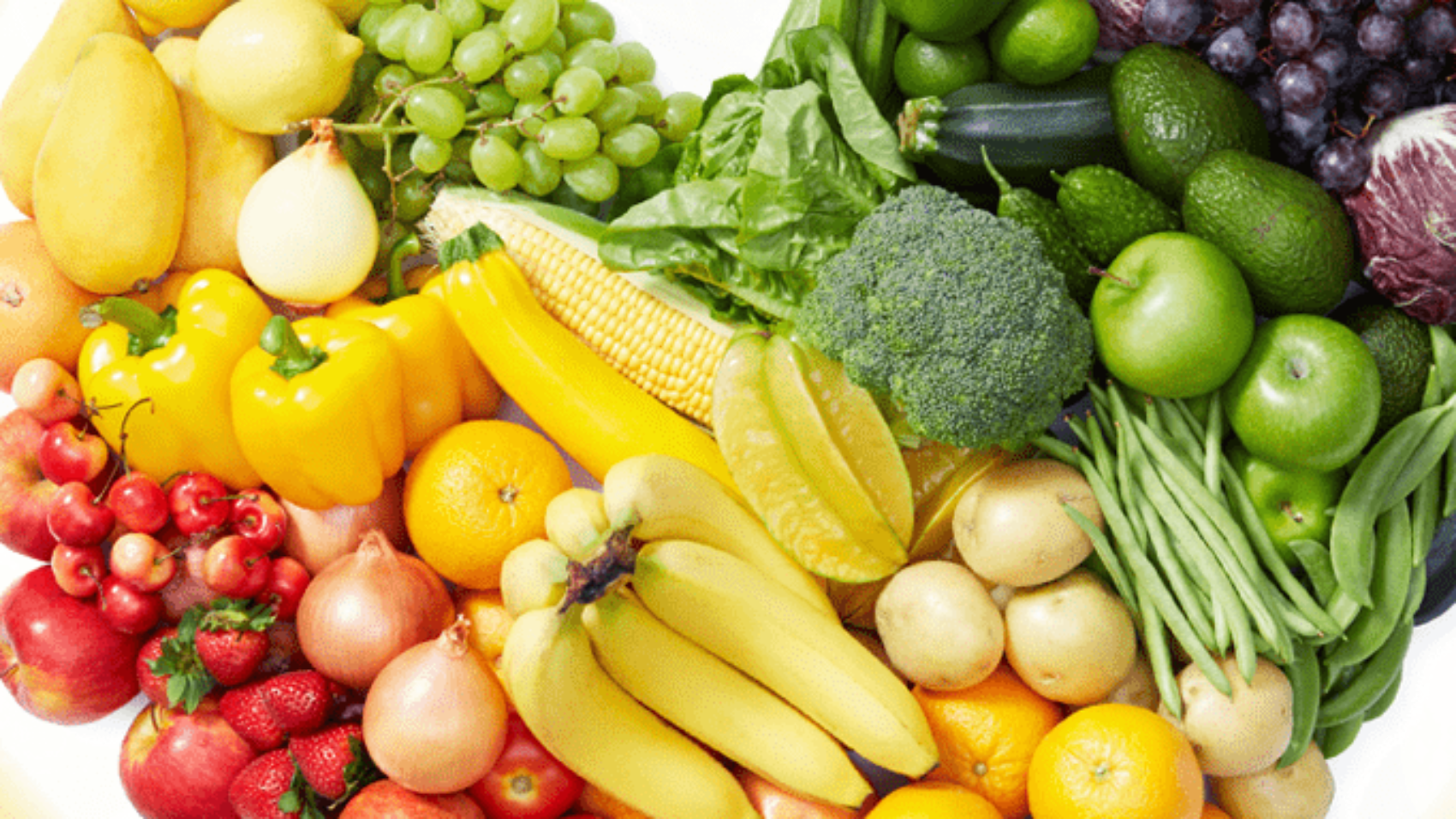
When you feel fat and bloated after a meal, it has an immediate negative effect on your mood. But there are other, more serious long-term health consequences to feeling this way as well.

“Bloating or fullness after meals is common in adults,” said Dr. Ryan Zarychanski, associate professor of Internal Medicine at the University of Manitoba.

According to him “it can be difficult to separate feelings of anxiety about weight gain from these feelings”. As in feeling bloated and fat. It’s as if our mood and anxiety levels are directly associated with what we eat. And I know I feel horrible after I’ve eaten processed food.

Hiding behind our excuses is human nature

This makes sense and none of us like to think we’re getting fatter and we don’t want to admit that we’re feeling uncomfortable because we’ve eaten too much or too much of the wrong thing. It’s human nature to want to put a positive spin on things so we tend to make excuses for the way we look and feel.

If you’re feeling fat and bloated, what are the chances that you’ll be able to stay on track with your goals to get back into shape?

Address negative emotions

If you don’t address negative emotions associated with food intake now, they can cause long-term stress and be detrimental to your health in more ways than one.

That’s why plant-based medicine is important. “Let food be thy medicine, let medicine be thy food” That’s a quote by Hypocrites 2500 years ago and it seems that we’ve gone down the rabbit hole as far as food is concerned. Hypocrites knew the importance of a diet full of fruit, vegetables, grains, and legumes and yet we today seem to overlook their importance for mental, physical, and emotional health.

How a plant-based diet can help

So what can we do to stop the bloating and the feeling of being fat after eating? We can try a plant-based diet.

Plant-based diet contains no animal products such as meat, dairy, eggs and excludes processed food like refined sugars and flours including cakes, biscuits, pasta, and bread. And unlike the standard western diet a plant-based diet is actually good for you as long as you stick to whole foods and not processed foods.

Dr. Zarychanski said plant-based diets such as vegan or vegetarian diets can make you feel more satisfied after a smaller amount of food.

He also says plant-based diets don’t cause the same blood sugar levels spikes and crashes that processed foods do, which means plant-based meals help you avoid feeling bloated and fat.

Plant-based diets are brilliant for health benefits and the feel good factor, and they work like a charm for reducing lifestyle diseases and for weight loss too. Plant-based food can be delicious, and it makes your body feel and look good too.

If you’re feeling bloated and fat after meals, why not give my plant-based recipes a go. You’ll feel much better and not at all bloated!

To help with your weight loss and lifestyle disease reversal you may also want to pay particular attention to your gut biome which they call your second brain. If you don’t pay attention to your gut biome your chances of being as healthy as you want to be may not happen.

It’s only in the last 12 years that scientists have found out just how much of a part your gut plays in overall health. For this very reason I use Gut health by Arbonne. I used to use another brand but I found that this brand worked best for me. You might want to give it ago, I noticed results within a week or two.

So, the best thing to do to keep yourself from feeling fat and bloated is to avoid processed food, meat, and dairy products. When you stick to whole food plant-base diet you can eat pretty much the same as you used to but a healthier version.

For more information why not book your free consultation today and see how we can help you to lose weight, reverse lifestyle illnesses and look and feel great about yourself.

See also: How Being Insulin Resistant Can Prevent You From Losing Weight?

Follow Us On Facebook: https://www.facebook.com/createthatbody

Instagram: https://www.instagram.com/isabella.hawke/

How Being Insulin Resistant Can Prevent You From Losing Weight?

How Being Insulin Resistant Can Prevent You From Losing Weight?

HOW BEING INSULIN RESISTANT CAN PREVENT YOU FROM LOSING WEIGHT?

A major impediment to losing weight is insulin resistance. In fact, insulin resistance is far more common than just about any other condition that doctors routinely diagnose and treat – diabetes, insulinoma, insulin resistance associated with obesity and PCOS.

“I’m insulin resistant,” A lady told Dr Gundry in an office visit.

She came to this conclusion because her blood sugar was over 125mg/dL for several days in a row. He immediately asked her what she was eating and when he heard it included bread his jaw dropped. Dr Gundry told the lady.

·          Bread raises blood sugar like crazy!

·          insulin resistance prevents weight loss no matter how much physical activity you do or what you eat.

The above sounds strange doesn’t it but let me explain.

Insulin encourages the body to store calories as fat. When insulin levels are high, the body converts excess sugar into fat and then ships that fat out into the blood stream for storage throughout your body, especially in fat cells under the skin, but also around organs where it is one of several factors leading to “metabolically unhealthy” obesity.

Breaking insulin resistance allows insulin levels to drop so that calories are not stored as fat. New energy can be burned instead of being hidden away in fatty cells on your hips, stomach and thighs.

Back to the story. During Dr Gundry’s dietary consultation he specifically asked the lady if she ate carbohydrates like bread and she said yes. He then told her that insulin resistance is common with type 2 diabetes and it also prevents weight loss.

She had been trying to lose weight for several years and nothing worked and so when he explained insulin resistance, its impact on weight loss and how insulin can be lowered through diet, especially carbohydrates , her jaw dropped too!

“Carbs, how come” the lady asked.

Different diets work for different people but Dr Gundry’s plant-based diet addresses insulin resistance whilst also lowering insulin levels, increasing insulin sensitivity, and stabilising blood sugar levels.

It all starts with cutting out the foods that raise insulin – refined carbs such as pasta, breads, rice cakes etc., fruit juices (which give you a huge jolt of sugar) and fruit (although you can eat plenty of berries).

Dr Gundry’s diet plan encourages high insulin levels. The insulin index score is a useful guide for determining insulin response to different foods in our diet.

·          insulin index score makes it easy to identify insulin raising foods

·          insulin resistance prevents weight loss no matter how much physical activity you do or what you eat.

Some people are sensitive to carbs, others less so but when insulin sensitivity falls, carbs turn into fat in the abdomen – where they are most harmful .

The insulin index score is a useful guide for determining insulin response to different foods in our diet. It shows how much your pancreas has to release insulin in order to metabolise a set amount of carbs from different foods.

For instance, one slice of white bread raised insulin 36% more than the insulin required to deal with one serving (90 grams) of pure glucose sugar.

One boiled potato spiked insulin 150% higher than the insulin needed to process 1 gram of glucose. That’s enough insulin release to turn two slices of buttered toast into instant belly fat!     

Did you know dairy has the same insulin index as white bread??? You don’t want to be eating that if you want your insulin levels to be normal.

The insulin index is an excellent tool for gauging how various carbohydrates affect our insulin levels. The lower the insulin response, the less insulin you need and that means that your body will be working on using energy rather than storing away excess calories as fat.

·          insulin resistance prevents weight loss no matter how much physical activity you do or what you eat.

Low insulin, high insulin index score, the higher the insulin the more it stimulates your body to store calories away as fat so avoid these carbs when trying to lose weight: white bread, rice cakes, sweetened drinks like fruit juices and sweetened drinks like sports drinks.

want insulin to stay elevated for too long because eventually it will bring your blood sugar down too low don’t Most grains are insulinogenic which means that insulin goes up after you eat them. Dr Gundry’s diet plan encourages high insulin levels, and the insulin index score makes it easy to identify insulin raising foods.

The three most insulinogenic cereals: Cream of Wheat, Corn Flakes and Wheaties. These cereals don’t even rank as half as good as oatmeal which raises insulin by only 12%. This would mean you’d need more than twice as much insulin release if you ate a bowl of Cream of Wheat than you would if you ate a bowl of steel cut oats!

Bad carbs cause your insulin levels spike, whereas good carbs lower insulin levels so insulin stays in the normal range. Insulin spikes are bad news because insulin works like a key, opening cells up to glucose and depositing them into fat storage.

Lower insulin levels mean insulin resistance is less likely to develop, weight loss becomes easier, and you burn more body fat.

I know this can be confusing so I recommend reading Dr. Gundry’s book the Plant Paradox so you can get your head around how all of this works. I’ve read these books and although they do go against some of the works of other doctors at the top of their profession Dr. Gubdry’s research has produced stable findings over a twenty-year period.

Buy safely at amazon

Amazon UK: The plant Paradox

Amazon.com: The plant Paradox

PS: the story above is not true I made it up to get the point across easier.

See also: HOW TO REVERSE HEART DISEASE WITH A PLANT-BASED DIET

Follow Us On Facebook: https://www.facebook.com/createthatbody

Instagram: https://www.instagram.com/isabella.hawke/
3 DELICIOUS PLANT-BASED RECIPES TO GET YOU STARTED

Delicious Plant-based Recipes To Get You Started

3 DELICIOUS PLANT-BASED RECIPES TO GET YOU STARTED

Have you adopted a plant-based diet recently? Are you not sure yet what cook and how to cook delicious plant-based recipes? Well don’t worry guys here is a short guide to creating healthy and tasty plant-based recipes.

Let’s kick off with one of my favourites, especially in winter as it’s so filling and good for you.

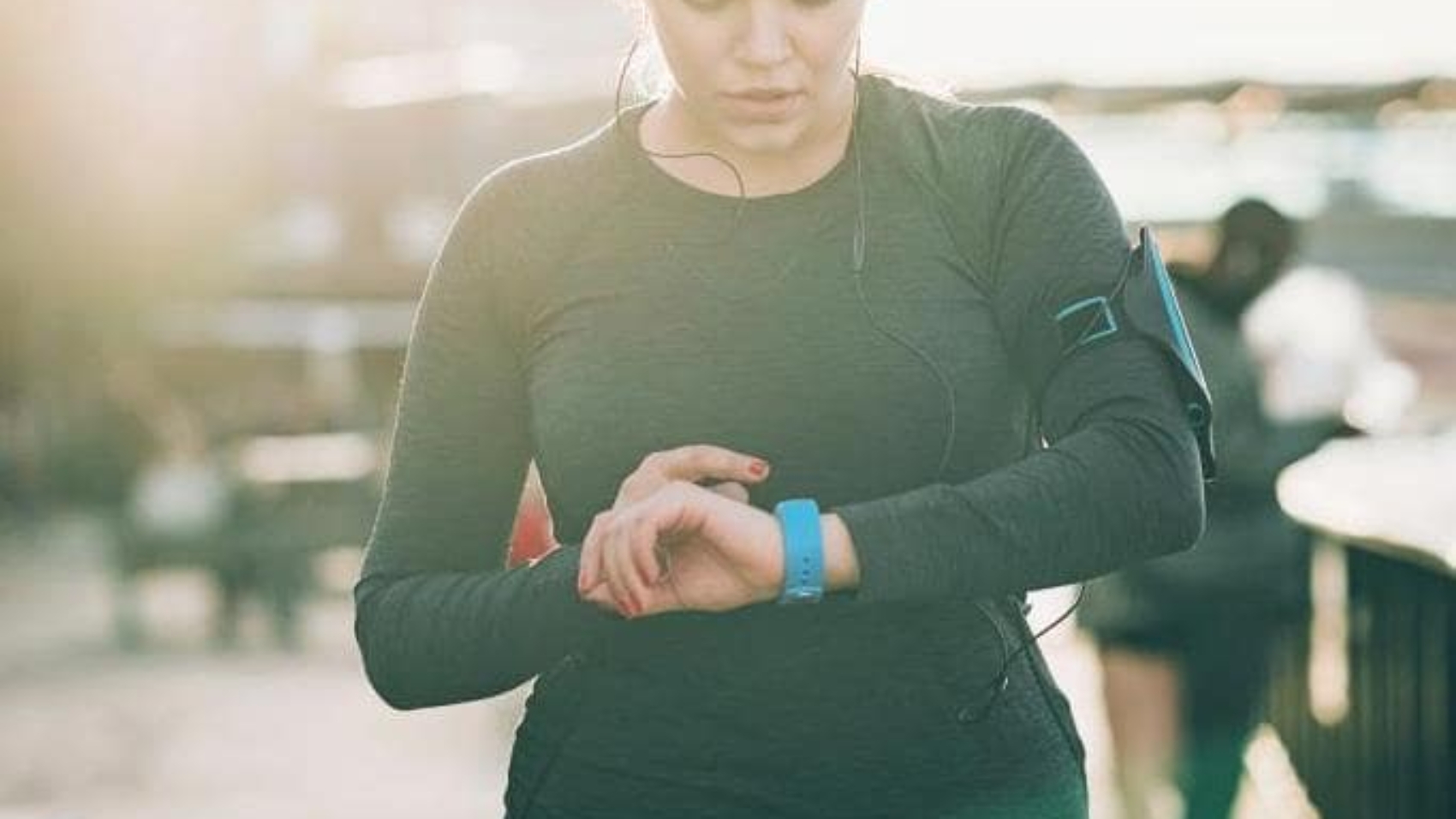
  1. LENTIL VEGETABLE SOUP

INGREDIENTS

  • All you need for the recipe is:
  • 2 x small onions diced nicely
  • 3 x small carrots
  • 4 x small potatoes (diced)
  • 8 x cups of vegetable broth
  • 1 x can of roasted diced tomatoes
  • 1 x bag of red lentils
  • ½ cup of chopped spinach
  • ½ cup of chopped fresh parsley
  • ½ cup of chopped green peppers ( for croutons)
  • Salt and pepper to taste

HOW TO MAKE THE LENTIL AND VEGETABLE SOUP

  1. In a pan add all ingredients except spinach. Cook on low flame for 1 hour until the lentils are cooked.
  2. Add in the spinach and parsley a few minutes before the soup is cooked.
  3. Add salt and pepper to taste
  4. Serve in a bowl with green pepper croutons


  1. SCRUMPTIOUS GLUTEN FREE PASTA

You can enjoy a pasta with a creamy sauce and rich flavours.

INGREDIENTS

  • 2 x small carrots
  • 4 x cups of vegetable broth
  • ½ cup of nutritional yeast
  • 1 x large russet potato peeled and diced
  • ½ cup of cashews
  • 4 x ounce of gluten free pasta (if you don’t like gluen free pasta you can chose the type you like)
  • 3 x cloves of finely chopped garlic
  • 1/2 x cup of chopped yellow onion
  • 1 x teaspoon of turmeric
  • ½ x cup of chopped fresh parsley
  • Salt and pepper to taste

HOW TO MAKE THE CREAMY PASTA

  1. In a saucepan add potatoes, carrots, onions, garlic and turmeric. Add vegetable broth and cook for about 20 minutes.
  2. Soak the cashews. Meanwhile boil your pasta.
  3. In a blender add nutritional yeast, soaked and drained cashew, boiled potatoes, onions and carrots.
  4. This should form a creamy sauce. Add boiled pasta to the sauce.
  5. Add salt and pepper as per your taste
  6. Top with chopped fresh parsley


  1. BLACK BEANS AND BROWN RICE BURGER PATTIES

You can make this delicious Pattie loaded with flavors and nutrients.

INGREDIENTS

  • ½ x cup of brown rice
  • 1 x teaspoon of roasted cumin
  • 1 x 15 ounce can of black beans
  • ½ x diced onion
  • 1 x teaspoon of garlic powder
  • ½ x teaspoon of chili powder
  • ¼ x cup of corn
  • You will also need salsa and avocado slices for serving

HOW TO MAKE THE PATTIE

  1. Preheat oven at 350 degrees.
  2. Add water to rice and cook it completely.
  3. Drain the beans, in a bowl mix the beans, onions, spices and corn together. Mash them well with your hands or a masher.
  4. Add boiled rice to the mixture and mash until it’s well combined.
  5. Form mixture into balls and shape them into patties. Each pattie should be 1/2inch thick.
  6. Bake the patties in preheated oven for 15 minutes.
  7. Serve between two lettuce leaves with salsa and avocado slices

I hope you enjoy these very quick and easy recipes.

Ok, the soup takes slightly longer to cook but it’s important to cook pulses and legumes properly to ensure the lectins have been removed. According to Dr. Gundry Lectins are responsible for causing most lifestyle illnesses. In his book the Plant Paradox he explains lectins and their side effects. You can buy his book safely at amazon. Dr. Gundry also has a book out called the Energy Paradox where he explains how to get your energy back through diet.

You may want to try out some of my other plant-based recipes.

Enjoy!

Follow Us On Facebook: https://www.facebook.com/createthatbody

Instagram: https://www.instagram.com/isabella.hawke/
Is Juicing Good Or Bad?

Is Juicing Good Or Bad?

IS JUICING GOOD OR BAD?

Every morning on Instagram, you see all these plant-based bloggers with their photos of green juices and smoothies, some healthy others a little too processed claiming that you can lose 10lb in a day if you drink this one juice. Tut Tut, don’t be taken in by it all as it simply isn’t true.

The plant-based lifestyle does not have to include plant-based juices, they are nice for a treat or a detox but not for everyday consumption. In fact, it is better if you don’t have them because plant-based juices from shops contain almost no fibre and are very high in the sugar department.

Shop Bought Juice – Yes Or No?

Now I’m not saying that drinking juice from plants is bad for your health but there are some things that can be improved about plant-based juices from shops. These juices contain high levels of sugar and no fibre which means the sugar gets absorbed into your system very quickly leaving you hungry soon after. This amount of sugar being rushed into your system this fast will result in a sugar spike then a sugar low. This will leave you feeling tired and sluggish.

Why Should You Eat The Whole Food And Not The Juice?

Another way to look at this is by comparing plant-based juice to vegan meals made with the same ingredients, for example a blend of kale, cucumber, celery, and lemon. The plant-based juice contains the same ingredients, but it has been juiced meaning that all the fibre has been taken out of the veggies leaving you hungry sooner. Did you know that fibre is one of the main ingredients that constitutes to a good gut biome?

Why You Shouldn’t Have A Juice Everyday And Expect To Lose Weight

The best way to get plant nutrients into your diet is by eating whole plant foods instead of drinking plant-based juices/smoothies. This is because plant-based drinks are often not as healthy as they first appear due to the high levels of sugar. I keep mentioning the sugar content as type two diabetes, heart disease and obesity are prevalent in the West. For this reason, juices and smoothies should be treated more like a treat.

If you are on a juicing diet to reboot your metabolism that’s a different story. I’ll cover that in an additional blog.

So, if you want to get plant-based nutrients into your diet you’re better off making your own meals such as vegan burgers, healthy salads and plant-based soups which contain fibre and other plant nutrients.

Juice Your Own And Drink The Live Vitamins And Minerals

Alternatively, if you really cannot resist plant-based juices take up juicing yourself and make sure the plant ingredients aren’t too high in sugar. Offset the fruit with vegetables and leafy greens. This way you will consume the juice whilst the nutrients are still alive. When you consume most shop bought juices the vitamins and minerals are all but dead unless the drink has been fortified. There’s no substitute for the real thing.

If this doesn’t work maybe try transitioning away from juicing altogether by slowly decreasing the amount of juice that you drink or swapping it for smoothie bowls instead which are much healthier because they still contain plant fibre.

The question is, what are you trying to achieve? If it’s weight loss you can do a juice cleanse but not long-term. If it’s to get a vitamin and mineral boost, great. But if it’s simply for something to drink try water.

You know water is the best option don’t you and if it’s too boring for you why not add Arbonne’s fizz sticks to the mix. They always remind me of summer, and they’ve just released a grapefruit version, amazing with tonic water, I don’t mind if I do. My favourite is the cherry one. I’ve convinced myself that cherries are a superfood that can’t be challenged when it comes to the fight against free radicals.

Whenever in doubt your best bet is to go for the water and spice it up and to swap plant-based drinks for vegan meals instead which you can make in your own kitchen with ease.

If you’re not sure where to start you can pick up some plant-based recipes and a 7-day juice cleanse for free on my vegan resources page.

See also: Where Do Plant-Based Vegans Get Their Protein From?

Follow Us On Facebook: https://www.facebook.com/createthatbody

Instagram: https://www.instagram.com/isabella.hawke/