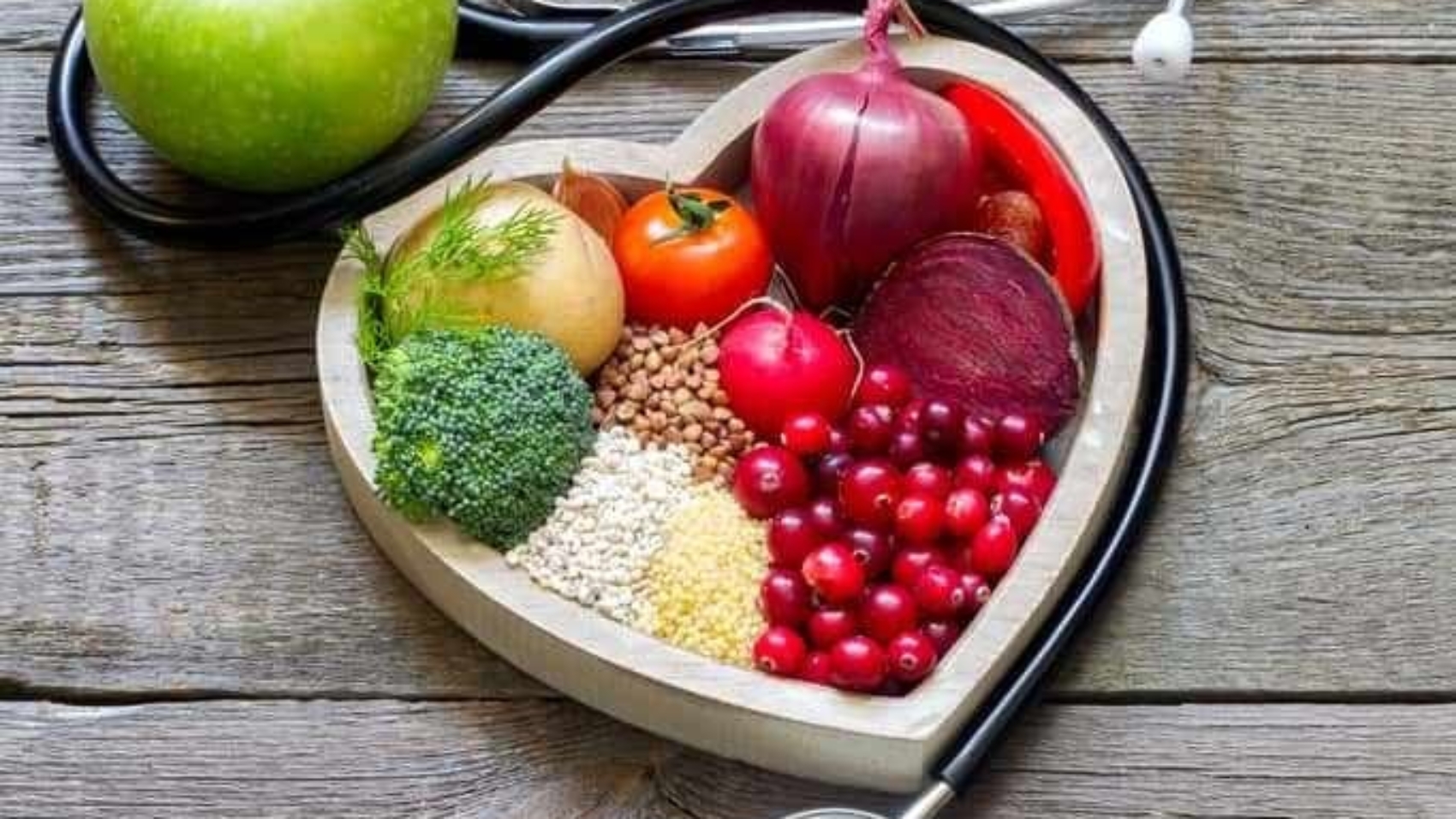
Can A Plant-Based Diet Reverse Heart Disease?

Can A Plant-Based Diet Reverse Heart Disease?

CAN A PLANT-BASED DIET REVERSE HEART DISEASE?

Heart is the most important organ in the body, because if your heart isn’t pumping the blood around your body the rest of your organs can’t do their job.

Only a healthy heart can run a healthy body, and this comes from a healthy diet and lifestyle. The food choices these days is leading to increase in the number of lifestyle diseases and heart disease is at the top of the list.

The number of people suffering from heart disease is growing fast around the world as the Standard American Diet filters through to the east. Heart disease is largely preventable and there has always been a debate as to what kind of food is the best for your heart. Should the diet be animal based or plant based or a mix of both? Good question and the answer is . . .The best diet for the prevention of heart disease is a whole foods plant-based diet.

The plant-based diet has been gaining popularity for the last few years now and experts such as Drs. Greger, Esselstyn, Klaper and Fuhrman have all spent their lives in plant-based medicine trying to educate people to eat a plant-based diet for optimal health.

Those who followed a plant-based diet for several years have all witnessed positive changes to their mind and body. It is still important to mention that not every plant-based diet will equally benefit you only the right choice of food derived from plants can give the best results. For example, pasta and white bread, though originated from plants they are highly processed, high in starch, and lacking in many heart-healthy nutrients.

Similarly, a fruit squeezed into a glass of juice will not hold the same benefits as it would have in its whole form. Once squeezed into a pure liquid it becomes high in sugar and lacks fiber. But a freshly squeezed juice at home will help you to get that vitamin boost you need naturally.

Many research studies have been conducted to determine the impact of a plant-based diet on heart health. It is often asked. “Can a plant-based diet reverse heart disease?” Well, the answer is yes it can. A whole foods plant based is rich in fiber, minerals, probiotics, vitamins, healthy fats and phytonutrients and low in saturated fats and sugar hence maintaining heart health in the best possible way.

Hana Kahleova, M.D,Ph.D, Physicians committee director of clinical research says “a plant based diet has the power to not only prevent heart disease , but also manage and sometimes even reverse it_ something no drug has ever done” Www.pcrm.org

The study conducted by the same committee found that plant-based diet reduces the risk of death from cardiovascular disease by 40 percent, opens blocked arteries either fully or partially for about 91 percent of patients. Www.pcrm.org

According to Dr. Michael Greger the only way of eating that has proven to reverse heart diseases in majority of patients is a diet centered around whole plant foods. You can check out more about heart disease from Dr. Greger at www.Nutritionfacts.org

If you just don’t know where to start and taking the first step is the problem, why not purchase a couple of books to help you start your health transformation journey?

I recommend:

How Not to Die by Dr. Michael Greger (Amazon UK Link)

How Not to Die Cookbook by Dr. Michael Greger (Amazon UK Link)

How Not to Die by Dr. Michael Greger (Amazon.com Link)

How Not to Die Cookbook by Dr. Michael Greger (Amazon.com Link)

The journey to optimal health is easy when you choose a whole foods plant-based diet. The hardest thing to do is take that first step, after that it’s all much easier.

You may also like to read (pop links to other blogs on my site please)

See also: HOW TO REVERSE HEART DISEASE WITH A PLANT-BASED DIET

Follow Us On Facebook: https://www.facebook.com/createthatbody

Instagram: https://www.instagram.com/isabella.hawke/
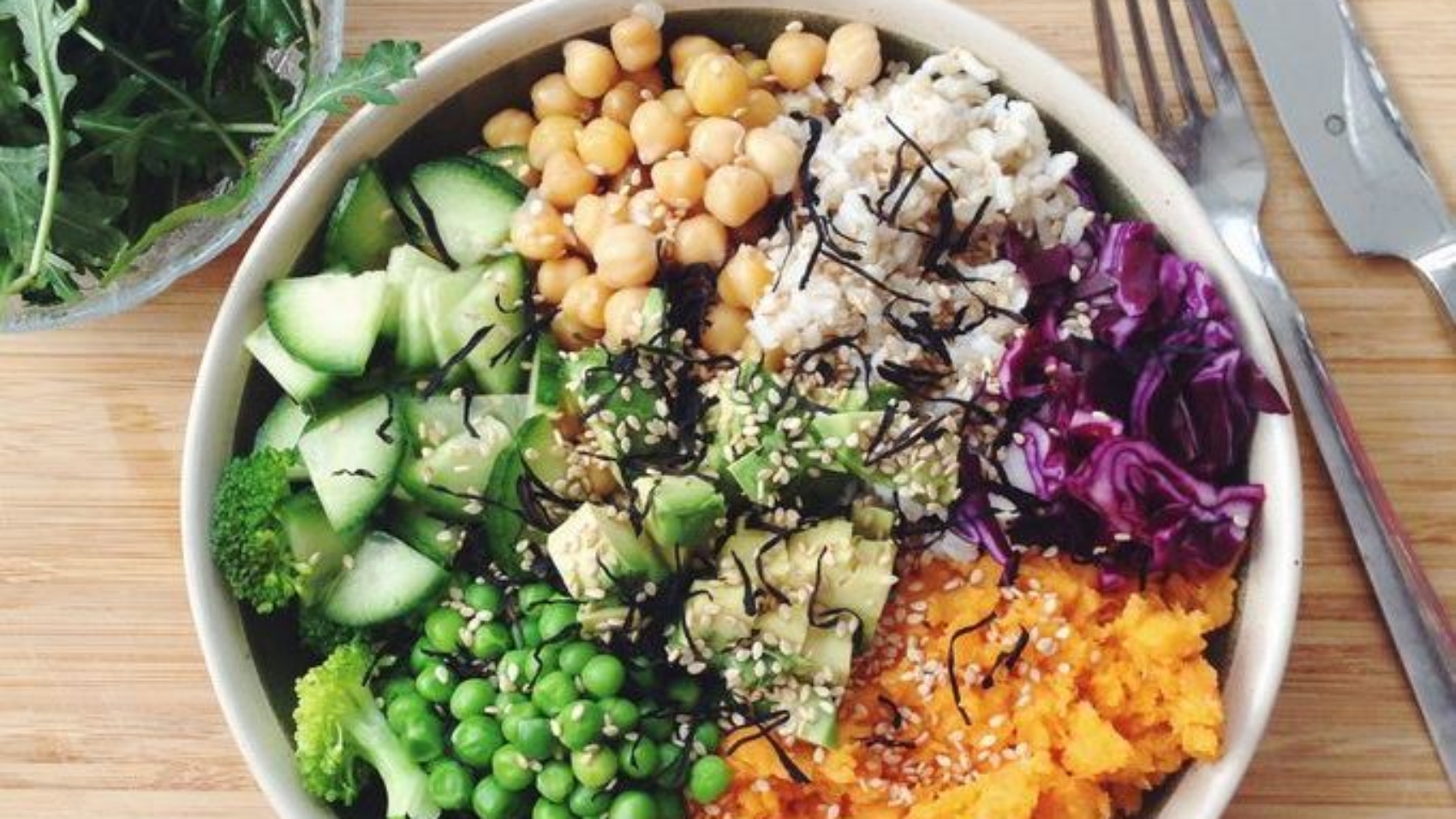
Do You Have Arthritis?

Do You Have Arthritis?

Do you have arthritis?

If so, you are not alone. Today over 350 million people globally suffer from a form of arthritis and often experience excruciating pain with it.

As you know, arthritis occurs in any joint, but it commonly occurs in your hands, fingers, knees, hips, and spine, all of the parts of your body you move every day, making life unbearable.

Many people living with arthritis think there is no cure for it and they will just have to learn to live with the pain. But this just isn’t true! You can take control of your symptoms without relying on harmful medications or surgery by following a plant-based diet.

I wonder . . .

Have you been told that there’s no cure for your symptoms and that you will just have to take the tablets and learn to live with it?

A word of caution . . . 

Never come off your medication by yourself always consult a doctor before making radical changes to your diet and lifestyle.

However, I understand that you don’t want to rely on harmful medication forever due to the added negative side effects that taking it long-term can bring.

If you’d like to start helping yourself get on top of arthritis and deal with it naturally. One thing you can do immediately is to start by introducing more vegetables, fruit, and whole foods into your diet. Especially, the green stuff.

Many scientists have found that those who follow a whole food plant-based diet can ease their arthritis symptoms by up to 70%.

What causes arthritis and why does a plant-based diet work . . . 

In a word – Inflammation. And the best way to reduce arthritis symptoms is by removing foods that cause inflammation and adding those to your diet that fight it! PLANTS!

In fact, studies show that those who follow a plant-based diet experience a marked improvement in their symptoms and a reduction of inflammation within just two weeks.

Why hasn’t anyone told us this before . . . 

The knowledge of the arthritis-fighting power of a plant-based diet is nothing new. In fact, many people already know how effective it can be to eat more veggies and whole foods in general for pain relief from arthritis symptoms.

Through scientific research studies, a plant-based diet has been shown to reduce inflammation, one of the primary causes of arthritis.

What are the side effects of a plant-based diet . . . 

Two side effects spring to mind, an increased amount of energy and weight loss.

If having more energy, and losing weight isn’t enough motivation for you to swap to a plant-based diet then what about overall improved quality of life as well.

When you have to spend less money on medication and you find you have more energy and money to spend on enjoying yourself with your family and friends life will start looking up again!

If you’d like to see some of the information this post was written on, please watch the video below

And also, these videos here for health tips:

https://nutritionfacts.org/?s=arthritis

See also: BEST LEG AND GLUTE EXERCISES FOR MAXIMUM RESULTS IN 7 DAYS

Follow Us On Facebook: https://www.facebook.com/createthatbody

Instagram: https://www.instagram.com/isabella.hawke/
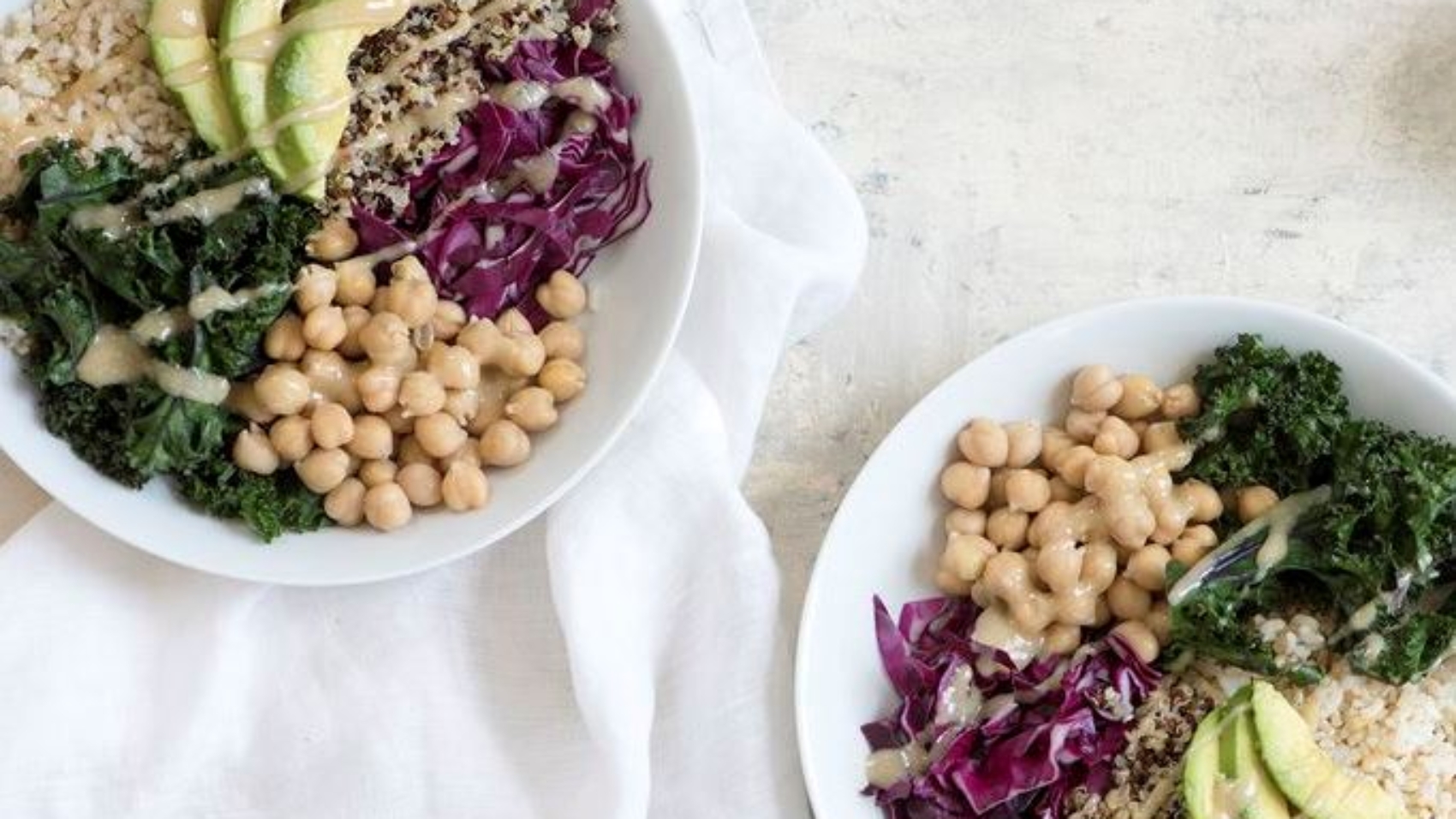
Where Do Plant-Based Vegans Get Their Protein From?

Where Do Plant-Based Vegans Get Their Protein From?

Where Do Plant-Based Vegans Get Their Protein From?

Protein is such a hot topic that I think it’s worth clarifying what plant-based veganism means before we get into how to get all the protein you need as a plant-based vegan.

What does plant-based mean? For plant-based vegans, they eat whole plant foods and exclude all animal products. The whole foods plant-based vegan diet includes things like vegetables, fruit, nuts, seeds, legumes, and grains.

“Plant-based” eating patterns exclude animal products or by-products of animals – sometimes referred to as “animal flesh” for simplicity – but plant-based eating patterns can include dairy and eggs because these are not animal parts whereas meat is part of an animal carcass. For plant-based vegans’ dairy and eggs are also excluded.

How Much Protein Do You Need?

The amount of protein recommended by dietitians for plant-based vegans is 1 gram per kilogram of body weight.   For example, a plant-based vegan who weighs 90 pounds would need 90 grams of plant-based vegan protein daily. The amount of plant-based vegan protein recommended is the same for all plant-based vegans regardless of gender, age, and weight.

What Are Excellent Plant Based Vegan Sources Of Protein?

– beans and legumes are plant foods that contain high levels of plant protein.

– nuts and seeds provide a plant-based vegan with plant protein in addition to many nutrients, minerals, and health benefits.

– grains are plant foods that provide plant protein along with fibre, vitamins, and minerals.

What Are Some Good Plant-Based Protein Options?

Some plant-based vegan high protein options that are easy to digest and absorb include tofu. Tofu is made from soybeans which are plant-based protein sources. Tofu can be stir fried, baked or boiled or you can even make omelettes or tofu scramble.

Tempeh is another plant-based option that contains plant protein and it’s easy to digest for most plant-based vegans.

Examples of plant proteins that require more work to be digested by the body include nuts and legumes such as chickpeas.  But don’t be discouraged! The lower rate of digestion does not mean these foods contain less protein; your digestive system just has to put more work in to process them.

If you strength train and want to build muscle you will need to consume a higher amount of protein than 0-8g – 1g per body weight.

If you are on a low-calorie diet but want to avoid muscle loss you will need to consume a higher protein intake. Keto is not for everyone and can have long-term side effects. Keeping your protein intake at a safe level is important for optimal health.

There is some research which suggests that we may need to consume higher amounts of protein as we age because our rate of absorption decreases. This may be true but again keto is not for everyone, and a sensible amount of protein should be consumed for optimal health.

Further Examples of Plant-Based Vegan Protein Sources

The list below contains a few more examples of high-protein plant-based vegan foods.

  • ​Seitan
  • Soya Beans
  • Tempeh
  • Pasta made from edamame, red lentils, chickpeas, or any kind of beans,
  • Hemp protein
  • Nutritional yeast
  • Chia seeds
  • Flaxseeds
  • Nuts (also high in fat)

Why Is The Plant-Based Vegan Diet Good For Weight Loss?

If you eat plant foods like fruit, vegetables, beans and whole grains throughout the day, you probably get enough plant-based vegan protein without even trying because these plant foods have a low-calorie density and are high in fibre. The above sources of plant-based vegan protein are ideal for weight loss diets too because they allow people to eat large portions of food while staying slim.

Plant-based vegans on a whole foods diet consume such a range of plants that they get enough protein in their diets without having to count grams.

However, plant-based vegans following a vegan weight loss or muscle gain diet may benefit from using plant-based vegan calculators that will help them keep track of their plant protein intake to make sure they are getting enough plant-based vegan protein.

I hope this article has helped you understand what plant-based veganism means and how it relates to plant proteins. When following a plant-based vegan diet rich in whole foods the only thing to supplement is B12 not protein.

If you don’t know where to start and would like some free recipes, why not pop over to my vegan resources page and pick up my 7-day recipe book.

See also: Why a Plant-Based Diet is good for Oral Health

Follow Us On Facebook: https://www.facebook.com/createthatbody

Instagram: https://www.instagram.com/isabella.hawke/
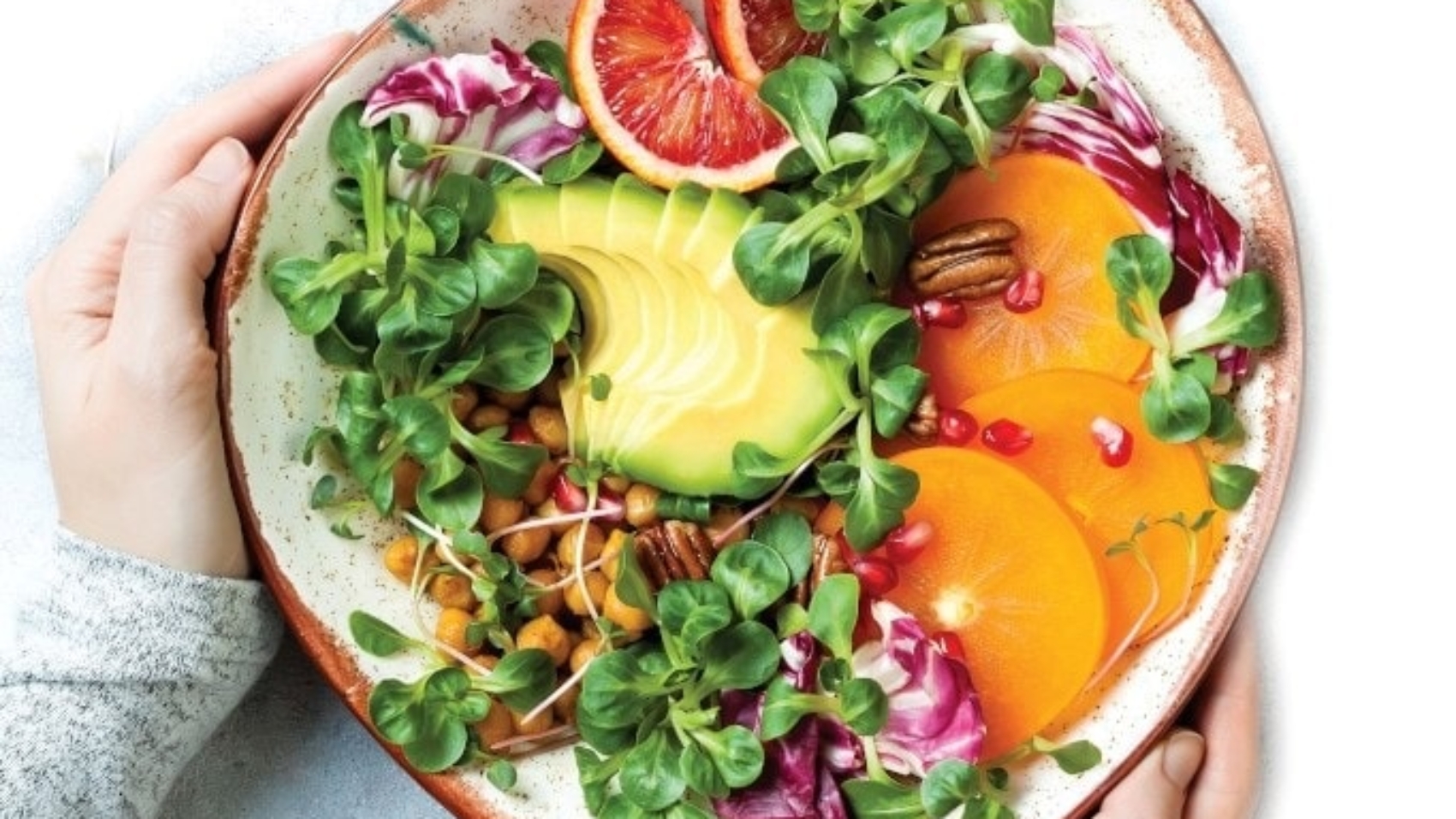
Sunday Lunch Anyone?

Sunday Lunch Anyone?

 Sunday Lunch Anyone?

Do you want to know how to eat healthily and still enjoy Sunday lunch with your family?

We all love a good Sunday roast dinner, but if you’re plant-based it can be hard to find something that will satisfy everyone. But I have the solution!

There are plenty of plant-based meat substitutes out there that are very hard to distinguish between the real versus the fake. And whilst it’s not advisable to eat meat or plant-based substitutes every day they do keep the Sunday lunch looking real.

Plant-based substitutes are not only healthier than meat and dairy products but are also ethical, sustainable, and environmentally friendly. At a time where we are facing critical climate issues, it’s important to remember that becoming plant-based is one of the best things you can do for the planet.

So why not join thousands of other people who are already enjoying their Sunday lunches the plant-based way!

Some of the best plant-based substitutes according to me are:

What the Cluck

Move the Mountain

Plant Kitchen

Wicked Kitchen

Squeaky Bean

Beyond Burgers

Impossible Burgers

Viv Era

Tesco, M&S, and Sainsbury’s home brands

There are so many brands out there now providing plant-based alternatives it’s impossible for me to mention them all here.

Follow Us On Facebook: https://www.facebook.com/createthatbody

Instagram: https://www.instagram.com/isabella.hawke/

Why A Plant-Based Diet Is Good For Oral Health

Why A Plant-Based Diet Is Good For Oral Health

Why a Plant-Based Diet is good for Oral Health

We go to the doctor whenever we feel not quite right. Less since Covid-19. You might get a physical or take an annual health assessment test just to make sure everything is still working as it should be.

But you are also supposed to go for your “annual” check-up with your dentist, too. A lot of us don’t like going to the dentist because they always find something that is wrong with us and it seems more painful than any other medical experience we have had before.

Right?  Wrong!  Well….not exactly wrong but my point is this: There’s usually nothing seriously wrong with me when I go to the dental clinic but there are things that sometimes need attention or I simply ignore them until I come back again in 6 months for another look under the microscope.  When you get to your mid-30s, you start to think about not only looking good but also staying healthy.  

Is it necessary to go plant-based even straight away?

That’s the ideal situation, however, sometimes it takes us time to come out of our bad habits and into our good habits. I stopped eating meat totally when I was 42 when I learnt about the animal cruelty involved and the health benefits and environmental factors followed. I started thinking about plant-based diets but I didn’t go plant-based to start with I first went vegetarian, then pescatarian then vegan and finally I became a plant-based vegan.

What was my turning point?

But it wasn’t until I read the book The China Study by T. Colin Campbell that my thinking became more serious about plant-based diets as a way to stay healthier for life.

So….back to the story.

I went back to the dentist one year after going plant-based and guess what?  The dentist immediately noticed a major difference in my teeth since he had last seen me!  They told me, “Your gums look better now than when you were here last, your teeth are great, and you don’t need to see the hygienist!  What did you do?  I thought plant-based diets cause gum disease.  They don’t, I said to my dentist they make your gums and teeth better. My dentist now calls me boring and says. “There’s nothing to see here, see you in 6 months.”

But doesn’t plant-based mean pretty much vegan…. right? my dentist asked me next. Yes, I told them they are right but, in my case, plant-based is more of a plant-focused diet, not a vegan diet. Although I am vegan because vegan is a lifestyle and not a diet.

So, plant-based is plant-focused, what does that mean?  Simply put plant-based diets are plant-focused. This means the main staple of your daily meals consists of plant foods like vegetables, fruits, beans, and legumes…. not processed foods, dairy, or meat.

Are plant-based diets for everyone?

I know it sounds simple but plant-based diets are not just for vegans. They are for anyone who wants to improve their health without having to take medication all the time.  In fact, they help to reverse lifestyle diseases and the aging process.

If you want to reverse aging, then try plant-based eating with lots of veggies and fruits too!  Your levels of insulin will reduce dramatically if you go plant-based because they help balance blood sugar levels in your body which decreases glycation—the process where excess sugars bind to proteins and form harmful new molecules called Advanced Glycation End products.

What’s the deal with Blue Zones?

A plant-focused diet is what all the other blue zones areas are doing too, not just Loma Linda which has the most plant-based breakfast cereals in the world available at their local markets but Okinawa, Sardinia, Nicoya Peninsula, Icaria…countries with high concentrations of centenarians who have similar plant-focused diets as well.

So plant-based diets are good for you….? but why are they so successful?  Ye sof course they are as long as you stick to a plant-based diet and don’t go off the path.

Because plant foods contain lots of nutrients that cannot be found anywhere else like vitamins, antioxidants, minerals, etc they are superior to other sources of food. These natural foods will help protect your body from disease. And if you go plant-based you’ll be not only improving your dental, physical, emotional, and mental health but you’ll also be helping the environment too.

Since plant-based diets are plant-focused, this means you have lots of plant foods in your diet, so they contain high amounts of fibre which helps with weight loss and controlling your blood sugar levels…lowering the risk for diabetes. It’s a no brainer, isn’t it? You can lose weight and reverse type 2 diabetes by going plant-based? Why doesn’t everyone do it?

People who are plant-focused eat more whole grains instead of processed white bread which will decrease inflammation in your body because its the low glycemic index.  Did you know dairy has the same insulin index spike as white bread?

Plant-based eating is good for you we all deep down know this but it’s not until we hit a major lifestyle disease that we decide to change. What if life could be different and we didn’t have to face the diseases of diet and lifestyle? What if we choose to be healthy and happy rather than eat with our eyes…?

Another issue relating to the plant-based diet is protein and the questions I normally get asked are. “Where do you get your protein from?”  That’s another article.

For now, though, the main food items you should be eating is all things vegetable and fruit sparingly. Too much fruit can cause tooth decay just like any other sugar, but vegetables, legumes, pulses and grains can be consumed as part of a healthy diet. All things plants in moderation.

To get more plants into your diet learn how to cook. Learn to cook simple foods with variety and aim to eat the rainbow. You can try some of my plant-based recipes for a healthier lifestyle and a healthier happier you.

See also: Plants vs. Coronary Heart Disease

Follow Us On Facebook: https://www.facebook.com/createthatbody

Instagram: https://www.instagram.com/isabella.hawke/
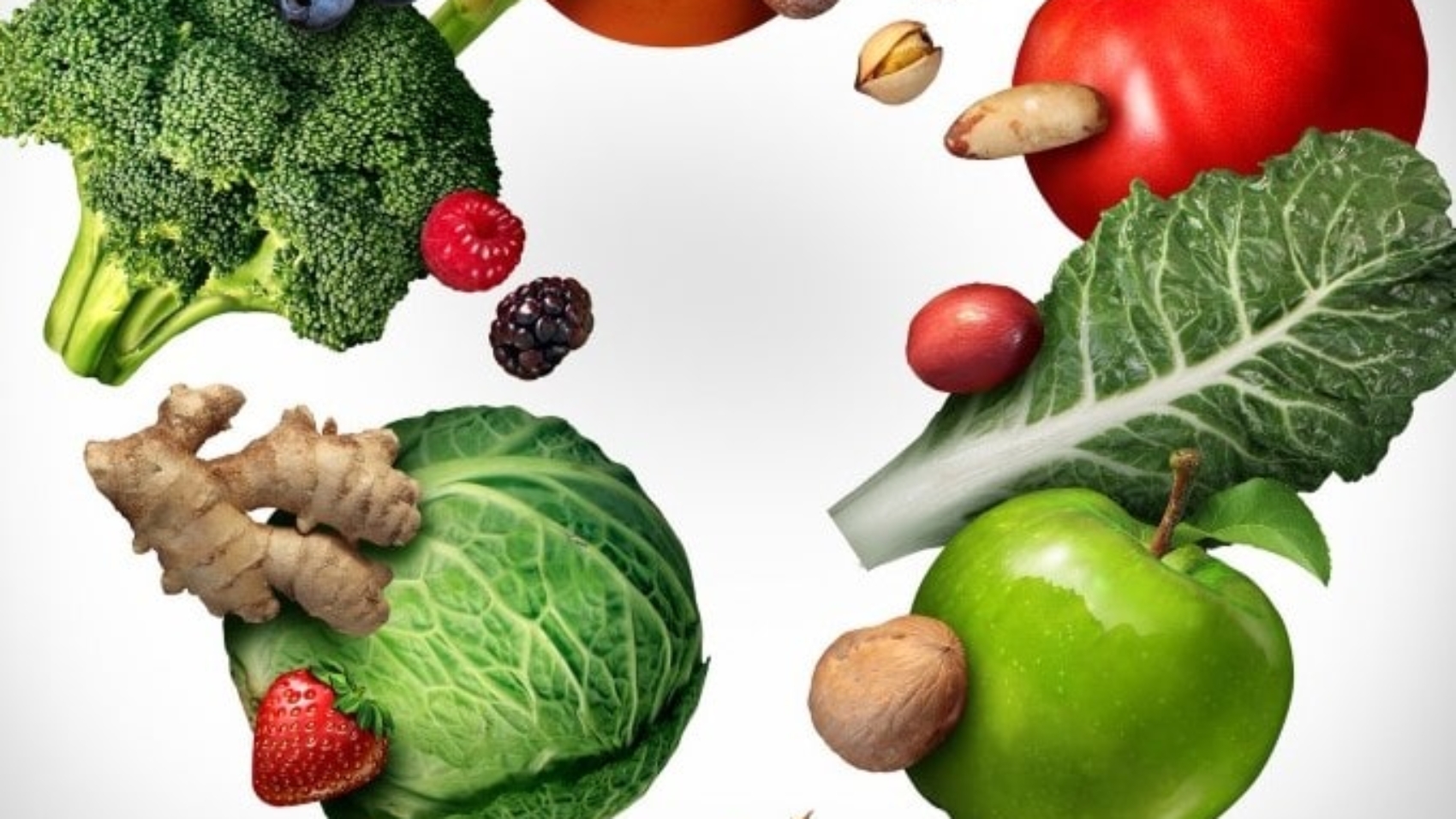
Plants vs Coronary Heart Disease 

Plants vs Coronary Heart Disease 

Plants vs. Coronary Heart Disease

An estimated 3.8 million men and 3.4 million women die each year from CHD, these are striking and needless figures.

Did you know people die every single day from coronary heart disease (CHD).

CHD is the number 1 killer in the west, and it’s been known for years that it can be prevented and reversed with a plant-based diet.

We know for certain that a plant-based diet can prevent heart disease, diabetes, and obesity. But we don’t follow the advice given to us by experts like Dr. Ornish, Dr. Esselstyn, Dr. Greger, and Dr. Fuhrman. These doctors have worked in the field of plant-based nutrition for decades and they can provide us with the research findings to prove it.

Most people are unaware of the benefits of eating only plants (vegan-plant-based) for their health and longevity. A lot of people think they’re going to get sick or be undernourished if they don’t eat meat but this just simply isn’t true.

Most people aren’t listening to the advice given on what we really should be eating to prevent and reverse illness.

Most people don’t even know what a plant-based diet is or how to go about making one work for them.

And if they do try it, it usually fails after a few days or weeks because they don’t know how to cook effectively on a plant-based diet to give flavour and seity to all their meals.

They then begin to miss their favorite foods like cheese, meat, and processed foods too much and they every back to their old eating habits.

Where can we start: 

Cut down or cut out meat and dairy from your diet

Limit the amount of plant-based substitutes that you eat.

Aim for a plate that looks like the rainbow (full of colour and flavour)

Buy a good plant-based recipe book and use it

Learn to prepare and cook whole food meals

Drink plenty of water

Eat more green plants

Eat more natural fiber

Cut out processed foods

Get a coach

What are you doing to help improve your quality of life and prevent the onset/advancement of CHD?

See also: This Week I’ve Got Three Success Stories

Follow Us On Facebook: https://www.facebook.com/createthatbody

Instagram: https://www.instagram.com/isabella.hawke/

Always Choose To Think Positively

Always Choose To Think Positively

We are all in search of happiness, but it can be hard to find. Sometimes we get stuck in negative thought patterns that prevent us from achieving our goals.

You know you need a positive mindset if you want to achieve your goals, but how do you actually create one? This is the question I’ve been asked most often by my clients over the years. The answer lies in 5 key skills that will help you to create a positive mindset for success.

Below is a brief outline of the first skill!

Always choose to think positively

This sounds simple enough, but it’s the hardest and most important step in achieving a more positive mindset. If you could just choose to think positive then no one would ever have a reason to feel miserable, defeated, or generally down in the dumps.

However, by making a conscious effort to choose to think positive your mindset will change very quickly and you’ll become a much happier person! So how do you start to think positively on a daily basis?

Firstly, start paying closer attention to the things around you; what people say, and how they act (this is especially true with yourself). Then ask yourself these questions:

  1. Are the people I hang around with positive people?
  2. Are they like the person I want to become?
  3. Do those who I want to be more like try harder than me?
  4. Do I give in when it gets hard?
  5. Do they work differently to me, if so, how?
  6. Is it easier for those I want to be like to get what they want?
  7. What do they do that I don’t do?

Write down your answers to the questions above and really study them. What is it that makes those people you would like to like be successful? What’s their mindset, work ethic, and outlook on life like?

So what is stopping you from thinking positively?

One of the main reasons that a lot of people struggle to think positively is a simple lack of motivation for anything in their lives or a feeling that nothing around them is going right. These emotional downers can creep up on you without warning and take over completely until it feels very unlikely that you’ll ever feel happy again.

However, there are ways to beat this slump and get your motivation back so you can start focusing on positive thinking. Here are some tips:

First things first, find an activity that makes you feel good about yourself -even if it’s just doing a simple household task. No one is expecting you to do a major housework stint or anything!

Get a hobby, it’s important to find a hobby that makes you feel good about yourself and boosts your self-esteem – think of it as a quick pick-me-up for any low days, where you can even out those emotional dips that cause our motivation levels to plummet.

The next best thing is to surround yourself with positive messages wherever you go. Perhaps it’s a notebook by the side of the bed that is your ‘feel good’ journal, where every day you can write down five things that made you smile throughout the day? five things you are grateful for and one thing that you have achieved that day.

On bad days it will be a reminder of all of the things you accomplished, the things you’re grateful for, and the small things worth smiling about, and on better days it will help motivate you towards thinking even more positively.

Follow Us On Facebook: https://www.facebook.com/createthatbody

Instagram: https://www.instagram.com/isabella.hawke/
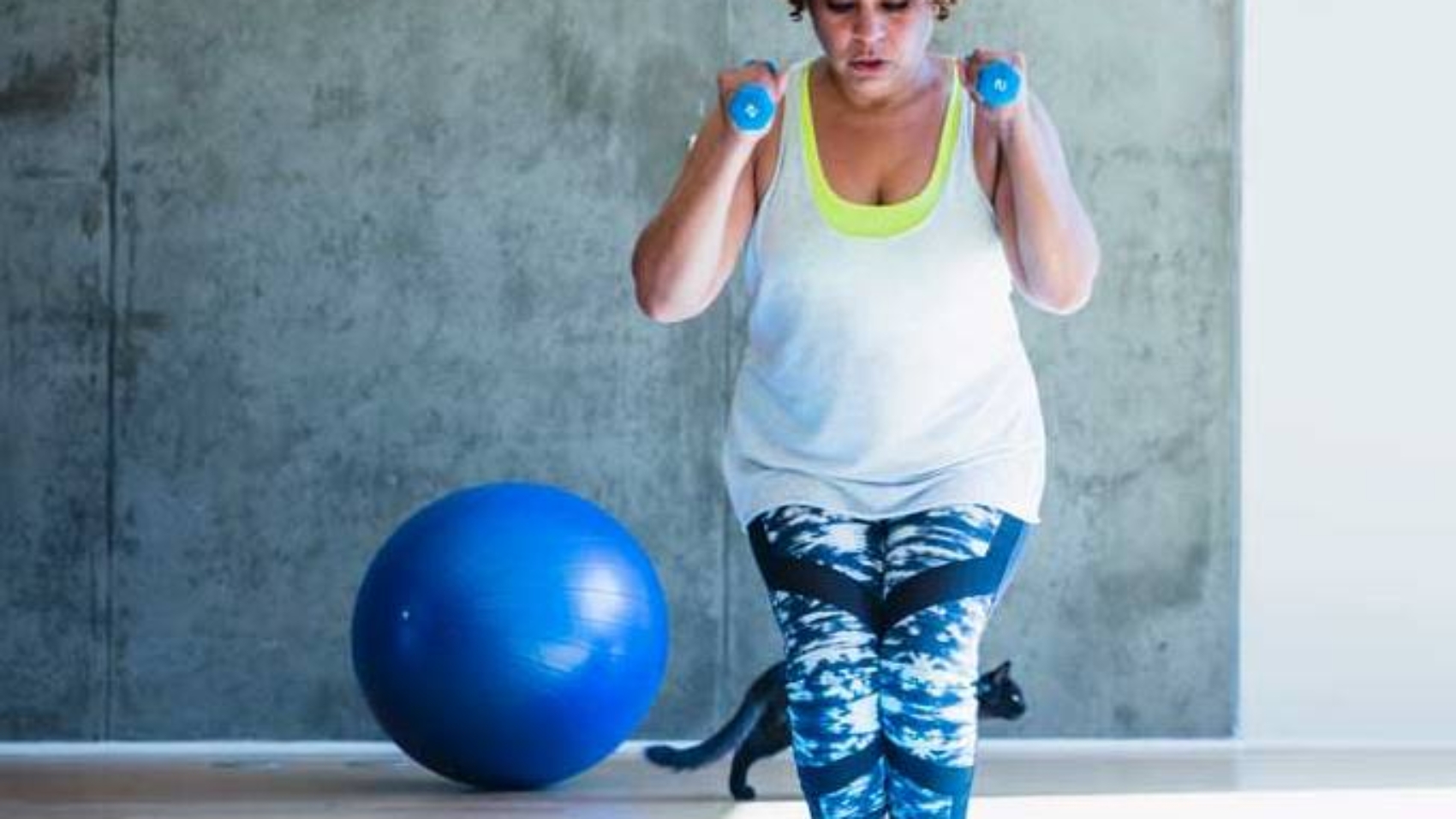
How Do I Lose Weight Long Term?

How Do I Lose Weight Long Term?

How Do I Lose Weight Long Term?

People often ask me what they should do to lose weight long-term so I’ve put together this simple 10 point plan:

Add more plants to your plate – increase the size of vegetable portions.

Cut down on high sugar processed food – if it’s high in sugar, don’t eat it!

Seriously consider cutting out meat – it has no fiber or phytochemicals but lots of fat, especially saturated fat.

Eat more beans/legumes – these contain soluble fiber and resistant starch which feed your good gut bacteria.

Choose healthy fats like avocado, coconut oil, or olive oil – avoid trans fats & polyunsaturated oils found in processed food.

It’s better to get your fats from the origin rather than after it’s been processed. E.g. eat the avocado instead of cooking with the oil.

Drink more water – hydration is key to long-term weight loss success!

8 x 8oz glasses per day.

Eat small portions of nuts as a snack – they’re jam-packed full of micronutrients but can also be high in calories so don’t go overboard!

Cut the booze – alcohol has absolutely no nutritional value and it’s loaded with sugar.

Long-term studies show a correlation between alcohol intake and fat gain, especially around the midriff.

Ensure you’re eating protein with every meal – it regulates your blood sugar levels and primes your metabolism to burn fat.

Protein as your last meal at night will help to burn more fat and aid a good night’s sleep.

Remove refined sugars from your diet completely – these empty calories, found in sweetened drinks and processed food, provide very little in the way of long-term nutrition and can make a huge dent in calorie intake is reduced. Plus, all that glucose going into our system makes us produce more insulin which drives fat storage!

A useful tip for long-term weight loss success is to ensure you’re getting enough long-term nutrients from plant foods like fruit & veg. These add bulk to meals which will help fill you up when trying to cut back on portions.

One easy way to ensure long-term nutrition is to have a fist-sized portion of starchy carbs at each meal, such as potatoes or brown rice. These will fill you up and keep blood sugars stable so energy levels don’t dip – a must for long-term success!

Follow Us On Facebook: https://www.facebook.com/createthatbody

Instagram: https://www.instagram.com/isabella.hawke/
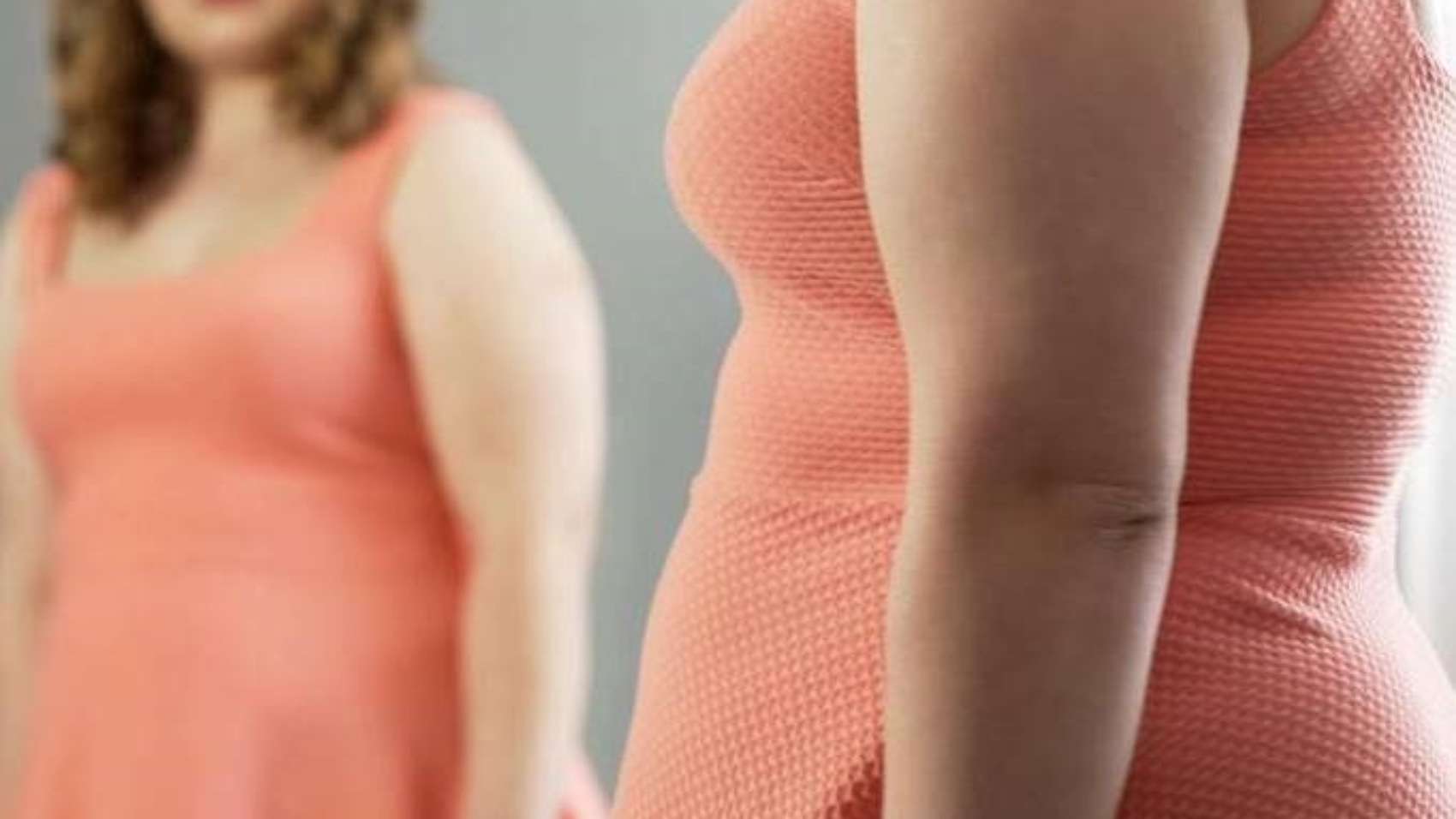
How Are Diabetes And being Overweight Connected?

How Are Diabetes And being Overweight Connected?

How are diabetes and being overweight connected?

Type 2 diabetes can be weight gain-related. A lot of diabetics are obese or overweight because of their lifestyle choices which have lead to weight gain.

A lot of people who have weight problems also have diabetes because they cannot control their lifestyle habits which include bad eating habits and little exercise.

When you eat high amounts of food with poor nutritional value your body is less able to fight off diseases including diabetes.

The reason why weight loss works in the fight to control diabetes is that it reduces the extra stress on your body that obesity causes by giving you more energy while reducing the chance of getting other diseases. It can also lower the risk factors associated with heart disease and other chronic illnesses.

Diet can affect your weight, your weight can affect your diabetes, and diabetes can affect other parts of your body.

So what can we do about it?

One of the most important things to do is to eat a low good fat diet which can help to control weight gain.

Also, cut out the processed food. There is so much bad sugar, salt, and bad fat in proceeded food, no wonder you feel addicted to it.

Weight loss reduces excess stress on the heart by giving it more ability to pump blood throughout the body which means less chance for heart injury.

Heart disease, diabetes, and obesity normally go hand in hand if not sorted out early on.

If weight loss is done improperly through too much exercise, starvation, or fad diets then it could lead to malnutrition or even worse health problems that are equally bad or worse than obesity itself.

Faddy weight loss programs

Two of the worst weight loss programs for long-term good health are the Keto diet and the Leptin diet.

Leptin resistance is a weight loss strategy where insulin levels are lowered so people feel full after they eat less food but this can cause hypogonadism in men leading them towards infertility, impotence, and loss of muscle weight.

The end weight loss is a lifestyle disease that can be cured with a plant-based diet, consuming whole foods such as grains, pulses, vegetables, and fruit.

Eating a plant-based diet will not only help you to reduce or reverse your lifestyle illnesses but it will help you to drastically lose weight fast. And, what’s more, you’ll feel full of energy and on top of the world.

How are you dealing with your diabetes?

Follow Us On Facebook: https://www.facebook.com/createthatbody

Instagram: https://www.instagram.com/isabella.hawke/
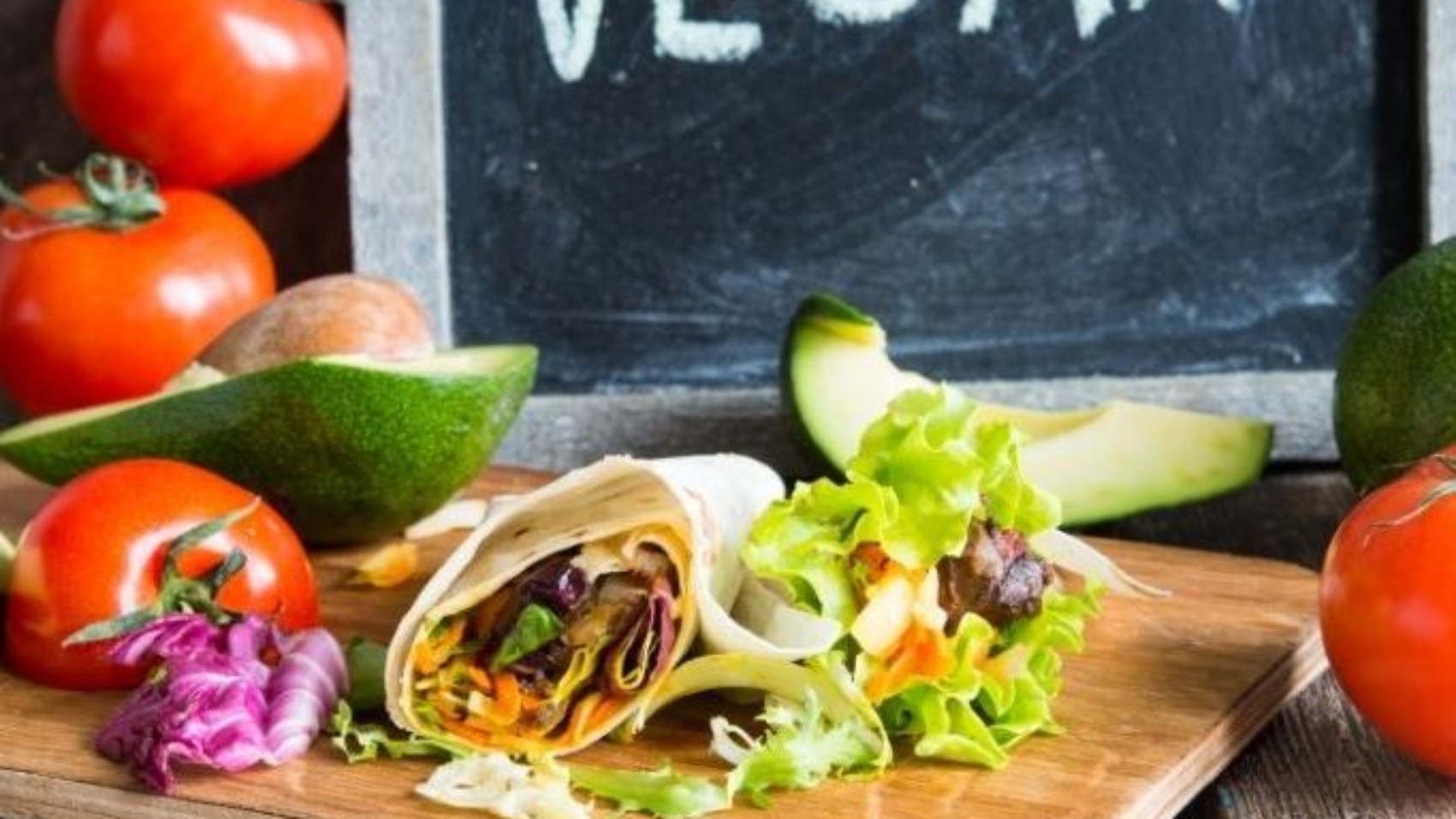
Go Vegan Or Go Home

Go Vegan Or Go Home

Go vegan or go home! 

I see this a lot on the internet and social media. Now, whenever I hear this phrase, I imagine all of my friends going vegan together… All eating meat-free meals together while standing in the kitchen making jokes about lentils. But this isn’t the case.

A lot of people either aren’t ready to change, don’t take their health seriously, or just don’t know where to start.

We all have to start somewhere and not everyone starts at the same point. In fact, most people I come across start off hating having to eat plants but by the time I’ve shown them plants can taste just as nice, be way more interesting, and have 10 x as much nutritional value than your average meat/dairy/processed meals they change their minds.

All of us plant-eaters have a different story to tell about how we came to choose a plant-based diet.

Some people have been plant-based since birth, some people are plant-based for religious or philosophical and ethical reasons, and others just wanted to try something new for health reasons.

Are you plant-curious?

Plant-based food can be very yummy! It isn’t just tofu and salad you know… Plant-based food is pizza, chili cheese fries, curry, burritos, quesadillas, brownies – you name it and we’ve got it.

The key though is in keeping it healthy. Not all plant-based food is healthy. Some of the meat substitutes can be loaded with sugar, fat, and additives just like meat products.

So the best thing to do is to eat home-cooked food from whole foods and try to avoid processed food or food that is covered or cooked in oil.

 Here are some plant-based food ideas to get you started:

Breakfast

A plant-based breakfast can be easy.

Some plant-based breakfast staples are whole grain cereals, oatmeal with fruit, plant milk on cereal or in smoothies, toast with plant milk or plant butter, plant yogurt parfaits with fruit, plant yogurt, and granola. oh my goodness the list goes on.

For an added plant-based protein power boost you could add protein powder to your smoothie – just pop the powder into the blender with the fruit, then blend!

If you find that you are craving eggs try tofu scramble or porridge. For porridge just boil water and pour over rolled oats then add plant milk and plant butter or jam.

Lunch

A plant-based lunch can be very interesting and less bland than normal lunches. Some plant-based lunch staples to consider are sandwiches on whole-grain bread, soups, salads with plant cheese or plant yogurt, wraps with hummus or plant cream cheese, and vegetables. Again, there is a large list of plant-based lunch options available.

If you are one of those people that still needs a ham sandwich at lunchtime, no problem. There are plant-based hams that have the same texture and taste as the real thing.

Your favourite is tuna mayo? No problem!

You can make tuna mayo from crushed chickpeas, vegan mayo, salt, pepper, mustard and garlic powder, and some chopped red onion. To be honest, this tastes better than the real thing.

For an added plant-based protein power boost add some crushed nuts to your salad – just pop them into the blender with your oil and vinegar dressing then ligh! y blend.

If you find that you are craving meat try vegetable stew or lentils with a serving of homemade potato fries.

Dinner

Plant-based dinners can be tastier than normal.

However, plant-based diets which are mainly processed often don’t include enough nutrients such as zinc and iron, which can lead to anemia. This can be remedied by adding more green vegetables, nutritional yeast, whole grains, and plant milk to your diet to ensure that you get all the nutrients you need from plant sources!

You should also eat foods high in natural calcium so try adding beans, bok choy, spinach, and kale to your diet daily because these are all great sources of natural calcium.

What was the last tasty meal that you ate?

Follow Us On Facebook: https://www.facebook.com/createthatbody

Instagram: https://www.instagram.com/isabella.hawke/