Juice Cleanse vs. Detox: What's the Difference?

Juice Cleanse vs. Detox: What’s the Difference?

Juice Cleanse vs. Detox: What’s the Difference?

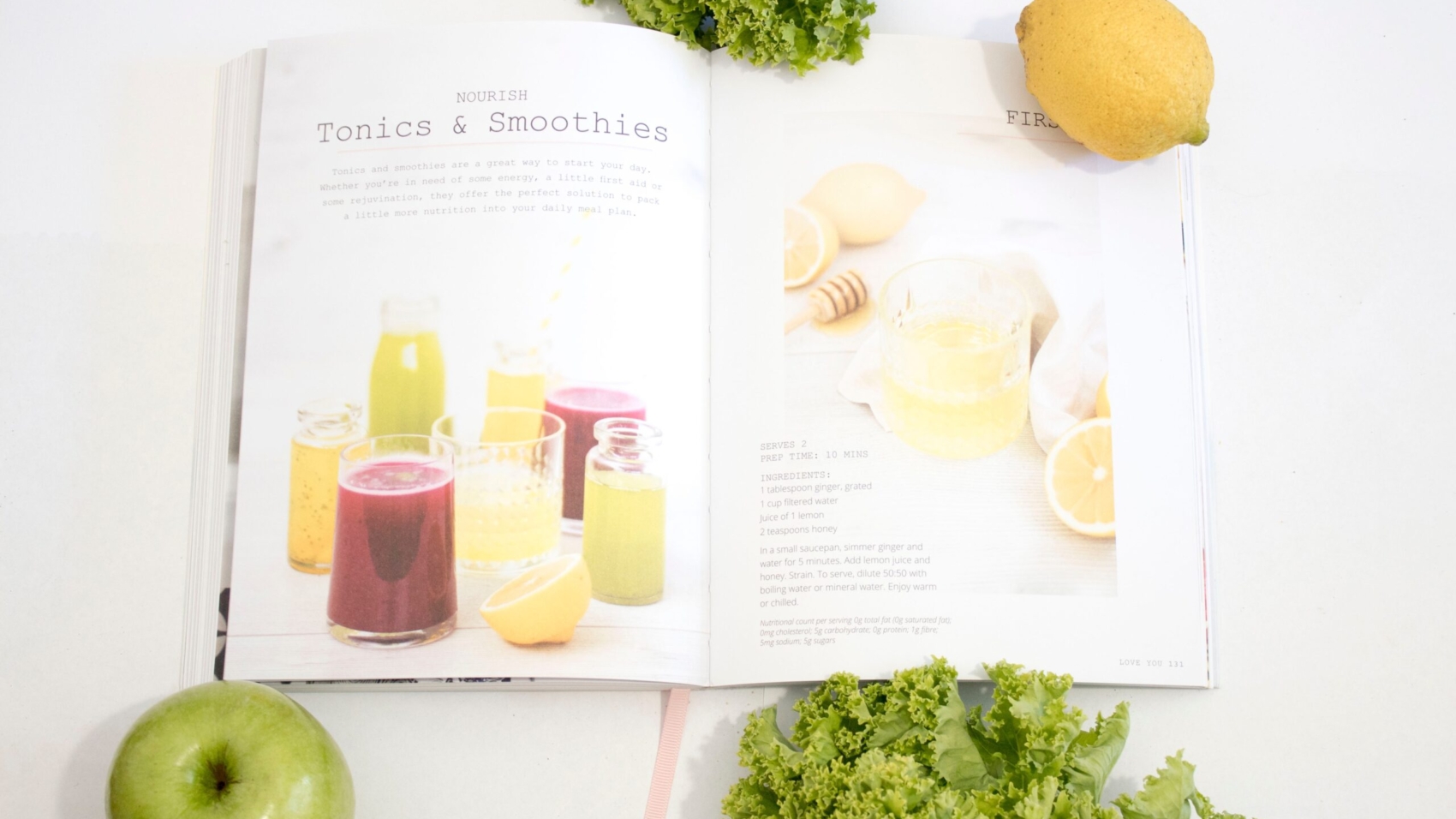
Juice cleanses and detoxes have become increasingly popular in recent years as a way to improve health and lose weight. However, with so many options available, it can be difficult to know which one is right for you. In this article, we’ll explore the differences between juice cleanses and detoxes, and provide tips to help you choose the best option for your health goals.

What is a juice cleanse?

A juice cleanse is a type of diet where a person consumes only fruit and vegetable juices for a certain period of time, usually ranging from one to seven days. The idea behind a juice cleanse is to give the digestive system a break from solid foods and flood the body with nutrients from fresh juices. Some people also use juice cleanses as a way to jumpstart weight loss or detoxify the body. However, it’s important to note that there is limited scientific evidence to support the effectiveness of juice cleanses for these purposes.

What is a detox?

A detox is a process of removing toxins from the body through various methods, such as diet, exercise, and lifestyle changes. Unlike a juice cleanse, a detox can be tailored to an individual’s specific needs and health goals. Detoxes can range from short-term, like a one-day juice fast, to long-term, like a month-long elimination diet. The goal of a detox is to support the body’s natural detoxification processes and improve overall health and well-being. It’s important to consult with a healthcare professional before starting any detox program.

Benefits and drawbacks of a juice cleanse.

A juice cleanse involves consuming only fruit and vegetable juices for a set period of time, typically three to seven days. The benefits of a juice cleanse include increased intake of vitamins and minerals, improved digestion, and weight loss. However, there are also drawbacks to a juice cleanse, such as a lack of protein and fiber, which can lead to hunger and fatigue. Additionally, some people may experience side effects like headaches, dizziness, and nausea. It’s important to consult with a healthcare professional before starting a juice cleanse, especially if you have any underlying health conditions.

Benefits and drawbacks of a detox.

A detox, on the other hand, involves eliminating certain foods or toxins from your diet for a set period of time, typically one to two weeks. The benefits of a detox include improved digestion, increased energy, and clearer skin. However, like a juice cleanse, there are also drawbacks to a detox. Eliminating certain foods can lead to nutrient deficiencies and hunger, and some people may experience side effects like headaches and fatigue. It’s important to consult with a healthcare professional before starting a detox, especially if you have any underlying health conditions.

Which option is best for you?

The best option for you depends on your health goals and current lifestyle. If you’re looking for a quick way to jumpstart weight loss or reset your eating habits, a juice cleanse may be a good option. However, if you’re looking for a more sustainable approach to improving your overall health, a detox may be a better choice. It’s important to consult with a healthcare professional before starting either option to ensure it’s safe for you and to discuss any potential risks or side effects.

In conclusion, both juice cleanses and detoxes have their benefits and drawbacks, and the best option for you depends on your individual health goals and needs. Whether you choose a juice cleanse or detox, it’s important to consult with a healthcare professional before starting to ensure that it’s safe for you and to discuss any potential risks or side effects. Ultimately, the most important thing is to prioritize your health and make choices that support your overall well-being. So, take the time to do your research, make an informed decision, and take the necessary steps to achieve your health goals. You might even find that a 7-day smoothie diet is more beneficial.


Download our FREE 7-day Juice recipes booklet

Looking for help and support: Book a strategy call 

Looking for FREE plant-based recipes

how to get bigger arms without weights

How to Get Bigger Arms Without Lifting Weights

How to Get Bigger Arms Without Lifting Weights – a Complete Guide

If you’re looking to build bigger arms but don’t have access to weights or a gym, don’t worry! There are plenty of effective exercises and techniques you can use to build arm muscles using just your body weight. In this guide, we’ll show you how to get bigger arms without weights.

Understand the Anatomy of Your Arms.

Before you start any arm workout, it’s important to understand the anatomy of your arms. Your arms are made up of three main muscle groups: the biceps, triceps, and forearms. The biceps are located on the front of your upper arm and are responsible for flexing your elbow and rotating your forearm. The triceps are located on the back of your upper arm and are responsible for extending your elbow. The forearms are located between your elbow and wrist and are responsible for wrist and finger movements. Understanding these muscle groups will help you target them effectively during your workouts.

Incorporate Isolation Exercises.

Isolation exercises are a great way to target specific muscle groups in your arms. These exercises involve moving only one joint at a time, which allows you to focus on a particular muscle group. Some examples of isolation exercises for your biceps include bicep curls, hammer curls, and concentration curls. For your triceps, you can try tricep extensions, tricep kickbacks, and skull crushers. Incorporating isolation exercises into your arm workout can help you build muscle and increase definition in your arms.

Use Resistance Bands.

Resistance bands are a great alternative to weights for building arm muscles. They come in different levels of resistance, so you can choose the one that works best for you. Resistance bands can be used for a variety of exercises, including bicep curls, tricep extensions, and shoulder presses. They are also lightweight and portable, making them a convenient option for working out at home or on the go. Incorporating resistance bands into your arm workout can help you build strength and muscle definition without the need for weights.

Implement Progressive Overload.

Progressive overload is a key principle in building muscle, whether you’re using weights or bodyweight exercises. It involves gradually increasing the intensity or difficulty of your workouts over time to continue challenging your muscles and promoting growth. With bodyweight exercises, you can implement progressive overload by increasing the number of reps or sets you do, or by making the exercises more challenging (e.g. by doing push-ups with your feet elevated). By consistently pushing yourself to do more than you did in your previous workout, you can stimulate muscle growth and get bigger arms without lifting weights.

It is very possible to get bigger arms without weights and from home. You don’t need a gym membership to accomplish toned arms, just dedication, drive, and the motivation to look and feel good without sleeves.

Are you interested in a coaching program that can get you the results that you are looking for? Look no further, we have coaching programs for everyone but is tailored to your individual needs. We suggest you start with the Time For You coaching program, aimed at people wanting to tone up, lose weight, and keep it off long-term.

Not sure what you need? No problem let’s find out, book your FREE strategy call today

Need help with finding the right plant-based recipes for your palette, no problem, there are tonnes of plant-based recipes on our sister site that you may like.

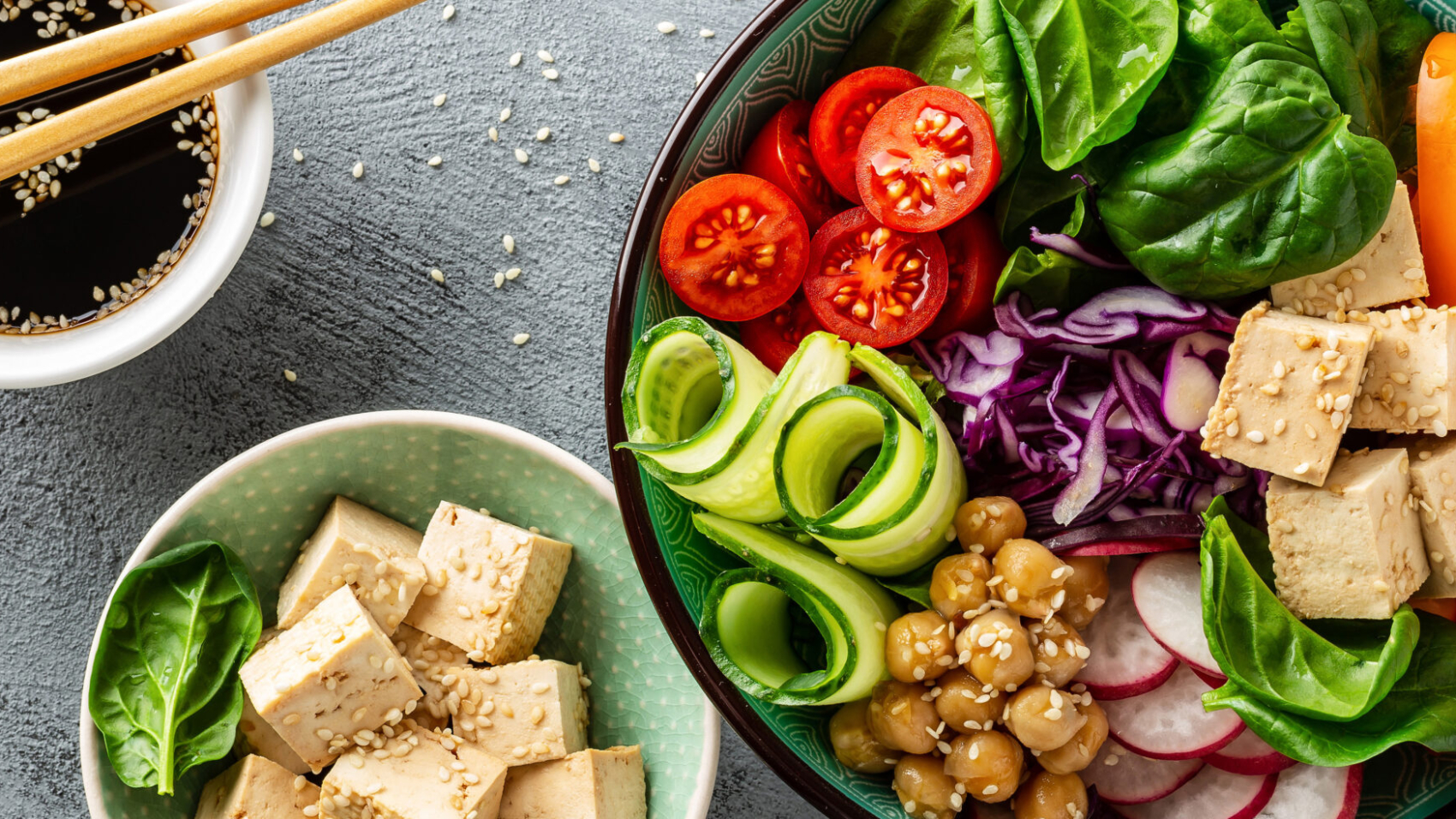
plant-based advice and recipes - buddha bowl

Plant-Based Eating: The Ultimate Guide

Plant-based eating is a lifestyle that focuses on consuming foods that come from plants, such as fruits, vegetables, grains, and legumes. This guide offers tips and advice for those who are interested in adopting a plant-based diet, including delicious recipes and expert insights on the benefits of this way of eating. Whether you’re a seasoned vegan or just starting out, this guide has something for everyone.

What is plant-based eating?

Plant-based eating is a lifestyle that emphasizes consuming foods that come from plants, such as fruits, vegetables, grains, and legumes. This way of eating is often associated with veganism, but it can also include small amounts of animal products, such as dairy or eggs. Plant-based eating is known for its health benefits, including reducing the risk of chronic diseases such as heart disease, diabetes, and certain types of cancer. It is also a more sustainable and environmentally friendly way of eating, as it requires fewer resources and produces less waste than a diet heavy in animal products.

Benefits of a plant-based diet.

There are numerous benefits to adopting a plant-based diet. One of the most significant is the reduced risk of chronic diseases such as heart disease, diabetes, and certain types of cancer. Plant-based foods are also typically lower in saturated fat and cholesterol, which can help improve overall heart health. Additionally, plant-based eating is more sustainable and environmentally friendly, as it requires fewer resources and produces less waste than a diet heavy in animal products. Finally, many people report feeling more energized and experiencing better digestion when they switch to a plant-based diet.

Tips for transitioning to a plant-based diet.

Transitioning to a plant-based diet can be challenging, but it doesn’t have to be overwhelming. Start by incorporating more plant-based meals into your diet gradually. Experiment with new recipes and try swapping out meat for plant-based protein sources like beans, lentils, and tofu. It’s also important to make sure you’re getting enough nutrients, such as protein, iron, and vitamin B12, which can be more challenging to obtain on a plant-based diet. Consider consulting with a registered dietitian to ensure you’re meeting your nutritional needs.

Essential nutrients to include in a plant-based diet.

While a plant-based diet can provide many health benefits, it’s important to make sure you’re getting all the essential nutrients your body needs. Some key nutrients to focus on include protein, iron, calcium, vitamin B12, and omega-3 fatty acids. Good sources of plant-based protein include beans, lentils, tofu, tempeh, and seitan. Leafy greens, nuts, and seeds are great sources of calcium, while iron can be found in beans, lentils, fortified cereals, and dark leafy greens. Vitamin B12 is primarily found in animal products, so it’s important to supplement or consume fortified foods like plant-based milks and cereals. Omega-3 fatty acids can be obtained from sources like flaxseeds, chia seeds, and walnuts.

Delicious plant-based recipes to try.

Eating a plant-based diet doesn’t mean sacrificing flavor or variety. In fact, there are countless delicious and satisfying recipes to try. Some popular options include vegan lasagna, lentil soup, roasted vegetable tacos, and quinoa salad. For breakfast, try a smoothie bowl topped with fresh fruit and nuts, or avocado toast with a sprinkle of nutritional yeast. And for dessert, indulge in a vegan chocolate cake or homemade fruit sorbet. With so many options, you’ll never get bored with plant-based eating.

In conclusion, transitioning to a plant-based diet can be a rewarding and fulfilling journey. By following the tips and recipes in this ultimate guide, you can improve your health, reduce your environmental impact, and contribute to a more sustainable future. Remember to take it one step at a time, experiment with new foods and flavors, and don’t be too hard on yourself if you slip up. With time and practice, plant-based eating will become second nature.


So, what are you waiting for? Start incorporating more plant-based meals into your diet today and see the positive changes it can bring to your life.


Need access to tonnes of FREE plant-based recipes, look no further as our sister site is full of recipes to keep to full and nourished.

Need a coach to help you keep on track to achieve your goals, look no further. Book your FREE strategy call today.

Why Live The Plant-based Way Of Life

The plant-based way of life is gaining more and more traction, with an ever-growing number of people turning towards this style of living for a variety of reasons. Not only does it benefit our health but it also benefits the planet too. For example, choosing to follow a plant-based diet can reduce your carbon footprint by up to 73%.

When compared to the average American diet, the environmental advantages are clear – fewer emissions from intensive livestock farming, less water waste in food production, and no need for deforestation to create space for animal agriculture. The direct environmental benefits are tangible; however, there are many other indirect environmental benefits as well that often go unnoticed. Such as better soil health due to crop rotation meaning there’s less need for fertilizers and pesticides, which are harmful to the environment.

The lifestyle also supports animal welfare; allowing animals to live without human interference in their natural habitats and safeguarding them from exploitation. Additionally, the plant-based approach saves resources; using fewer resources naturally translates into a reduction in waste and pollution.

Switching to this way of life is not only beneficial for our planet but it can also benefit us as individuals too – it has been known to lead to improvements in physical health such as lower cholesterol levels and improved overall well-being. It may even be associated with a reduced risk of some types of cancers due to its higher content of protective antioxidants and other key nutrients that do not occur in animal products.

Many people find transitioning to a plant-based lifestyle to be daunting, however, it is not as difficult as some may think. There are countless online sources offering advice on how to get started and adapt your diet and lifestyle accordingly – from helpful recipes and meal plans to guides on reading product labels, understanding food ethics, and where to buy quality produce.

Choosing a plant-based life is certainly an effective way of leading a healthier, happier life while also contributing positively towards the environment. So why not give it a go? You owe yourself the opportunity of improved well-being, satisfaction with your decisions, and peace of mind that you’re helping build a better future for generations to come.

The plant-based way of life may just be the answer to a healthier you and greener planet.

To read our latest blog click here: What Body Type Are You?

Follow Us On FacebookInstagram

Who Are The World’s Top Six Plant-based Medical Doctors

Who Are The World’s Top Six Plant-based Medical Doctors

Dr. Joel Fuhrman is an American physician and author, who promotes a plant-based diet as the primary source of nutrition for optimal health. According to Dr. Fuhrman, eating a vegan or vegetarian diet can reduce the risk of developing chronic diseases such as heart disease and diabetes, lower cholesterol levels, help people maintain/lose weight and improve overall energy levels. Dr. Fuhrman also advocates for using food to promote longevity and prevent disease rather than relying on medications to treat illness after it occurs.

Dr. Michael Greger is a physician and author whose research focuses on improving public health through proper nutrition based on scientific evidence. His most popular book How Not To Die has sold over one million copies. Dr. Greger emphasizes the importance of a plant-based diet and has stated that “there is no such thing as a health-promoting animal product”. He also advocates for eating whole, unprocessed foods like fruits, vegetables, beans and nuts to reduce the risk of chronic disease and maintain good health.

Dr. Neal Barnard is an American physician, author, clinical researcher and founder/president of the Physicians Committee for Responsible Medicine (PCRM). Dr. Barnard promotes a vegan lifestyle as essential for achieving optimal health and longevity. He believes that a vegan diet can help prevent heart disease, type 2 diabetes, cancer and numerous other chronic diseases by reducing inflammation in the body. He also suggests incorporating plant-based foods like nuts and seeds, whole grains, fruits and vegetables into one’s diet for better health.

Dr. T. Colin Campbell is an American biochemist and professor emeritus at Cornell University who is a leading proponent of plant-based nutrition. His book The China Study has sold over one million copies worldwide, making it one of the best-selling books on nutrition ever published. Dr. Campbell believes that eating animal products can contribute to many chronic diseases and strongly advocates for a vegan lifestyle as the key to achieving optimum health and preventing disease.

Dr. Caldwell Esselstyn Jr., MD is an American surgeon and researcher who promotes plant-based diets for optimal health. He suggests avoiding all animal products, including dairy and eggs, as well as processed foods and oils to reduce the risk of heart disease and other chronic illness. Dr. Esselstyn also believes that a plant-based diet can reverse certain types of heart conditions, such as those caused by plaque build-up in the blood vessels. He advocates for eating a diet rich in fruits, vegetables, whole grains, legumes and nuts to improve one’s health and wellbeing.

Dr. Michael Klapper is an American board-certified family physician who specializes in plant-based nutrition. He believes that a vegan or vegetarian diet is the best way to prevent chronic illness and promote health and longevity. Dr. Klapper suggests eating more organic foods, avoiding processed foods, focusing on nutrient-dense plant-based proteins like legumes and nuts, and increasing one’s intake of fruits, vegetables and whole grains for better health.

These six doctors are some of the most influential advocates of a plant-based lifestyle around the world today. Their research highlights the importance of adopting a vegan or vegetarian diet for better long-term health outcomes. Whether you’re looking to reduce your risk of developing certain illnesses or just want to maintain a healthy lifestyle, these doctors’ recommendations are worth considering. By following their expert advice, you can start to reap the health benefits of a vegan or vegetarian diet and create a healthier, more sustainable lifestyle for yourself.

The scientific evidence on the health benefits of a plant-based diet is clear: it can help reduce your risk of developing chronic diseases like heart disease, type 2 diabetes, and certain types of cancer; lower cholesterol levels; help people maintain/lose weight and improve overall energy levels. Eating a nutritious vegan or vegetarian diet can also be beneficial for mental health by providing important vitamins and minerals that contribute to improved moods and cognitive functioning.

By listening to what top experts in the field have to say about plant-based diets, you can make an informed decision about how to eat for your own health. With the help of these plant-based doctors, you can start making healthier choices for yourself and your family today.

To watch some of their conversations with me Isabella Hawke go to my YouTube channel now: https://bit.ly/3I4KdMW

To read our latest blog click here: How To Improve Your Gut Biome With A Plant-Based Diet

Follow Us On FacebookInstagram

How To Improve Your Gut Biome With A Plant-Based Diet

How To Improve Your Gut Biome With A Plant-Based Diet

Research has shown that a plant-based diet is beneficial to a healthy gut biome. Plant-based foods are rich in prebiotics and probiotics, which promote the growth of good bacteria in the digestive system. These foods also contain high levels of dietary fiber, which helps keep the gut microbiome balanced and allows for proper digestion.

Eating a variety of whole grains, fruits, vegetables, nuts, seeds, beans and legumes can provide your body with essential vitamins and minerals while promoting the growth of beneficial bacteria in the digestive tract. Additionally, these foods help to reduce inflammation throughout the body by providing necessary antioxidants as well as reducing cholesterol levels.

It is important to include fermented foods such as kimchi and sauerkraut in your plant-based diet as they are rich in probiotics, which support the growth of good bacteria in the gut. Fermented foods also help to break down food during digestion, aiding in proper nutrient absorption.

Additionally, it is important to reduce your intake of processed and sugary foods as these can disrupt the balance of your microbiome. Instead, focus on consuming whole foods that are packed with vitamins, minerals and beneficial bacteria.

By incorporating more plants into your diet and reducing processed and sugary foods, you will be able to improve your gut health and overall wellbeing!

Making lifestyle changes can seem daunting at first, but by having a balanced plan that includes a variety of whole grains, fruits, vegetables, nuts, seeds and legumes you can improve your gut biome with a plant-based diet. Eating fermented foods such as kimchi and sauerkraut and reducing processed and sugary foods will also help to promote a healthy gut microbiome. With the right dietary changes, your body will thank you for it in the long run!

1. Eat fermented foods: Eating fermented foods, such as sauerkraut, kimchi, miso and tempeh, can help to repopulate your gut with beneficial bacteria. Fermented foods also contain probiotics, which are beneficial bacteria that are known to improve digestion and balance the gut biome. Additionally, fermented foods have been shown to reduce inflammation in the body and improve overall health.

2. Include prebiotic-rich plant foods: Prebiotics are types of fibers found naturally in plants that feed good bacteria and support the growth of beneficial microbes in the gut. Some examples of prebiotic-rich plant foods include onions, garlic, bananas and artichokes. Adding these types of foods to your diet can help increase the diversity of beneficial bacteria in your gut and improve overall digestive health.

3. Reduce stress: Stress has a negative effect on the gut biome, as it disrupts the balance of good and bad bacteria in the digestive system. To reduce stress, try to get plenty of sleep, practice relaxation techniques such as yoga or mindfulness meditation and engage in activities that bring you joy. Taking steps to reduce stress will help keep your gut biome balanced and healthy.

4. Avoid processed foods: Processed foods are often high in sugar and refined carbohydrates, which can disrupt the balance of good and bad bacteria in the gut. Additionally, processed foods may contain artificial ingredients that can be damaging to your gut biome. To keep your gut healthy, focus on eating whole plant-based foods instead.

5. Exercise regularly: Exercise has a positive effect on the gut biome, as it increases blood flow to the digestive system and helps promote regular bowel movements. Aim for at least 30 minutes of physical activity each day to help maintain a healthy balance of bacteria in your gut. Additionally, exercising outdoors has been shown to have additional benefits for digestion due to exposure to beneficial microbes in soil and air.

By following these steps, you can improve your gut biome and overall health with a plant-based diet. Eating a variety of fiber-rich fruits and vegetables, as well as fermented foods and prebiotic-rich plants, will help to increase the diversity of beneficial bacteria in the gut and reduce inflammation. Additionally, reducing stress levels is key for maintaining balance in the gut biome. With these tips, you can easily improve your digestive health with a plant-based diet.

To read our latest blog click here: Five Reasons To go Vegan

Follow Us On FacebookInstagram

Mixed Winter Veggie Curry With Poppy Seeds

Mixed Winter Veggie Curry With Poppy Seeds

Nothing is more comforting than a warm curry laced with delicious spices, and this vegan Indian dish really hits the nail on the head. Green beans, carrots, potatoes, and cauliflower are cooked in the savory homemade curry sauce, which gets an extra pop of flavor from toasted poppy seeds. Ready in under half an hour, this is a great weeknight recipe for days when you’re short on time but don’t want to skimp on flavor.

This is a nourishing dish showcasing the rich taste of Indian curry—it’s perfect when paired with steamed rice. The word curry comes from the southern Indian word kari, which means “sauce”—and if you’re used to cooking with store-bought curry powder, you’ll be amazed by the flavor in this homemade sauce.

INGREDIENTS

  • 1 cup green beans, trimmed, cut into ¼-inch pieces
  • 2 carrots, peeled and sliced
  • 1 medium potato, chopped (about 1 cup)
  • 1 cup cauliflower florets
  • ½ teaspoon cumin seeds
  • 3 tablespoons white poppy seeds
  • 1 small yellow onion, peeled and finely chopped
  • 1 clove garlic, peeled and minced
  • ½ teaspoon grated ginger
  • ⅛ teaspoon ground cloves
  • ⅛ teaspoon ground cinnamon
  • Pinch ground cardamom
  • ¼ teaspoon freshly ground black pepper, or to taste
  • ½ teaspoon turmeric
  • 1 medium tomato, chopped (about 1 cup)
  • 1 teaspoon salt, or to taste
  • 2 tablespoons raw cashews, finely ground (see chef’s note)
  • ½ tablespoon fresh lime juice
  • 1 tablespoon chopped cilantro

INSTRUCTIONS

  1. Steam the green beans, carrots, potato, and cauliflower in a double boiler or steamer basket for 8 to 10 minutes, or until tender. Set aside.
  2. In a dry skillet over medium-low heat, toast the cumin seeds for 2 minutes. Add the poppy seeds and toast for another 2 to 3 minutes until the poppy seeds begin to brown. Remove from the heat and let cool. Combine the toasted seeds, onion, garlic, ginger, cloves, cinnamon, cardamom, pepper, and turmeric in a blender and process into a thick paste. Add the paste to a large skillet and cook on medium heat for 5 to 7 minutes.
  3. Add the tomato to the blender and puree until smooth. Add the tomato puree and salt to the onion paste in the skillet and cook for another 2 to 3 minutes. Add the cashew powder and cook for 2 minutes. Add the steamed vegetables, lime juice, and 1½ cups of water and bring the mixture to a boil. Remove the pan from the heat and serve garnished with the cilantro.

         Notes: Use a spice grinder to grind the raw cashew nuts into a fine powder.

View List Of All Recipe On Create That Body

Learn More About Isabella Hawke | Follow Us On Facebook | Instagram

Hearty Kale Salad With Warm Citrus And Wheat Berries

Hearty Kale Salad With Warm Citrus And Wheat Berries

Your standard kale salad gets a delicious upgrade with baked citrus segments, chewy wheat berries, and a zesty mustard vinaigrette. This recipe is particularly delicious in the winter months when you’re craving a warm meal that’s still packed with nutritious veggies. The heat from the cooked citrus and wheat berries gently wilts the kale and softens its earthy flavor so every bite is tender and satisfying. A simple garnish of fresh chives and crunchy walnuts really takes this salad to the next level!

Tip: For 3 cups cooked wheat berries, combine 1½ cups dry wheat berries and 6 cups water in a saucepan. Bring to boiling; reduce heat. Cover and simmer for 45 to 60 minutes or until tender. Drain any remaining water; cool. Place in an airtight container and chill up to 5 days.

INGREDIENTS

  • 8 kumquats, halved
  • 4 navel or Cara Cara oranges, peeled and sliced
  • 2 tangerines, peeled and sliced
  • 1 pink or red grapefruit, peeled and sliced
  • 2 tablespoons orange juice
  • 1 tablespoon pure maple syrup
  • ¼ teaspoon crushed red pepper
  • 4 cups chopped fresh kale, ribs removed
  • 3 cups cooked wheat berries
  • 2 tablespoons red wine vinegar
  • 2 tablespoons lemon juice
  • 1 tablespoon Dijon mustard
  • Sea salt, to taste
  • Freshly ground black pepper, to taste
  • 2 tablespoons chopped fresh chives
  • ¼ cup chopped toasted walnuts

INSTRUCTIONS

  1. Preheat oven to 400°F. Place kumquats, oranges, tangerines, and grapefruit in a 15×10-inch baking pan. In a small bowl combine orange juice, maple syrup, and crushed red pepper. Drizzle over fruit. Bake 35 to 40 minutes or until fruit is just beginning to brown in places. Cool 5 minutes on a wire rack.
  2. In a large bowl toss together kale and wheat berries. Add baked fruit. In a small bowl whisk together vinegar, lemon juice, and mustard. Drizzle over salad and toss gently to combine. Season with salt and black pepper. Sprinkle with chives and walnuts.

View List Of All Recipe On Create That Body

Learn More About Isabella Hawke | Follow Us On Facebook | Instagram

Spiced Eggplant-Stuffed Peppers

Spiced Eggplant-Stuffed Peppers

The melt-in-your-mouth texture of cooked eggplant is the perfect complement to nutty chickpeas, tangy tomatoes, and roasted bell peppers. Whether you’re serving these tasty peppers as a main or a side, they’ll steal the show.

These saucy stuffed peppers feature a hearty mix of spiced chickpeas and tender roasted eggplant. This recipe makes its own rich tomato sauce as the peppers cook, saving time and dirty dishes. To round out the Mediterranean flavors, consider serving with a side of whole wheat couscous.

INGREDIENTS

  • 2 large eggplants (1 lb. each)
  • 1 28-oz. can no-salt-added whole peeled tomatoes
  • 1 clove garlic, minced
  • 2½ teaspoons ground cumin
  • 1¼ teaspoons paprika
  • 1¼ teaspoons ground coriander
  • 1 15-oz. can chickpeas, rinsed and drained (1½ cups)
  • 1 onion, finely chopped (1 cup)
  • 3 cloves garlic, chopped
  • 6 medium yellow and/or green bell peppers

INSTRUCTIONS

  1. Preheat oven to 400°F. Prick both eggplants several times with a fork; place on a rimmed baking sheet. Roast 30 to 35 minutes or until soft all over when touched. Cool about 15 minutes or until easy to handle. Reduce oven temperature to 375°F.
  2. Meanwhile, drain liquid from canned tomatoes into bottom of a 3-qt. baking dish. Add minced garlic, 1½ teaspoons of the cumin, and ¼ teaspoon each of the paprika and coriander; mix well.
  3. Coarsely chop drained tomatoes; spread half of the tomatoes in baking dish. Place the remaining tomatoes in a medium bowl.
  4. Peel and coarsely chop eggplants. Add eggplants, chickpeas, onion, and chopped garlic to bowl with tomatoes. Stir in the remaining 1 teaspoon each cumin, paprika, and coriander.
  5. Cut off pepper tops and set aside; remove seeds and membranes. Spoon eggplant mixture into peppers. Place peppers in the baking dish.
  6. Bake 30 minutes. Place tops on peppers; bake 30 minutes more or until peppers are tender and tops start to brown. Serve warm or at room temperature with pan sauce on the side.

View List Of All Recipe On Create That Body

Learn More About Isabella Hawke | Follow Us On Facebook | Instagram

Vegan Niçoise Salad Bowls

Vegan Niçoise Salad Bowls

Get a taste of southern France with these produce-packed vegan niçoise bowls. Rich artichoke hearts and chewy chickpeas replace tuna and eggs without skimping on the hearty, satisfying flavors of this classic dish. You can use any briny, tangy olive in place of the Kalamatas to give you that classic zing or add a sprinkling of capers if olives aren’t your thing. A luscious tahini dressing brings a creamy element to this bowl of goodness that comes together in a flash.

Ingredients:

  • 1 lb. fingerling potatoes
  • 12 oz. thin green beans (haricots verts)
  • Sea salt, to taste
  • Freshly ground black pepper, to taste
  • 1 12-oz. package frozen artichoke hearts, thawed and quartered
  • ½ cup tahini
  • ¼ cup lemon juice
  • 3 tablespoons chopped fresh parsley
  • 3 cloves garlic, minced
  • ½ teaspoon ground cumin
  • ⅛ teaspoon cayenne pepper (optional)
  • 4 cups butterhead lettuce leaves
  • 1 15-oz. can no-salt-added chickpeas, rinsed and drained (1½ cups)
  • 3 medium tomatoes, cut into wedges
  • ½ cup slivered red onion
  • ¼ cup chopped pitted Kalamata olives
  • 1 tablespoon fresh thyme leaves

Instructions:

  1. Place potatoes in a steamer basket in a large saucepan. Add water to saucepan to just below the basket. Bring to boiling. Steam, covered, 12 minutes or until tender. Transfer potatoes to a large bowl; let cool. Return steamer basket to saucepan. Place green beans in steamer basket. Steam, covered, 5 to 8 minutes or until crisp tender. Remove steamer basket from pan and let beans cool. Season beans and potatoes with salt and pepper. Set artichoke hearts in a colander set in the sink and pour hot water over them; drain well.
  2. For Tahini Sauce, stir together tahini, lemon juice, garlic, cumin, cayenne pepper (if using). Season to taste with salt and pepper. Stir in ¼ cup water, 1 tablespoon at a time, to reach drizzling consistency.
  3. Place lettuce in bowls. Arrange potatoes, beans, artichoke hearts, chickpeas, tomatoes, and onion in bowls. Sprinkle with olives and thyme leaves. Drizzle with Tahini Sauce.

View List Of All Recipe On Create That Body

Learn More About Isabella Hawke | Follow Us On Facebook | Instagram