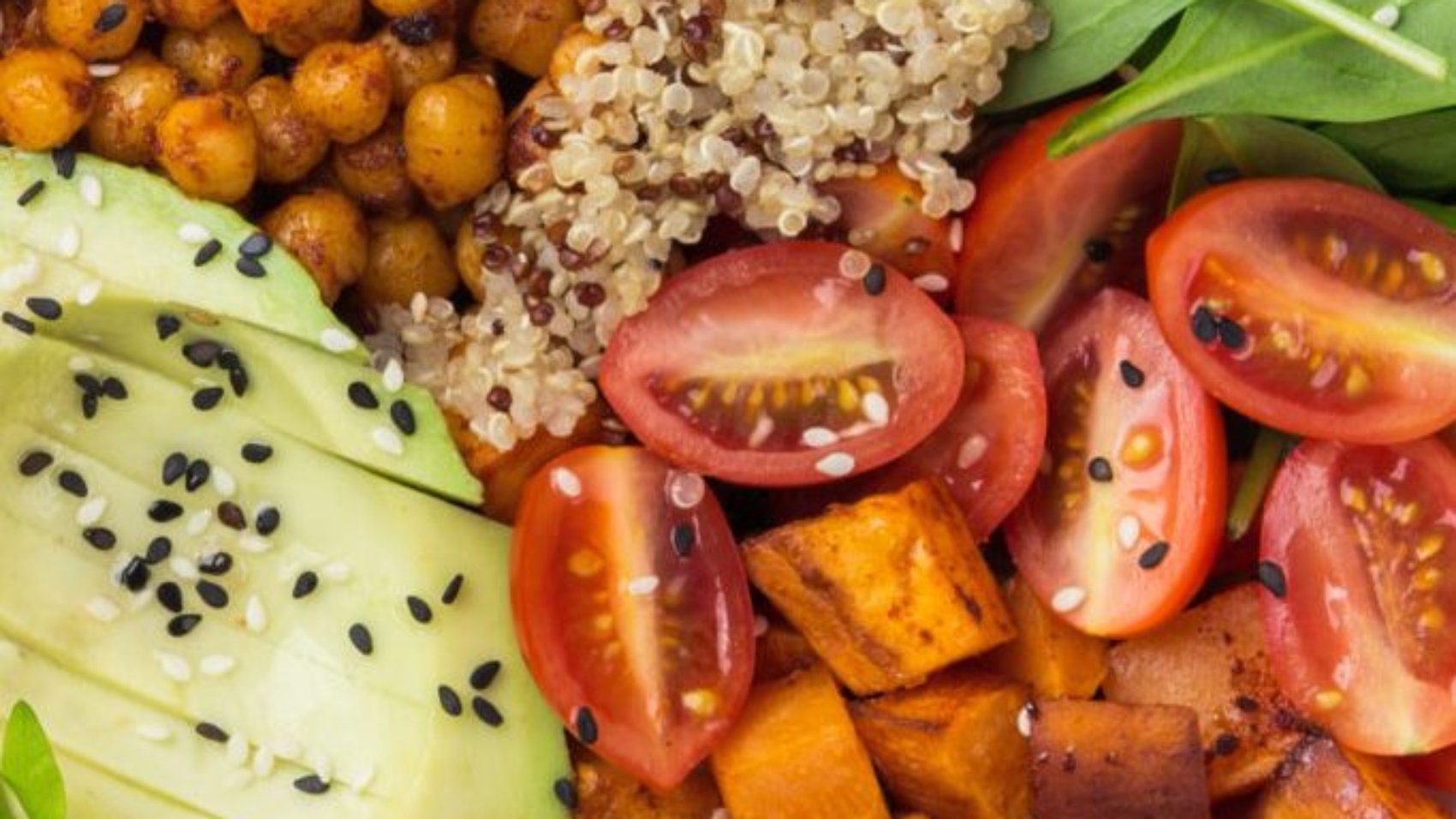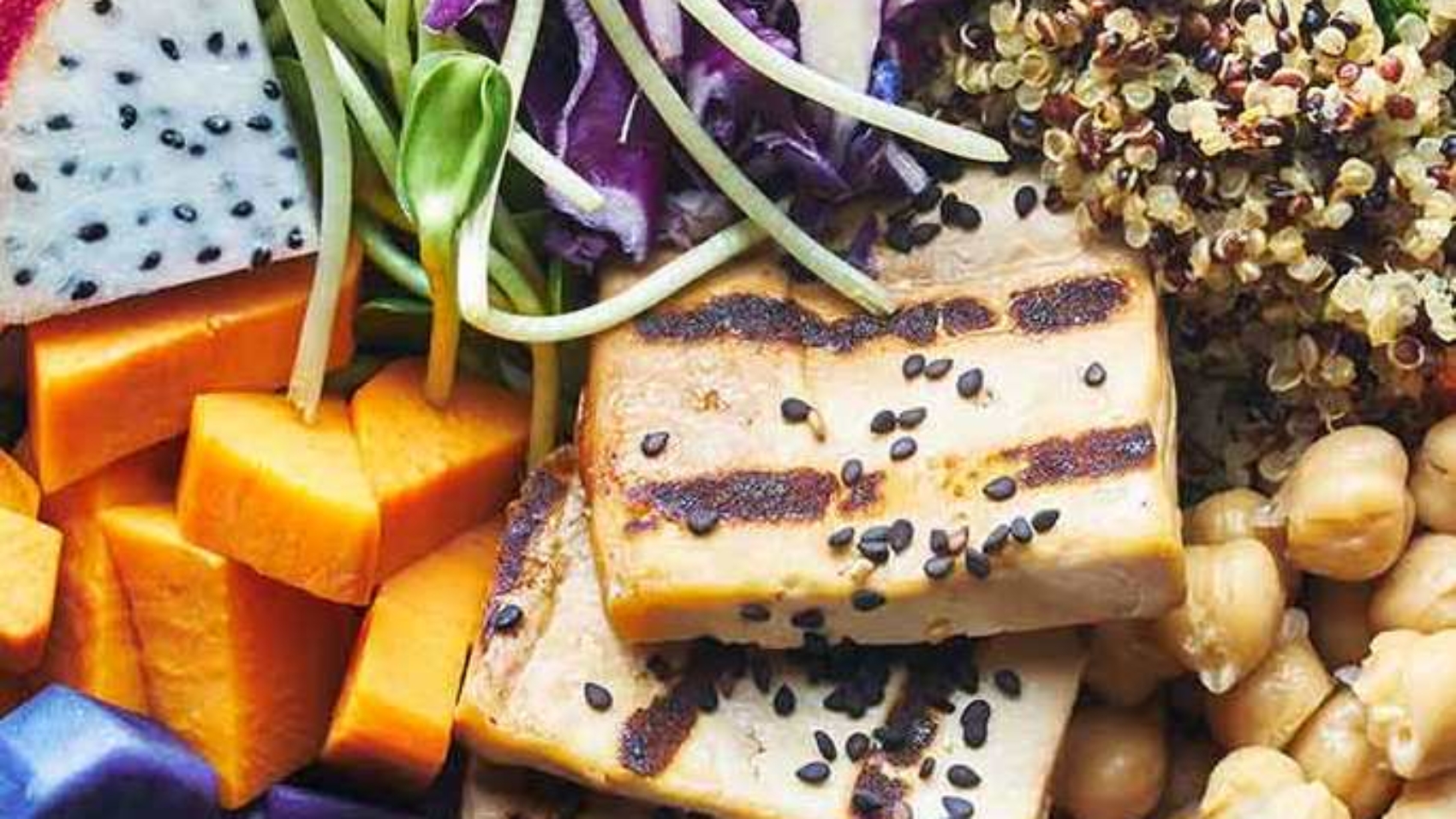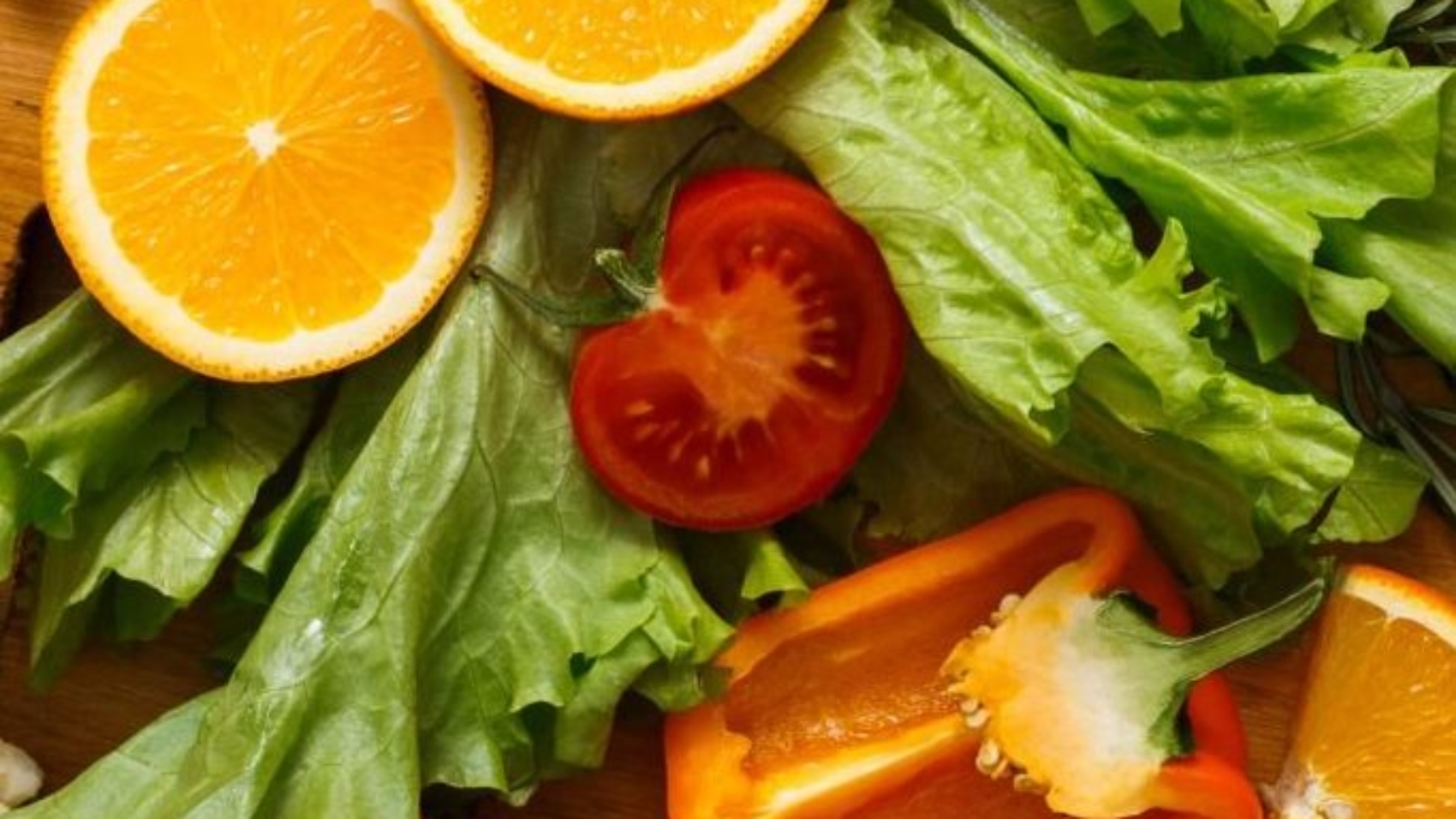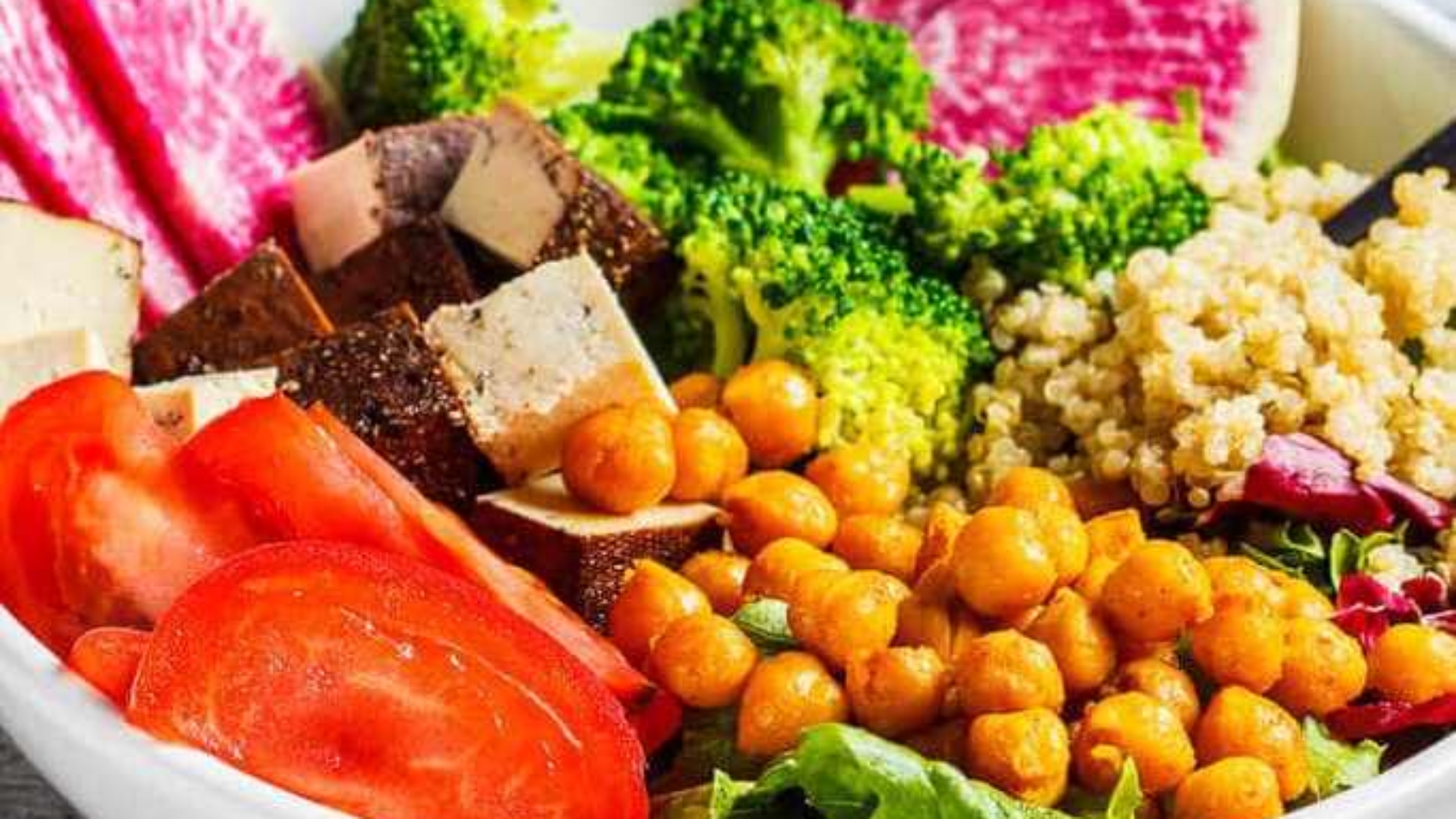
Whole foods, or foods that are close to their natural state, are an essential part of any healthy diet.

Why a Whole Foods Diet Is Healthier Than The standard Western Diet

Introduction

Whole foods, or foods that are close to their natural state, are an essential part of any healthy diet. However, many people still don’t understand just how important it is to eat a wide variety of whole foods and why you should choose them over other types of food. If you want to feel healthier, look better, and live longer—and who doesn’t?—then here’s why eating a whole foods diet is so great for your health:

Reduces inflammation

Inflammation is a normal immune response to injury or infection. Your body sends white blood cells to the site of inflammation, where they release chemicals called cytokines. These cytokines signal other cells in your body to come and help fight off whatever caused the initial injury.

This is good when it happens once every now and then–but if you’re experiencing chronic inflammation, this process can be harmful because it causes your arteries to become narrower (which increases blood pressure) and leads to cell damage throughout your body. Chronic inflammation has been linked with many diseases including cancer and heart disease; research shows that people who suffer from chronic illnesses tend also have higher levels of pro-inflammatory markers in their bodies than those who don’t have these conditions

Promotes weight loss

  • Whole Foods diets are associated with reduced body fat, increased muscle mass and increased metabolism.
  • They also increase energy levels, cognitive function, and overall mood.

May prevent cancer

Studies have found that a plant-based diet may reduce the risk of cancer. One study published in the Journal of Clinical Oncology found that people who ate more fruits, vegetables and legumes had a lower risk of dying from cancer than those who consumed fewer plant foods.

However, more research is needed before we can say for sure whether eating more plant-based foods will help prevent cancer or not.

A whole foods diet has many health benefits.

A whole foods diet has many health benefits. It can reverse lifestyle diseases, such as diabetes and heart disease. It also reduces the risk of cancer, Alzheimer’s disease, arthritis and asthma.

A whole foods vegan diet is one that consists of only plant-based foods with no animal products at all. This type of diet is often recommended for people who are looking to lose weight because it contains high amounts of fiber and nutrients that help you feel full longer than traditional diets do.

Conclusion

A whole foods diet is a great way to improve your health and prevent diseases like cancer. It’s also a good option if you want to lose weight or reduce inflammation in the body. Eating whole foods means consuming fewer processed foods, which have been linked with obesity and other health issues.


The 5 step process for not caring what others think of you

The 5 Step Process For Not Caring What Others Think Of You

Introduction

It’s the worst thing ever when someone says something about you that you don’t agree with or appreciate. You want to defend yourself, but there’s no way to do so without coming off as defensive or rude. So instead of saying anything at all, you just internalise it and wonder what is wrong with you – why this person has a negative opinion of you that isn’t true at all. But here’s the thing: nobody cares as much about what you’re doing or saying as you do! And now that I’ve said that aloud, let’s talk about why it’s true and how we can stop letting other people affect our lives so much.

  1. Know that your happiness is in your hands, not anyone else’s.

The first step is to recognize that your happiness is in your hands, not anyone else’s. This might sound obvious, but it can be easy for us to think of happiness as something that happens to us. We might think that if someone does or says something nice for us and we feel happy, then their actions caused our joyous feelings–but this isn’t true! The truth is that we are responsible for our own happiness. If someone does something nice for me and I am grateful for it and appreciate them (which I should), then my gratitude will make me happier than if I had been angry about being done a favour by them (or anyone else).

Happiness doesn’t come from getting what you want; rather it comes from appreciating what you already have.” –Elizabeth Gilbert

  1. Understand that the opinion of others is none of your business.

The next step is to understand that the opinion of others is none of your business. You have to think about this for a second: how can it be anyone’s job to care what other people think? If you’re going to spend your life worrying about what everyone else thinks, then there will be no time left for you to enjoy yourself or do things that matter in the world.

The most important thing to remember here is not just that other people’s opinions are irrelevant but also that they don’t need or deserve any energy from yours at all! Think back on all the times someone has said something mean or critical about you–what happened? Did anything change because of those words? No! So why would anyone think those words were so powerful? They weren’t; they were just words spoken by someone who didn’t know any better than themselves how little power their words actually had over them (and maybe even over others).

  1. Get rid of all the people who tear you down, in real life and online.
  • If someone is always negative, they are not worth your time. You know the people I’m talking about: they don’t support you and they never have anything good to say. They find fault with everything you do, no matter how much effort or thought went into it.
  • If this sounds like someone close to you (or even yourself), get rid of them! It’s easy enough to ignore their negativity online but if they’re in your life on a regular basis then it will be hard for them not to rub off on you over time.
  • Surround yourself with people who make positive contributions – whether that means sharing ideas or just being supportive when times are tough – rather than bringing everyone else down with their own personal problems or insecurities
  1. Have a strong sense of self-worth and do not wait for someone to validate it for you, because they never will.

Self-worth is not about how much money you have, or what other people think of you. It’s not about what you look like and it’s certainly not about what you do for a living.

Self-worth comes from within, so let me tell you the story of how I learned this lesson myself:

When I was younger, my self-worth was directly related to how many friends I had and whether or not they liked me (which is probably true for most people). If someone didn’t want to hang out with me or said something mean about me–and this happened often–I would feel terrible about myself for days afterward because it was such a blow to my ego and sense of self worth. But then one day something changed; instead of letting other people define who we are as individuals by their opinions on our character traits and behaviour patterns alone (or lack thereof), we must learn how valuable each person really is regardless if he or she has no real impact on our lives whatsoever!

  1. Stop overthinking everything, especially people’s reactions to things you say or do – nobody cares as much about what you’re doing or saying as you do!

It’s time to stop overthinking everything. You do not need to care about what other people think of you, because nobody cares as much about what you’re doing or saying as you do!

You can’t control what other people think of you, but in most cases, it won’t matter anyway. As long as your actions are ethical and moral, then all that matters is whether or not they make sense to YOU. If someone else doesn’t agree with one of your decisions, then so be it! They have the right (and even obligation) to disagree with whatever they want – but it doesn’t mean that YOU should start worrying about their opinion on the matter either way.

Conclusion

Remember, you don’t need anyone else’s approval to be happy. The only person whose opinion matters is yours!


Need some help learning to love yourself and to get your life back on track? Book your FREE strategy call today and let’s start working together

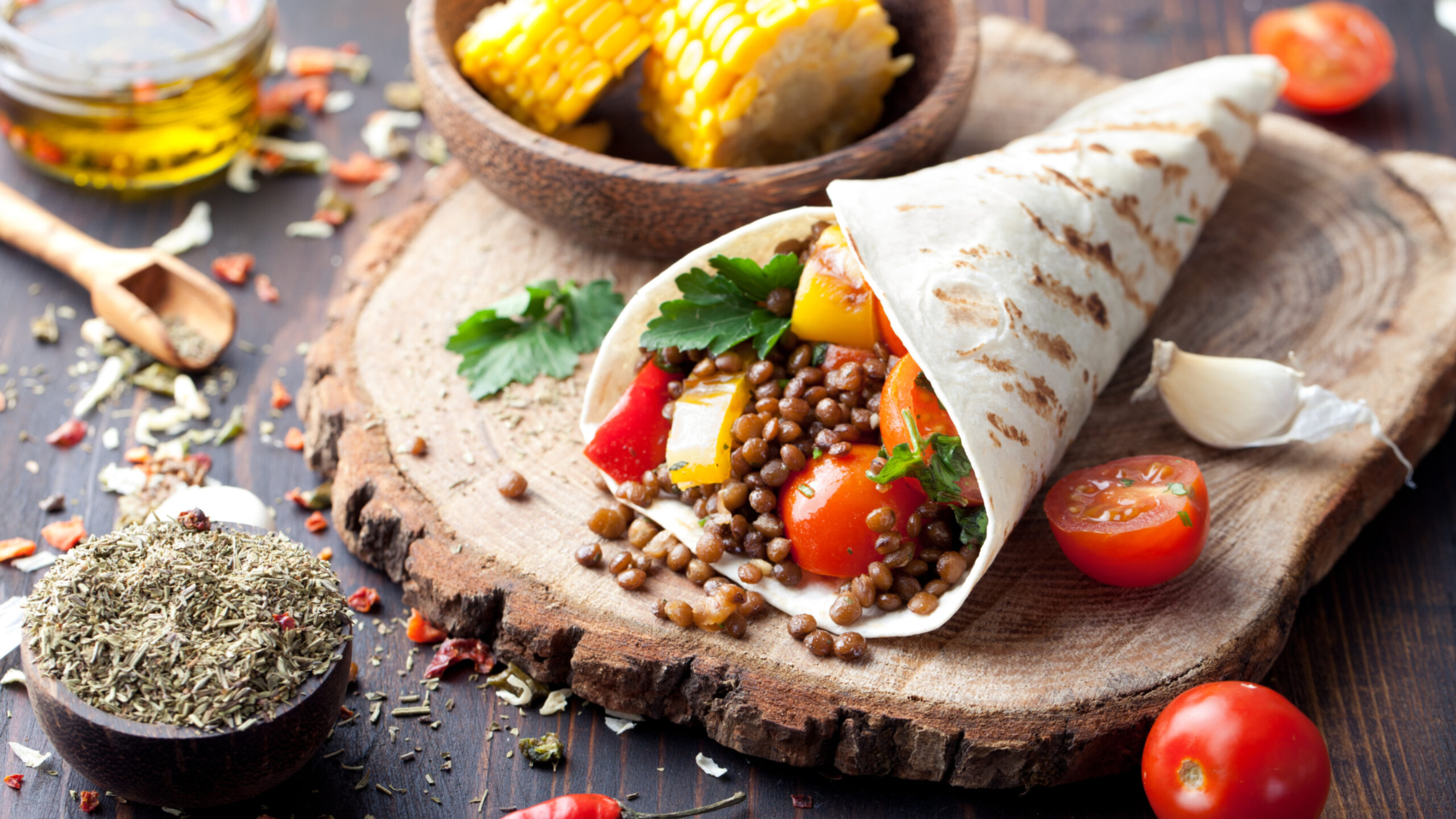
vegan gluten free tortilla wraps

Gluten-Free Flour Tortillas Recipe: A Vegan-Friendly Alternative for Your Favourite Meals

Gluten-Free Flour Tortillas: A Vegan-Friendly Alternative for Your Favourite Meals

As a vegan, finding alternatives for your favourite foods can be a challenge. But what about a vegan-friendly, gluten-free flour tortilla recipe that’s just as delicious and versatile as the original?

In this article, we’ll dive into the world of gluten-free flour tortillas and explore how you can make them vegan, too. Whether you’re a seasoned chef or a beginner in the kitchen, this recipe is sure to impress and satisfy your taste buds.

What Are Gluten-Free Flour Tortillas?

Traditional flour tortillas are typically made with wheat flour, which contains gluten. For individuals with celiac disease or gluten intolerance, this can be a major issue. Gluten-free flour tortillas, on the other hand, are made with alternative flours such as rice flour, corn flour, or a blend of gluten-free flours.

While gluten-free tortillas can have a slightly different taste and texture compared to traditional tortillas, they are a great alternative for individuals with dietary restrictions or those who simply want to try something new.

Why Go Vegan with Your Flour Tortillas?

If you’re already on a vegan diet, you’re likely familiar with the benefits of plant-based eating. By eliminating animal products from your meals, you can improve your health, reduce your carbon footprint, and support animal welfare.

Vegan flour tortillas are a great alternative to traditional tortillas, as they don’t contain any animal products such as lard or dairy. This makes them a great option for individuals with dietary restrictions or those who simply want to make a more ethical choice.

Making Vegan-Friendly Gluten-Free Flour Tortillas

Making your own gluten-free flour tortillas may seem daunting, but it’s actually quite simple. With just a few ingredients and some basic kitchen tools, you can create a delicious and healthy alternative to traditional flour tortillas.

Ingredients:

  • 2 cups gluten-free flour blend (can be a store-bought blend or a homemade blend of rice flour, tapioca flour, and cornstarch)
  • 1/2 teaspoon salt
  • 1 teaspoon baking powder
  • 1/4 cup vegetable oil
  • 3/4 cup warm water

Instructions:

  1. In a large bowl, whisk together the gluten-free flour blend, salt, and baking powder.
  2. Add the vegetable oil and stir until well combined.
  3. Gradually add the warm water, stirring until a soft dough forms.
  4. Turn the dough out onto a floured surface and knead for 1-2 minutes.
  5. Divide the dough into 8 equal portions and roll each portion into a ball.
  6. Cover the dough balls with a damp cloth and let rest for 10-15 minutes.
  7. Heat a large non-stick skillet over medium-high heat.
  8. Roll out each dough ball into a thin circle, about 6-8 inches in diameter.
  9. Place the tortilla in the skillet and cook for 1-2 minutes on each side, until lightly browned.
  10. Repeat with the remaining dough balls.

Enjoy your freshly made vegan-friendly gluten-free flour tortillas with your favourite fillings, such as veggies, beans, or tofu.

Variations on the Recipe

If you want to experiment with different flavours and textures, there are several variations on this recipe that you can try. For example, you can add spices such as cumin or chilli powder to the flour mixture for a savoury twist.

You can also experiment with different flour blends to see which one works best for your taste and dietary needs. Some individuals prefer a blend of almond flour and coconut flour for a nutty flavour, while others prefer a blend of tapioca flour and potato starch for a more traditional taste.

Tips for Success

Making gluten-free flour tortillas may seem intimidating at first, but with the right ingredients and technique, it can be a simple and enjoyable process. Here are some tips for success:

  1. Measure ingredients accurately: Gluten-free flours can be finicky and require precise measurements. Use a kitchen scale for best results.
  2. Keep dough covered: Cover the dough with a damp cloth to prevent it from drying out and cracking while you work.
  3. Roll the tortillas thin: Gluten-free flour tortillas tend to puff up more when cooked, so roll them thinner than you would with traditional flour tortillas.
  4. Cook on a hot skillet: Use a hot skillet to cook the tortillas quickly and evenly. A cast iron skillet works well for this.
  5. Store tortillas properly: Store the tortillas in an airtight container in the refrigerator or freezer. They can be reheated in the microwave or on a hot skillet before serving.

With these tips in mind, you can create delicious and healthy gluten-free and vegan flour tortillas for your next meal.

Enjoy!

If you need help getting your diet back on track contact us. We create health and lifestyle programs tailored to you as a unique individual.

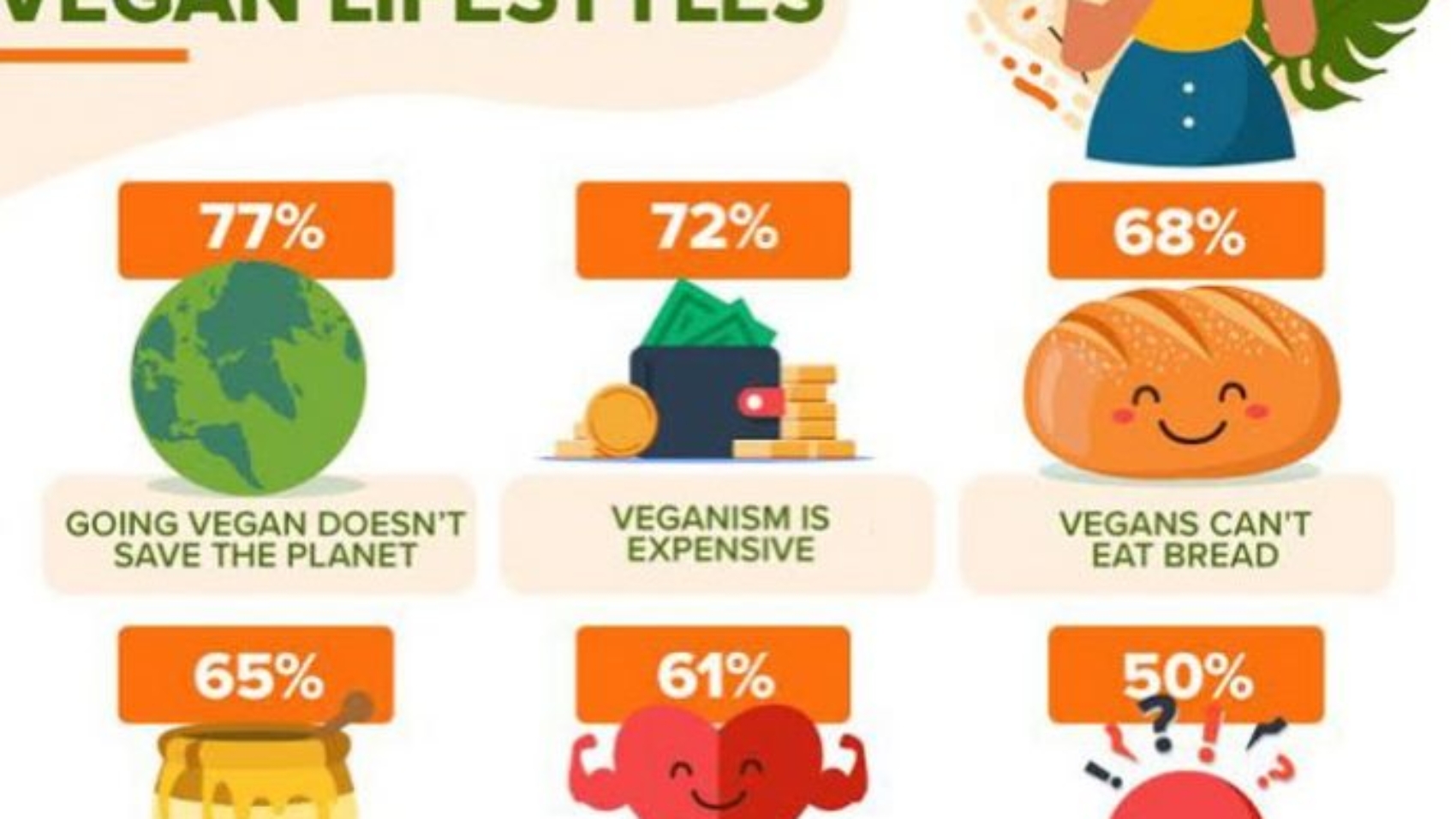
What are some of the most common myths about veganism that you hear?

What are some of the most common myths about veganism that you hear?

Many people have misconceptions when it comes to veganism and whole foods healthy lifestyles. The following are some of the most common myths about veganism that you hear:

  1. A plant-based vegan diet is deficient in essential nutrients – This couldn’t be further from the truth! A whole-foods, plant-based vegan diet can provide all of the essential vitamins, minerals, and nutrients needed for a healthy lifestyle. It is important to ensure that your plate is filled with nutrient-dense whole foods such as legumes, whole grains, fruits, vegetables, nuts, and seeds.
  2. Animals don’t need to be killed for vegans to consume food – Vegans do not support animal suffering or cruelty. They simply choose not to eat animals or animal products, which eliminates the need for animals to be killed in order for them to get their food.
  3. Vegans only eat processed vegan substitutes – Many vegans do enjoy vegan substitutes like almond and soy milk, but whole foods such as fruits, vegetables, legumes, whole grains, nuts, and seeds still form the bulk of a vegan diet. Incorporating whole foods into your meals is key to getting enough nutrients and feeling satisfied.
  4. Vegan diets are expensive – A plant-based vegan diet can be quite affordable if you are smart about shopping. Purchasing whole foods that are in season is usually cheaper than buying out-of-season produce. Also focusing on whole grain staples such as oats and quinoa are great for bulking out meals, as well as being budget-friendly.

By debunking these vegan myths and highlighting the benefits of a whole foods vegan diet, it is easy to see how adopting this lifestyle can help people to live healthier and more sustainable lives.

The whole foods plant-based vegan lifestyle is gaining more and more traction each day, and with good reason! Eating whole foods that are in season is a great way to get the nutrients you need while still being affordable.

Additionally, focusing on whole grain staples can help bulk out meals and make them more satisfying. Finally, vegans do not support animal suffering or cruelty – they simply choose not to eat animals or animal products. All of these benefits combine to make a whole foods vegan diet a healthy and sustainable choice for those looking to live a healthier lifestyle.

If you are looking to transition to a vegan diet but don’t know where to start, head over to my recipes website yourplantbasedhealth.com to find hundreds of vegan recipes.

What are some of the benefits of a vegan diet?

What are some of the benefits of a vegan diet?

A whole foods vegan diet offers many benefits to those who choose to follow this lifestyle. Studies show that following a plant-based vegan diet can lead to improved health, reduced risk of chronic disease, and even weight loss. Here are 10 reasons why you should consider switching to a whole-foods vegan diet:

1) A whole foods vegan diet is low in saturated fat, cholesterol, and other unhealthy ingredients such as preservatives and additives. This helps promote optimal health and reduces the risk of developing chronic diseases like heart disease and stroke.

2) Plant-based diets are rich in fibre, vitamins, minerals, antioxidants, phytochemicals, essential fatty acids (EFAs), and other nutrients that provide numerous health benefits including improved digestion and circulation, balanced hormones, stronger immunity, and even cancer protection.

3) Eating whole foods vegan can help you reduce your risk of developing type 2 diabetes by controlling blood sugar levels. It may also help lower LDL (bad) cholesterol levels while improving HDL (good) cholesterol levels.

4) A whole foods vegan diet helps boost energy levels as it is packed with nutrient-dense whole foods that provide long-lasting fuel for the body.

5) Following a whole foods vegan diet can aid weight loss as plant-based whole foods are generally low in calories but high in fibre and nutrients which can keep hunger at bay for longer periods of time.

6) Plant-based whole foods are generally much lower in sodium, making them beneficial for those with high blood pressure.

7) Eating whole-foods vegan can help reduce inflammation levels in the body which is linked to a variety of health conditions.

8) Vegan whole foods are typically rich in antioxidants which can protect cells from damage caused by free radicals and slow down the ageing process.

9) A whole foods vegan diet may prevent or improve symptoms of certain diseases such as arthritis, irritable bowel syndrome (IBS), and other digestive issues.

10) Finally, following a whole-foods vegan diet is an ethical choice that helps reduce animal suffering, reduces water consumption, and preserves natural resources. It also shows respect for all living beings, making it a compassionate and environmentally-friendly way of eating.

A whole foods vegan diet may prevent or improve symptoms of certain diseases such as arthritis, irritable bowel syndrome (IBS), and other digestive issues. Furthermore, studies have shown that following a whole-food vegan diet can reduce inflammation levels in the body which is linked to a variety of health conditions. Finally, switching to whole foods vegan has many ethical benefits as it helps reduce animal suffering, reduces water consumption, and preserves natural resources. It also shows respect for all living beings, making it a compassionate and environmentally-friendly lifestyle choice.

So why not give whole foods vegan a try?

With some planning and an open mind, you can easily transition to plant-based whole-food eating for improved health and well-being. Make the switch today and reap the benefits of becoming a whole-foods vegan!

For 100s of vegan recipes go to yourplantbasedhealth.com you’ll be shocked at the variety of different recipes.

What advice would you give to someone who is interested in becoming a vegan, but is unsure about where to start?

What advice would you give to someone who is interested in becoming a vegan, but is unsure about where to start?

If you’re considering transitioning to a whole-food vegan diet, there are several benefits that make the lifestyle worth exploring. Here are 10 reasons why going vegan could benefit your health:


  1. You’ll get more whole grains, fruits, and vegetables in your diet – these are full of essential vitamins and minerals that help keep our bodies healthy.
  2. Eating plant-based meals reduces the consumption of unhealthy processed foods high in calories, fat, salt, and sugar.
  3. Research has shown that eating whole plant-based foods can reduce the risk of developing certain chronic diseases like heart disease and diabetes.
  4. Plant-based diets require no animal products or byproducts which means fewer environmental pollutants and the potential for better animal welfare.
  5. Eating whole plant-based foods is naturally low in saturated fat and cholesterol, which can help improve overall health and reduce the risk of heart disease.
  6. Many vegan diets are high in fiber, which helps support digestion and promotes a healthy gut microbiome.
  7. Eating whole vegetables, fruits, legumes, nuts, seeds, and whole grains provides an abundance of essential vitamins and minerals that you may be missing out on if you’re not eating these foods regularly.
  8. Eating whole plant-based foods can result in weight loss as well as long-term weight management due to their lower calorie content compared to animal products like eggs or cheese.
  9. Plant-based diets are associated with lower rates of cancer, as whole plant foods contain more phytochemicals which may help protect cells from damage and mutations.
  10. Transitioning to a whole foods vegan diet is an easy way to reduce your carbon footprint and make a positive impact on the environment.

Overall, transitioning to a whole foods vegan lifestyle can provide many benefits that go beyond just nutrition – it helps support animal welfare, reduce environmental pollutants, and can even result in better overall health.

To ease into the transition, start by slowly introducing whole plant-based meals into your diet one at a time until you’re comfortable with the idea of becoming a full-time vegan.

For 100s of vegan recipes go to yourplantbasedhealth.com you’ll be shocked at the variety of different recipes.

What are the most common reasons people give for not wanting to become vegan?

What are the most common reasons people give for not wanting to become vegan?

Many people are hesitant to become vegan due to misconceptions about whole foods and the lifestyle it requires. Common objections include not wanting to miss out on favourite dishes, feeling that a vegan diet is too restrictive, or believing that whole-foods-based diets are too expensive and complicated.

It’s true that transitioning to a whole food plant-based lifestyle can require some adjustment, but there are many benefits. Eating more whole foods such as fruits, vegetables, grains, and legumes can lead to improved health outcomes by reducing cholesterol levels, regulating blood pressure, and helping with weight loss. Furthermore, whole-food sources of protein provide essential amino acids needed for optimal health while being much lower in saturated fat than animal products. Plus, eating this way is often more affordable than relying on prepackaged vegan alternatives.

Many of the objections to veganism have their roots in misconceptions about whole-foods based diets. While it is true that some whole foods may not be as convenient or tasty as processed options, the rewards are worth it. With a little creativity and experimentation, you can find delicious whole-food recipes that will leave you feeling energised and satisfied while helping to protect our planet’s resources. So why not give whole-foods-based veganism a try? You may just discover how great eating this way can make you feel. After all, what do you have to lose? Except for maybe a few pounds… 😉

Here is a list of the top 5 things you’ll be missing out on if you go vegan

  1. Animal products like dairy, eggs, and meat that are high in saturated fat
  2. Prepackaged foods with artificial flavours and preservatives
  3. Unhealthy snacks such as chips, candy bars, and cookies
  4. Processed sugar-sweetened drinks
  5. Foods with added hormones or antibiotics used in animal agriculture

By trading these items for whole food plant-based options you’ll enjoy the numerous benefits of veganism while doing something kind to both your body and our planet! Eating whole foods is a great way to start living a healthier lifestyle and becoming a vegan can be an easy transition. So why not give it a try? You just might find it’s life-changing.

A whole-foods-based vegan lifestyle is an excellent way to improve your overall health and well-being. It can provide essential vitamins, minerals, fibre, carbohydrates, and proteins that the body needs for optimal functioning. Additionally, whole foods are often more affordable than processed products and don’t contain any of the unhealthy additives or preservatives found in many animal products. By cutting out animal fats from your diet, you’ll be able to reduce cholesterol levels and keep your blood pressure normal. Eating whole plant-based foods can also help with weight loss by providing fewer calories per serving compared to their animal-based counterparts.

Finally, veganism is good for the environment and helps protect valuable resources like water, land, and energy. All of these benefits make whole-food veganism an attractive option for those looking to improve their health. So why not give it a try? You just might find that it’s life-changing!


10 reasons why you should eat a whole foods plant based diet

10 reasons why you should eat a whole foods plant based diet

Making the switch to whole-foods vegan eating is a great way to care for your health, the planet, and all living beings in an ethical and responsible manner. With some planning and an open mind, you can easily transition to plant-based whole-food eating for improved health and well-being.If you’re considering making the switch to whole-foods vegan eating but don’t know where to start, here are 10 reasons why you should do so:

  • A whole foods vegan diet can help reduce the risk of developing type 2 diabetes by controlling blood sugar levels.

2) It may also help lower LDL (bad) cholesterol levels while improving HDL (good) cholesterol levels.

3) A whole foods vegan diet helps boost energy levels as it is packed with nutrient-dense whole foods that provide long-lasting fuel for the body.

4) Following a whole foods vegan diet can aid weight loss as plant-based whole foods are generally low in calories but high in fiber and nutrients which can keep hunger at bay for longer periods of time.

5) Plant-based whole foods are generally much lower in sodium, making them beneficial for those with high blood pressure.

6) Eating whole foods vegan can improve digestion and nutrient absorption.

7) It may also reduce inflammation levels in the body which is linked to a variety of health conditions.

8) Vegan whole foods are typically rich in antioxidants which can protect cells from damage caused by free radicals and slow down the aging process.

9) A whole foods vegan diet may prevent or improve symptoms of certain diseases such as arthritis, irritable bowel syndrome (IBS), and other digestive issues.

10) Finally, following a whole-foods vegan diet is an ethical choice that helps reduce animal suffering, reduces water consumption, and preserves natural resources. It also shows respect for all living beings, making it a compassionate and environmentally-friendly way of eating.

The benefits of becoming a plant-based vegan are clearly undeniable. From improved digestion and circulation to balanced hormones, stronger immunity, cancer protection, weight loss, and even disease prevention – the health benefits of whole foods vegan eating have been well documented.

Additionally, there are many ethical benefits that come with this diet such as helping reduce animal suffering and preserving natural resources. Now more than ever is the perfect time to make the switch to whole-foods vegan eating!

Make the switch today and reap the benefits of becoming a whole-foods vegan!

For 100s of vegan recipes go to yourplantbasedhealth.com you’ll be shocked at the variety of different recipes.

Did you know you have 2 types of creative thinking—divergent thinking & convergent thinking?

Here’s how to use each one to maximize productivity: h2zenterprise_

As a creative individual, you may have heard the terms “divergent thinking” and “convergent thinking.” But what do these terms mean, and how can you use them to maximize your productivity?

Let’s take a closer look.

Divergent thinking is a type of creative thinking that involves generating multiple ideas and solutions to a problem. This type of thinking is often associated with brainstorming and idea generation. It’s about exploring all possibilities and coming up with as many ideas as you can, no matter how unconventional or seemingly impossible they may be.
Convergent thinking, on the other hand, is a type of thinking that involves evaluating and narrowing down options to find the best solution to a problem. This type of thinking is more focused and analytical, and it requires you to use logic and reason to make decisions.
So, how can you use these two types of thinking to maximize your productivity?To start, use divergent thinking when you’re in the ideation phase of a project. This is the time to let your imagination run wild and generate as many ideas as possible. Don’t worry about whether your ideas are good or not – just focus on getting them out of your head and onto paper. Once you have a list of ideas, it’s time to switch to convergent thinking.
Use this type of thinking to evaluate your ideas and determine which ones are the most feasible and effective. This is the time to get practical and start refining your ideas so that you can turn them into a real-life project.
It’s important to note that both divergent and convergent thinking are valuable, and you should use them both in your creative process. By using divergent thinking to generate ideas and convergent thinking to evaluate and refine them, you’ll be able to maximize your productivity and achieve your creative goals.

Convergent Thinking Tips

Here are ten ways to focus on convergent thinking:

Set clear goals: Start by defining what you want to achieve and what you need to do to get there. Having clear goals will help you stay focused and make decisions that move you closer to your desired outcome.
Prioritise tasks: Eliminate distractions: Identify the things that distract you and eliminate them, whether it’s turning off your phone, closing your email, or finding a quiet place to work. Use time-blocking: Set specific blocks of time to work on specific tasks. This will help you stay focused and avoid distractions.
Minimise multitasking: While multitasking may seem like a good idea, it can reduce your productivity. Focus on one task at a time and give it your full attention. Take breaks: Taking breaks can help you recharge, refocus, and avoid burnout. Use these breaks to stretch, take a walk, or meditate.
Practice mindfulness: Mindfulness can use a to-do list: Write down everything you need to do and cross off items as you complete them. This will help you stay organized and focused.
Get organized: Organize your workspace, tools, and materials so that you can find what you need quickly and easily.
Stay positive: A positive attitude can help you stay focused and motivated.
Focus on your strengths, celebrate your successes, and avoid negative thoughts and self-criticism.

Divergent Thinking tips

Here are ten ways to focus on divergent thinking:

Embrace ambiguity: Embrace uncertainty and be open to new ideas and possibilities. This will help you think outside the box and come up with new and innovative solutions.
Ask “what if?” questions: Ask questions that challenge assumptions and encourage new ways of thinking. This will help you generate new ideas and approaches.
Brainstorm with others: Collaborate with others to generate new ideas and approaches. Group brainstorming can be a powerful tool for generating new ideas.
Experiment: Experiment with new ideas and approaches, even if they seem unconventional or unlikely to succeed. This will help you expand your thinking and generate new solutions.
Get inspired: Seek inspiration from a variety of sources, such as books, articles, art, music, and nature. This will help you expand your thinking and generate new ideas.
Play with ideas: Play with your ideas and see where they take you. Don’t be afraid to explore new and unconventional ideas.
Take breaks: Taking breaks can help you refocus, recharge, and come up with new ideas. Use these breaks to do something creative, like drawing or writing.
Challenge assumptions: Challenge the assumptions and beliefs that limit your thinking. This will help you generate new ideas and approaches.
Keep a notebook: Keep a notebook with you at all times to capture new ideas and approaches. This will help you stay organized and focused on your goals.
Stay curious: Stay curious and keep learning. Seek out new knowledge and skills, and be open to new ideas and approaches. 2 types of creative thinking 2 types of creative thinking 2 types of creative thinking
In conclusion, divergent thinking and convergent thinking are two important types of creative thinking that can help you maximize your productivity. By using both of these types of thinking in your creative process, you’ll be able to generate a wealth of ideas and turn them into real-life projects that achieve your goals.

To read our latest blog click here: The Basics Of Nutrition For A Plant-based Diet

Follow Us On Facebook | and Instagram